
Quick Summary
Scientists have developed a way to brew espresso-strength coffee using ultrasonic sound waves instead of hot water. That could cut energy use dramatically while delivering a similar taste.
The technology could one day lead to faster, cheaper and more sustainable coffee machines that never need to heat up.
Making coffee has always relied on one simple ingredient: heat. That means cost. But it's about to change.
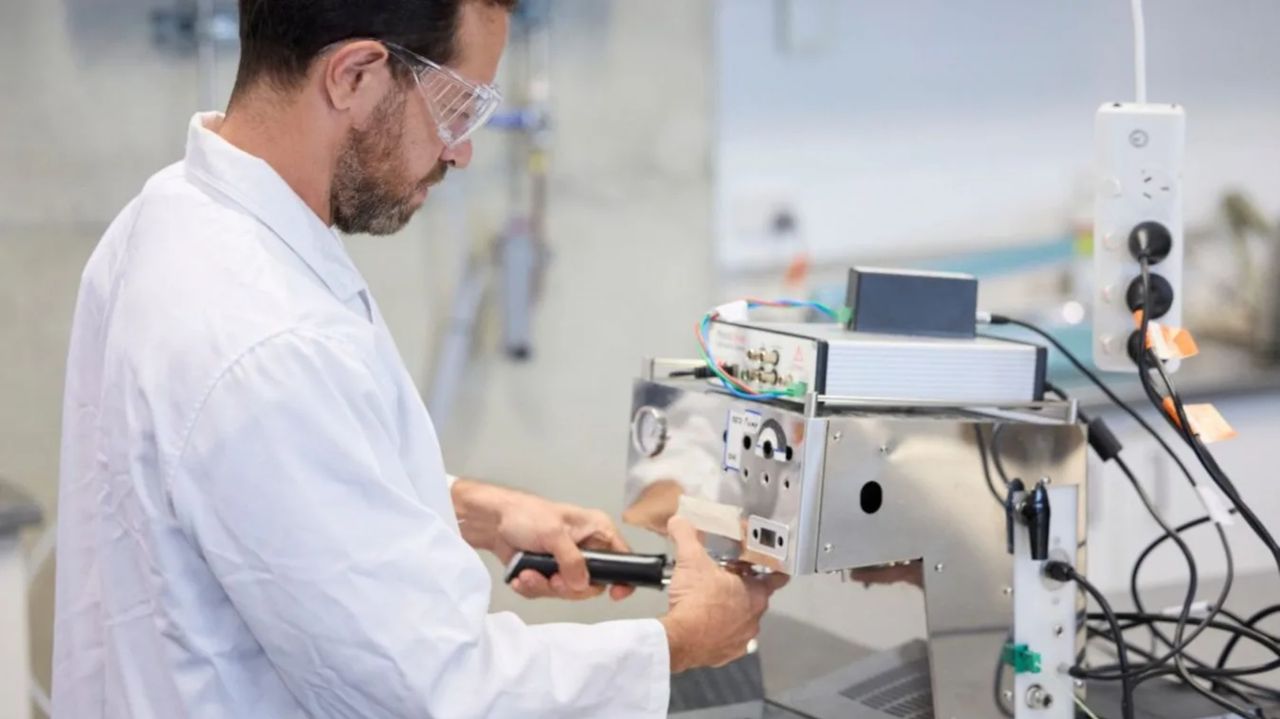
Now researchers in Australia – UNSW Sydney – have found a radically different approach. Instead of using heat, the system uses ultrasonic sound waves to extract flavour, oils and caffeine from coffee at room temperature.
The technique creates microscopic bubbles that rapidly collapse, generating tiny shockwaves that break into the coffee grounds and release the compounds normally extracted by hot water.
The result is an espresso-strength coffee produced in just a few minutes without the energy demands of heating water.
In blind taste tests involving regular coffee drinkers, participants reportedly struggled to tell the difference between conventional espresso and the ultrasonic version. Researchers say the process used around a quarter of the energy required by a traditional espresso machine.
The technology is still in the research stage right now. Espresso machines are some of the most energy-hungry appliances in many kitchens because they spend much of their time heating and maintaining water temperature.
If ultrasonic brewing can be commercialised, future machines could start instantly, consume far less electricity and potentially offer more consistent results.
For now, your morning flat white isn't about to become a speaker-powered science experiment. But if this technology reaches mass production, the next revolution in coffee could come from sound rather than steam.