The Trump administration has reportedly barred key U.S. infectious disease researchers from communicating directly with the World Health Organization, limiting their role in global talks on virus outbreaks.
According to a CNN report, the directive impacts officials at the National Institute of Allergy and Infectious Diseases (NIAID), who have been blocked from direct WHO contact, with only a narrow exception recently allowed as an Ebola outbreak in the Democratic Republic of Congo intensified.
A May 18 email from a senior NIAID official, obtained by CNN, said small groups of no more than three experts could attend virtual WHO meetings and only in a "listening capacity." Any follow-up questions or research ideas must go through the Department of Health and Human Services, the document added.
"We'll be operating in the same manner for Ebola as we have been doing for Hantavirus, assembling a small groups of experts, no more than three, to participate," the email said, according to CNN. "Should we have legitimate research questions or countermeasure testing ideas, we can bring those up through the proper chain of command."
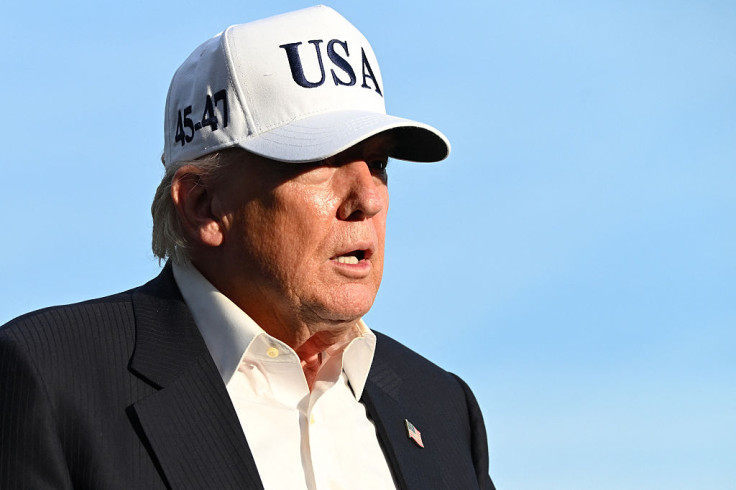
The restrictions follow President Donald Trump's January 2025 order to withdraw the United States from the WHO. The White House said at the time that the U.S. intended to leave the organization, citing concerns about its handling of the COVID-19 pandemic and other disputes.
HHS defended the administration's approach, telling CNN it "engages with the WHO to support information sharing and coordination during infectious disease outbreaks" through the CDC and is "fully equipped to protect Americans and mitigate risks."
Top posts remain vacant or in flux, including surgeon general, CDC director, FDA commissioner, deputy health secretary, and NIAID director. Dr. Jeffery Taubenberger, who became acting NIAID director in April 2025, has stepped down as well.
The CDC said on May 25 that it is responding to an Ebola outbreak in remote areas of the Democratic Republic of Congo and Uganda. The agency said no Ebola cases tied to the outbreak have been confirmed in the United States and that the overall risk to the American public remains low.
The WHO has raised the national risk level for the Congo outbreak to "very high," while keeping the global risk low. Reuters reported that the outbreak involves the Bundibugyo strain, for which there is no approved vaccine or treatment.
Former CDC official Dr. Dan Jernigan told CNN the current leadership situation is unlike anything he saw in 31 years at the agency. Jeremy Konyndyk, president of Refugees International and a former State Department official, said broken communication chains could delay outbreak alerts.