
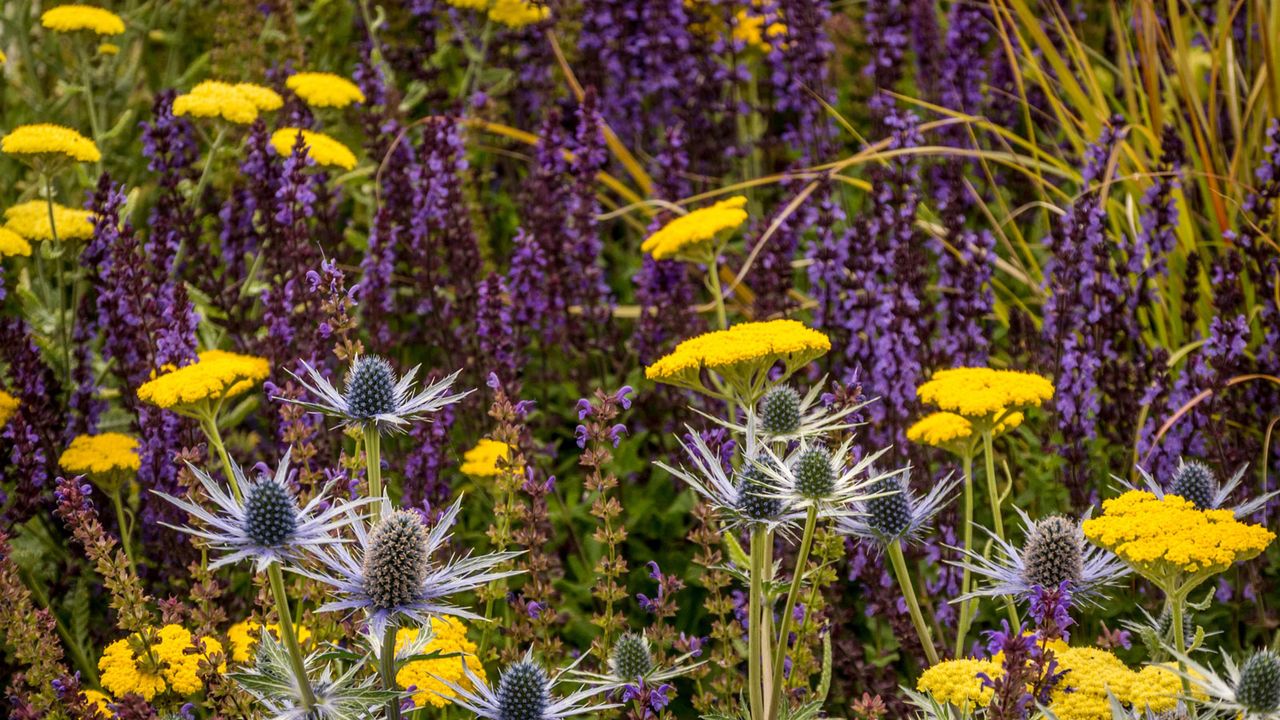
As spring turns to summer and our backyard borders begin to take centre stage, this simple repeat-planting trick will give you the designer look fast. It's all about the minimum of effort for maximum results.
Whatever your plant preferences, this planting tip will work with you. You can use herbaceous perennials in cool colours or hot, add in evergreen shrubs for year-round interest, ornamental grasses for movement and grace, or even opt for summer-flowering bulbs in your chosen mix. The key is restraint, and the result is spectacular.
Paring your planting palette back to just three plants is a backyard idea you'll soon come to swear by. Of course, holding back in the garden isn't always easy, especially if you're a plant lover first and foremost. But trust me, you won't regret it.
Why Garden Designers Know That Less Is More
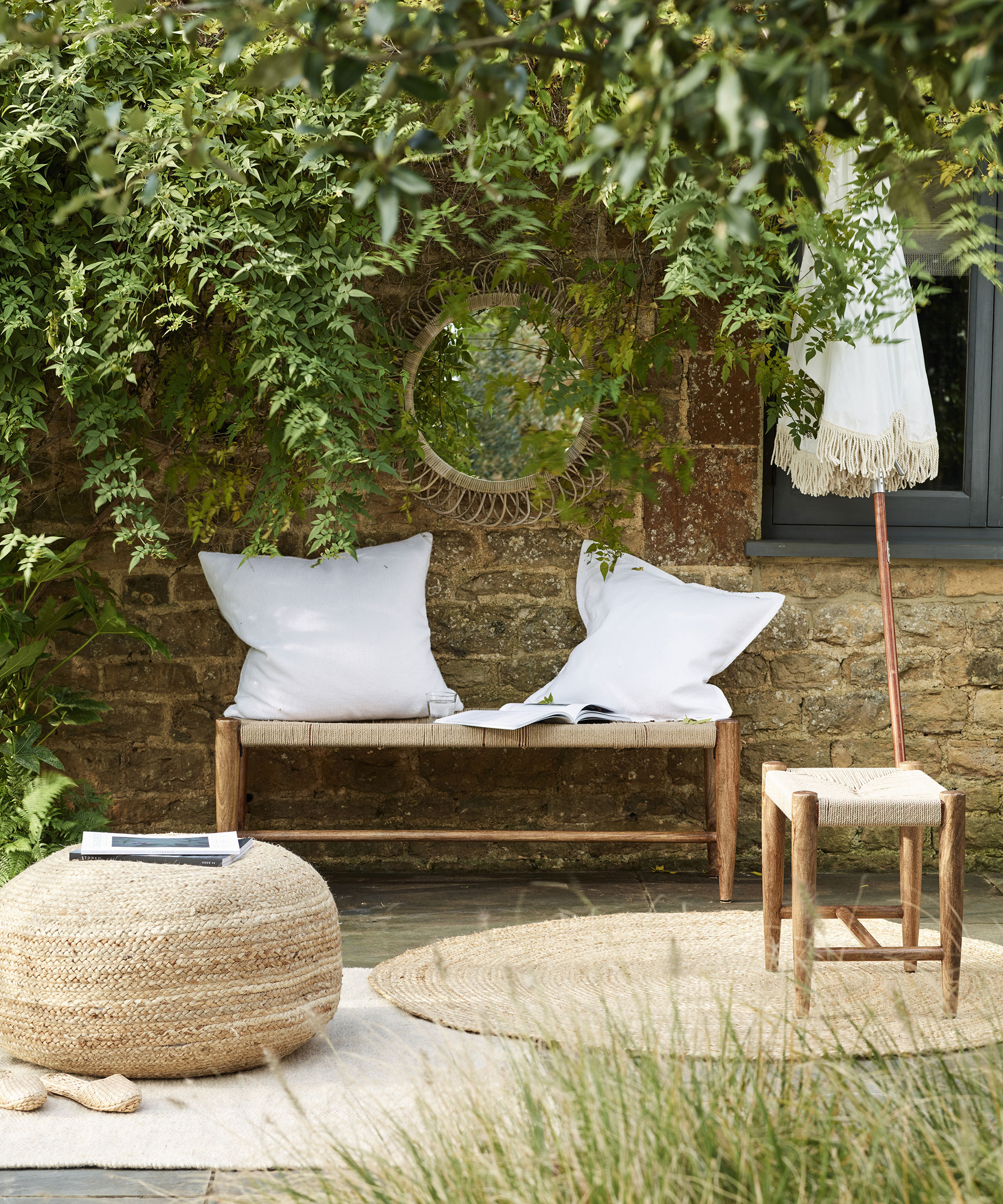
Let me get one thing straight from the start. This repeat-planting trick isn't about fewer plants, less colour, or more hard landscaping. It's about creating a pared-back planting scheme, or schemes (you will likely use different trios in different areas of your backyard) that will create an instantly calming effect with a chic designer look.
You'll still have heaps of plants, just fewer varieties planted in more generous groupings (bees and butterflies love this planting method by the way – it makes it easier for them to seek out and feed effectively).
And trees and large shrubs don't count, by the way, so no need to go digging them out. Here I'm talking colorful underplanting and border fillers.
What is it about fewer plant varieties that makes a backyard feel more designed? Firstly it's to do with how the eye travels through a garden. A bit like creating a capsule garden, if you repeat plants within a space, you create visual links that are grounding and settling.
Think of it as the opposite of grandma's sitting room, full to the brim with nick-nacks and ornaments. Busy, right? There's too much to look at and it can be pretty overwhelming. Plant more of the same varieties of plants in relaxed drifts and you cut out the visual noise.
Next it's about ease of maintenance. Every plant has its own unique maintenance calendar of needs . There's pruning to consider, dividing and replanting, deadheading and cutting back of herbaceous perennials at the end of the season. Relying on larger groups of fewer plant varieties means fewer jobs in the garden.
Your Main Considerations When Choosing Groups of Three Plants
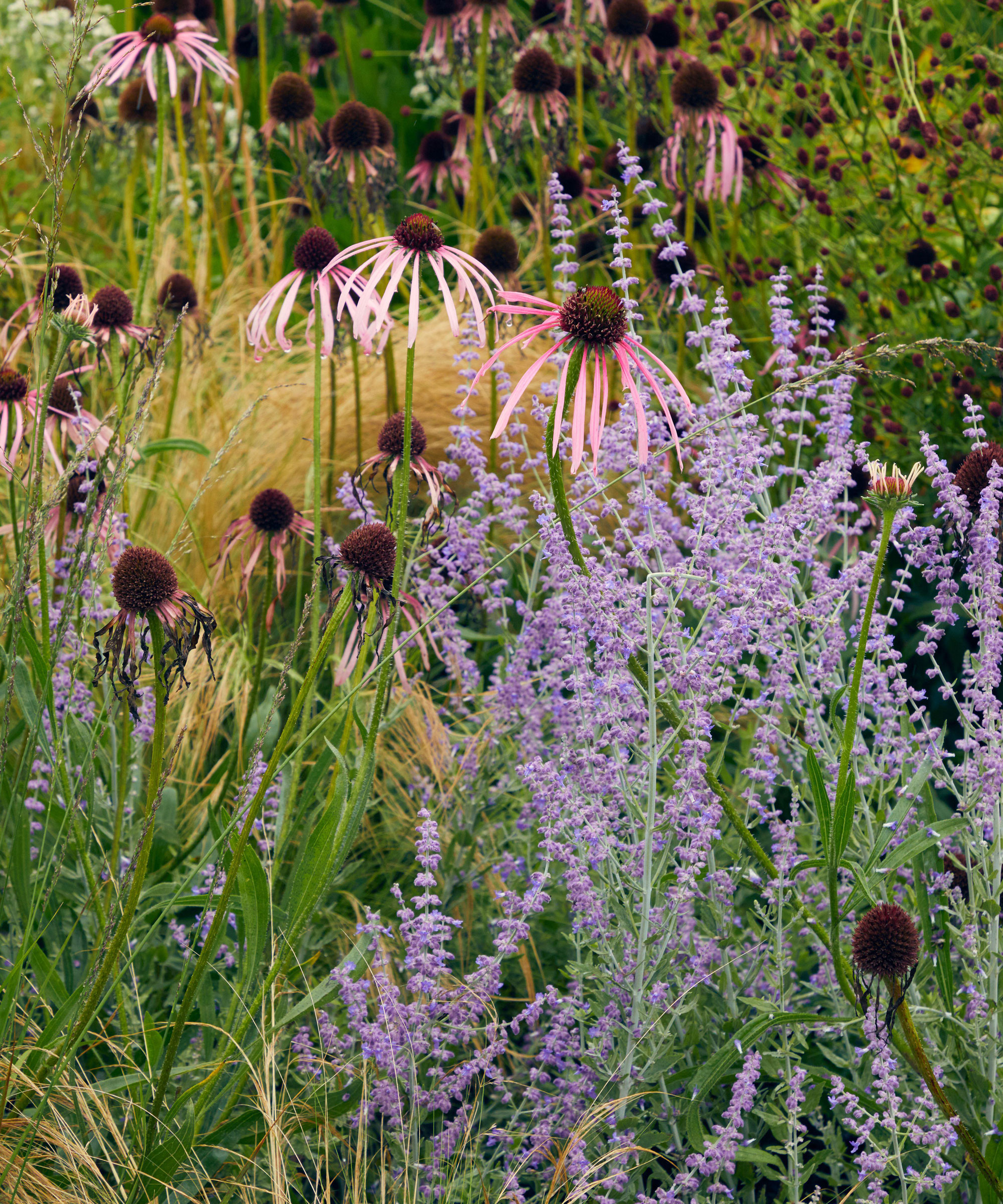
The first rule in any planting design scheme is right plant right place. So if you're planning to fill a shaded spot, you'll need plants that thrive in lower light levels. If you're looking to fill a hot and sunny south or west-facing spot, you'll need drought-tolerant sun-loving species.
Next, you'll need to think about the kind of atmosphere you're wanting to create. Calming, green and serene? Pick shrubs and perennials with bold, possibly evergreen foliage – think ferns, hostas, fatsias, camellias and acers perhaps.
Vibrant and colorful? Then choose some of the best tropical-looking plants with flowers in hot colors: red hot pokers, day lilies, salvias, dahlias and cannas maybe. A gravel garden with a Mediterranean vibe? Choose from lavenders, Mexican daisy, lamb's ear, Russian sage, catmint, Salvia caradonna and rosemary.
Another consideration is seasonality. When do you want this particular border to be at its best. If you've got the space, clever gardeners often plant up borders according to flowering season, so you might have a spring border under deciduous trees in an east-facing bed; a summer border in a south-facing spot near the house; the perfect fall border where the evening sun hits and lights up all those rich foliage tones; and if you're after winter garden ideas, a bed full of scent and evergreen interest at the front of the house to enjoy as you come and go.
An added bonus to this way of gardening is you don't have to pick through your borders when carrying out maintenance tasks, finding the spring bulbs that need deadheading or the fall-interest grasses that need cutting back. They're all together in once place.
Finally texture and flower form. Simply put, texture means leaf size. If you're creating a border for foliage interest, make sure you mix large leaves with smaller ones or it will look one dimensional.
When you're planting for flower interest, combine flower spikes (foxgloves, lavender, irises etc) with globe shapes (roses, poppies, alliums) and umbels (achillea, astrantia, angelica, dill) to create a designer-level scheme.
A Repeat-Planting Scheme for a Sunny Border
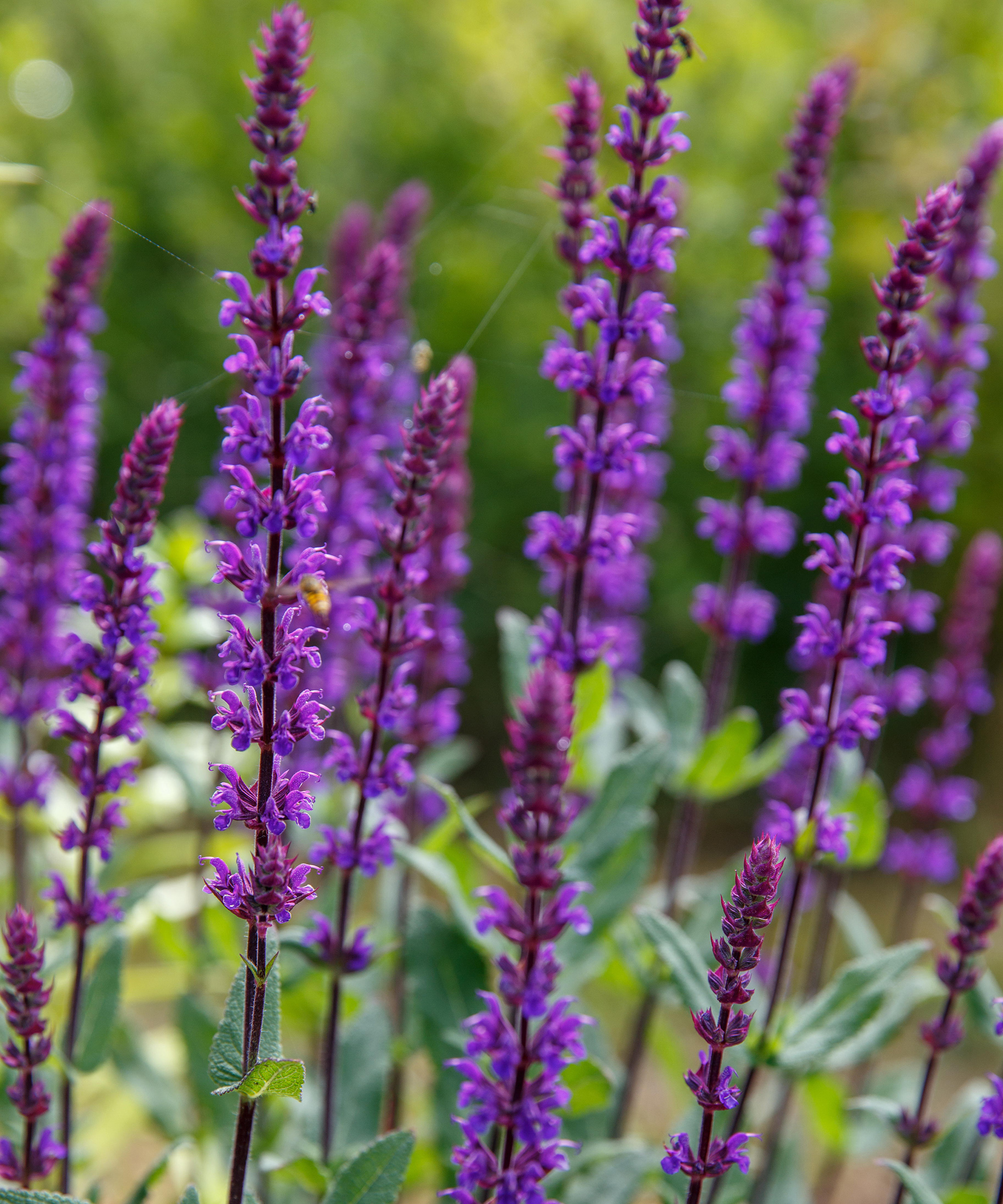
This mid to late-summer scheme of salvia, achillea and eryngium is excellent if you're looking for south-facing garden ideas. It thrives in a hotspot. It also needs free-draining soil, so it's important to dig in plenty of horticultural grit if yours is on the heavy side. It would work well in a gravel garden too. The mixture of blues with yellow is a fabulous combination that will make your backyard pop. It will also be a hit with bees and other pollinators.
The three plants
Salvia nemorosa USDA zones 4-9
Beautiful deep purple-blue flower spikes from June to September on aromatic foliage
Yellow yarrow (Achillea) USDA zones 3-9
Flat heads of flowers from June to September; a stalwart of the drought-tolerant planting brigade
Sea holly (Eryngium) USDA zones 4-9
Striking architectural plant decked with steel-blue thimble-like flowers surrounded by spiky bracts
Easy swap: for drama, height and more butterfly pulling power, swap the eryngium for buddleia (butterfly bush)
Buy Blue by You salvias at Fast Growing Trees
Buy Sunny Seduction yarrow at Nature Hills Nursery
Shop for Blue Glitter sea holly at Nature Hills Nursery
A Lush Repeat-Planting Scheme for Semi Shade
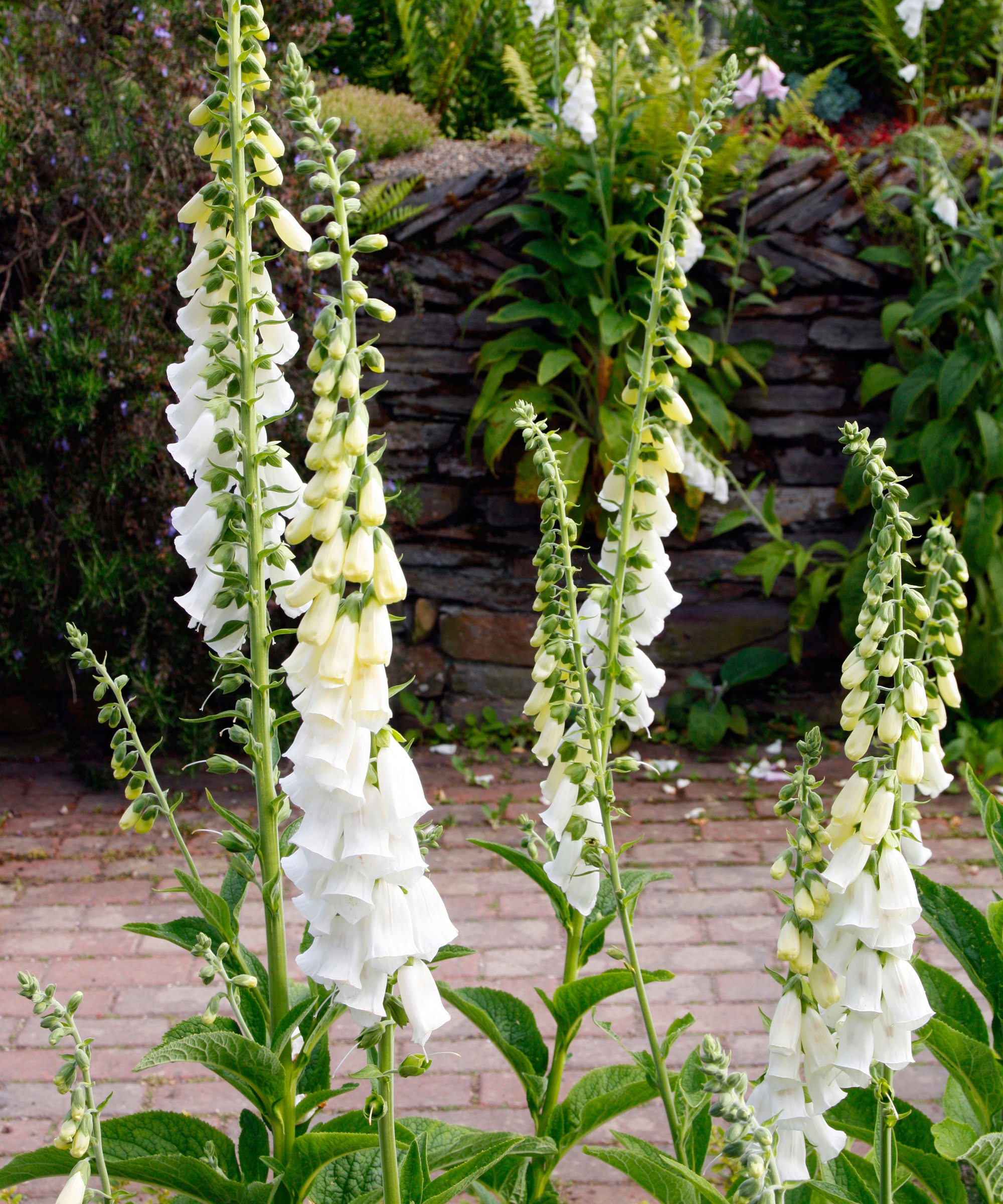
This early to mid-summer combination focuses on evergreen ferns, foxgloves and astrantia (masterwort). It's perfect for a semi-shaded spot under a deciduous tree, or an east-facing border that gets a few hours of sunlight in the morning. Learning how to grow ferns means rich, moisture-retentive soil, also favored by foxgloves and astrantia, so dig in leaf mould or other organic matter when planting.
The three plants
Foxgloves (Digitalis) USDA zones 4-9
A late-spring bee magnet with towering spires of trumpet flowers in shades of pink and white
Evergreen fern, eg Dryopteris marginalis USDA zones 3-8
Tough, moisture-loving fern that grows to around 2 feet in height and spread
Masterwort (Astrantia) USDA zones 4-8
A pretty, long-season performer with pincushion flowers in shades of pink from June through to September
Easy swap: for more structure, leave out the astrantia in favor of an evergreen camellia.
Buy Arctic Fox foxgloves at Fast Growing Trees
You can buy Dryoperis marginalis at Nature Hills Nursery
Shop for Masterpiece masterwort at Nature Hills Nursery
A Cool Mediterranean-Inspired Repeat-Planting Scheme
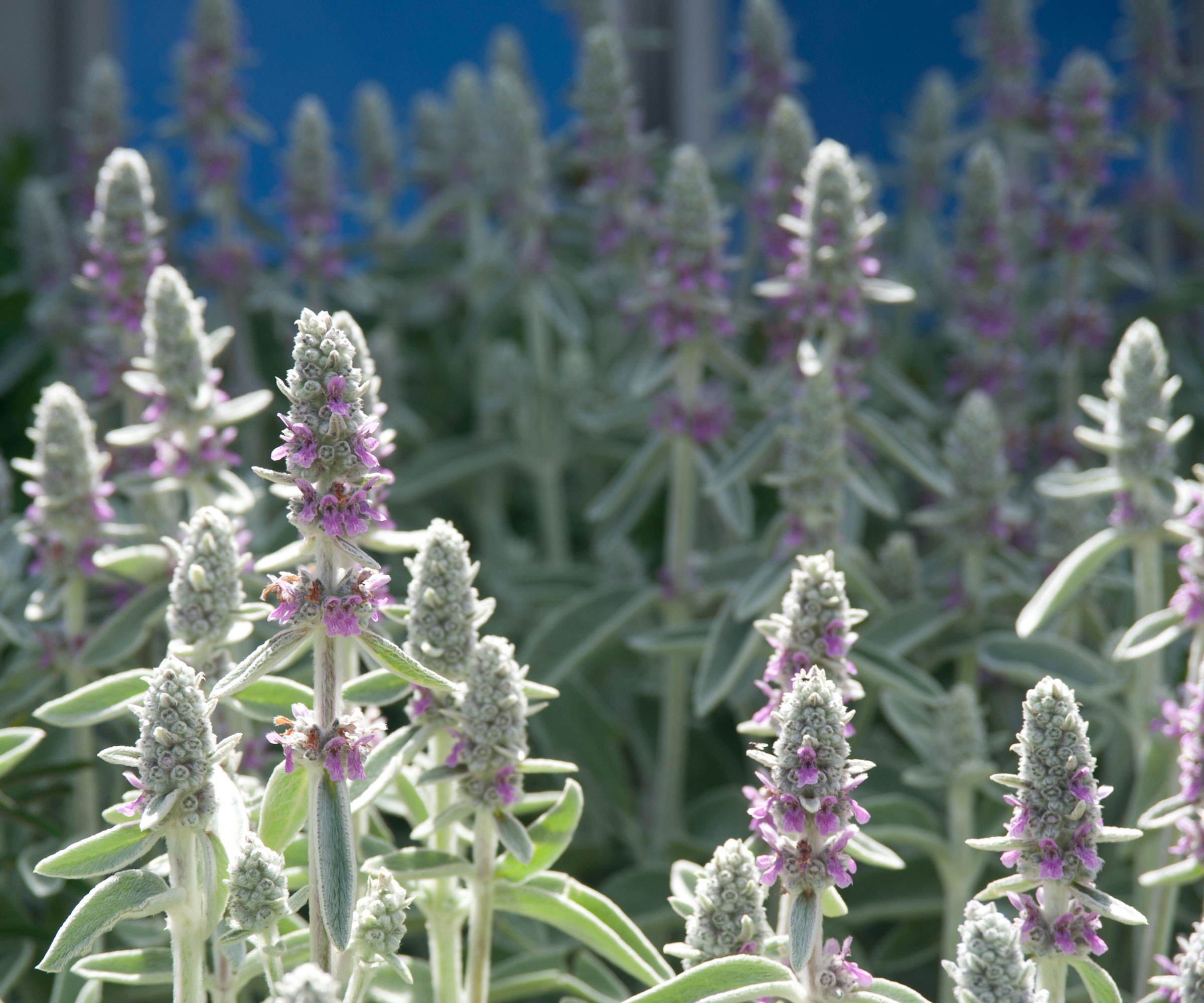
Cool silver and purple teamed with floaty Mexican feathergrass makes an elegant scented border combination with a long season of interest – the lavender will begin flowering in June, then you have the buff-colored grass right until winter if you learn to look after your ornamental grasses well. It needs a sunny spot and well-drained soil that's not too rich, so fork in some horticultural grit, plenty on heavier soils.
The three plants
English lavender USDA zones 5-9
Headily perfumed evergreen shrub with structure all year round and rich purple flowers in mid to late summer
Lamb's ear (Stachys byzantina) USDA zones 4-9
Downy foliage and spikes of purple flowers in summer: a tactile delight
Mexican feathergrass (Stipa tenuissima) USDA zones 7-10
A gorgeous drought-tolerant grass to add movement and a soft shimmer – cut to the ground in early spring to make way for new growth
Easy swap: For extra perfume and more of a cottage garden feel, change the Mexican feathergrass for a pale pink shrub rose.
You can buy Hidcote lavender at Fast Growing Trees
Shop for Mexican feathergrass at Fast Growing Trees
If your backyard's looking lacklustre and you're up for trying something new – and brilliantly effective – do give our repeat-planting trick a try. You'll be surprised at how easy it is once you get the hang of holding back just a little. And don't be surprised if your neighbors ask for the number of your garden designer.
If you love inspiring garden ideas, outdoor advice, and the latest news, why not sign up for our newsletter and get the latest features delivered straight to your inbox?