Quick Summary
Researchers have created a new camera sensor that mimics the human eye, allowing self-driving cars to see more clearly in the dark.
The technology could improve night-time safety by helping vehicles detect hazards, pedestrians and obstacles more reliably.
One of the biggest challenges for self-driving cars isn't navigating busy city streets or complex junctions but coping with changing light. Confused advanced camera systems may about to get a whole lot clearer.
Researchers at Penn State University have developed a new light-adaptive sensor designed to work more like the human eye. Instead of struggling when lighting conditions change, the technology automatically adjusts in real time. This helps cameras maintain accuracy from bright daylight to dusk or near darkness.
Early tests showed more than 95% visual accuracy across different lighting conditions. Promising stuff.
The breakthrough takes inspiration from the rods and cones in our eyes, which constantly adapt as light levels change. By mimicking that process, the sensor could help autonomous vehicles recognise pedestrians, cyclists and obstacles more consistently, even when visibility is poor.
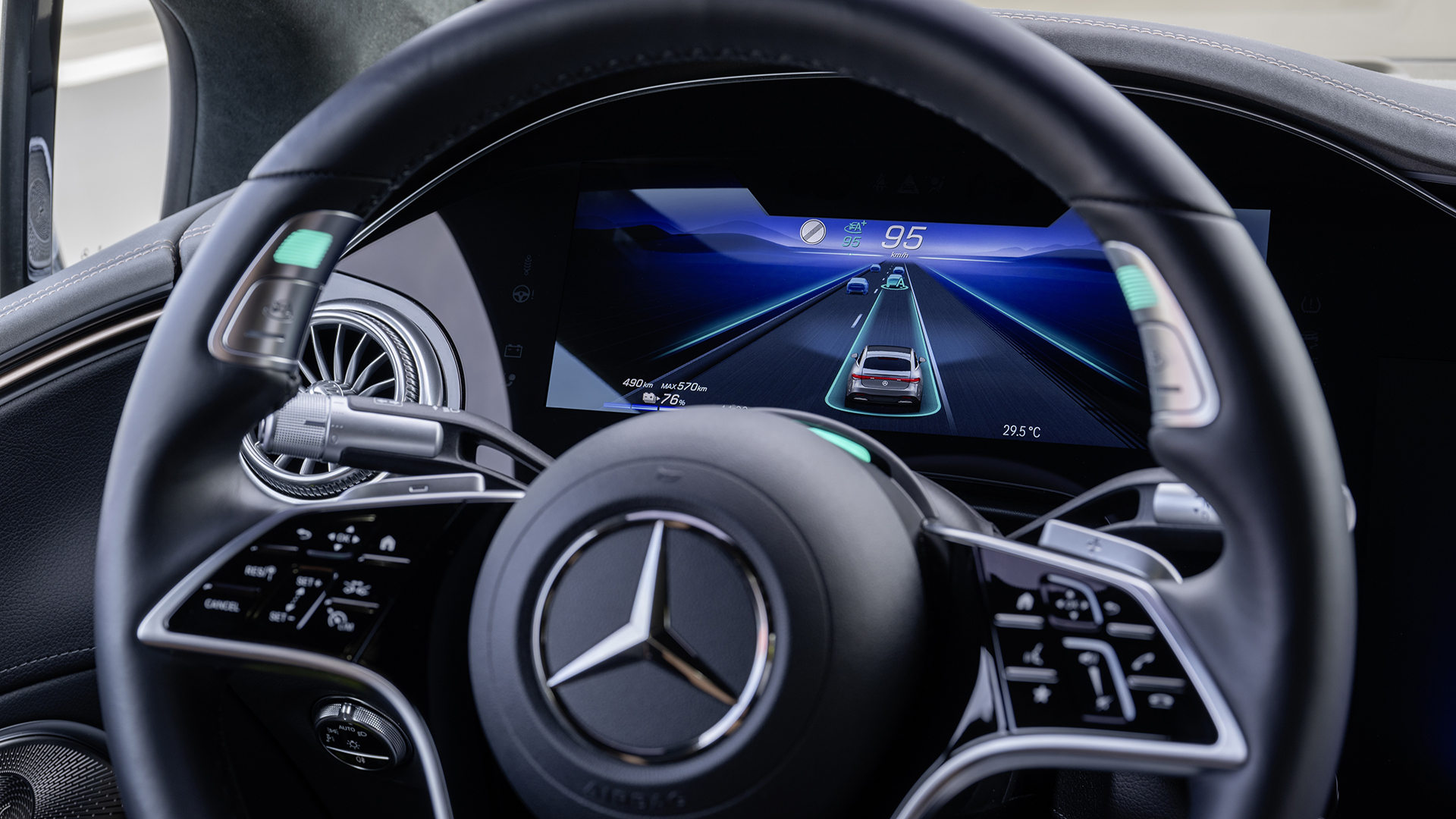
Night-time is still one of the toughest environments for driver-assistance and autonomous driving systems. Existing cameras can lose accuracy in the face of glare, darkness, fog or sudden changes in brightness. This is why carmakers continue investing heavily in new sensor technology.
While this latest development won't instantly create fully autonomous cars, it could become an important piece of the puzzle. Better vision means better hazard detection, faster reactions and improved safety when conditions are less than ideal.
For drivers, that could eventually mean cars that spot danger before you do – even on the darkest roads. And if self-driving technology is ever going to become truly mainstream, learning to see at night may prove just as important as learning to drive during the day.