
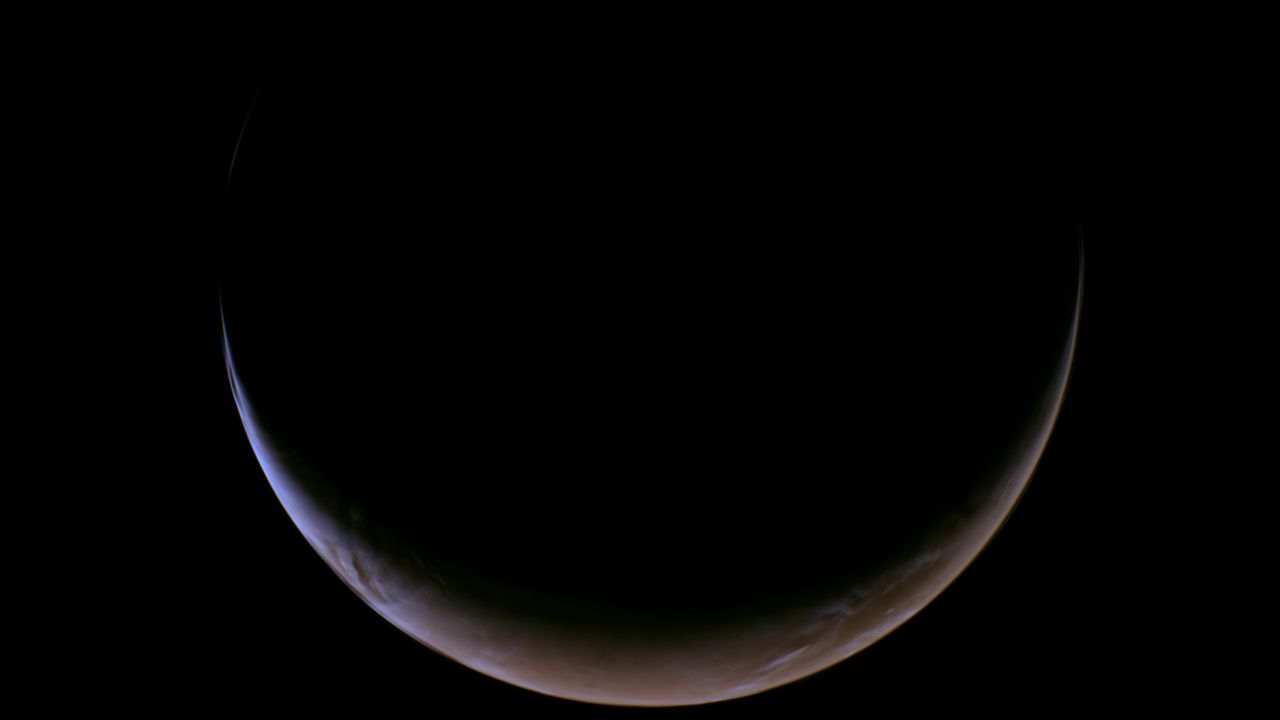
At first glance, one of NASA’s newest images looks like a crescent Moon – but look a little closer, and that crescent takes on a red tint. NASA recently shared a series of stunning images of Mars’ colorful surface, and it looks like space art worthy of a wall hanging.
The images come from Psyche, a spacecraft that’s headed towards an asteroid by the same name, as researchers believe that the space object could potentially be the early core of a planet. The Psyche spacecraft, which launched in 2023, won’t reach its destination until 2029, but on the way, it’s snapping stunning images of the Red Planet.
Mars is key to Psyche’s mission because the spacecraft is using the planet’s gravity to propel it further towards its destination. And when flying so close to Mars, why not snap a few photos?
The last photo that Psyche was able to take where the entirety of Mars still fit into one frame is a shot of the Red Planet in crescent form. NASA explains that the spacecraft approached at a high phase angle, leaving only a small part of the planet lit by the sun.
The image is a striking look at the planet, with the thin sliver of sunshine drawing the eye to the planet’s colorful surface. Psyche took the photo with the Imager A, and NASA researchers enhanced the colors using red, green, and blue data from filters.
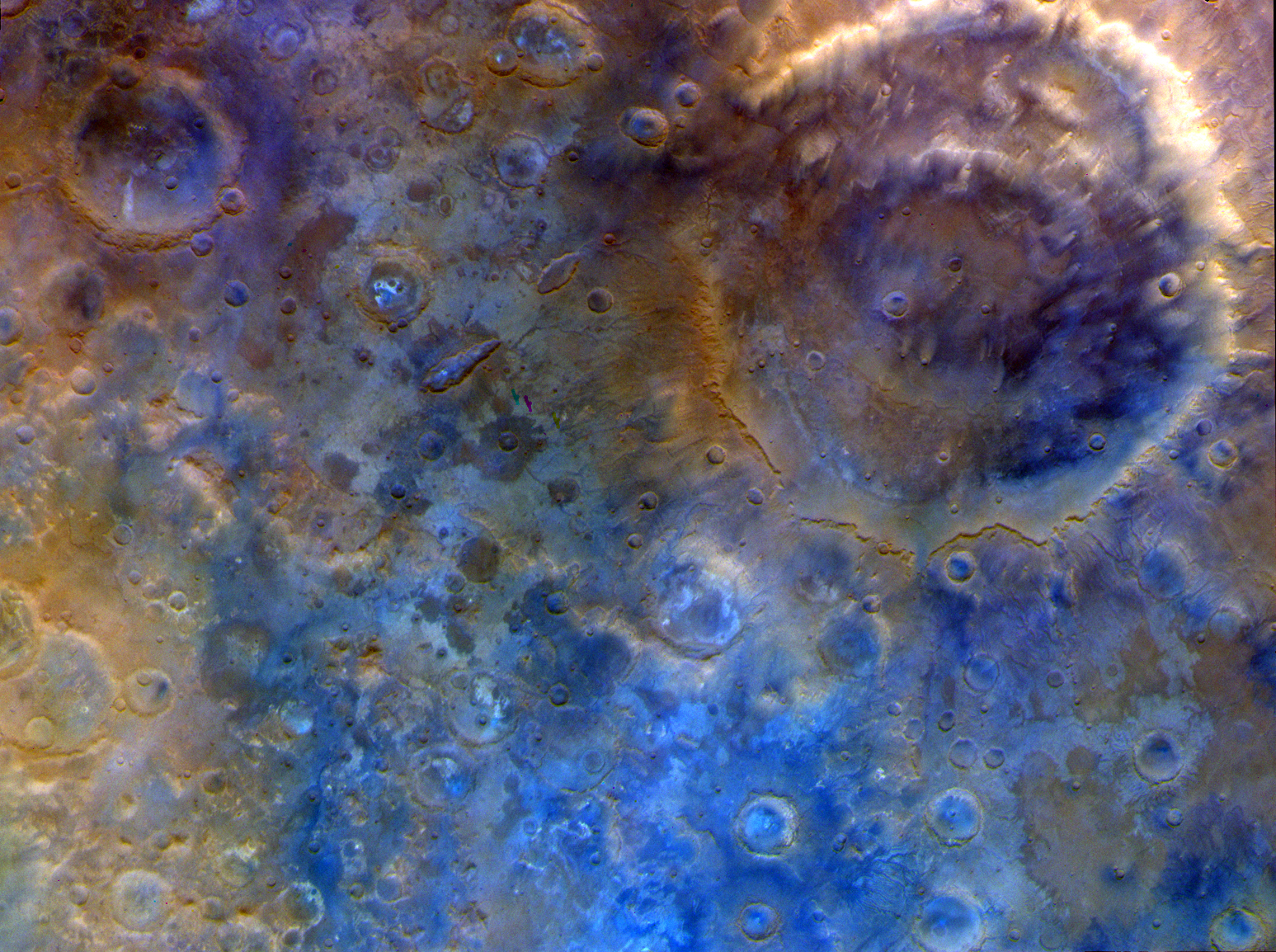
While the smiling red planet is a striking image, that’s not the only stunning image coming from Psyche’s Mars flyby. NASA also shared a close-up of the planet’s Huygens Crater. The scientific shot looks a bit like abstract art, thanks to differences in the dust, sand, and bedrock creating dramatic colors.
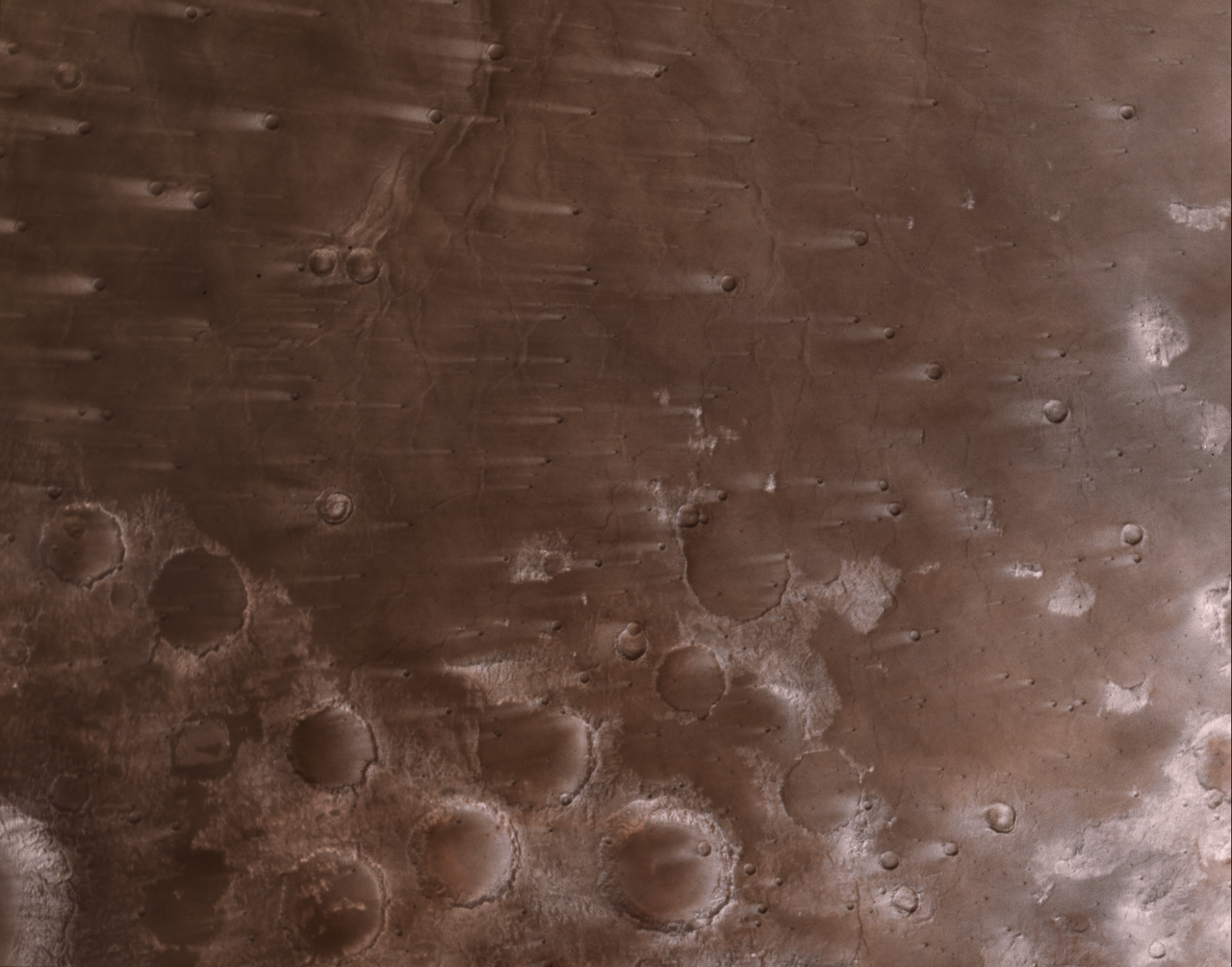
Another photo that NASA also shared on May 19 looks almost like an image suffering from some long exposure blur – but the streaky appearance actually comes from wind reshaping impact craters. NASA says that the wind streaks in the image are actually about 30 miles / 50 kilometers long.
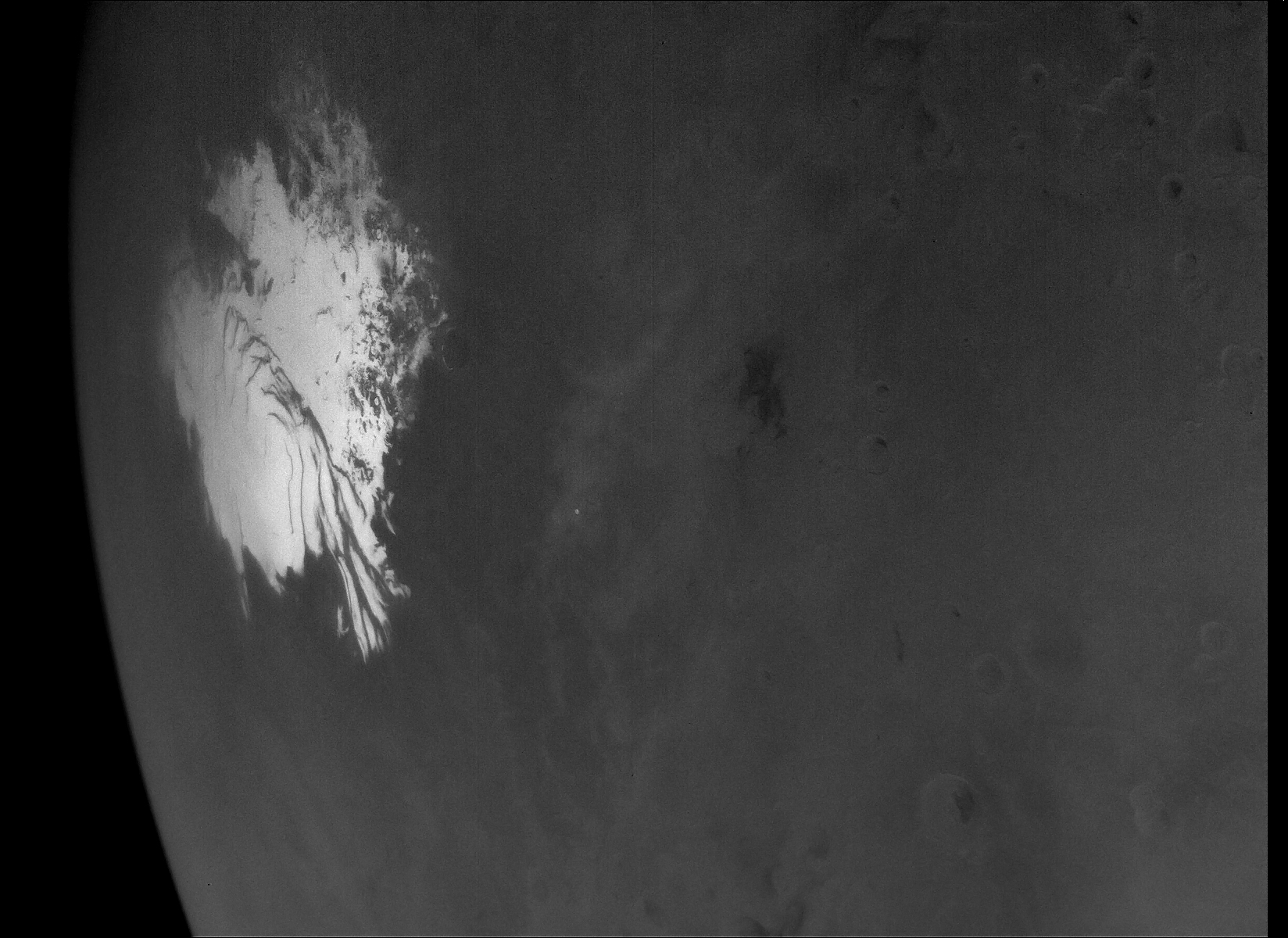
Psyche has also managed to snap the highest-resolution photo yet of the ice cap on Mars' south pole. According to NASA, this ice cap is about 430 miles / 700 kilometers. The Psyche was close enough to capture the cap at a scale of about .7 miles /1.14 km per pixel.
Psyche is now beyond Mars as it heads towards the asteroid located between Mars and Jupiter. NASA expects the spacecraft to arrive at its destination in August 2029.
You may also like
Take a deep dive into the best lenses for astrophotography or the best tripods for steady shots of the night sky.