
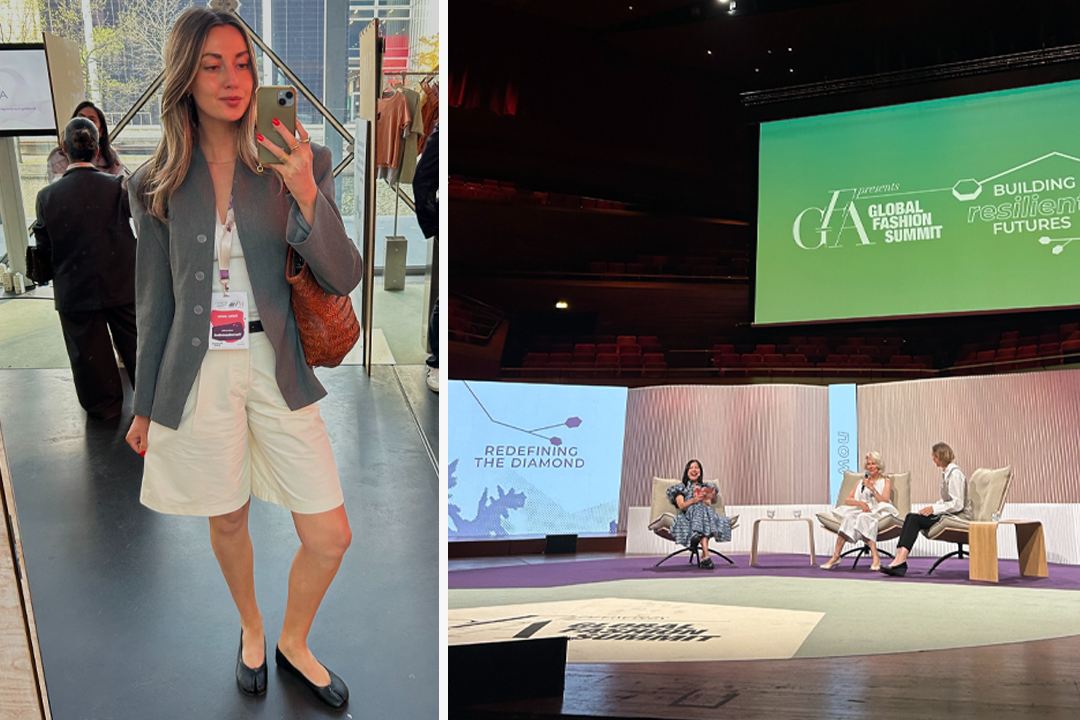
The COP of the fashion industry, The Global Fashion Summit (GFS) takes place annually in Copenhagen. Widely recognised as one of the greenest cities in the world, the Danish capital has become a pioneer in sustainable fashion.
The future-facing little sister to London, Paris, Milan and New York, Copenhagen Fashion Week (CFW) enforces strict sustainability requirements. Labels on the schedule must ensure that 50 per cent of their collections use recycled or upcycled materials, while adhering to zero-waste show design and single-use plastic bans.
Now in its 20th year, CFW attracts the same editors and buyers as the ‘Big Four’. The GFS – the biggest fashion conference of its kind – is increasingly engaging an equally influential audience. Over two days, the non-profit Global Fashion Agenda (GFA) brings together some of the most innovative names in sustainable fashion, sharing progress, setbacks and goals.
During my time at the conference, it became clear that the future of sustainable fashion relies on shared accountability between consumers and CEOs alike. Across panels, debates and case studies, one message emerged clearly: sustainability is no longer a side initiative. It is becoming embedded into how fashion designs, manufactures, sells and defines value.
The summit aims to foster collaboration toward a net-positive future while combatting greenwashing across the industry. Directors, CMOs and chairpersons from the likes of Pandora, LVMH and Kering joined voices from labour rights, academia and charity work to discuss this year’s theme, ‘Building Resilient Futures’.
Fashion remains one of the world’s most polluting industries, responsible for an estimated 8–10 per cent of global carbon emissions. Its footprint stretches across the entire lifecycle of a garment: from raw materials and manufacturing to transportation and post-consumer waste. Fragmented supply chains, complex fibre blends and relentless overconsumption make meaningful reform particularly difficult.
By their very nature, sustainability and fashion often feel at odds. The industry thrives on consumption, and each season introduces a new trend du jour. Truly sustainable labels are rarely cheap, while most business models still depend on low prices and high volumes. Brands such as Zara, Asos and Uniqlo have all faced accusations of greenwashing linked to fast-fashion production methods that contribute to chemical waste and synthetic pollution. Labour exploitation and unsafe working conditions also remain widespread, with an estimated 60 million garment workers globally earning below a living wage.
At the summit, I learnt just how complicated progress can be. AI can improve efficiency and workplace safety, yet it also risks displacing millions of workers. Textile recycling can reduce waste, but it can also consume huge amounts of water and energy. Nothing is straightforward.
Read more: Rooted in style – how nature is rewilding our relationship with fashion
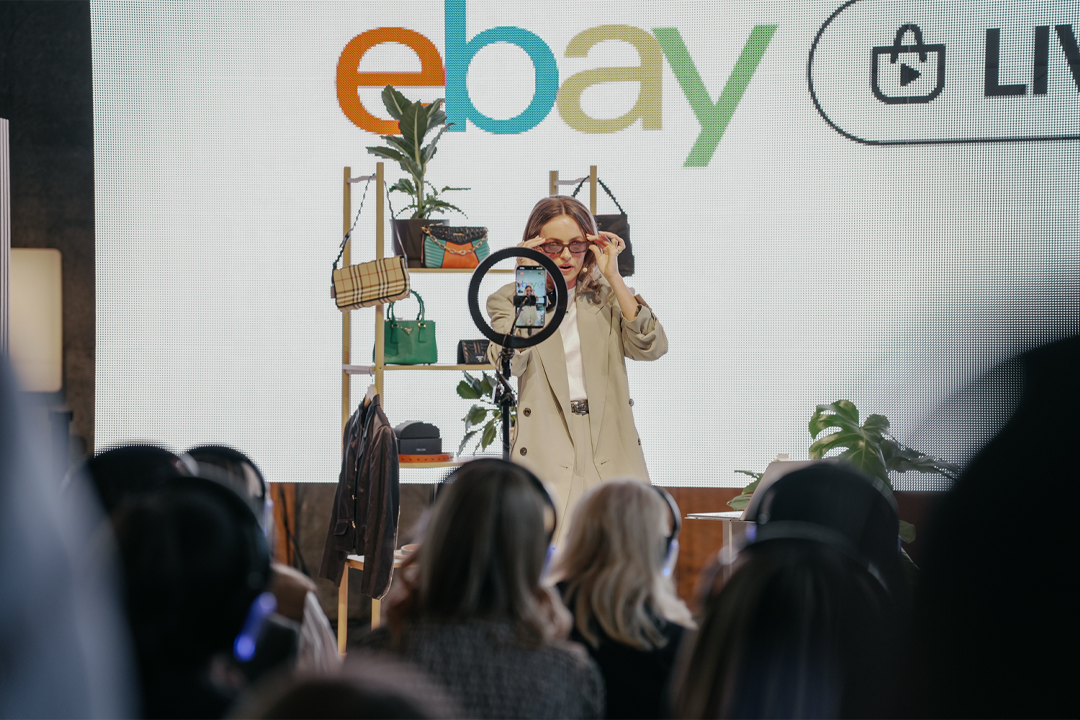
Still, the next generation of fashion insiders are more aware than ever. This year’s Visa Young Creators Recycle the Runway grand prize went to Amsterdam-based label Martan, which transforms discarded hotel linens into timeless clothing. Pandora’s CMO appeared on stage alongside ambassador Pamela Anderson to announce carbon footprint labelling on all lab-grown diamonds. Elsewhere, eBay livestreamed a luxury resale auction where Hermès Birkin bags and Louis Vuitton purses started at £1, driving excitement around second-hand fashion.
Above all, sustainability in fashion is ultimately a mindset. Whether it’s shopping second-hand through eBay, Vinted or Depop, visiting charity shops, embracing rental platforms or investing in eco-conscious labels, consumers play an equally important role in shaping a greener wardrobe.
AI as a tool for good
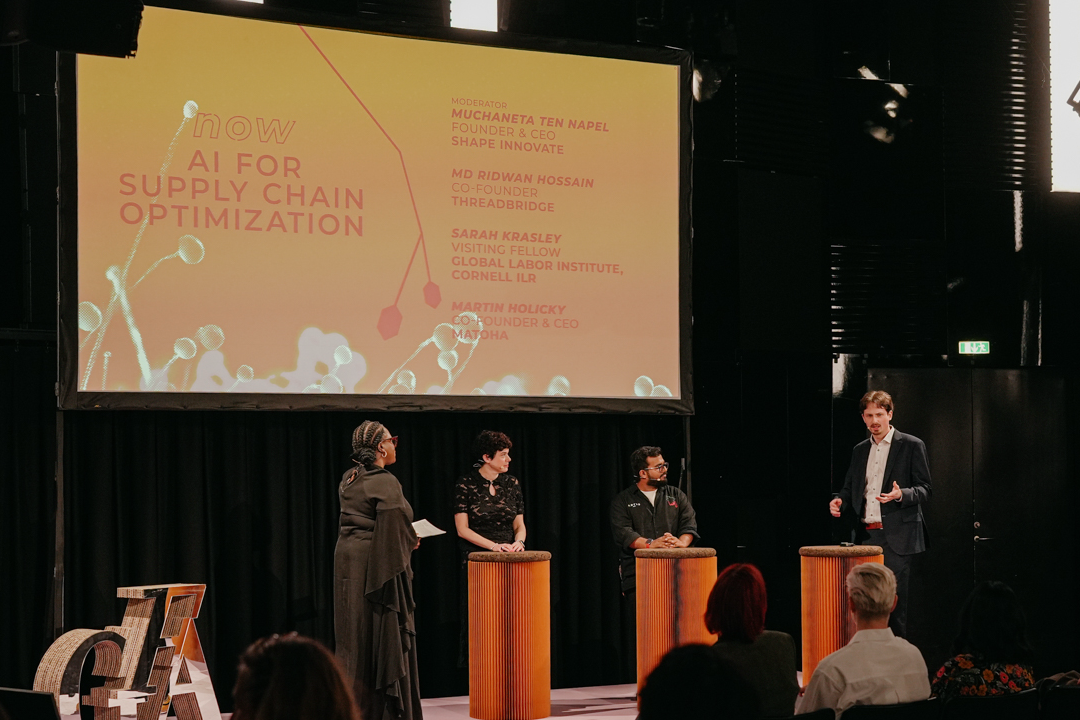
Artificial intelligence dominated discussions throughout the summit – not as a dystopian concept, but as a tool already reshaping supply chains. Brands are using AI to predict risks before they become problems, identify defects, optimise production and improve recycling systems.
A standout example came from Synflux. From circular knitting and dyeing processes to laser-cutting tables and automated sewing systems, manufacturing is becoming increasingly digitised. A recent viral video filmed in Kolkata captured automated sewing in action, proving that this conversation is no longer theoretical.
At the same time, labour implications were impossible to ignore. Fashion supply chains have historically chased the cheapest labour markets, and as automation accelerates, questions around workforce displacement become increasingly urgent. The summit did not frame AI as a replacement for people, but as a tool where human knowledge still guides machines.
AI also emerged as a major force in textile recycling. One of the biggest barriers to recycling garments is that fibres often cannot be processed together. New AI-powered sorting systems equipped with sensors, cameras and digital product passports are helping identify fabric compositions and determine how garments can be recycled more efficiently. Companies such as Matoha are already using these systems to improve material traceability and recycling innovation.
Community is power
Beyond technology, the summit repeatedly returned to the social dimensions of fashion. Some speakers linked overconsumption directly to mental health, social media pressure and anxiety-driven purchasing habits. The industry is beginning to question not only how products are made, but why consumers feel compelled to buy so much in the first place.
Resale platforms featured heavily in these discussions. eBay framed second-hand shopping not as sacrifice, but as a combination of sustainability, affordability and self-expression. “Good for the wallet and good for the planet,” Renee Morin, eBay’s chief sustainability officer, told me.
What stood out most was the emphasis on community. Several speakers reflected on the importance of reintroducing emotional connection into fashion at a time dominated by fast scrolling and algorithmic shopping. Luxury brands also discussed how sustainability is reshaping ideas of craftsmanship and quality. Mulberry spoke about its focus on climate, community and circularity through British-made leather goods and regenerative farming practices.
Lab grown diamonds are a girl’s best friend

Another major theme was the rise of lab-grown materials, particularly diamonds. Pandora and Pamela Anderson presented lab-grown diamonds as an example of sustainability becoming both desirable and accessible. Pandora shared how it uses 100 per cent renewable energy when crafting diamonds, each set in recycled silver or gold.
Speaking at the summit, Anderson said: “They’re diamonds, they’re the same, and I love that.” Conversations around jewellery moved beyond status and toward storytelling, ethics and identity.
Circularity is central

If AI represented the future of efficiency, circularity represented the summit’s biggest systems challenge. Panel after panel reinforced the overwhelming scale of textile waste, particularly in countries such as Ghana and India that receive huge volumes of discarded clothing. Europe alone generates around 16 kilograms of textile waste per person each year, a statistic that Justin Pariag, the GFA’s chief sustainability officer, encouraged me to visualise as a fully packed holiday suitcase.
Brands including H&M and LVMH discussed efforts to integrate recycled materials, repair infrastructure and reuse systems into their operations. Yet the economics remain deeply difficult. Recyclers are often losing money, second-hand demand cannot absorb existing supply, and virgin materials still remain cheaper than recycled alternatives.
Still, designers are increasingly reframing upcycling as innovation rather than compromise. Kevin Germanier even staged an impromptu catwalk show featuring pieces made entirely from deadstock materials such as balloons and plastic bags, proving circularity can still feel luxurious and culturally relevant.
Collaboration as innovation
Perhaps the strongest message throughout the summit was that no single company, government or technology can solve fashion’s sustainability challenges alone. The future of fashion will depend on collaboration between brands, recyclers, manufacturers, policymakers, financial institutions and consumers alike.
There was realism throughout the summit – an acknowledgement that sustainability still has a long way to go. But there was also momentum. Fashion is beginning to move beyond treating sustainability as marketing and toward understanding it as resilience: resilience against climate risk, resource scarcity, supply chain disruption and changing consumer expectations.
I left Copenhagen feeling that the future of fashion will not be defined by one single innovation, but by whether the industry can redesign entire systems – economically, technologically and culturally – to make sustainability scalable, desirable and lasting.
Read more: From fast fashion to ‘conscious style’ – can we break the cycle of overconsumption?