
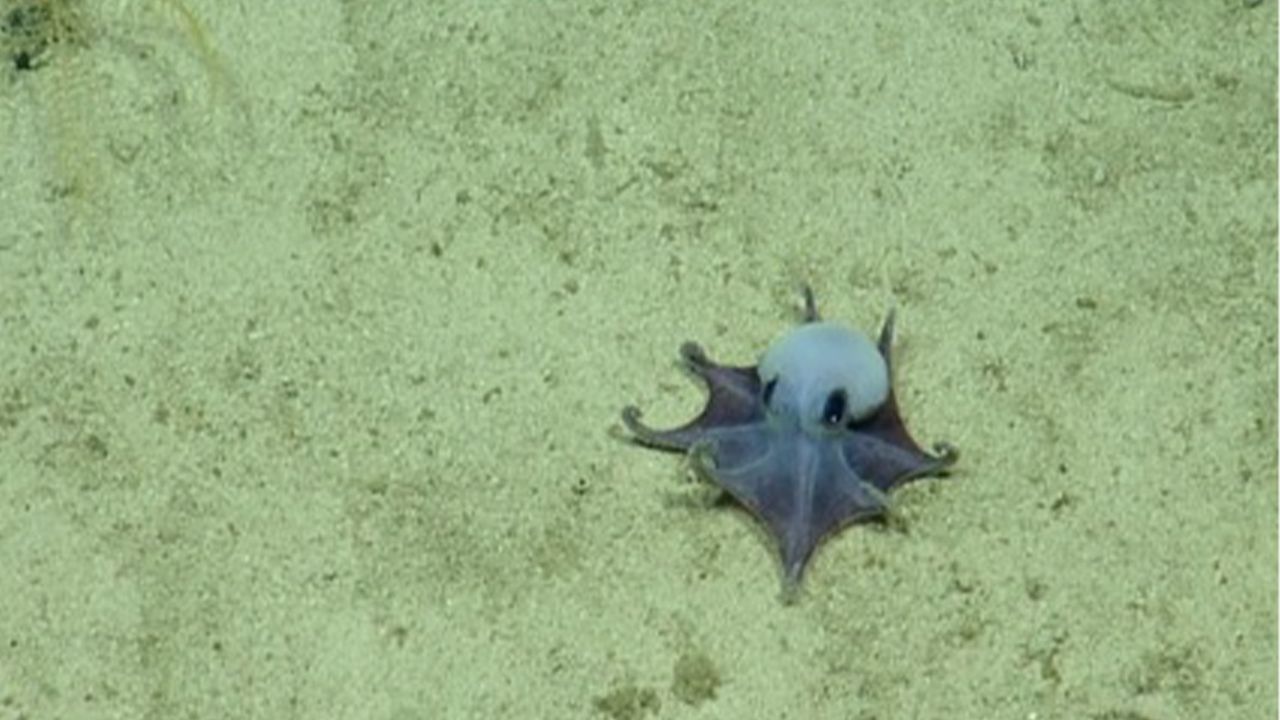
Pictures of a quirky octopus discovered by researchers diving at the Galápagos Islands (Ecuador) in 2015 have finally appeared online over 10 years after the expedition, with the species still baffling scientists after all these years.
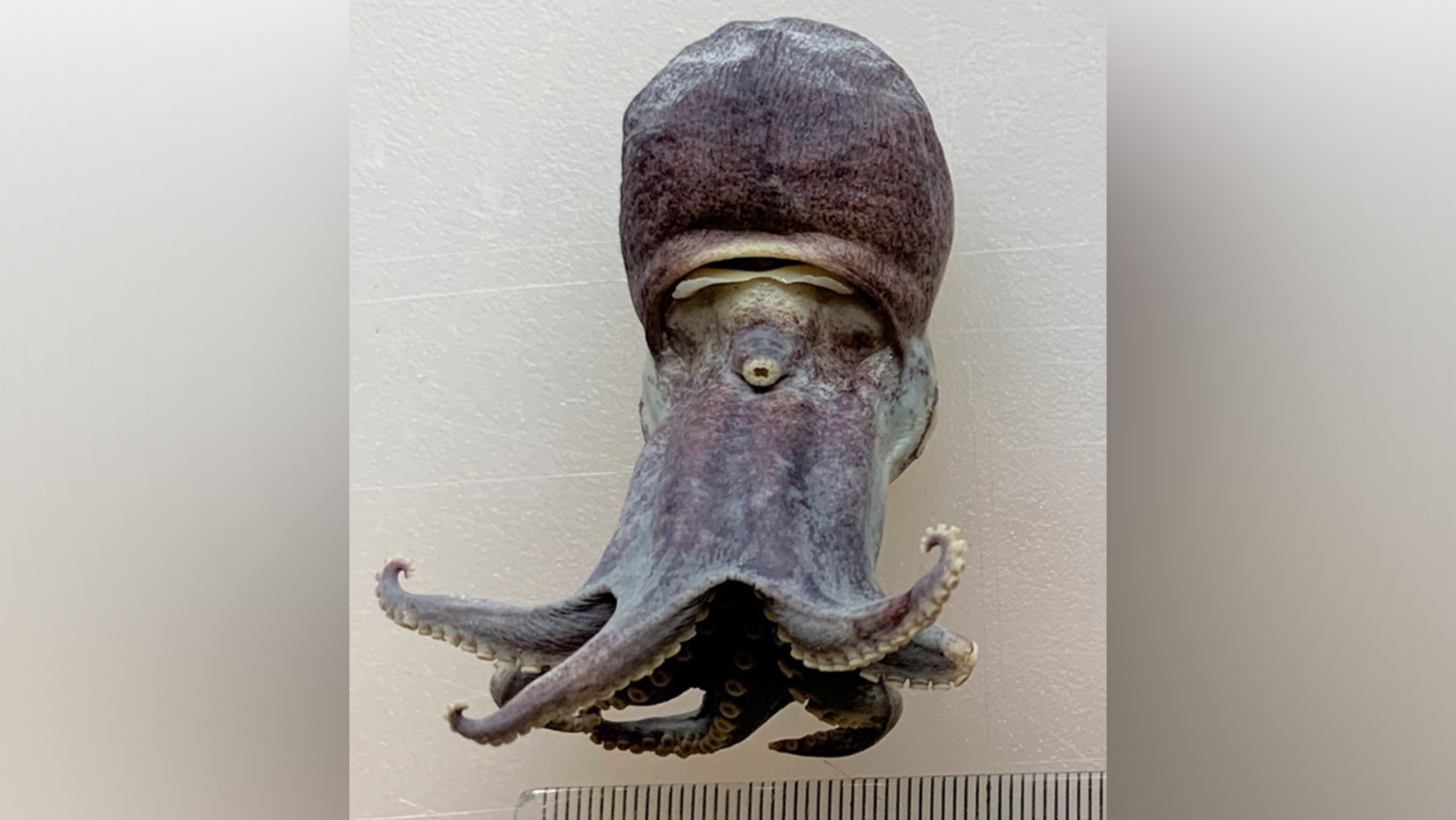
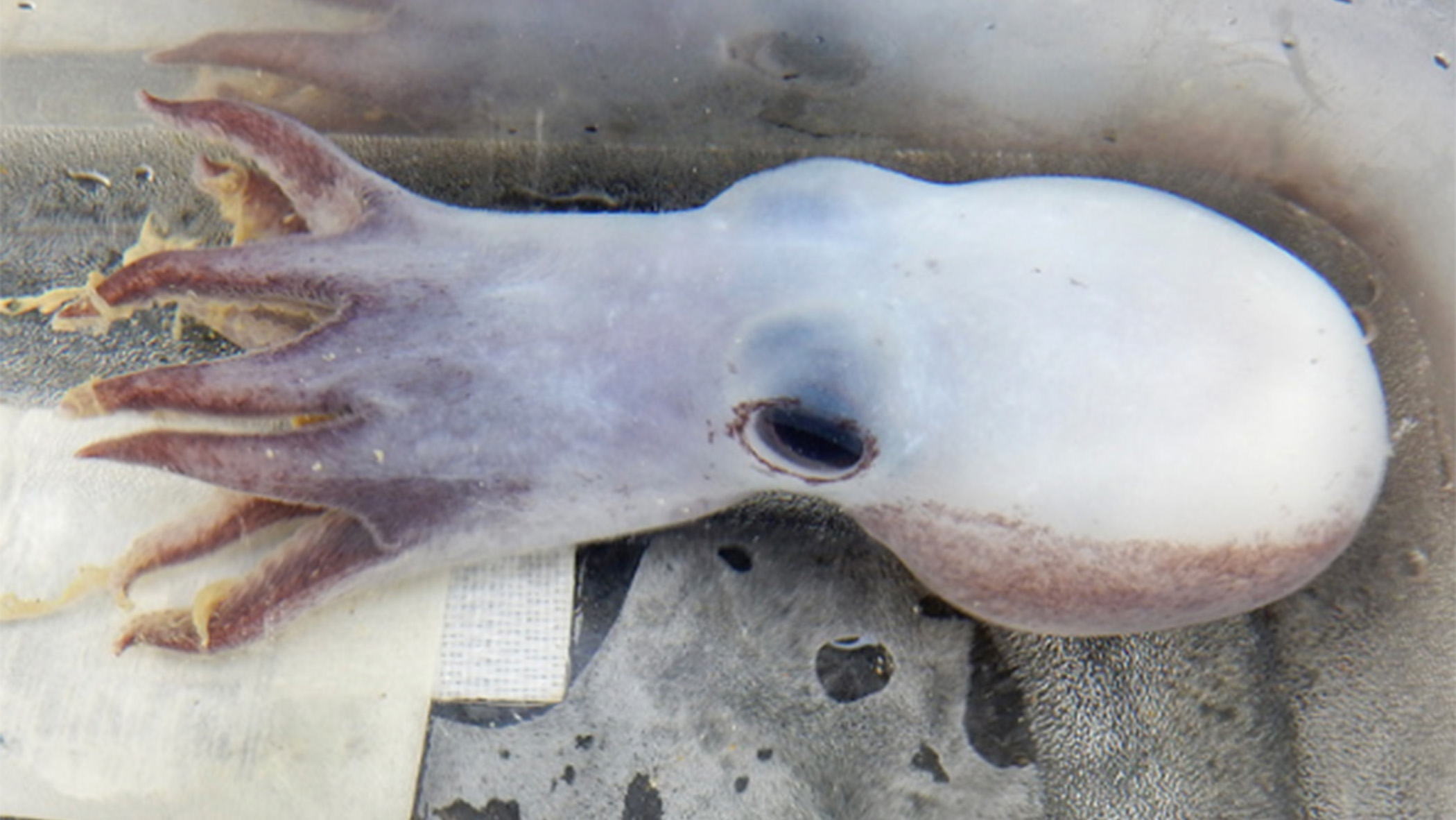
While the mysterious tentacled creature has been named Microeledone galapagensis, microeledones being small octopuses with a single row of suckers and no ink sac, researchers are still unsure as to how exactly it fits into the octopus family tree and why it was even in Galápagos waters in the first place.
In 2015, a combined team from the Field Museum of Natural History (Chicago), the Charles Darwin Foundation (Ecuador), and the University of Bonn (Germany) were carrying out an analysis of the “virtually unstudied” deep-sea ecosystems around the Galápagos Marine Reserve – an ecologically rich area most notably studied by Charles Darwin, the famous British biologist behind the Theory of Evolution.
While operating a deep-sea robot, the team discovered Microeledone galapagensis about 25km / 15 miles northwest of Darwin Island, 1,773m / 1.1 miles below the waves, resting on the volcanic seafloor. After collecting the octopus with the robot’s suction device, the specimen was later studied via CT scanning, which enabled less destructive analysis.
Before the discovery, scientists believed that the octopus family Megaleledonidae (of which Microeledone belongs) mainly lived in the cold Southern Ocean near Antarctica and tended to be large-bodied.
However, Microeledone galapagensis has thrown this into question, as the species is very small, and was found in extremely deep tropical Pacific waters near the equator. Researchers now believe that the Megaleledonidae family is likely much more widely spread throughout the planet’s oceans than previously thought.
On the same dive, the research team also spotted two more individuals nearby, with a fourth Microeledone galapagensis sighted on a seamount roughly 60km / 37 miles away from the original discovery site, suggesting in the published report that the species may actually be established in the deep Galápagos region rather than being a single isolated animal.
You might also like
Underwater camera footage reveals hiding spot of critically endangered monk seals that disappeared from beaches.







.png?w=600)