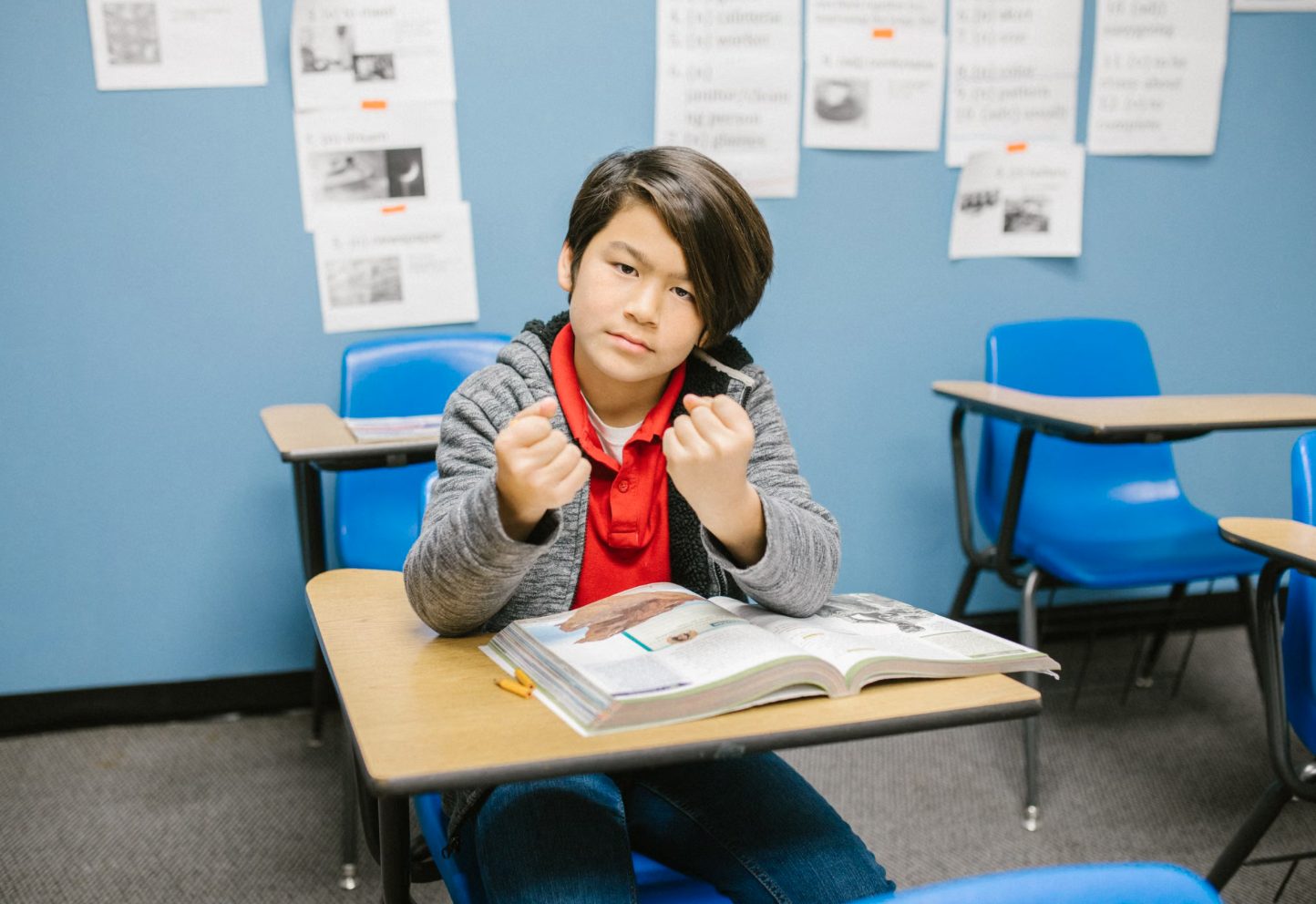
Every school has students who seem to receive more warnings, more hallway conversations, or more skeptical looks than their classmates. Sometimes it happens after repeated behavioral challenges, but other times it begins with a single difficult year or a misunderstanding that quietly follows a child from classroom to classroom. While no school officially labels a student as “unteachable,” many educators and parents acknowledge that informal reputations can shape expectations long before a report card does. Those early impressions matter because research shows that teacher expectations and disciplinary patterns can influence student confidence, classroom participation, and long-term academic success.
How the “Unteachable” Label Can Quietly Take Hold
The unteachable label rarely appears in official records, yet it can develop through informal conversations, cumulative behavior notes, or assumptions shared among staff members. A student who frequently interrupts class, struggles with emotional regulation, or falls behind academically may gradually become viewed through a negative lens instead of a supportive one. Once expectations change, even positive behavior may receive less recognition than similar actions from classmates. Educational researchers have long warned that expectations can influence student performance through what psychologists call the “Pygmalion Effect,” where higher expectations often lead to stronger outcomes. That does not mean teachers intentionally give up on students, but it highlights how powerful first impressions can become.
Behavior Is Often a Signal, Not the Whole Story
Many challenging behaviors have underlying causes that are easy to overlook during a busy school day. Anxiety, learning disabilities, ADHD, trauma, family stress, or sleep problems can all affect how a child behaves in class without being immediately obvious. A student who appears defiant may actually be overwhelmed by work they cannot yet understand or embarrassed about reading aloud. Research on exclusionary discipline continues to show that removing students from learning environments rarely addresses those root causes and may actually worsen academic outcomes. The most effective schools increasingly focus on identifying why behaviors occur before deciding how to respond.
Small Decisions Can Create Lasting Consequences
Being sent out of class occasionally may seem minor, but repeated exclusions can slowly disconnect students from learning and their peers. Recent education research has drawn attention to informal classroom removals that often go undocumented, making them difficult for schools to monitor or address fairly. Students who miss instruction repeatedly can develop larger academic gaps, leading to even more frustration and behavior challenges. This cycle can leave families feeling as though their child has already been judged before receiving meaningful support. Breaking that pattern requires schools to recognize when discipline begins replacing intervention.
What Effective Schools Are Doing Differently
Many schools are moving toward restorative practices, Positive Behavioral Interventions and Supports (PBIS), and stronger social-emotional learning programs. These approaches encourage educators to understand the reason behind behavior while maintaining clear expectations and classroom safety. Teachers still hold students accountable, but they also create opportunities to rebuild trust and teach replacement skills instead of relying solely on punishment. Studies have found that schools implementing evidence-based alternatives often reduce suspensions while improving school climate and student engagement. Success depends on consistent training, adequate staffing, and collaboration between teachers, counselors, and families.
Parents and Teachers Share the Same Goal
Most teachers enter education because they genuinely want students to succeed, and most parents simply want their children to feel safe, respected, and capable of learning. Open communication can prevent misunderstandings before they become lasting reputations. Parents who ask specific questions about classroom challenges, learning needs, and available support services often build stronger partnerships with educators. Likewise, teachers who share strengths alongside concerns help families see a more complete picture of their child. When everyone works from the assumption that growth is possible, students benefit the most.
The Bigger Lesson We Should Remember
No child should be defined by their hardest semester, toughest behavior, or worst day at school. The unteachable label becomes dangerous when it limits opportunities instead of encouraging solutions. Every student deserves adults who remain curious enough to ask what is driving the behavior rather than assuming they already know the answer. Building supportive classrooms does not mean lowering expectations—it means providing the right tools for students to meet them. If we want schools to help every child succeed, we must ensure that labels never become louder than potential.
Have you seen a student overcome unfair expectations, or do you believe schools need better ways to support struggling children? Share your thoughts in the comments and join the conversation.
What to Read Next
Illinois Parents Say School Behavior Policies Are Disproportionately Impacting Autistic Kids
SUN Bucks 2026: How Families of Special Needs Students Can Claim Summer EBT Grocery Benefits
New York Parents Warn About Rising Transportation Issues for Special Needs Students
The post The “Unteachable” Label: How Some Students Are Quietly Flagged appeared first on Kids Ain't Cheap.