From Gucci vs Guggl to Ferrari vs Wee Power, legal disputes over brand names and logo designs are often billed as David vs Goliath battles, but they tend to blow over. A corporate giant might get dubbed petty getting litigious against a smaller business, but that doesn't tend to turn customers against it on a large scale. Patagonia vs Pattie Gonia hits differently, and it's turning into every brand's worst nightmare.
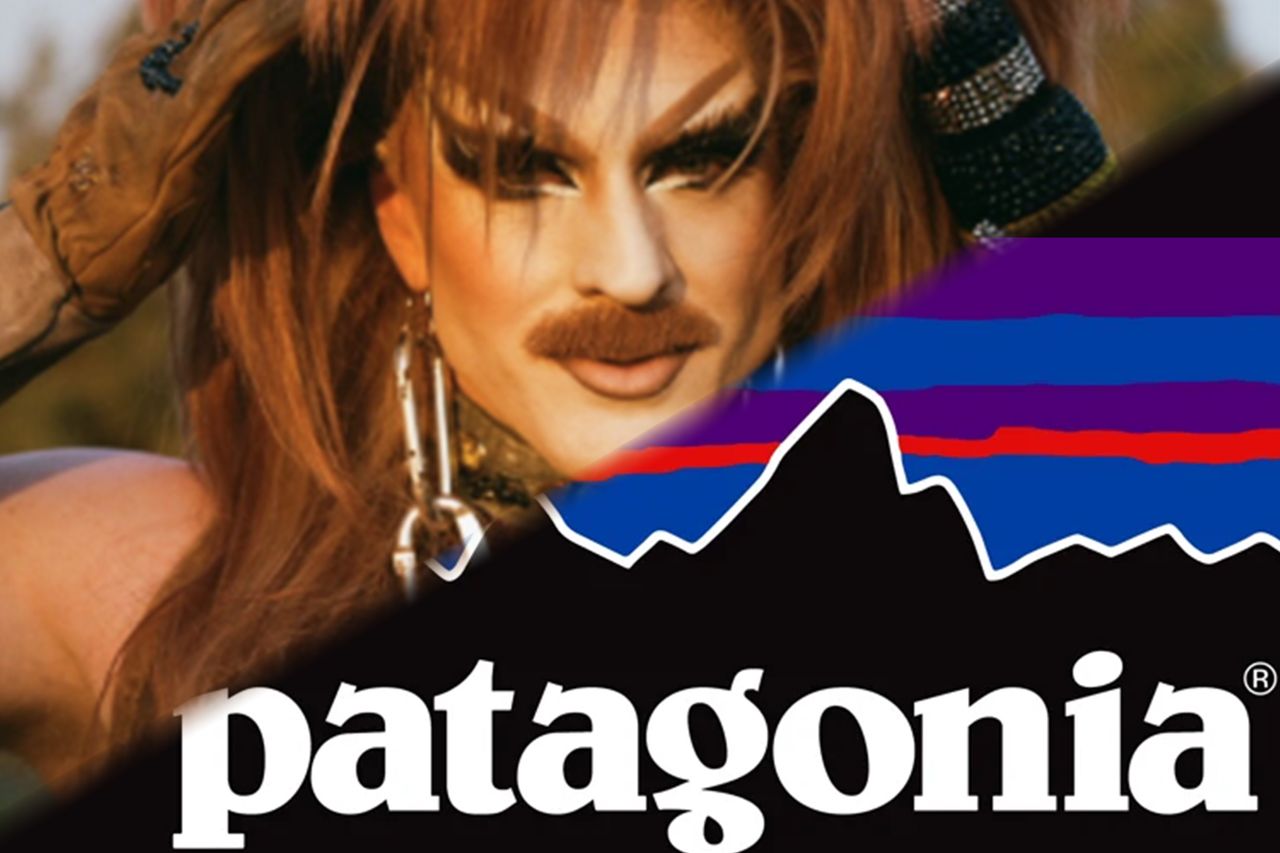
If you've not heard the news, Patagonia, the clothing company, is suing a climate activist drag queen called Wyn Wiley, who performs under the name Pattie Gonia. It's alleging trademark infringement after Wynn's company, Entrepreneur Enterprises, filed an application to use the Pattie Gonia name, including on clothing, with a logotype that apparently uses similar typography to the Patagonia logo.
It would normally be seen as a natural response for a brand to contest the application, but for Patagonia, it's not clear whether the parodic brand or the subsequent lawsuit could cause it the most damage.
A post shared by Patagonia (@patagonia)
A photo posted by on
Patagonia is an unusual brand, and I'd argue that it's one of the most successful in the world. It's succeeded in presenting itself as having deep, solid values – real values, not just words listed in a brand manual.
In 2022, founder Yvon Chouinard gave the company to a trust intended to dedicate all profits to environmental initiatives. The planet would be the only shareholder, he announced. The company already had a long history of environmentalism, supporting the creation of vast nature reserves in Argentina, where I live.
When some brands take a stance on social issues, it feels like they're trying cash in on a trend, but Patagonia's activism, including its criticism of Donald Trump's administration in the US, is so constant that it genuinely seems not to care if it loses customers as a result. In fact, it sometimes seems it wants to. It's turned down corporate clients in sectors like oil and finance and stopped adding secondary brand logos to its products, apparently keen to revert to a situation where its clothing gets worn more by people who care about nature than by people who want to destroy it to build AI data centres.
The result is that when you buy a jacket or a sweater from Patagonia, it doesn't feel like an act of conspicuous consumption. It feels practically like you're making a donation to charity and getting a well-designed product thrown in as a reward.
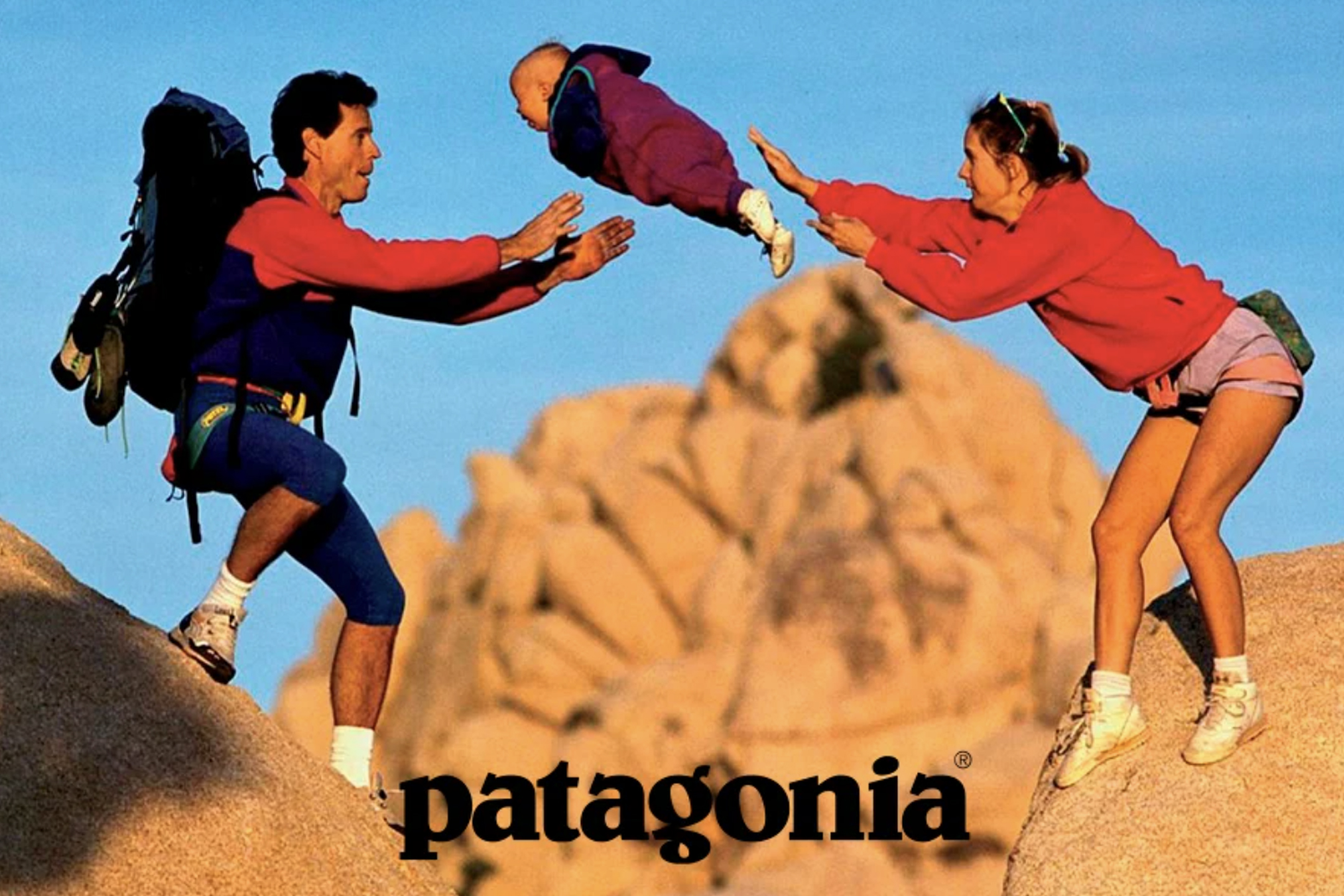
There are moments when the veneer cracks, of course. A tension with business realities emerges when the huge marketing machine becomes visible. For a company that's anti-fashion and says it wants people to buy fewer products, Patagonia sends me an awful lot of emails suggesting I renew my wardrobe with the current season's colours. It's also hard not to wonder how much more money could go to environmental work if it didn't pay for so many ads showing me products I've already bought.
But with its generally untarnished image of brand sainthood, it understandably feels disappointing when Patagonia behaves like a big business. That's why the legal dispute with Pattie Gonia is so potentially damaging.
A post shared by Pattie Gonia (@pattiegonia)
A photo posted by on
Wyn, who has almost 2 million followers on Instagram, supports similar causes to Patagonia. Last year, they raised $1m for non profits while hiking in drag from Point Reyes national seashore to San Francisco.
Their audience will include many potential Patagonia customers, and a lot of them are supportive. Even Greenpeace commented on the Instagram video above, writing: “Speaking out is scary but we have to fight: nobody should be punished just for defending the planet!”
Suddenly, the world's wokest brand is being presented as a greedy and humourless corporate bully that's trying to silence an LGBTQ+ environmental activist – and the story's exploded just as Pride Month gets underway.
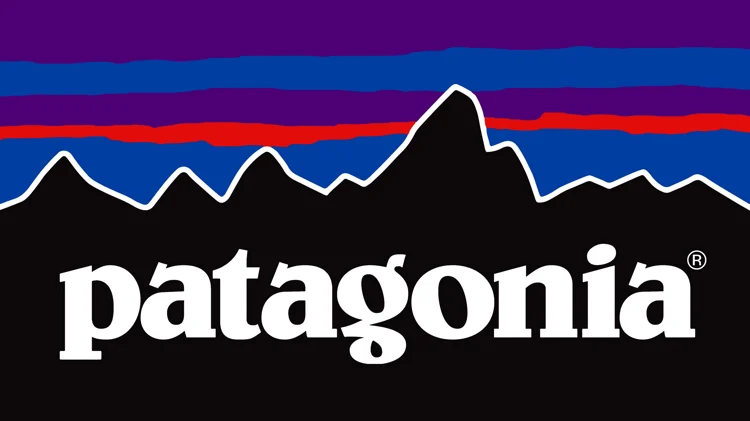
Many are pointing out that Patagonia is a US company that took its name from a geographic region spanning southern Argentina and Chile. Its logo design puts what's presumably a modified version of the Belwe Bold typeface over an outline of Argentina's Mount Fitz Roy and surrounding peaks near El Chaltén.
A post shared by Pattie Gonia (@pattiegonia)
A photo posted by on
Patagonia filed its trademark infringement lawsuit to federal court in Los Angeles back on 21 January after Wyn's Enterpreneur Enterprises filed an application with the USPTO in September that Patagonia claims would “irreparably harm” its brand.
It's seeking a “nominal” $1 in damages, although legal fees would make an attempt to contest the case potentially very expensive for Wyn.
In a statement on Instagram, the company said it would prefer to resolve the issue outside of court, and it clarified its demands. It's asking Enterpreneur Enterprises to withdraw all trademark applications, stop using its logos and stop selling and promoting apparel and other products as Pattie Gonia.
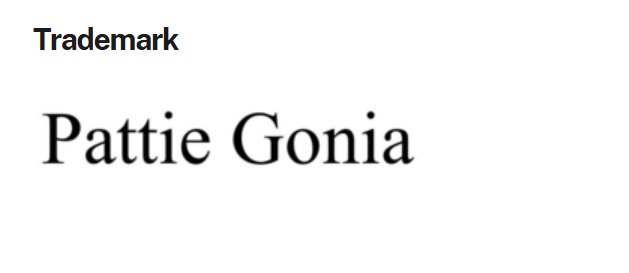
For their part, Wyn has accepted that the Pattie Gonia name was a “playful parody” of Patagonia but denied directly using its branding. In their video on Instagram, they shared a letter sent to Patagonia’s board of directors asking it to drop the legal action.
“This is a betrayal of Patagonia’s core mission. Because if they’re ‘in business to save the home planet’, why are they suing a climate activist?” Wyn said.
The problem, though, is that brands can't really choose who they seek to protect their trademark lawsuits against. They have to uphold their brand irrespective of the identity of the perceived infringer, otherwise it would opens the door for others. If the case advances to court, it could be an ugly mark on the brand's name, and yet it doesn't seem to have any clear alternative.