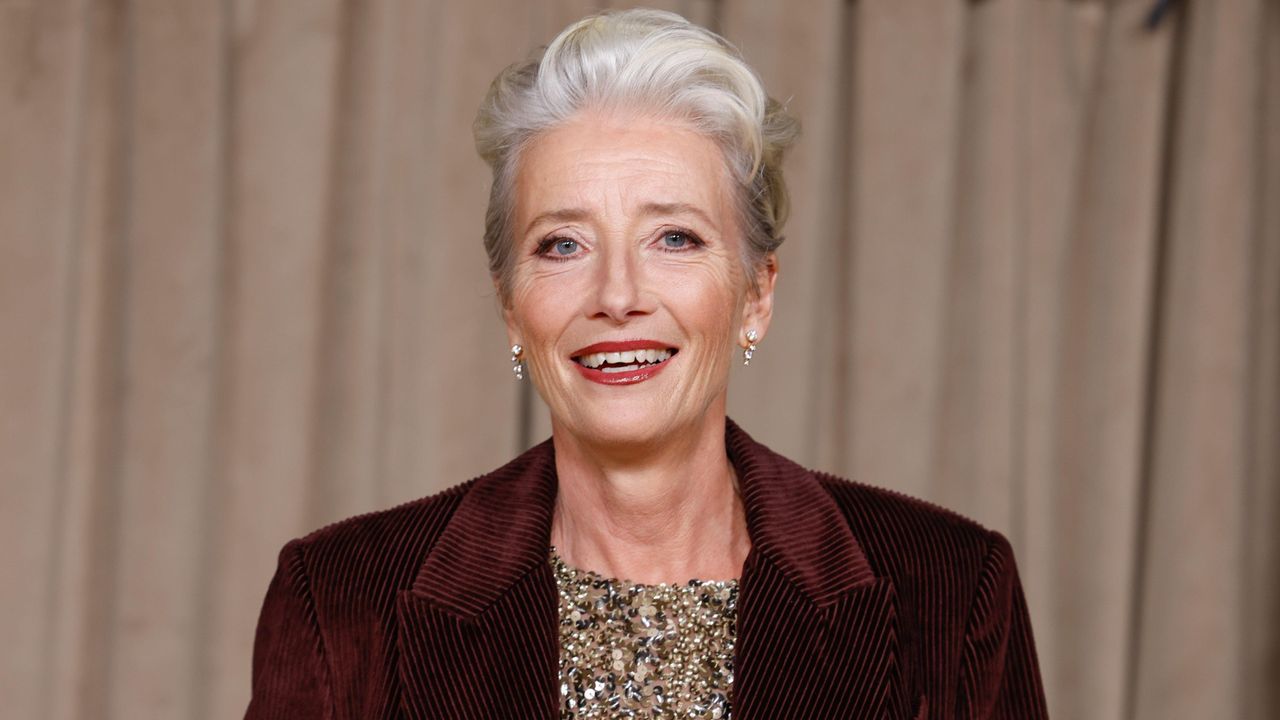
A new study looking at the film industry’s portrayal of women has caught the attention of Dame Emma Thompson - and she’s got something to say about it.
The surprising new study led by The Age Without Limits paints a bleak picture for representation - just five of the 100 highest-grossing films of the past three years starred women over 60. Perhaps even more alarming - a film is four times more likely to have a talking animal as the lead character than an older woman.
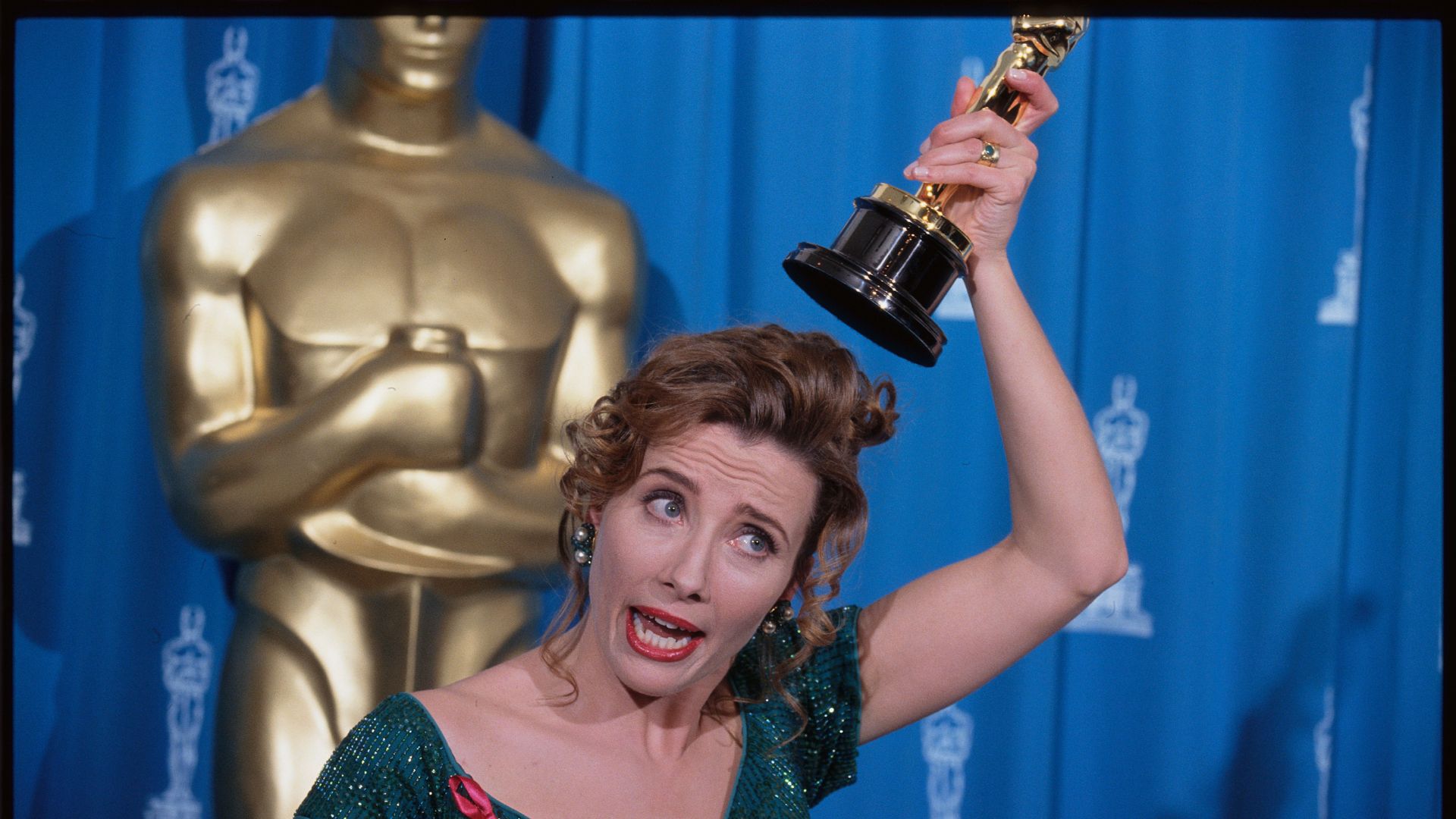
Understandably, Oscar winning Dame Emma has responded, urging filmmakers to “catch up” and insisting that age only brings more richness.
In a statement, she said, “Women are half the population and we get older. So where are the stories about us? The older we get, the more interesting we are.”
“I want to see more films centre ageing women. We are compelling, relatable and overdue for centre stage. Older women don’t need permission to exist on screen. They already exist in the world - cinema just needs to catch up.”
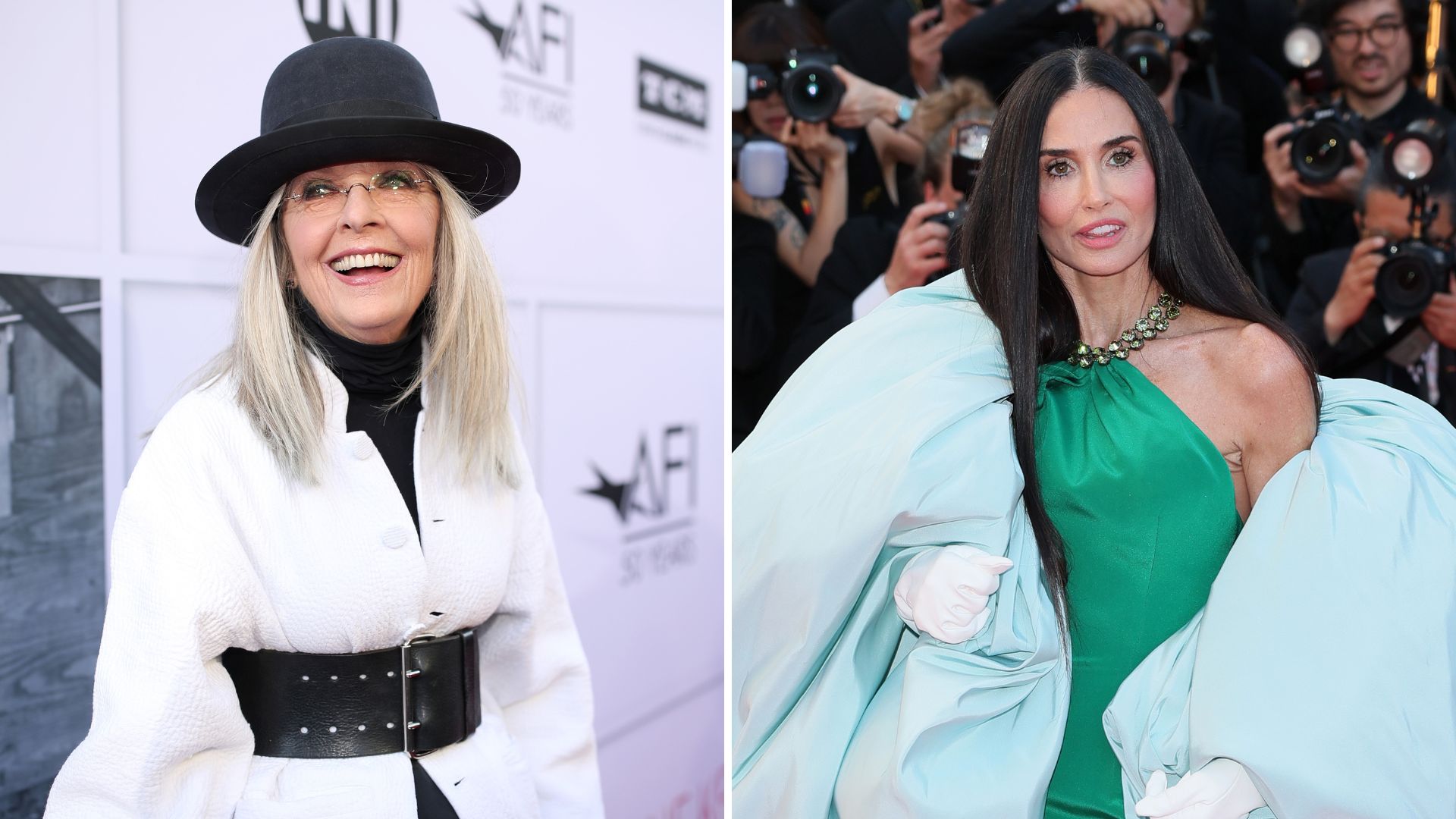
The only films to crack the top 100 over the past three years included three sequels, My Big Fat Greek Wedding 3 with Nia Vardalos, Book Club: The Next Chapter with the late Diane Keaton and Freakier Friday with Jamie Lee Curtis.
Of the five films to feature an older woman as its lead, the other two completing the list were Demi Moore’s body horror The Substance and Allelujah starring Jennifer Saunders.
The chief executive for The Centre for Ageing Better also released a statement following the study. Dr Carol Easton OBE called the findings "absolutely ludicrous".
She said, "Up to one in five UK cinema attendees are aged 55 and above, this age group spends hundreds of millions of pounds every year on cinema. The representation of older actors in major film roles is so disproportionate to the proportion of older women in the cinema-going audience, the lack of representation is insulting, frankly.
“Sadly, it is not just in cinema where this happens. In many forms of media, in many different employment sectors and parts of public life, the input of older women is minimised, marginalised and ignored.
"We must all push back against ageism, and its intersection with sexism, by telling the cultural gatekeepers that we want all aspects and stages of life represented in the things we watch, listen to and read."
.png?w=600)