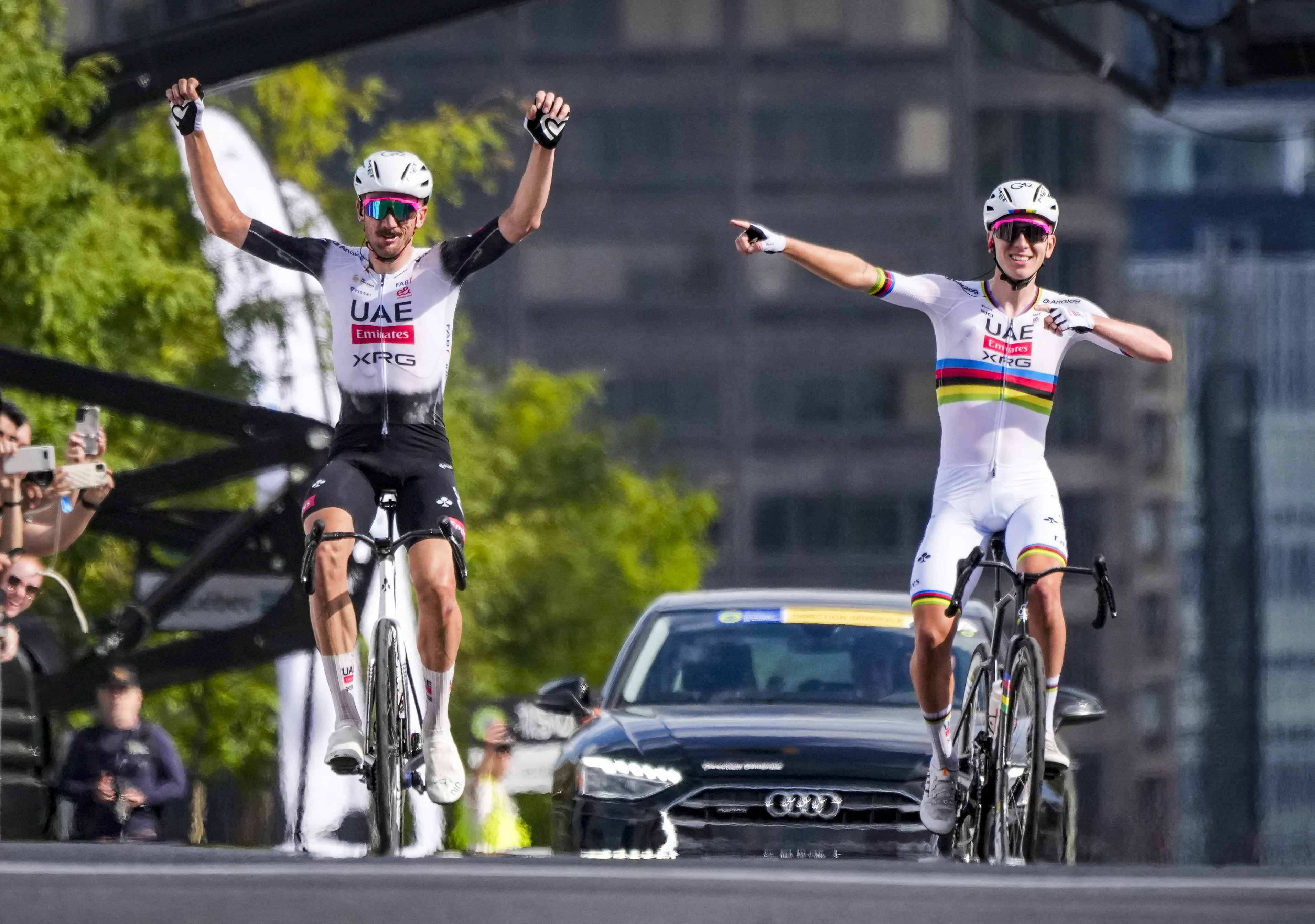
When Brandon McNulty crossed the line alongside Tadej Pogačar at last year's Grand Prix Cycliste de Montréal, in Canada, it was another reminder of his place among cycling's very best riders. The American has long been one of Pogačar's most trusted lieutenants at UAE Team Emirates-XRG, helping shred the peloton on climbs such as the Col de Val Louron at the 2022 Tour de France.
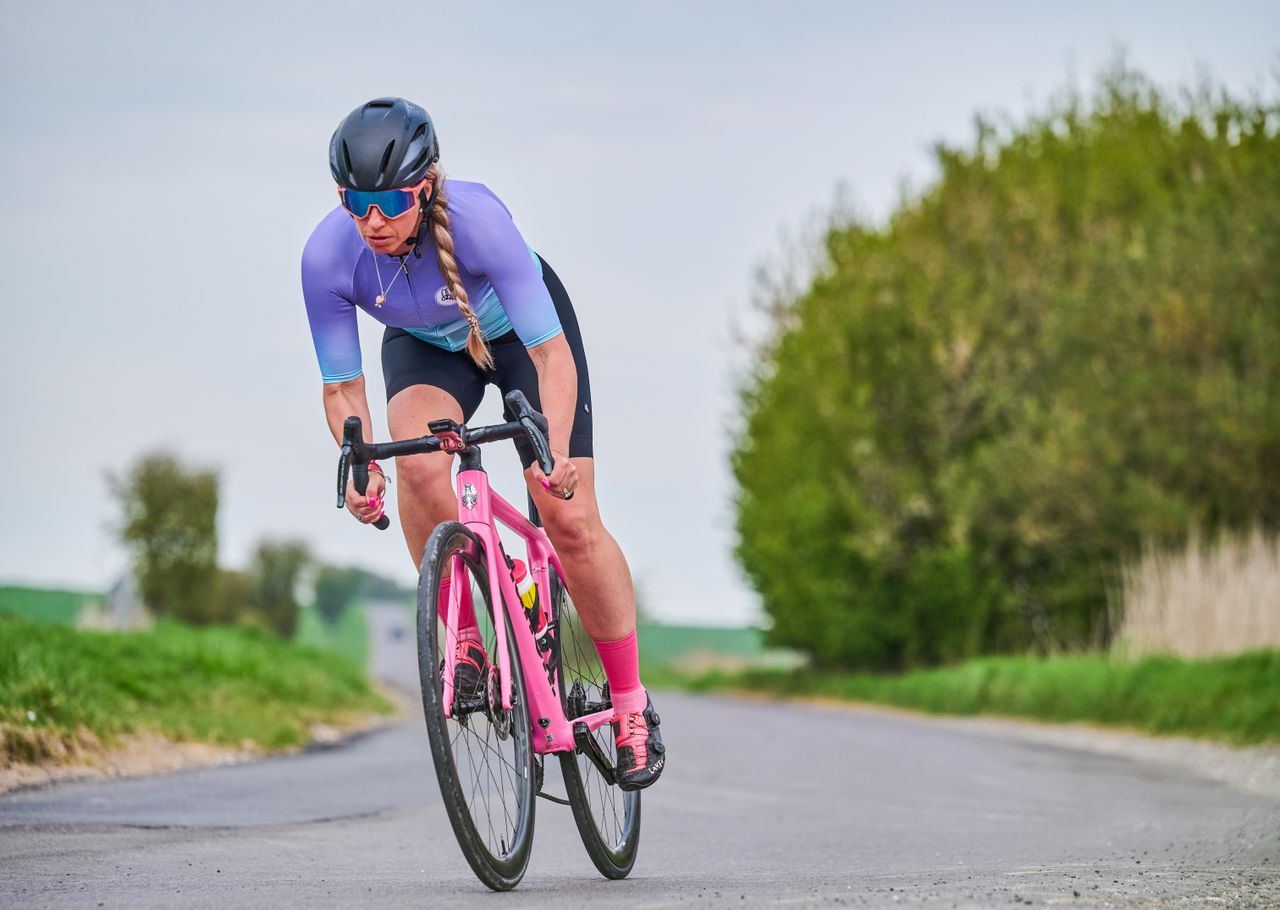
Yet, McNulty stands apart from many of his peers in one surprising way: he trains far less than most pros, typically riding just 15 to 16 hours a week around his home in Arizona. The 27-year-old is part of a growing group of elite and professional cyclists who follow a low-volume training plan. "Low volume" is, in this context, a relative term: we're talking about less than 20 hours per week for professionals, and less than 10 hours per week for amateurs.
Since the pioneering work of athletics coach Arthur Lydiard in the 1950s, "more is better" has been the accepted wisdom in endurance sports. Olympic swimmers would rack up 35 hours per week, elite runners upwards of 100 miles a week, and professional triathletes trained hours equivalent to those of a full-time job.
"If you ask most people, 'How many hours do professionals do?', they'll give you a number like 30 hours a week," says McNulty's teammate Jay Vine. "But that's not even close. There are a lot more efforts involved, but a lot fewer hours at sub-endurance." The Australian explains that he is training considerably less now than he did as a neo-pro on Alpecin-Fenix.
High-volume endurance training works, up to a certain point. For many athletes, that point is injury or burnout. For others, it's mental limitations that set in before physical ones. Boredom, anxiety, or disordered eating have ruined athletes who push themselves too far.
Ryan O'Boyle, an elite cyclist from the US, switched to low-volume for greater life balance. "I used to train 20 to 24 hours a week, but being married and working a full-time career takes its toll physically and mentally."
O'Boyle notes that training less was traditionally seen as lazy or weak, but has in recent years become acceptable. The shift came as the old-school 'hardmen' of cycling, those putting in 30-40 hour weeks, saw others getting faster on much lower volumes. The 'long, slow distance' model of endurance training wasn't necessarily the best approach.
Those riding less were winning more. They were fresher, faster and punchier. They seemed to have more energy, a spring in their step.
As cycling becomes faster and faster, races get shorter and shorter in duration. That makes mega-aerobic fitness less valuable than before. When the longest Grand Tour stages lasted seven or eight hours, it made sense to build your engine as big as possible. But now, the longest stages are four to five hours, with some stages lasting only two to three hours, at an average of 50kph (31mph).
In 2026, more races will be decided by speed and explosiveness than by ultra endurance. The slogging is over. Professional cycling is no longer about aerobic endurance; it's about race-winning speed.
Some professional cyclists train as little as 10-15 hours per week, even during the base season. They focus on structure, precision, intensity distribution, and recovery (see boxout sample week). Low-volume cyclists focus on quality over quantity. They have identified a tipping point of sorts, the point beyond which increased training volume leads to inferior performance.
For some, the limits are set by life circumstances: work, family, travel, and other adult responsibilities. For others, the limits are self-imposed, learned through experience and failure.
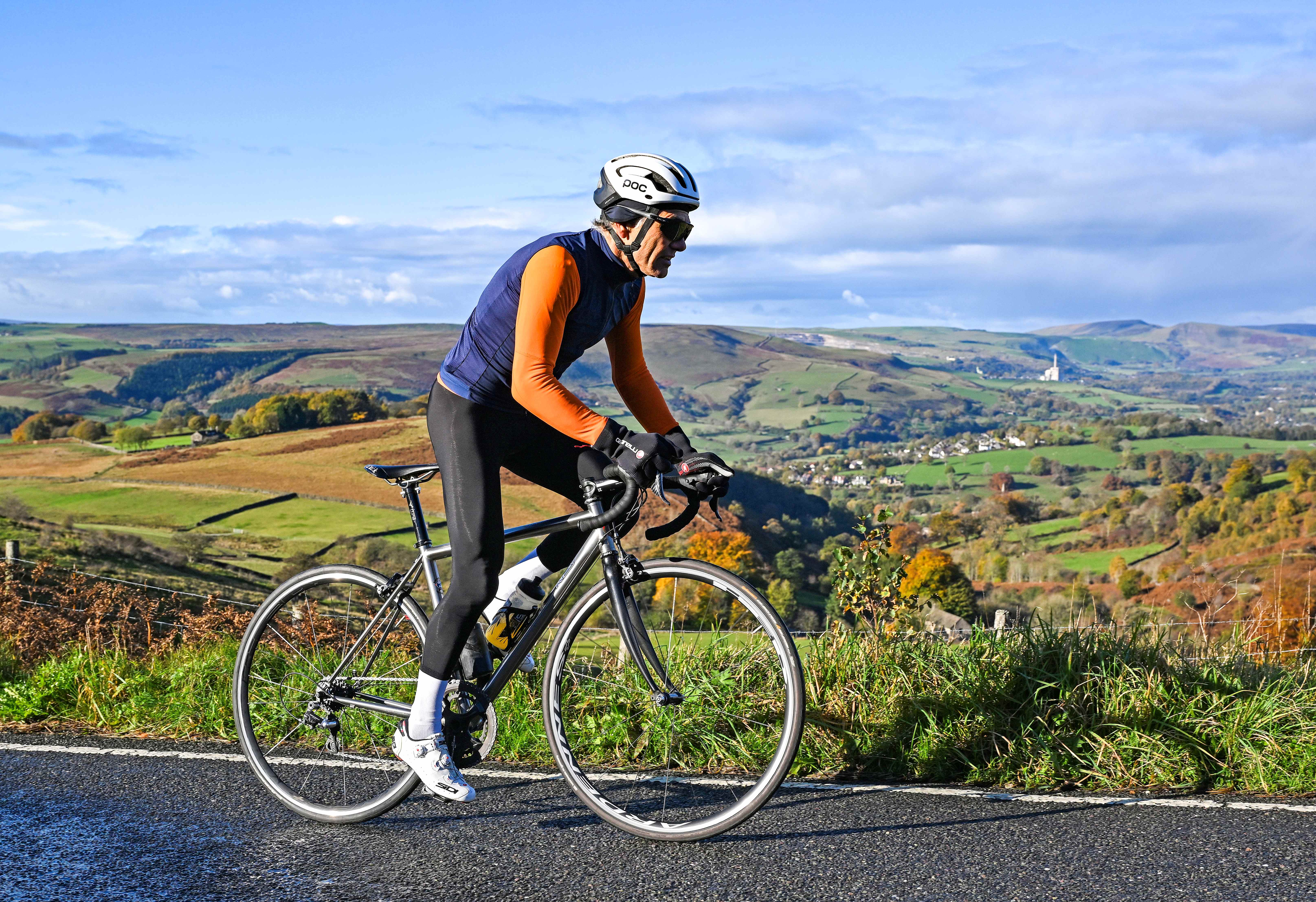
For many riders, a lingering doubt remains: isn't reducing volume taking a risk? Won't it mean that, in the long term, endurance will decline?
Jeroen Swart, head of performance at UAE Team Emirates-XRG, is a strong proponent of low-volume training. "Many professional athletes make the mistake of doing too much training or too little recovery," he says. "One of the biggest things that I introduced to UAE Team Emirates when I joined in late 2018 was increasing the load monitoring and backing off [the hours] of those riders who were doing far too much. And by doing less, performance increased."
The key to maximising performance is consistent, high-quality training. It doesn't matter if you are training five hours a week or 25, if your training quality is low, you will leave watts on the table. We've all heard of "junk miles", a term that applies to unfocused, purposeless pedalling. These rides can be a waste of time, especially for riders on a low-volume training plan. If you're only going to ride for an hour, you want to get the most out of it.
A high-quality session stimulates physiological adaptations similar to those gained from low-intensity, high-volume training - but in less time. Low-volume training doesn't necessarily mean doing a greater number of high-intensity sessions. Most pros still do just two to three high-intensity sessions per week, similar to amateurs; the difference is simply that they add many more endurance hours around them.
Few riders understand this better than Neal Fryett, the 46-year-old elite eSports racer. In between dad duties, the American knocks out savagely hard interval sessions in the lead-up to a goal race. "After 90 minutes of endurance riding, I'll do three sets of 12 times 30/15s with five minutes' rest between sets," he says. "I'll average 500 to 550 watts for the 30-second intervals while sprinting for the first five seconds of each."
Perhaps not surprisingly, Fryett keeps his easy days easy. "I'll target two hard sessions [per week] with the rest of the week being a mix of easy to moderate endurance riding. One day completely off the bike every week, sometimes two if needed. Being an older athlete, I likely need two more recovery days per week than an athlete half my age."
Switching to lower-volume training isn't risk-free. Suddenly doing VO2max intervals every day, with no easy riding, would quickly lead to burnout. Dropping volume too drastically would also backfire. The key is balancing training stimulus with recovery. Most coaches and physiologists agree that two to three high-intensity sessions per week (efforts at Zone 3 or above) is the sweet spot for long-term progress. Beginners should aim for one or two such sessions.
Here is the smart science part, the secret sauce. Interval training has increasingly focused on riding at the highest repeatable intensity within a given zone. In simple terms, that means structuring sessions so you spend more time at the top end of the target effort. Instead of a steady four-hour endurance ride at around 65% of FTP, many pros now break the work into intervals at 70-75%. For example, a session might consist of three 20-minute efforts at 75% FTP. Add in the warm-up, recovery and cool-down, and the ride lasts about two hours instead of four.
Is this time-saving training really superior to the old-school 'long, slow distance' model? It's difficult to say for sure. But we do know that both types of endurance training are effective, and if you only have two hours to train, you need to make that time count.
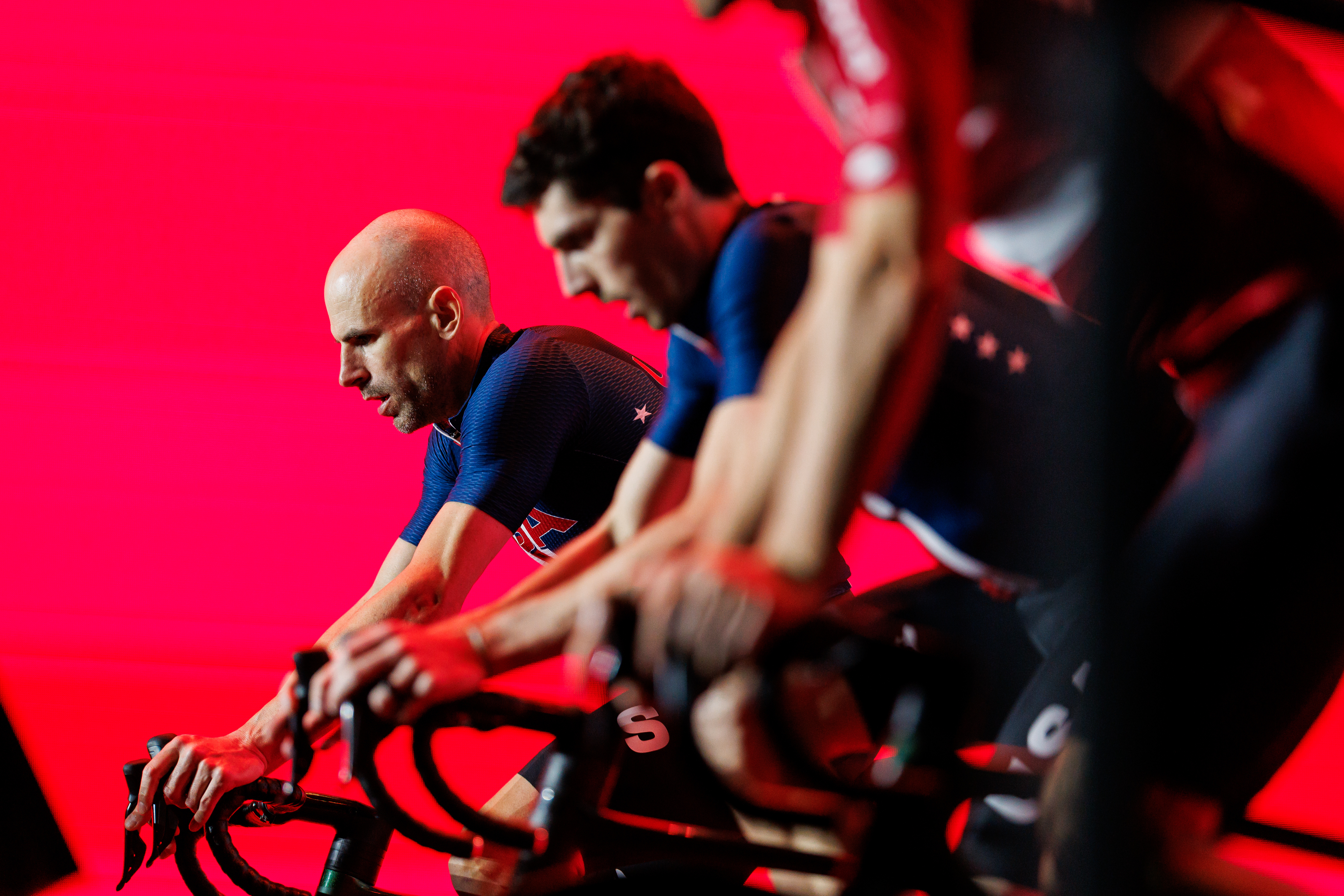
One of the biggest advantages of low-volume training is reducing fatigue, allowing you to start each session in a fresher state. When you're only training eight hours per week, it is fairly easy to build ample recovery hours between your two to three high-intensity sessions of the week.
Then again, training on tired legs is a key component in building fatigue resistance. Professional cyclists rarely arrive at an interval session completely fresh. Instead, they begin their VO2max intervals with significant fatigue in their legs. Hitting PB powers is rarely the aim; more important is adapting to the load to tolerate fatigue.
Of course, not every rider requires a high degree of fatigue resistance. For example, the amateur crit racer who rarely races for longer than 90 minutes at a time, relying on his sprint above his endurance, may get away with as little as five hours of training per week. For these riders, it's more important to focus on repeatable explosive power.
High-volume plan |
Replace with |
|||
Monday |
Rest day, completely off the bike |
0hr |
Rest day, completely off the bike |
0hr |
Tuesday |
Endurance plus 6x15sec sprints |
2hr |
V02max intervals: three sets of 8x 40/20s |
1hr |
Wednesday |
Endurance plus V02max intervals: three sets of 8x 40/20s |
1.5hr |
Recovery Zone 1 |
1hr |
Thursday |
Endurance Zone 2 |
2hr |
Torque intervals: 4x 4min at 50rpm (85-95% FTP) |
1hr |
Friday |
Recovery Zone 1 |
1.5hr |
Recovery Zone 1 |
1hr |
Saturday |
Endurance with threshold intervals, fast group ride, or local race |
2hr |
Threshold intervals, fast group ride, or local race |
1hr |
Sunday |
Endurance Zone 2 |
3hr |
Endurance Zone 2 |
2hr |
Total Time |
12hr |
7hr |
The key point is this: the right volume for you depends on what type of races or events you are targeting. If fatigue resistance is going to be a major factor, you may need to keep your training volume as high as possible.
That said, there are some sneaky ways to improve fatigue resistance by other means. "Durability - that ability to maintain power later in a race- is very much affected by your functional strength on the bike," says Swart. "As you get tired, if you retain the ability to produce torque, you can continue to produce power."
The performance chief explains that in the winter, UAE riders hit the gym three times a week and do "very specific exercises focusing on functional strength". Torque training has been shown to improve fatigue resistance - without spending upwards of five hours on the bike. An hour per week of torque work can make a real difference.
If you're weighing up how much volume you should be doing, first take a long hard look at your current training and lifestyle. Are you optimising everything for performance? Take a close look at your fuelling strategy, recovery protocol, pre-workout routine, and stress levels. Only once you can honestly say that nothing else can be improved should you consider an increase in volume.
Strength work, running, torque training and heat training are great ways to improve performance without needing to find extra hours in your busy schedule.
And remember that recovery should be made time-efficient too. Eat well, relax with your feet up, switch off, have a massage, and ensure you're sleeping well. You won't maximise your performance gains unless the quality of your recovery matches the quality of your sessions.
And the next time you think about increasing your training volume, first ask yourself: Is there some other way I could spend that extra hour that would be even more effective?
FIVE TIPS FOR TIME-CRUNCHED AMATEURS
- Focus on quality in every session
- Stop chasing junk miles; when riding endurance, target 60-75% FTP
- Maintain life balance; don't let cycling take away from family, friends, work, and 'me time'
- Consistency beats hero weeks
- Design your training around your goals