Online travel agent Lastminute.com says that about 17,000 bookings have been impacted by the ongoing conflict in the Middle East, as holidaymakers increasingly pivot towards alternative destinations like the Canary Islands and Sardinia.
The website, which offers packages to popular Gulf destinations including Dubai and Abu Dhabi, said that it is having to “adapt quickly” to changing traveller preferences amid the geopolitical unrest.
The escalation of the US-Israeli war with Iran towards the end of February led to significant disruption and cancellations for flights bound for Gulf states, including the United Arab Emirates, Saudi Arabia, and Qatar.
Airspace closures, combined with a decline in consumer confidence regarding travel to the region, contributed to the substantial number of affected bookings.
Lastminute.com said that the total volume of travel impacted across the region currently equates to about a day and a half of its normal daily operations.
Despite the conflict influencing where and when people choose to book trips, the “overall intent to travel remains high”, according to Lastminute.
Consumers have been seeking reassurance and flexibility, and early booking patters indicate a shift in the preferences of travellers.
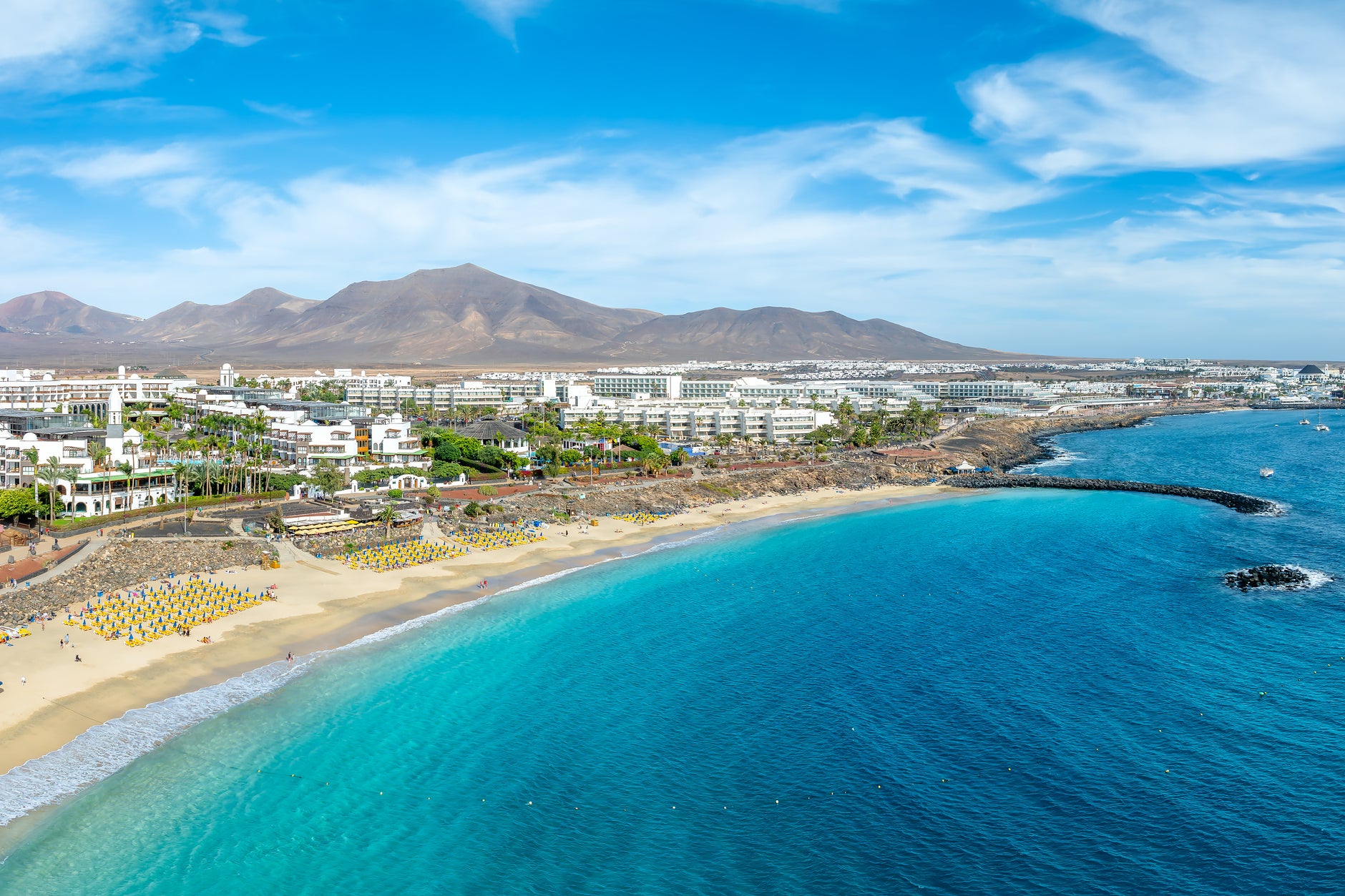
It noted increased demand toward alternative destinations such as Spanish archipelagos the Canary and Balearic Islands, Italian islands Sicily and Sardinia, and other European city breaks.
Lastminute’s chief executive Alessandro Petazzi said: “We continue to closely monitor the evolving situation in the Middle East, with supporting our customers remaining our top priority.
“At the same time, Lastminute.com’s flexible, pan-European model enables us to adapt quickly as travel patterns evolve, with demand naturally rebalancing across destinations.”
The Netherlands-based company reported a 15 per cent jump in revenues to €361 million (£315 million) for the 2025 financial year, compared with the year before.
Adjusted earnings before tax and other costs increased by a third to €55 million (£48 million).
The company said it was remaining “vigilant” against the geopolitical situation in the Middle East, but added that it was sticking to forecasts of a roughly 10 per cent increase in revenues and profits in the year ahead.
Is it safe to travel to Turkey? Foreign Office advice after US-Iran war strikes
Is it safe to travel to Jordan? Latest advice
Easter getaway warning as almost 22 million cars set to hit roads despite fuel price
UK flight cancellations begin as fuel costs soar and demand drops
World Cup 2026: Travel guide for England and Scotland fans, from flights to beds
Refund row: Getting your money back on many rail tickets is now trickier