
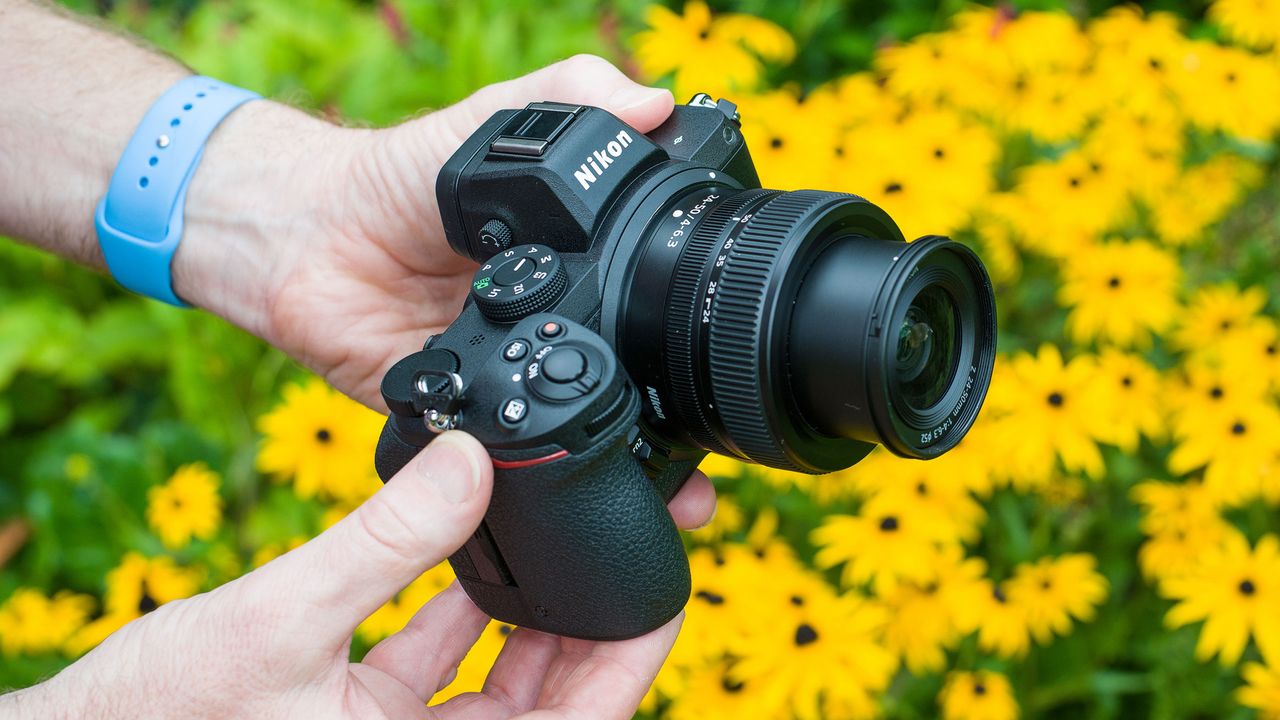
The Nikon Z5 is one of the best full-frame deals on the market. Since the incredible Nikon Z5 II was released, its predecessor has dropped in price on both the new and used markets. Heck, right now it’s $1,146.95 over at B&H Photo and it’s £789 at Wex Photo Video. Think about that for a moment, the Nikon Z50 II retails for $1,009.95 / £849. Don’t get me wrong, the Z50 II is a superior camera in almost every aspect. But it’s not full-frame…
Full-frame: What’s the big deal?

I’ll admit, we tend to talk about full-frame like it’s some kind of higher calling over APS-C or Micro Four Thirds and the same can be said for medium format over full-frame. The fact is, full-frame isn’t inherently better than APS-C, but like any system, it has certain advantages and disadvantages.
The biggest advantage is that a larger sensor means bigger photo sites, which means more effective light gathering for better low-light performance and higher dynamic range. Another advantage is that wide-angle photography is more accessible on full-frame cameras, simply because you have access to wider focal lengths due to the absent crop factor.
And while you might think that full-frame sensors create a shallower depth of field, that’s actually a myth. Any perceived change in depth of field is down to inconsistencies in aperture, focal length or distance. But by and large, you’re getting better quality imagery with a full-frame camera at the expense of portability and, well, expense…
You see, full-frame cameras are traditionally more expensive than crop-sensor cameras, but with some APS-C cameras such as the Fujifilm X-E5 targeted more towards the premium end of the market and the presence of last-gen full-frame cameras such as the Nikon Z5 and Canon EOS RP going for much the same or even less, making the jump to full-frame in 2026 isn’t the outlay that it used to be.
Full-frame vs APS-C
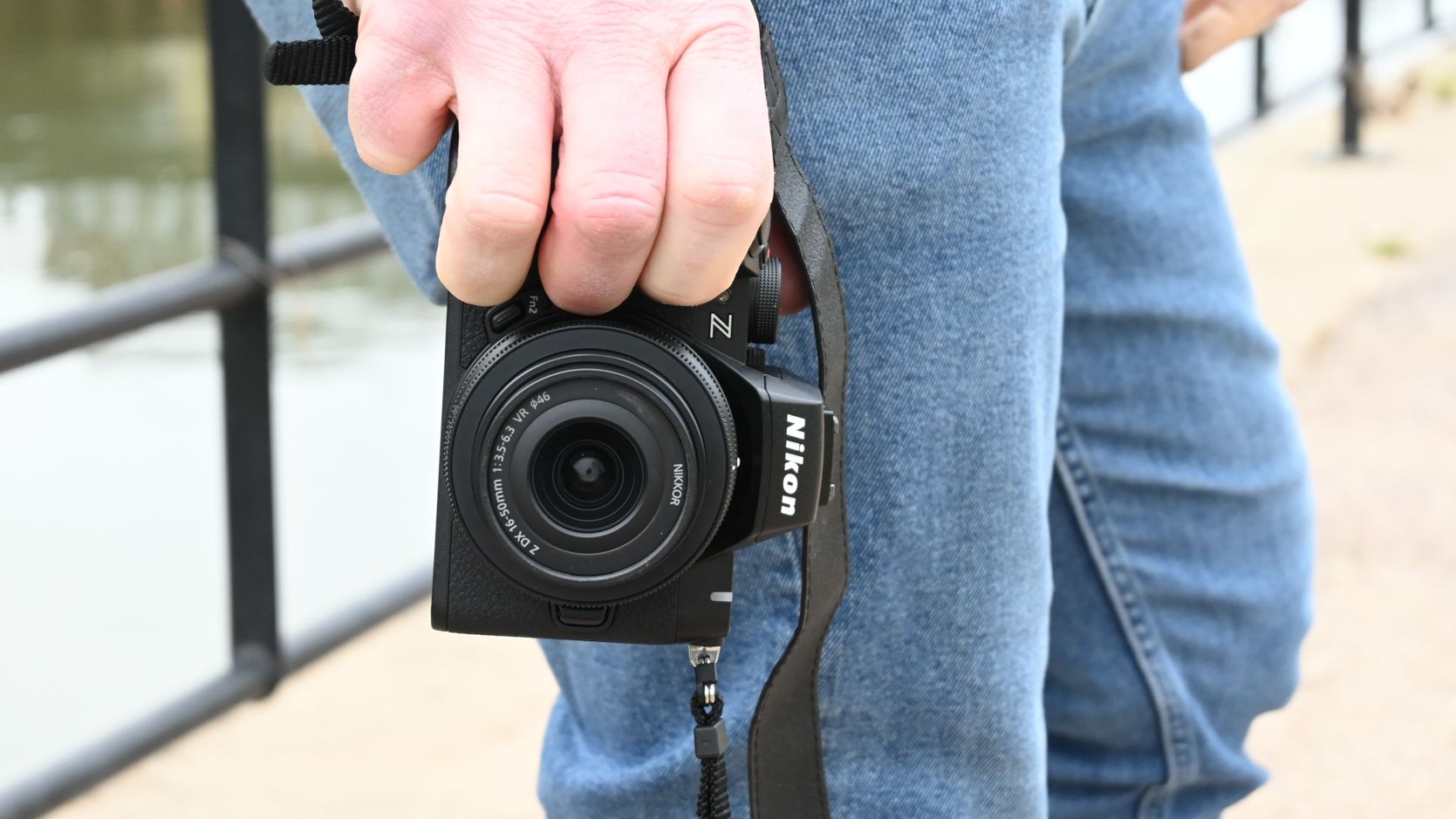
So, that settles it, forget that Fujifilm X-E5 or Nikon Z50 II and go full-frame then!? Well, not necessarily… This is why the larger sensor debate isn’t as cut-and-dried as some photographers make out. It all depends on how you intend to use your camera. Both the Nikon Z5 and the Canon EOS RP are older models. They were released roughly six and seven years ago, respectively. As such, they’re a bit slow by today’s standards, although the Nikon Z5 has in-body image stabilization, which is a boon.
If you want a more future-proof camera, faster AF, a slicker processor, a smaller form factor, and can live with the slightly inferior low-light performance and lack of IBIS (in the Z5’s case, the RP doesn't have IBIS), then the Nikon Z50 II is the better option for you. And when it comes to a Fujifilm APS-C camera like the X-E5, you’ve got that gorgeous retro-cool body, Fujifilm’s much-loved Film Simulations and a form factor that’s truly compact.
If you’re a landscape and/or low-light photographer who doesn’t care about speed and is looking to spend roughly $1,000 / £800 on a camera that will deliver top-notch image quality, then the full-frame options are worth checking out. Ultimately, the Nikon Z5 is trending because it’s an absolute steal. But a full-frame camera isn't necessarily for everyone...
You might also like...
Interested in Nikon? Check out the best Nikon cameras. Interested in Canon? Check out the best Canon cameras. And if you can resist the retro look, here are the best Fuijfilm cameras.