In Thomas Tuchel’s initial discussions to be England manager, he had stirring visions of an exciting playing style based on Premier League intensity… only for that to be re-assessed with one trip to the United States last summer.
The stifling heat around the 2025 Club World Cup made the German and his staff realise a “heat-proof game model” would be essential and perhaps even influenced his squad selection. It’s a need only deepened by the fact most of his players are concluding the two most demanding European club seasons ever seen. As Tuchel’s assistant Anthony Barry says, “you’re not going to see the best team playing the best football”.
Which of course begs the question of the best way to actually win this World Cup 2026.
For most of the 21st century, as a consequence of so many developments in the modern game, there have generally been two schools to winning tournaments.
One has been a grander ideology, best illustrated by Spain and taken on by Germany. That has generally been based on Pep Guardiola’s positional game, since these are the principles on which industrialised western European talent production has been founded. The approach amplifies quality players if you have them, but requires near-perfect integration. Otherwise, any holes become chasms.
The other is so-called “tournament ball”, as exemplified by Didier Deschamps’s France and Portugal 2016. This is broadly lying in a mid to low block and adapting to individual games as required. It’s easier to base a team on, but doesn’t go to the same heights. Games become played in the margins.
The 2022 success of Lionel Scaloni’s Argentina suggested a first fracturing of this, as he took elements of both while tying his team to a more distinctive style based on perceived Argentine football characteristics. And that fracturing may be furthered in the 2026 World Cup.
That isn’t just because other teams always follow the example of the defending champions.
It’s also because of what the tournament will be.
For all that World Cup-winning teams are retrospectively hailed, there is still a lot of luck to finishing victorious. There’s arguably even more luck to the state you start it in.
A good side has to come to some kind of peak for one month in a four-year spell, navigating all manner of variables. You might suddenly have a glut of otherwise minor injuries at the wrong time.
And 2026 has more variables than most.
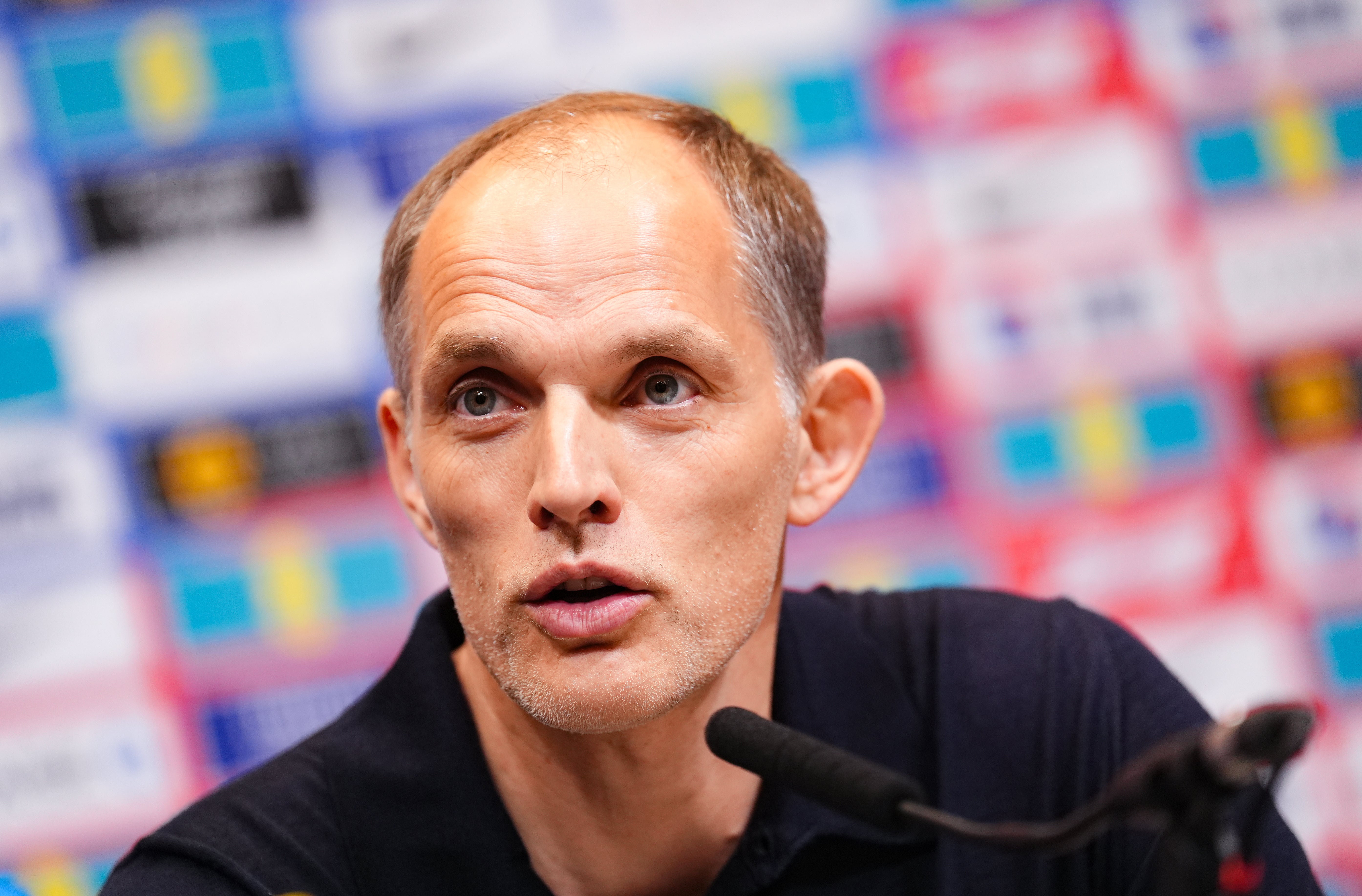
Above all, there’s the effect of fatigue.
A mere look at USA 94 highlights could have warned national team staff about the conditions. John Aldridge infamously reaching boiling point against Mexico in the heat of Orlando, while a sweltering Steve Staunton had to wear a cap in the sun. Arrigo Sacchi meanwhile spoke of Italy struggling in “an impossible climate” that was “contrary to my football, speed and high tempo”.
If you want to go even further back, there is a near sacrilegious argument that Brazil 1970 were only so good because the Mexican heat exhausted opposition and afforded Pele and his teammates the space to express themselves. Four years later, the Netherlands were aided in popularising Total Football’s pressing by the cooling West German rain.
The conditions have always been intertwined with the course of a tournament.
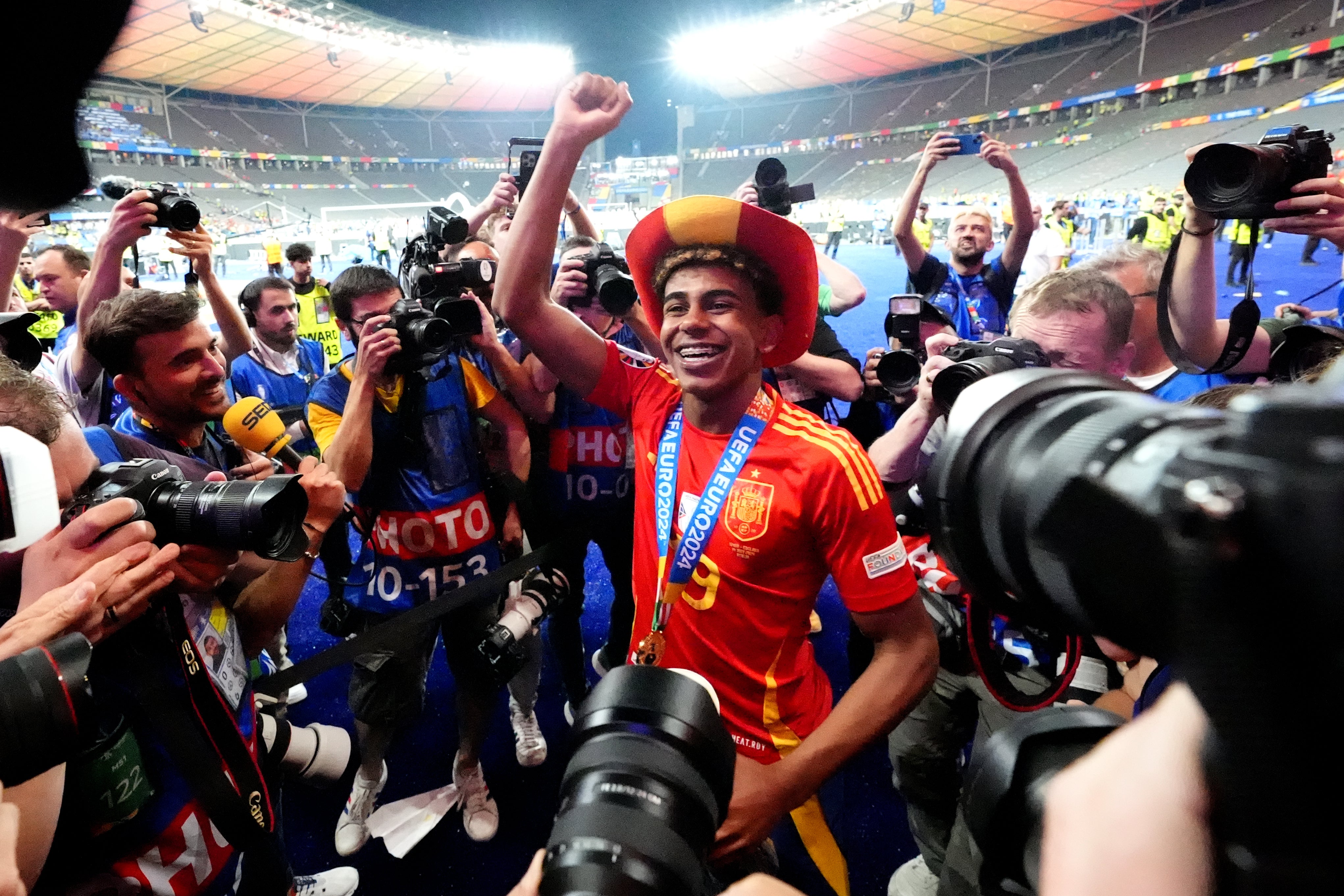
And this one is set to be more extreme than most. A World Weather Attribution analysis predicts that around a quarter of games will be played in conditions of 26-degree “Wet Bulb Globe Temperature” or higher - a heat index used by physiologists as the key measure of how effectively the body can cool itself.
On top of what players are going to go through in these games, then, there were the extra number of games from the expanded European games and an additional last-32 match in this very tournament; eight to win it rather than seven. Key stars like Declan Rice are going to be hitting well over 4,000 minutes for the season, with the most tired minutes coming in the most oppressive conditions.
Such figures could be crucial. The grace enjoyed by Paris Saint-Germain’s attackers may afford France a considerable advantage. Up there with them, Spain are European champions, but most of that 2024 squad have now gone to bigger clubs with more intense schedules.
Martin Zubimendi, for example, did not just have a season at Real Sociedad.
And any modern system can only go as far as player capability.
If those same modern parameters mean it is no longer really possible for a coach to come up with an effective system and then hide it away for a year - as Alf Ramsey did for 1966 and Argentina’s Carlos Bilardo did for 1986 - there is an argument that the extended slow-build World Cup will require saving at least something different for later.
It’s also where the very style of football may save teams even more.
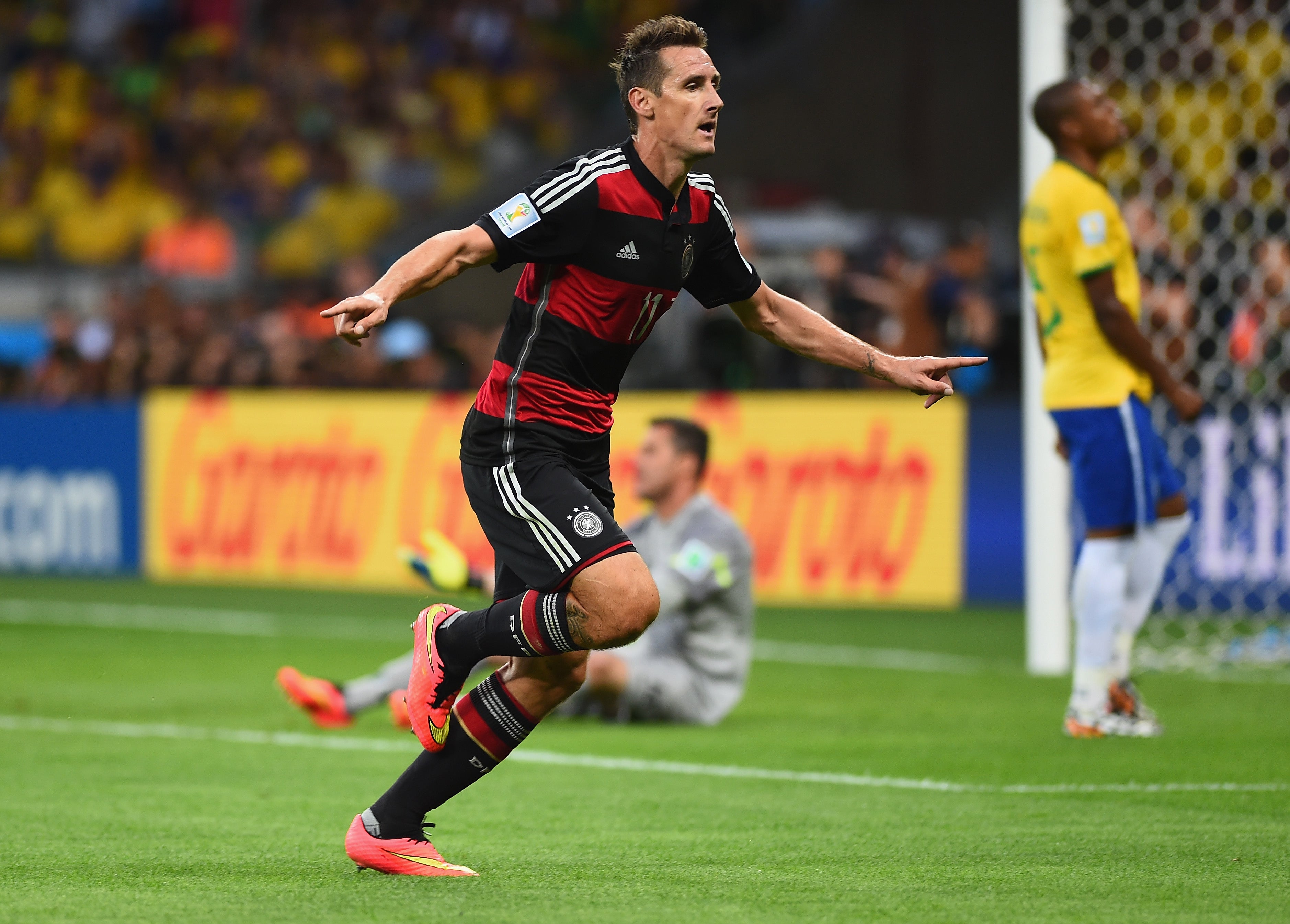
A low or mid block helps conserve energy. A possession game is the most efficient use of it.
Spain, already the European champions, may have a considerable advantage there of their own.
Their immersion in that approach means they are one of few teams who will be able to play with a constant flow. No one does it as well as them.
Otherwise, as Barry also said, “it’s going to be a tournament of moments”. Largely staccato games are likely to be elevated by sudden break-outs.
That might offer an echo of USA 94, especially if those break-outs are brilliant goals, by the modern equivalents of Gheorghe Hagi or Roberto Baggio.
The conditions are also likely to mean that individual quality will have a disproportionate impact, after all, the players that really make a difference.
It might seem a painfully obvious point that you need world-class talent to win a World Cup, but that hasn’t always been the case at the Euros despite a previously higher concentration of quality. Greece and Denmark have won it.
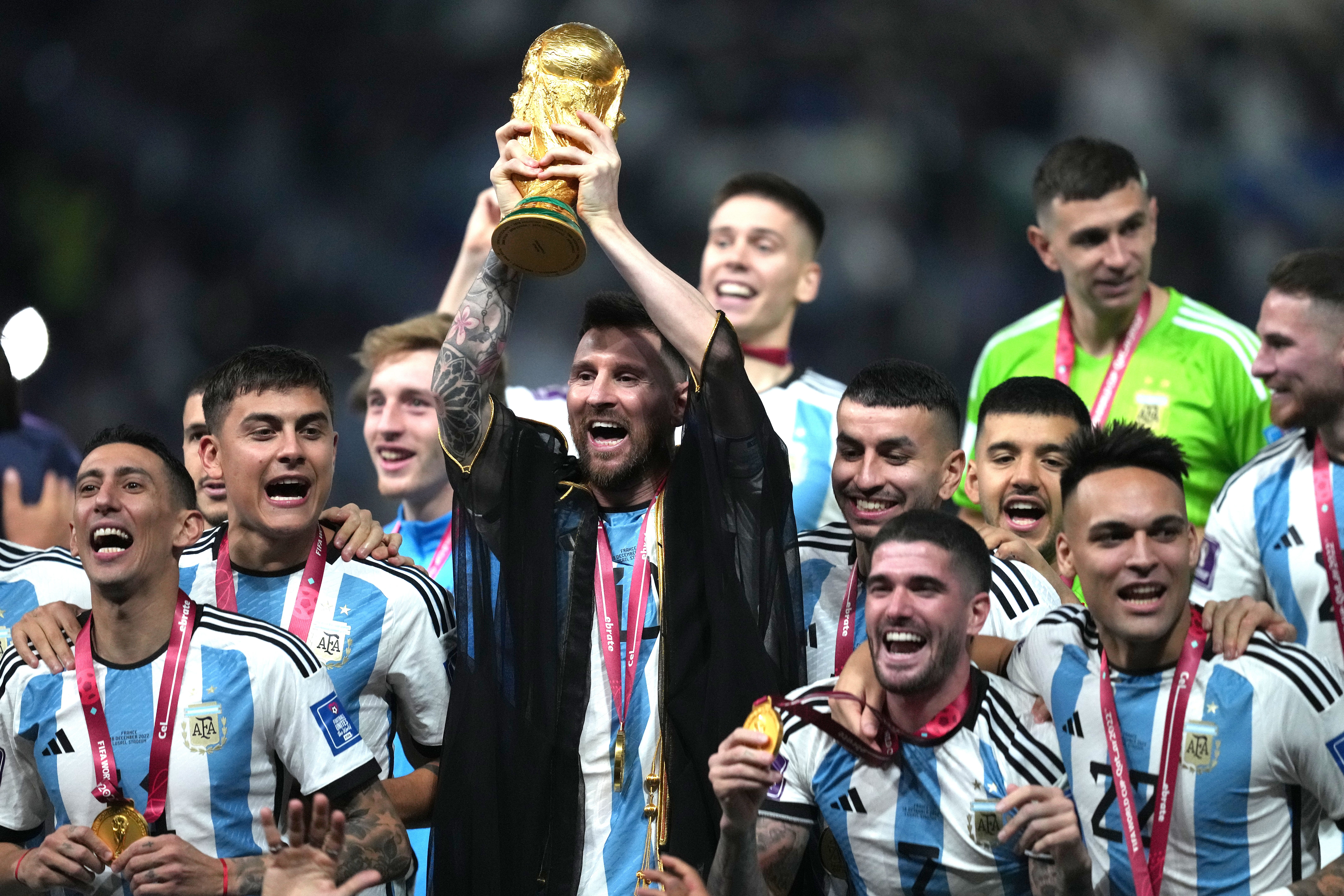
The World Cup generally doesn’t allow it because the threshold is also higher, and 2026 is set to raise it further.
For all the inevitable focus on Lamine Yamal, Jamal Musiala and France’s array of attackers, that might be one area where Carlo Ancelotti affords Brazil an advantage. He facilitates talent like few others, and Brazil still have a lot of it.
Whether they actually have that goal-scoring No 9 is another uncertainty. Only a few teams possess that kind of player, and England are one of them.
This is a relatively obvious point given that top scorers who go further have more games, but the golden boot winner has at least got to the semi-finals in six of the seven tournaments since the 1998 expansion.
There is of course another way to produce “moments”, since that’s very much what they are: set-pieces. They’ve been a theme of the season, but only in England, which is conspicuous. Tuchel had been talking up the idea of maximising set-pieces earlier in the campaign, and it’s an obvious potential weapon. It’s also one that may be blunted by different refereeing. There is simply no way that Fifa are going to allow the wrestling that the Premier League has seen.
It’s just another variable, in a World Cup that currently has no obvious best course.