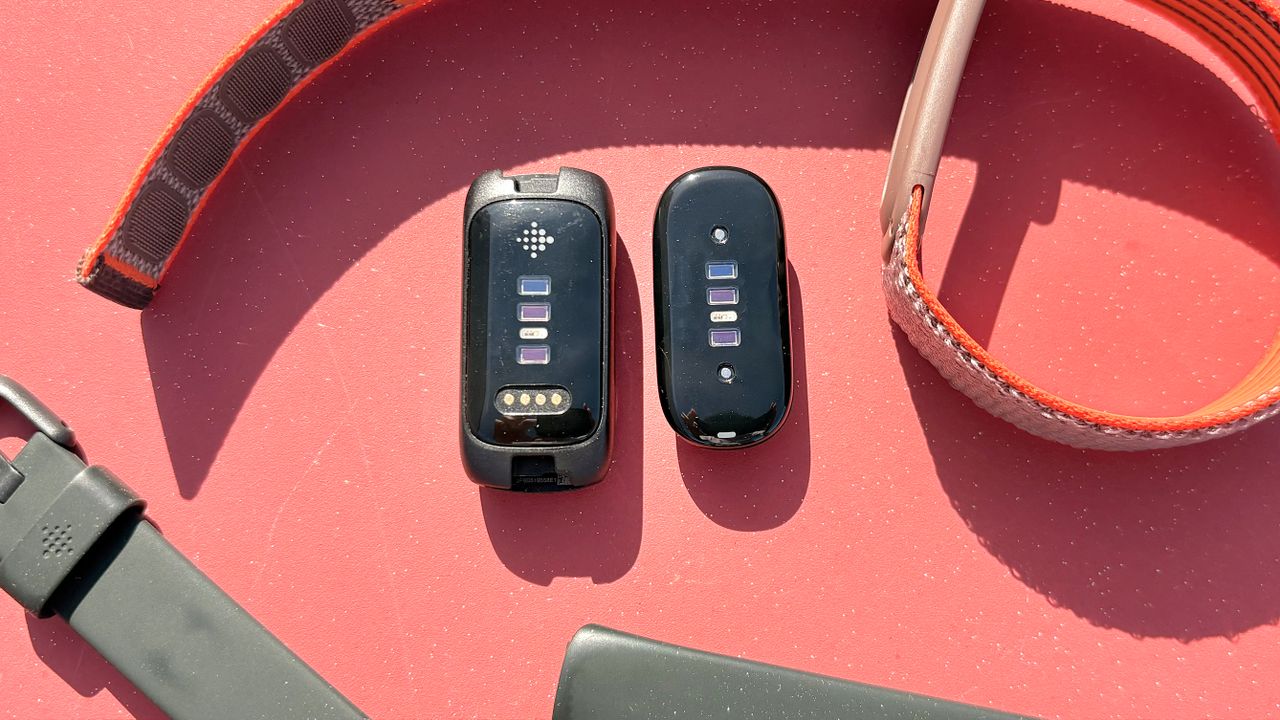
I review wearable tech for a living, and while some folks, myself included, predicted the death of the Fitbit brand at the hands of Google in 2026, much to my delight, the tech giant just came through with the shiny new Fitbit Air.
Priced at $99, this diminutive fitness tracker focuses on the basics, like monitoring your daily movement, workouts, sleep quality and women’s health. There’s no GPS, so you’ll need to carry your phone for location data, no NFC for mobile payments and no onboard storage for music.
But, wait a minute, that sounds a whole lot like 2022’s entry-level Fitbit Inspire 3, which also costs $99 (but can easily be found for less, like this Inspire 3 Amazon deal for $84). So, is the Fitbit Air essentially just a Fitbit Inspire 3 without a screen?
I’d argue that it is, but that’s actually a very good thing. Here’s why.
Did we really wait four years for a screen-less Fitbit Inspire 3? Yes and no.
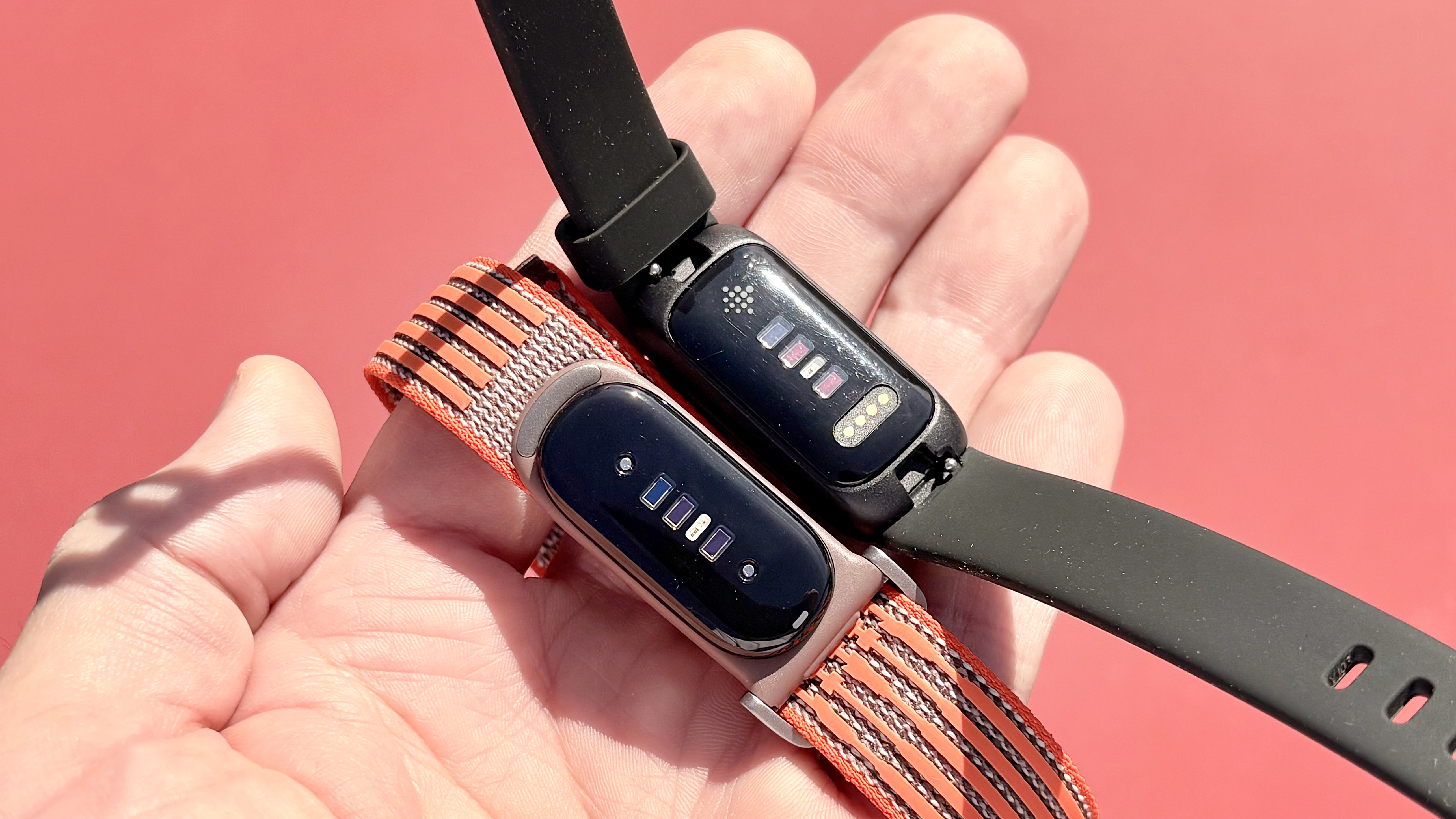
The Fitbit Inspire 3 was my very first fitness tracker, which I purchased shortly after its 2022 debut. Well-priced and offering more than enough features for my fitness and health-tracking needs at the time, it was the little tracker I ultimately grew attached to and wore daily for years.
However, the Inspire 3, which is still technically a current fitness tracker in Google’s lineup, wasn’t without its faults. For one, the screen is tiny, and the controls are rather fiddly. This makes it a poor choice for folks with larger hands or those who struggle to read teeny-tiny text.
The Fitbit Air is the natural successor to the Inspire 3, but it’s better in lots of ways
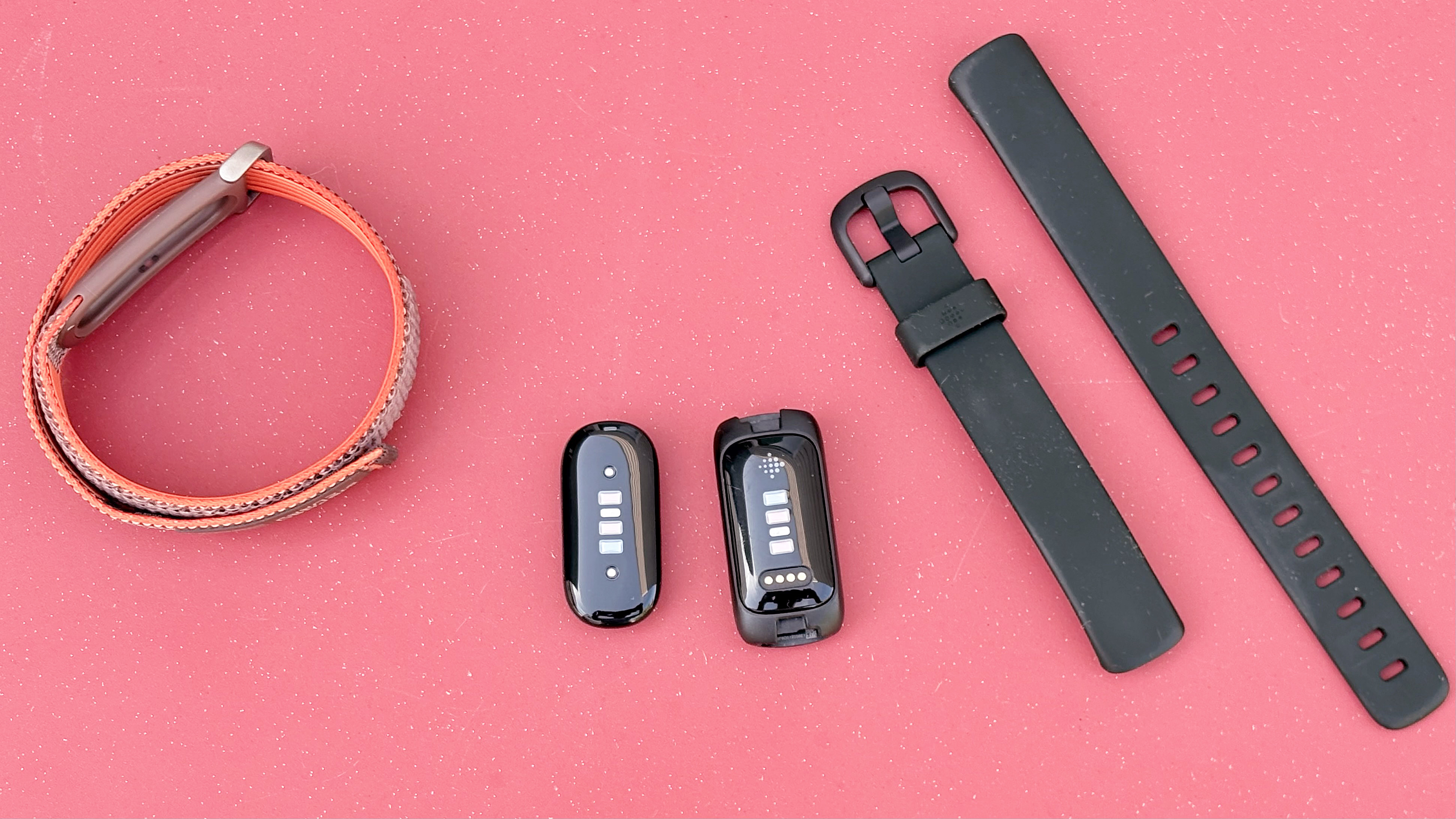
Thanks to the lack of a screen and buttons, the Fitbit Air lets you tune out the digital noise, all while still tracking essential wellness and fitness metrics.
Ultimately, the Fitbit Air is the natural evolution of the entry-level Inspire line. Sure, Google could’ve slimmed down the Inspire 3 case, slightly expanded the screen size, and even given the Inspire 4 physical controls, but I’m glad that didn't happen, especially since the Fitbit Charge 6 still exists.
Instead, Google took the screen-free, distraction-free approach, mimicking the experience you might get with a Whoop 5.0 and Oura Ring 4, but without the recurring subscription costs.
I applaud this because with each passing year, it feels harder and harder to escape the siren sounds of our hyper-connected world. Was that the case in 2022 when the Inspire 3 debuted? Sure, but in 2026, folks (including yours truly) seem more eager than ever to disconnect from the endlessness of information inundation.
And thanks to the lack of a screen or buttons, the Fitbit Air encourages just that, letting you tune out the digital noise, all while still tracking essential wellness and fitness metrics.
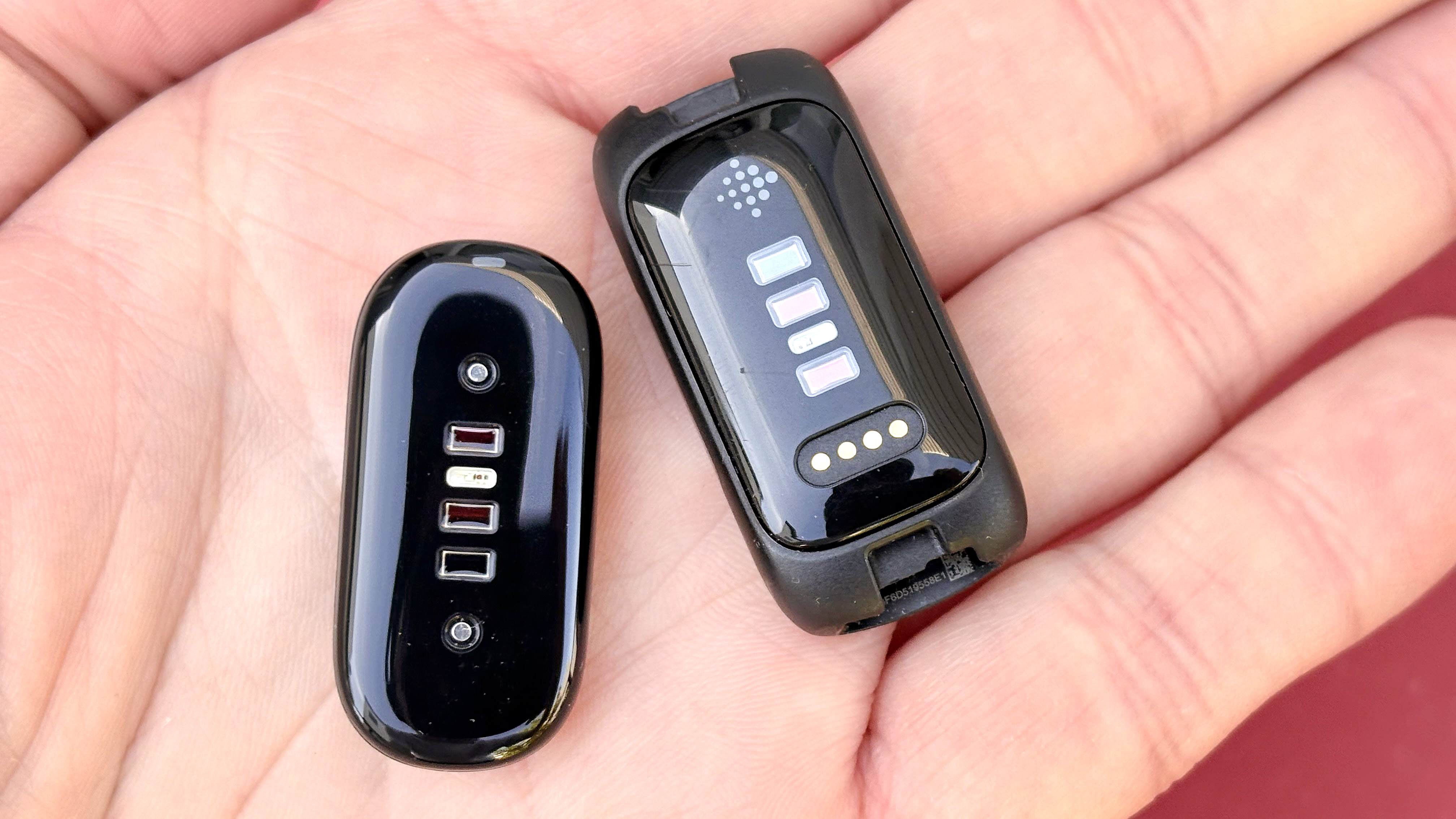
It's worth noting that the Fitbit Air and the Fitbit Inspire 3 boast similar health tech, consisting of an optical heart rate sensor, accelerometer, gyroscope, blood oxygen sensor and skin temperature sensor. Smart features are also all but non-existent on either, though the Inspire 3 does mirror smartphone notifications.
Those similarities aside, the Fitbit Air has the advantage of being more comfortable on the wrist thanks to a smaller and lighter footprint. It’s also built around customization; the tracker pops out of the straps with a firm push, letting you change up the vibe and re-accesorize at a moment’s notice. A huge number of strap options are already available, starting at $34.99 via Amazon.
Of course, comfort and customization aren't nearly as big selling points as the Fitbit Air’s distraction and control-free disposition. Stay tuned for my full Fitbit Air review, coming soon!
More from Tom's Guide
- Garmin’s screen-less Whoop competitor could cost five times as much as the Fitbit Air
- Garmin Forerunner 70 vs Garmin Forerunner 170 — what are the main differences between Garmin’s two new running watches
- I tested the $79 Amazfit Bip 6 vs the $249 Apple Watch SE 3 — and the cheaper smartwatch is a lot better than I thought