
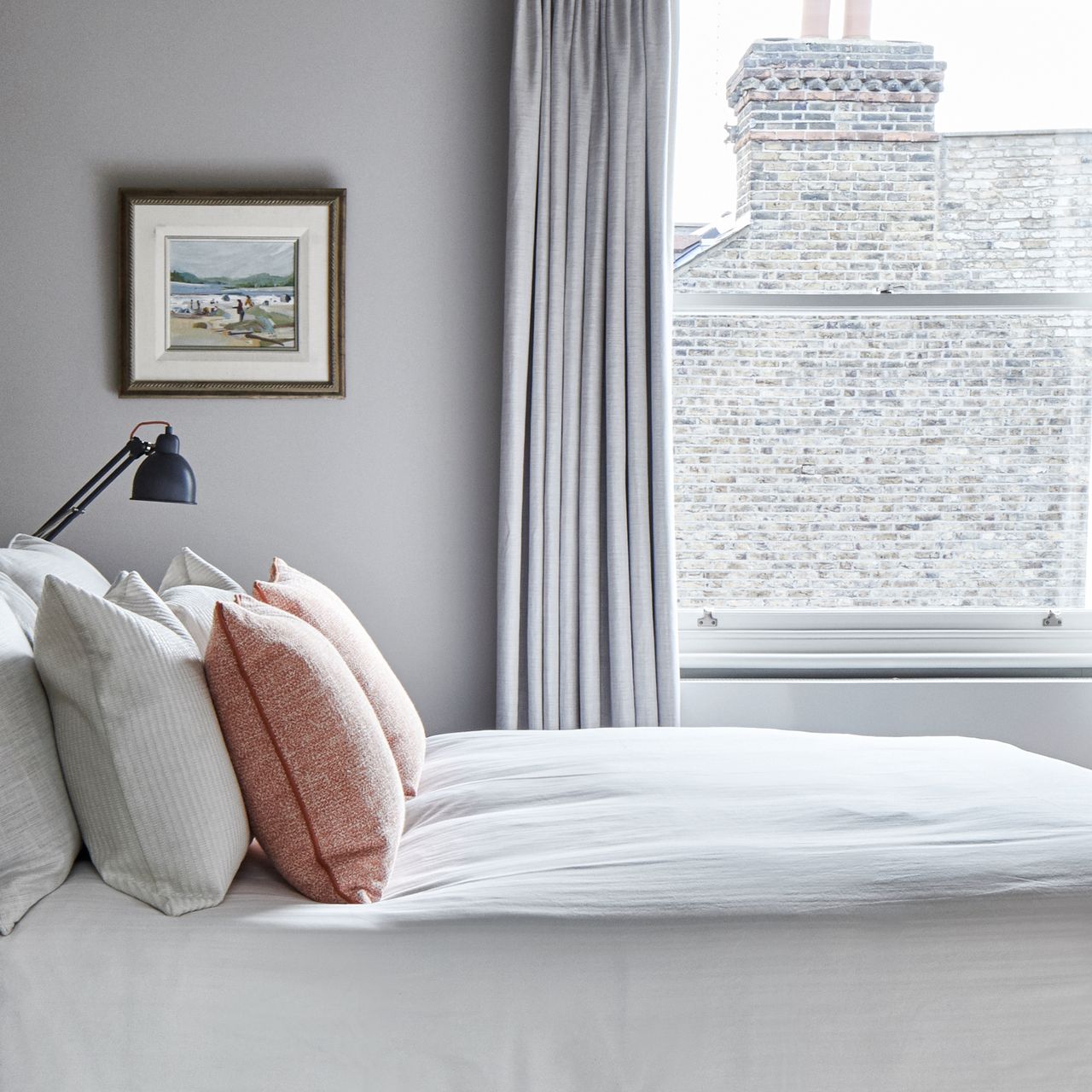
If you're feeling tired this month, you're not alone. Not only has Britain been bathed in a heatwave – which tends to mean hot and humid nights and a restless sleep – but mornings are getting lighter too.
As May ends and we head towards the summer solstice on June 21st – the day with the most hours of daylight and the shortest night of the whole year – the sun rises before 5 am in most parts of Britain.
And whilst the lighter evenings and brighter mornings are something to celebrate, that extra daylight can have an impact on our sleep. In fact, as sleep scientists point out, we could lose over 22 hours of sleep across the next month alone.
Luckily, when it comes to how to sleep better during the summer months, there is help on hand, and there's one easy bedroom update in particular that can turn around that summer tiredness before it has an impact on our mood and wellbeing.
The problem
As Tom Coleman, sleep scientist at Hillarys, points out, 'when May draws to a close, the sun is rising before 5 am and not setting until past 9 pm across much of the UK.'
'Research by Hillarys measured exactly how many hours of darkness 20 major UK cities receive on 31 May 2026, and not one of the cities achieves the eight hours of darkness sleep experts consider the minimum for an uninterrupted night,' says Tom.
'In Aberdeen, the sky begins to lighten as early as 3:50 am, before sunrise at 4:22 am. Edinburgh and Newcastle see the sun before 4:35 am – more than an hour before most people's alarms. Even in London, at the bottom of the disruption table, the sun is fully up before 4:50 am by the final week of May.'
For many sleepers, 'this early light intrusion means lost sleep,' explains Tom. 'Waking just 45 minutes earlier than intended every night across May amounts to over 22 hours of sleep lost across the month alone.'
'We’re wired to sleep in darkness, so when that window shortens, it can disrupt your rhythm quite quickly. Losing 30 or 45 minutes a night might not feel dramatic at first, but over a few weeks, it really adds up.'
'It can be particularly challenging for light sleepers, shift workers, or parents of young children, where even small changes in light can trigger earlier wake-ups and more broken sleep,' says Tom.
But thankfully, there are measures we can take to protect our sleep during the next few months, and, even better, they're simple to adopt.

The solution
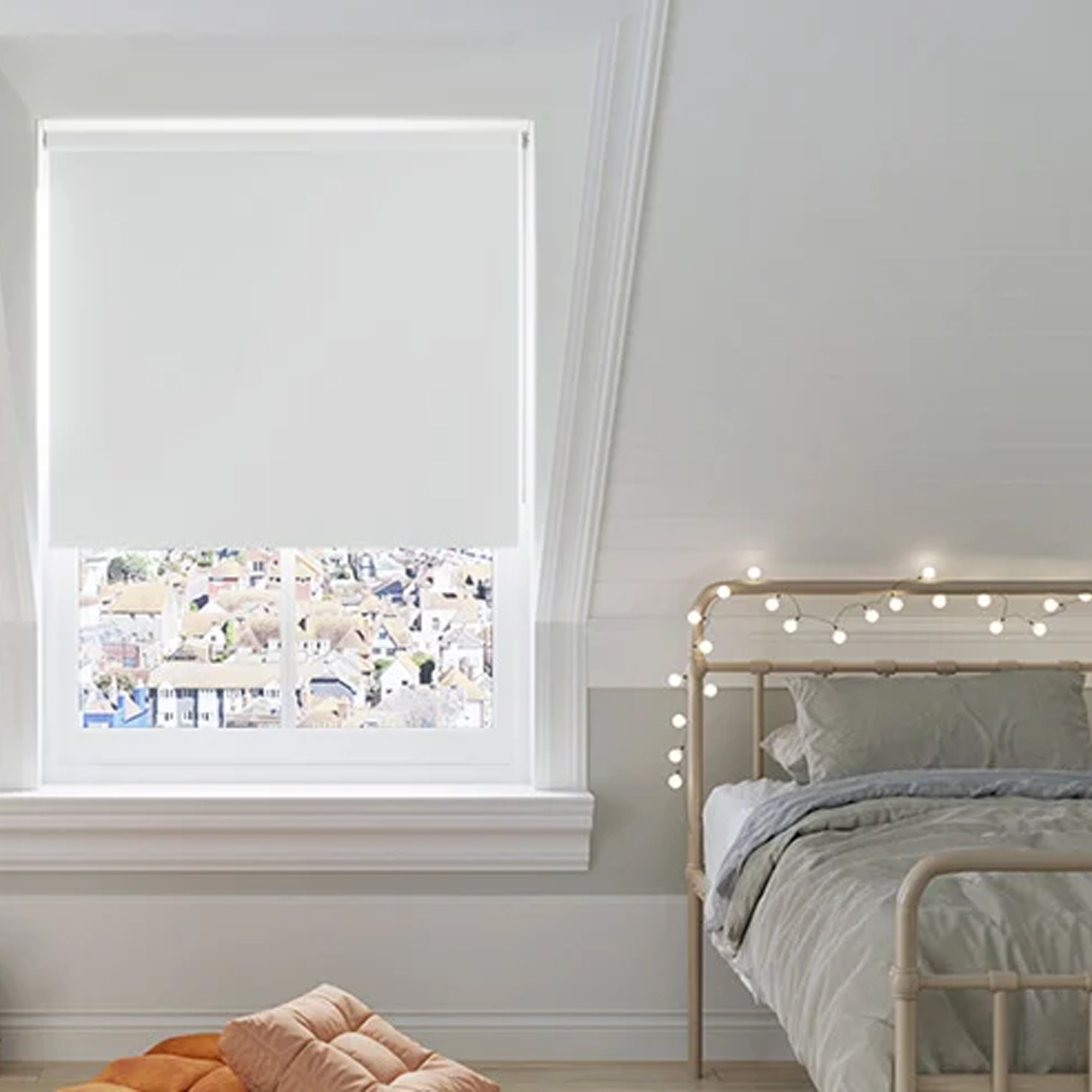
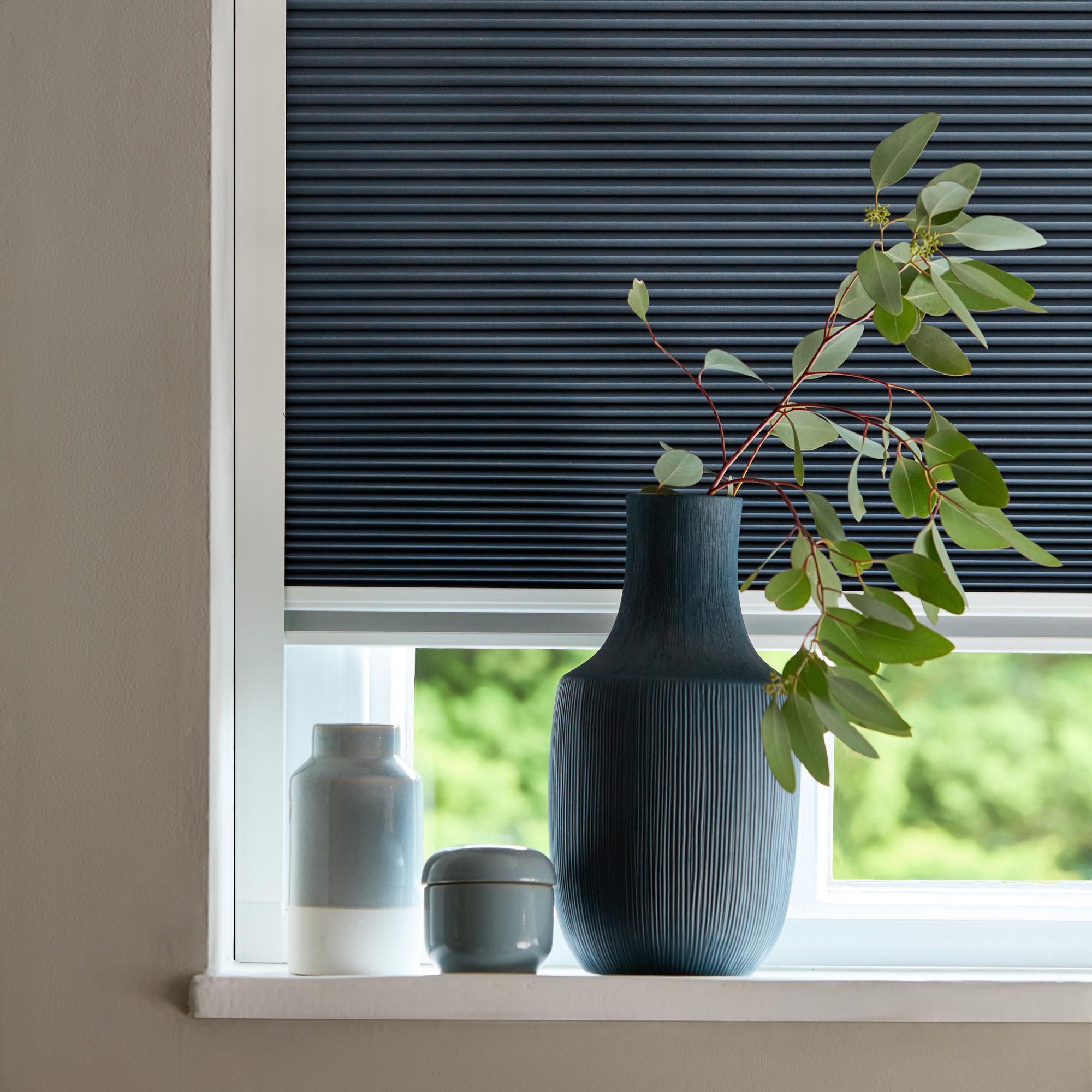
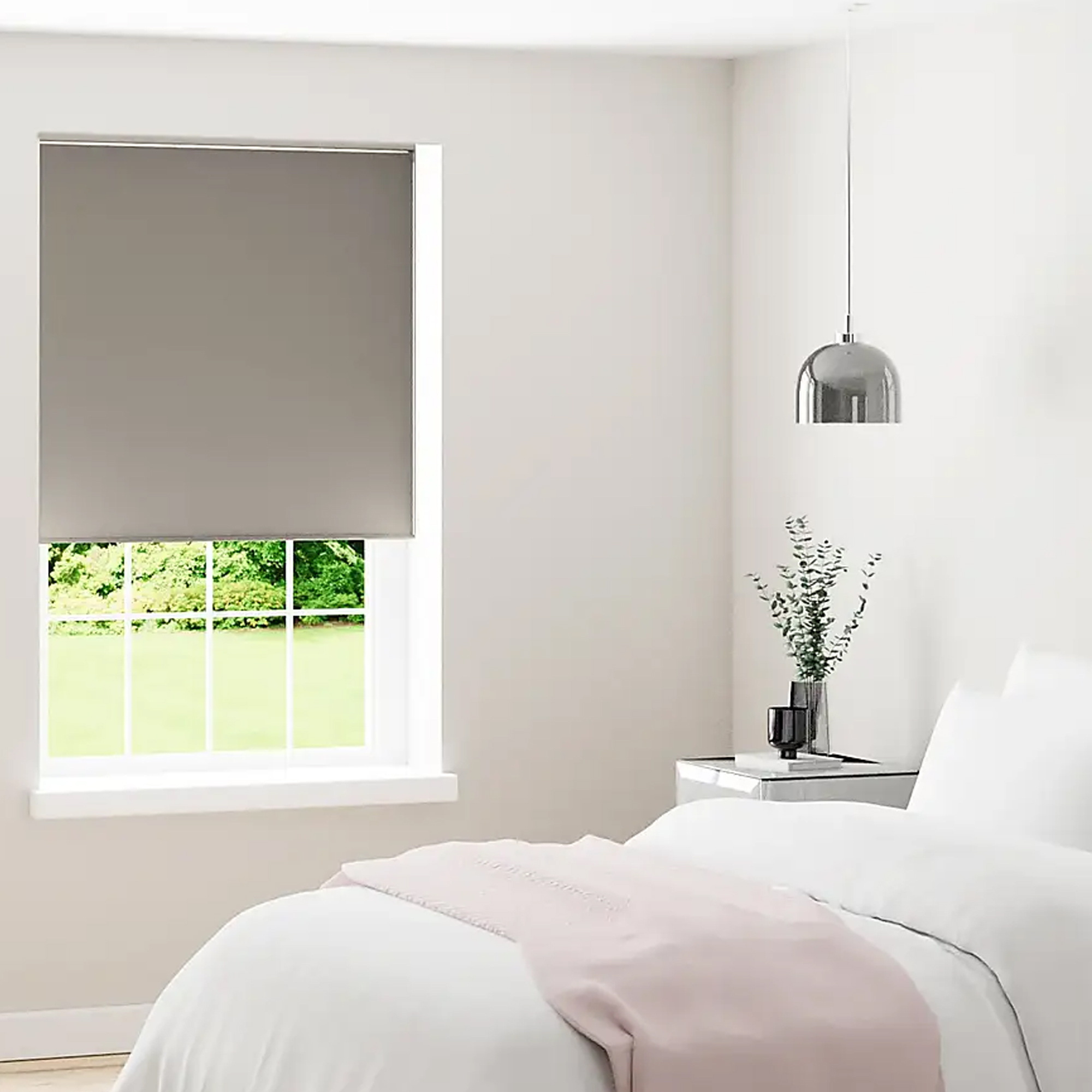
'The most important thing is taking control of your sleep environment,' shares Tom. 'I always come back to blackout curtains or blinds, and it’s something I use at home myself. A well-fitted blackout blind can make a genuine difference, keeping the room properly dark and helping you hold onto those deeper, more restorative hours of sleep.'
And a blackout blind isn't just a top tip for how to make a bedroom darker, 'it also helps with something people often overlook,' says Tom, 'it stops the early morning sun from heating the room, which can make it much harder to stay asleep on warmer summer mornings.'
'For most of us, sleeping in a bright room can be a challenge,' agrees Ian Rowell, head of product and development at Blinds2Go, 'light filtering through eyelids can not only make it tricky to get to sleep, but to stay asleep too. This can result in fragmented rest and less of the deep sleep that your body needs.'
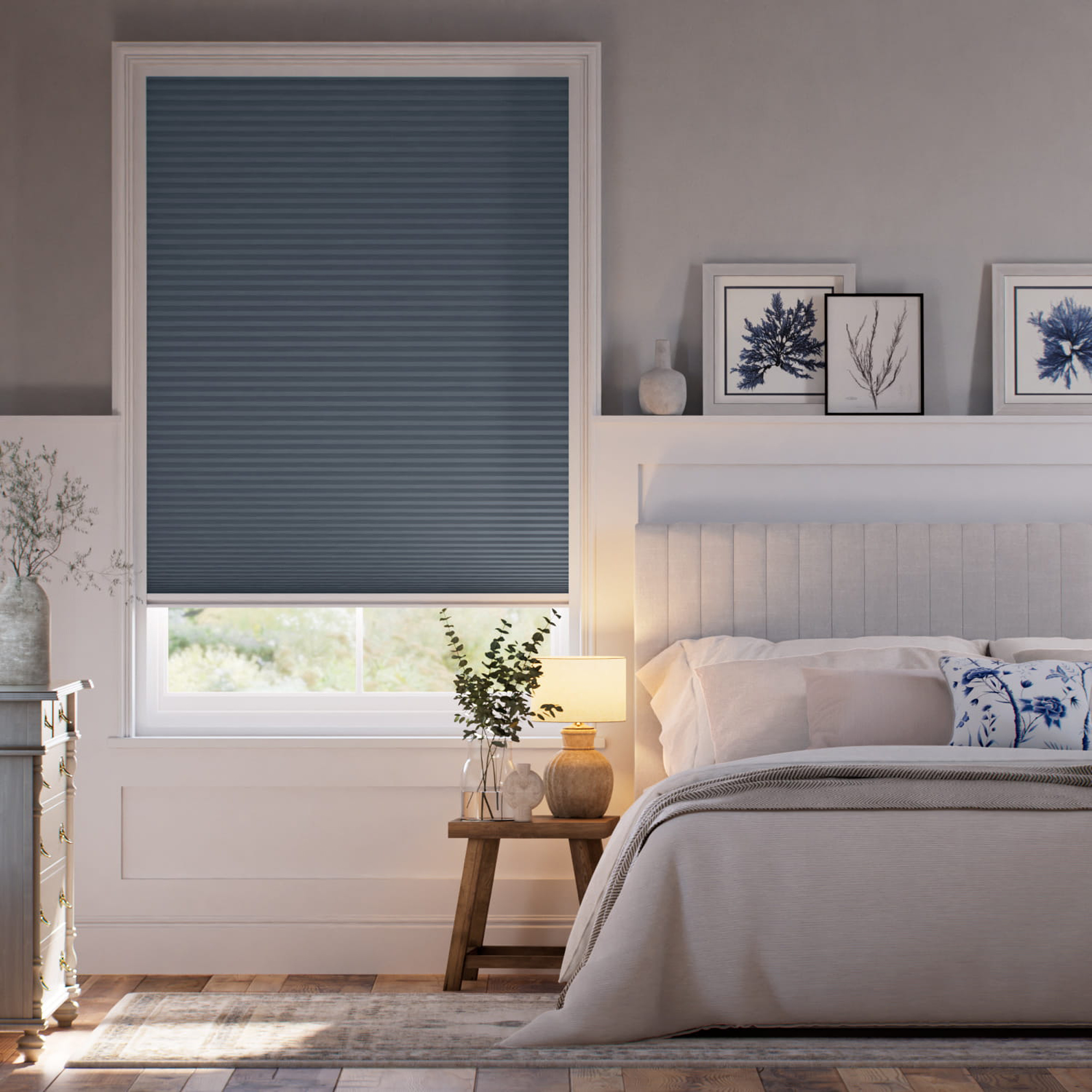
'Naturally, blocking light at the source is the most effective way to keep your bedroom dark, which is why blackout blinds become so popular as the mornings get lighter in the spring,' says Ian.
'Blackout blinds are made from a specific fabric that keeps external light out of a room and offers thermal efficiency. For maximum darkness, I’d recommend a blackout blind with side tracks that clip to your window frame or fit neatly into the recess, preventing any light from creeping in.'
'If you’re looking to improve your sleep, I’d recommend starting with a quality set of blackout blinds,' agrees Helen O’Connor, product and trends manager at 247 Blinds.
'Blackouts completely manage the natural light for a whole night's sleep, no matter the time of year. By removing the possibility of unwanted light, you create the ideal conditions for consistently getting that deeper and more restorative rest.'
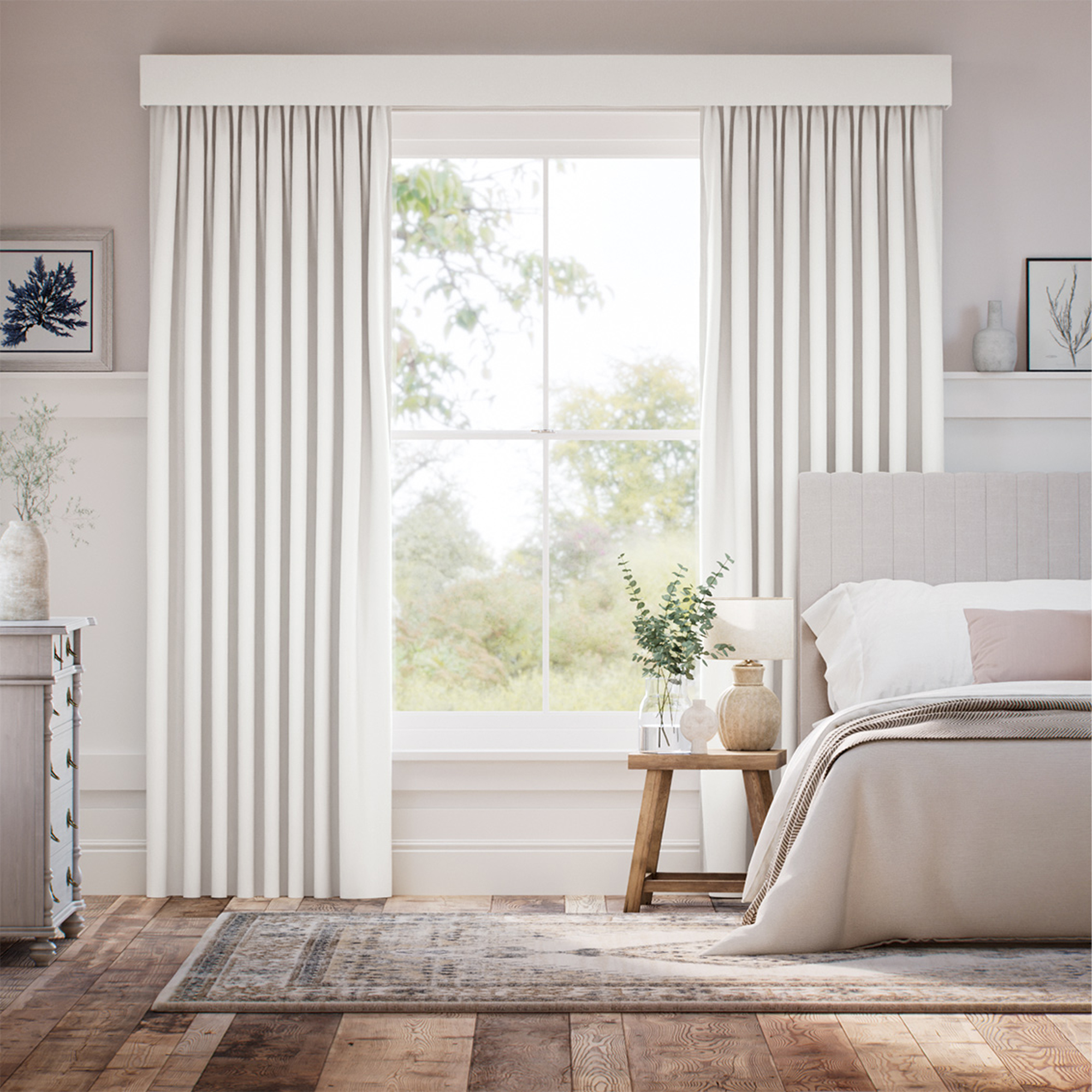
'Layering window treatments is another foolproof way to keep your bedroom dark,' adds Ian. 'Pairing a blind with heavy, complete blackout curtains ensures your room stays dark, even after sunrise. They’re particularly popular with our customers who are parents or work nightshifts – and they work brilliantly every single time.'
'And, for an immediate fix, while you wait for your blackout blinds or curtains to arrive, you could try a blackout window film, or temporary, portable blinds that stick to the window,' suggests Ian.

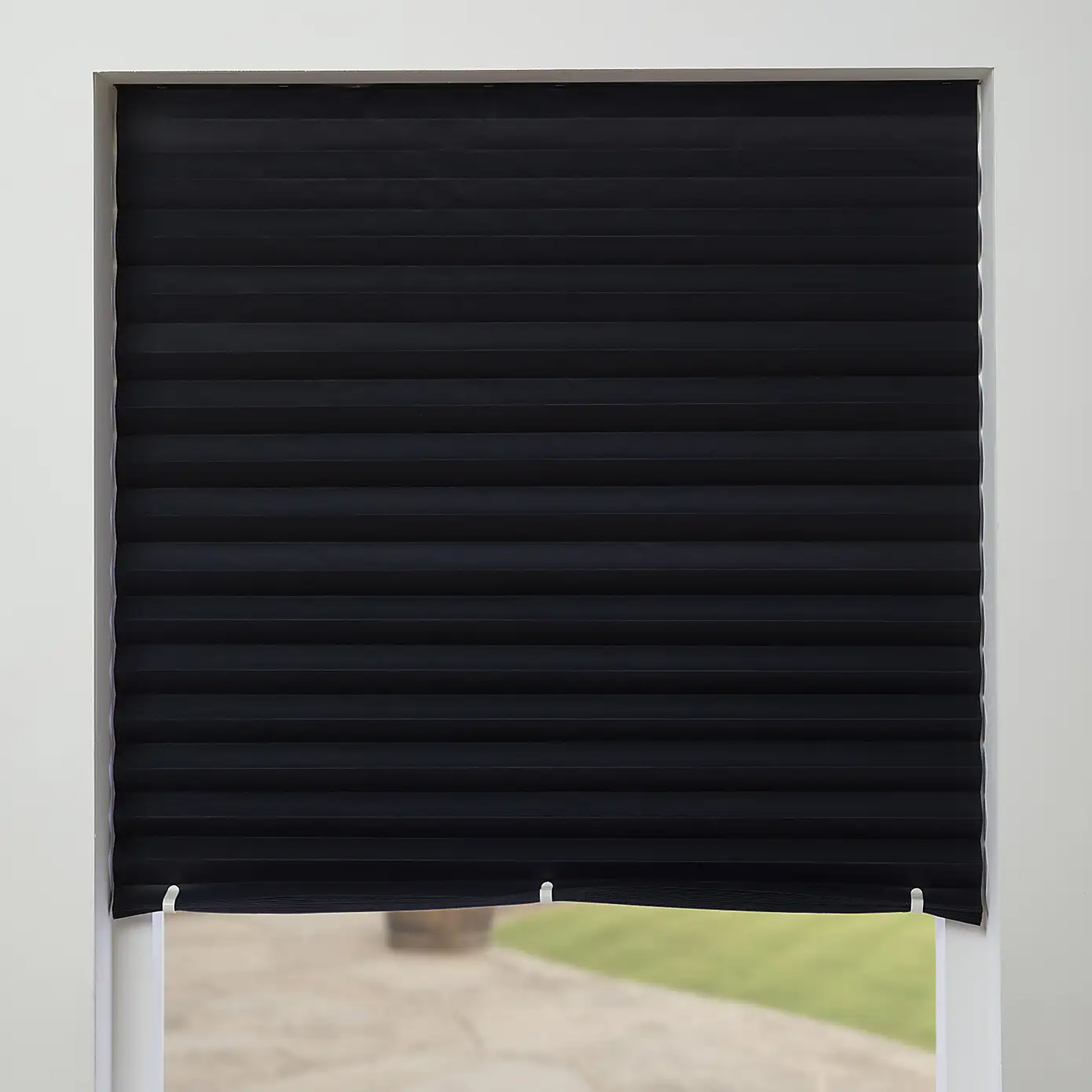
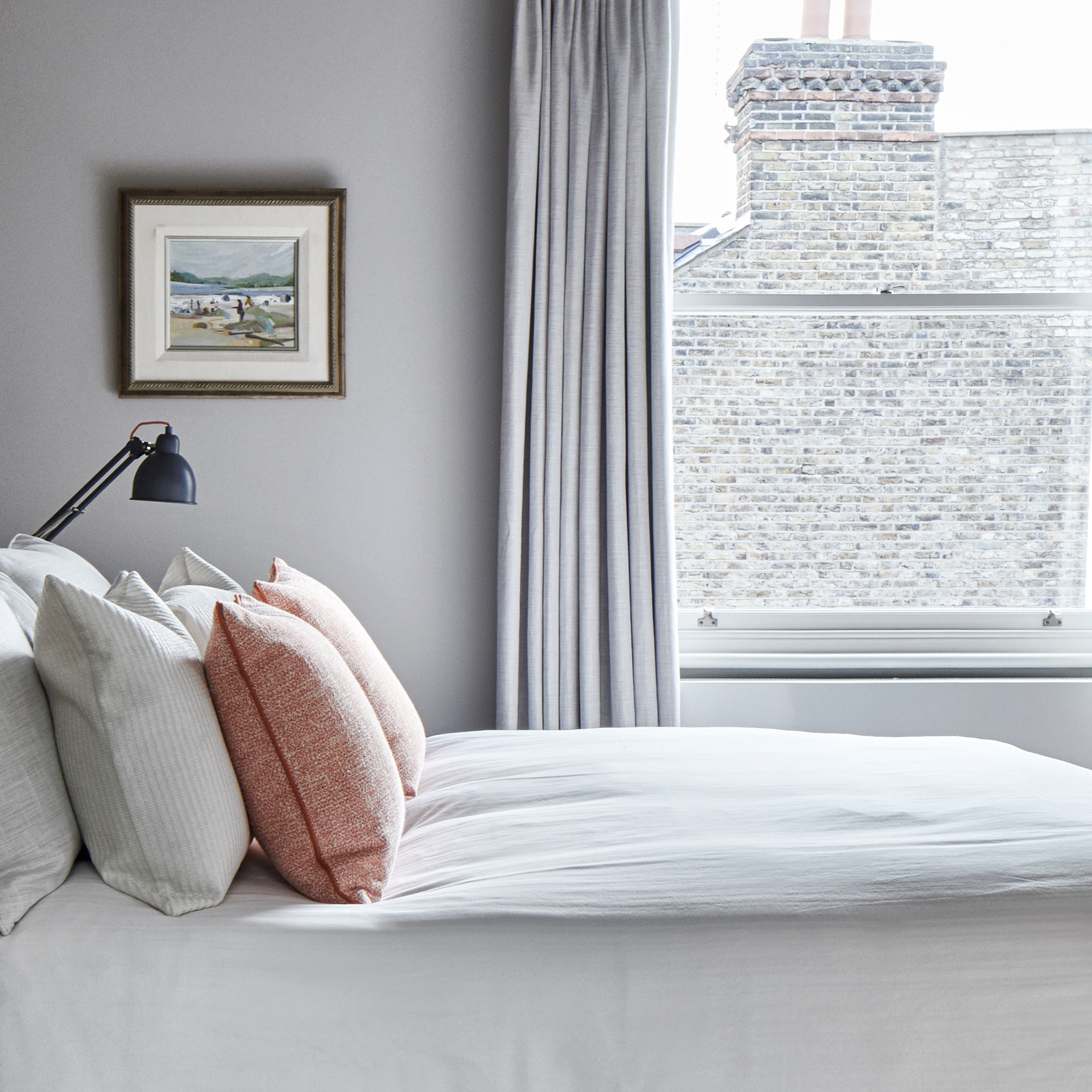
Ultimately, the key is to choose a solution that blocks out as much morning light as possible, until *you* decide to let the sun shine in. That way, you can enjoy the good weather and sunshine, without tiredness ruining the fun.
And as Helen points out, 'quality sleep isn’t just great for your physical health; it’s also essential in supporting your wellness, mental wellbeing, and in making you better equipped to take care of yourself and show up for the people around you. Protecting your sleep routine is one of the most important investments in your wellness.'