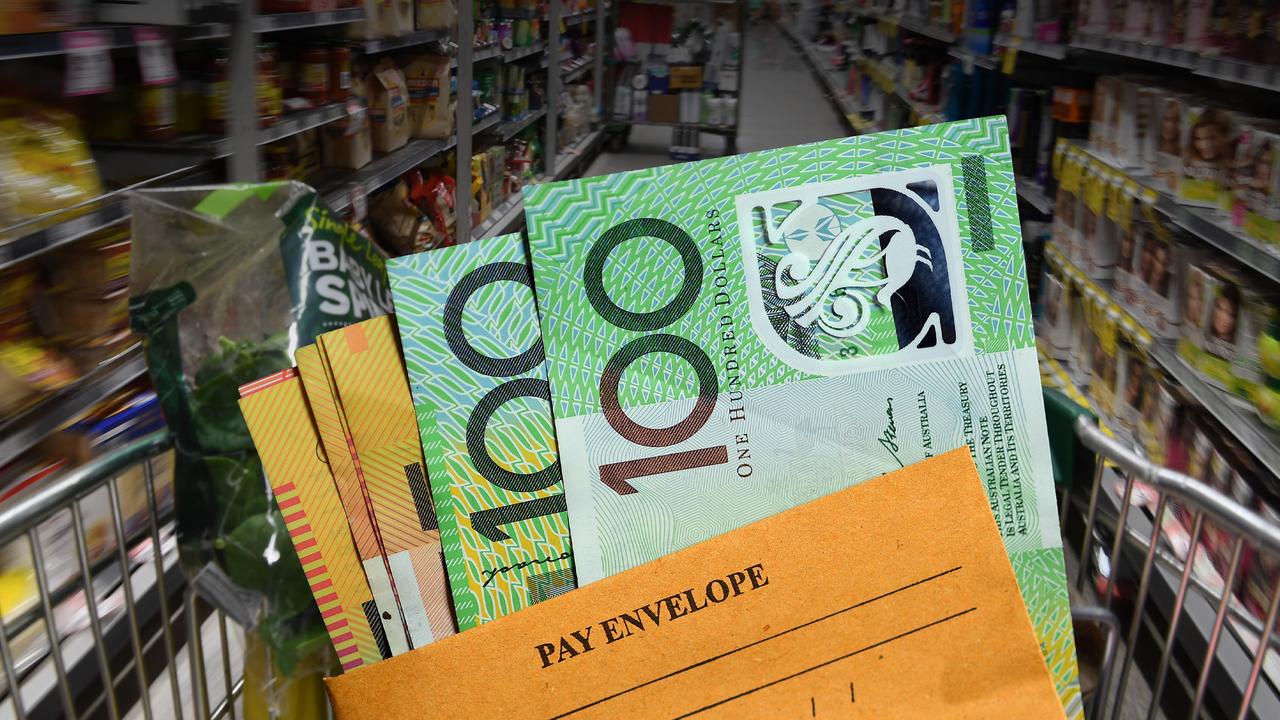
Workers on the minimum wage will receive more than $1000 a week for the first time, but businesses and economists warn the pay bump could fuel inflation and more rate rises.
Industrial umpire the Fair Work Commission handed a 4.75 per cent pay boost to almost three million Australian workers on industry awards as part of its annual wage review on Tuesday.
But 100,000 minimum wage earners will receive an even larger six per cent pay rise to $26.44 per hour.
The decision comes with ongoing uncertainty around the Middle East conflict and how long it could keep upwards pressure on inflation.
Headline inflation was 4.2 per cent in the year to April, according to Australian Bureau of Statistics figures, but the Reserve Bank has forecast inflation to rise to 4.8 per cent by the end of June.
The peak union body wanted a six per cent increase, arguing workers were still behind in real terms following the post-COVID inflation spike and needed a catch-up pay rise.
Fair Work Commission president Adam Hatcher said because of the Middle East "wild card", it was not practical or responsible to award a pay rise above five per cent needed to close the real wage gap.
But the commission would make a structural adjustment to the lowest pay classifications to protect the position of the very lowest-paid workers, he said.
It effectively raised the minimum wage relative to the rest of the awards system, increasing it from $948 to $1004.90 a week.
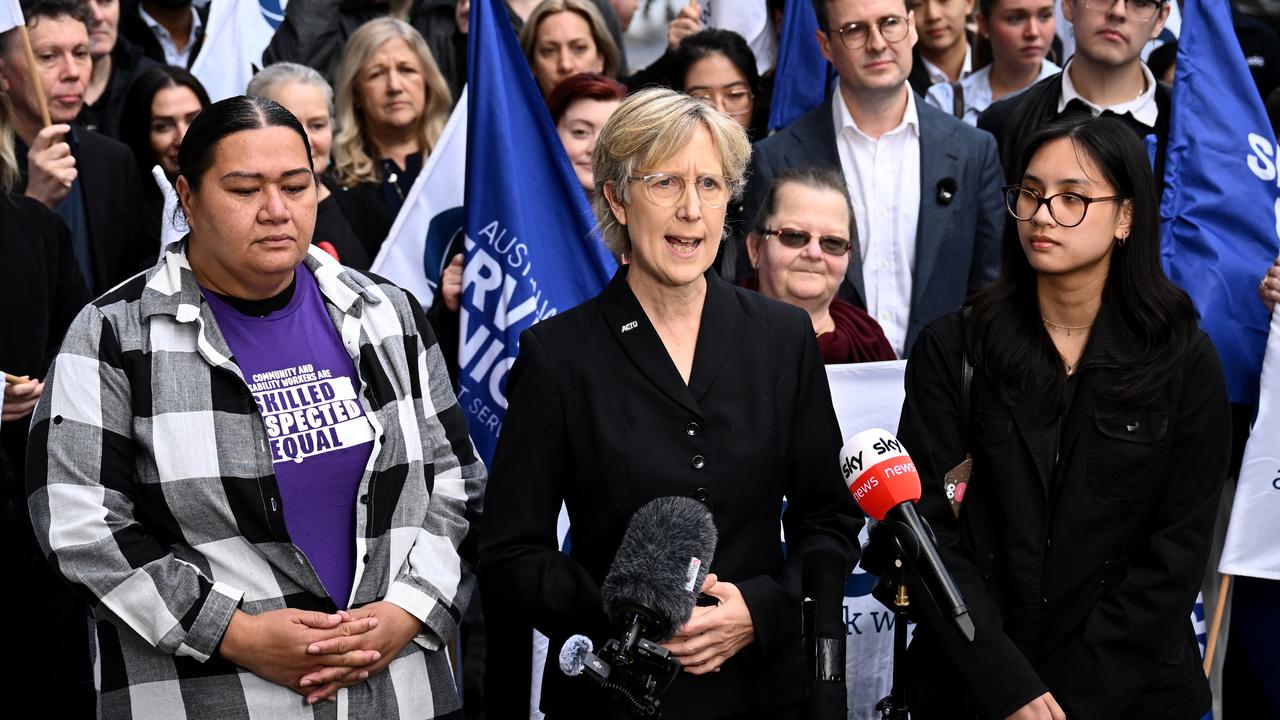
Australian Council of Trade Unions secretary Sally McManus welcomed the decision, saying it was vital for low-paid workers struggling with the cost of living.
"The only spanner in the works, of course, is Donald Trump, and none of us know what he's going to do," she said in Sydney.
Employer groups - which argued for a lower rise of between 3.5 to 3.9 per cent - believe the decision will drive inflation and strain businesses under pressure from rising input costs.
"One of the consequences of adding to the costs for businesses is that a number of them will pass that on to consumers in the form of higher inflation," Australian Chamber of Commerce and Industry chief of policy David Alexander said in Canberra.
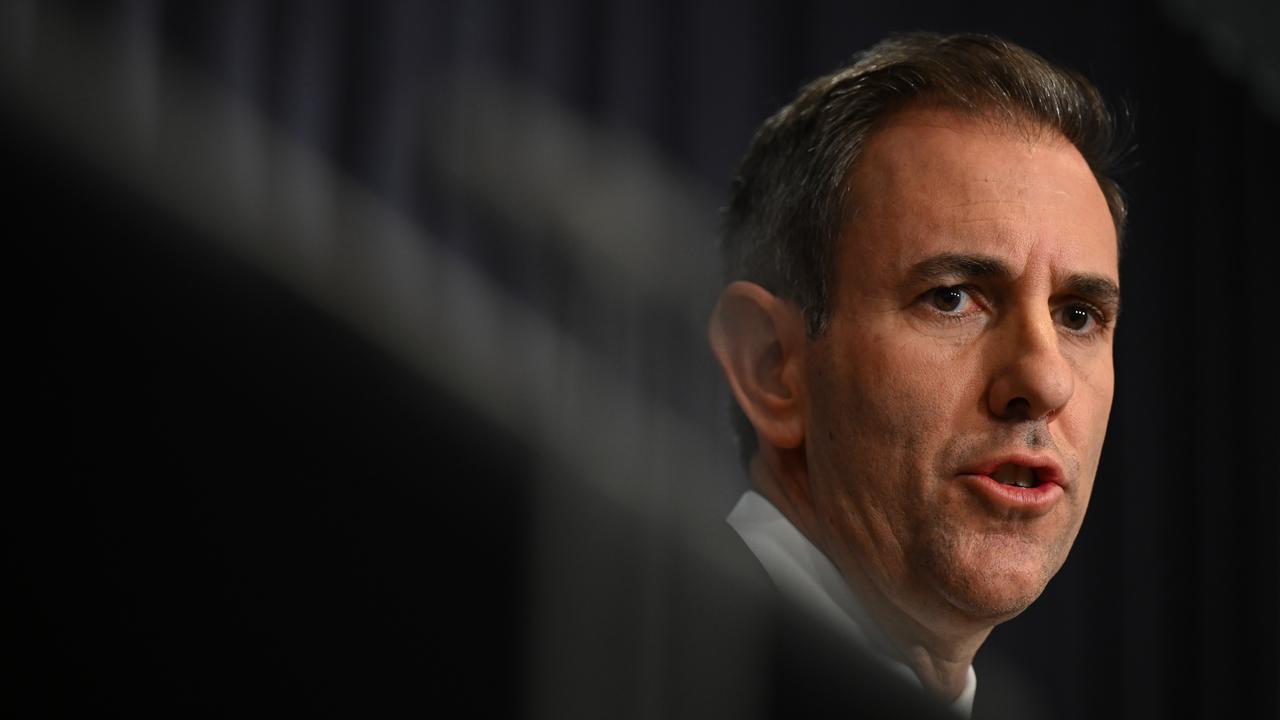
While the federal government did not nominate a figure, Treasurer Jim Chalmers had called for a "sustainable" real wage increase.
"It is, in our view, sustainable. It takes into consideration all of these economic considerations that we have been talking about," he said.
The decision covers about one-in-five employees, but given they tend to be lower paid, it only amounts to 11.2 per cent of the national wages bill, according to commission estimates.
Economists say the decision influences pay rise claims in occupations across the economy, resulting in broader flow-on effects.
AMP economist My Bui said there was a risk wage pressures spilt over into other parts of the private sector and would likely force the Reserve Bank into another rate hike in November, on top of one predicted for August.
"Wage pressures will add to already sticky services inflation, as businesses pass on higher labour and input costs, which have remained elevated amid rising goods prices," she said.
But ANZ economists said they did not expect the decision to materially alter the outlook for wages or inflation.
Opposition frontbencher James Paterson said it was not sustainable to have inflation and wages growing at such a fast rate.
"That will ultimately lead to all Australians being poorer and probably higher unemployment," he told Sky News.
The pay rise will kick in from July 1.