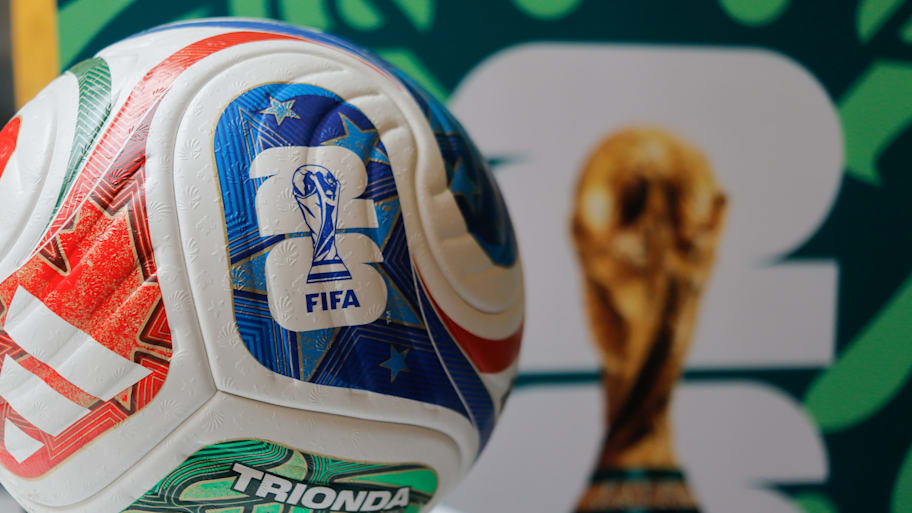
It’s almost time for the United States, Canada and Mexico to welcome the largest sporting event in the world—the FIFA men’s World Cup, with cities across the three countries set to host 104 soccer games between nations over the course of six weeks, beginning June 11.
This summer will mark the second time that the U.S. has hosted the World Cup, first in 1994, which sparked the creation of Major League Soccer. Mexico has hosted twice before, while Canada hosted the women’s World Cup in 2015, but has never welcomed the men’s edition.
With soccer ranking behind football, basketball, baseball and ice hockey in U.S. sports viewership, the tournament may be unknown to many in the U.S., yet there’s little doubt that the nation will get behind it as excitement builds.
So, if you’re new to soccer and just coming around to the World Cup, you’re in the right place, with Sports Illustrated’s beginner’s guide to the tournament and soccer terminology, inspired by a pamphlet that was actually included for fans as part of the ticket package for the 1994 World Cup.
These interviews with American fans at USA '94 are pure gold pic.twitter.com/J9CEqvWHmT
— COPA90 (@Copa90) March 26, 2026
How Many Teams Are in the World Cup?
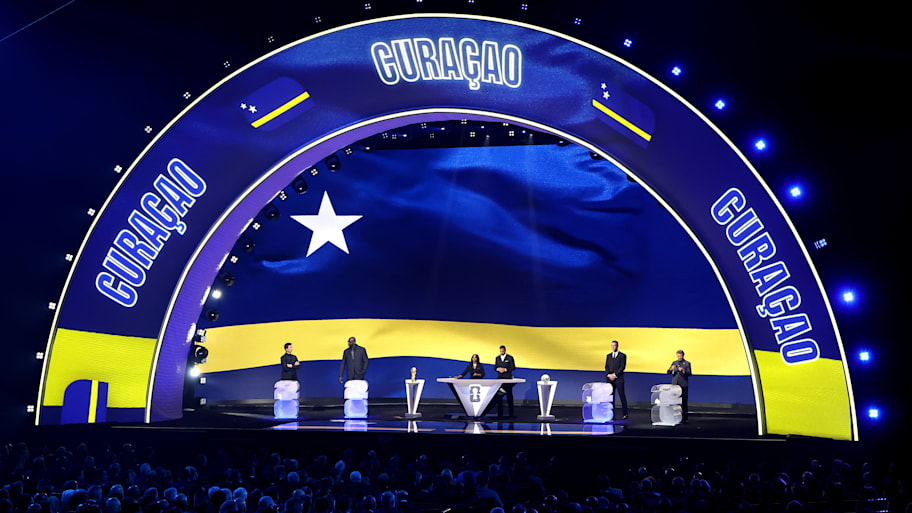
The 2026 World Cup will feature 48 teams, the most ever. The countries range widely in population size, from the U.S.’s 350 million to Curaçao’s 180,000 citizens. Yet all are aiming for the same goal: hoisting the World Cup trophy come July 19.
How Does the World Cup Work?

The World Cup sees 48 countries split into 12 groups of four. Teams play each of their group opponents once, with the top two teams in each group automatically advancing to the round of 32, The eight-best third-place finishers from their respective groups also move on to that stage. From there on, it works like a major North American sports playoff, eliminating teams in a single-elimination bracket down to the final.
Who Are the Main World Cup Contenders?
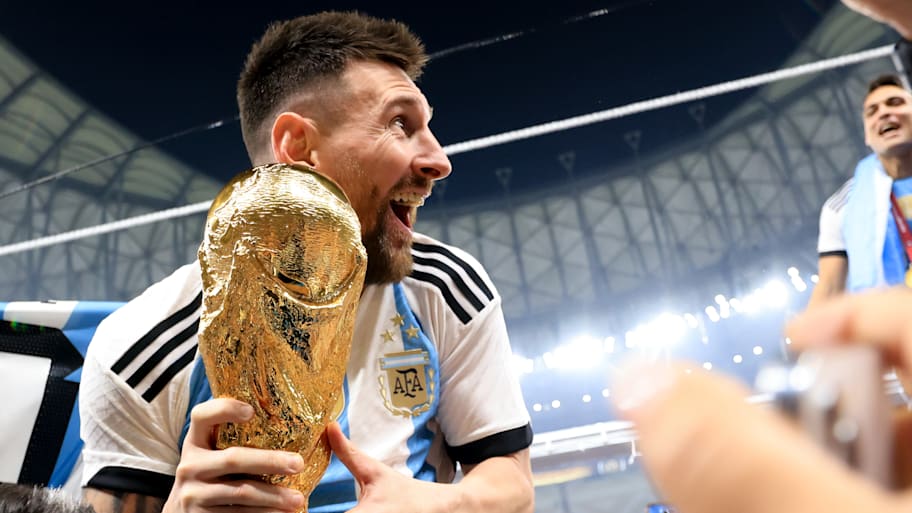
Only eight teams have ever won the World Cup, and some are contenders for the title this summer as well, including the reigning 2022 World Cup champions Argentina and the 2018 champions France.
Spain, who won the 2010 World Cup in South Africa, is expected to perform well this summer too, as are England and Germany, both of whom have also won the tournament before. Potential first-time winners are Japan, Ecuador, Norway, Senegal and the U.S.
Can the U.S. Win the World Cup?
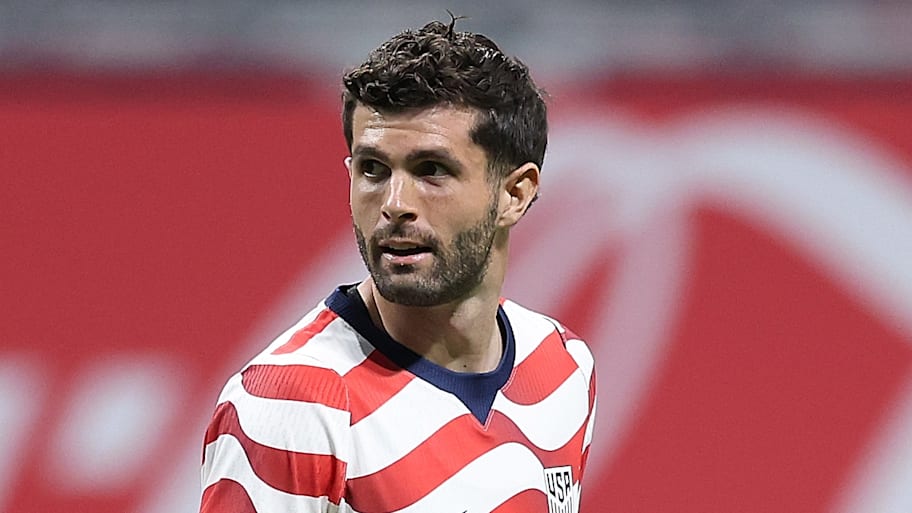
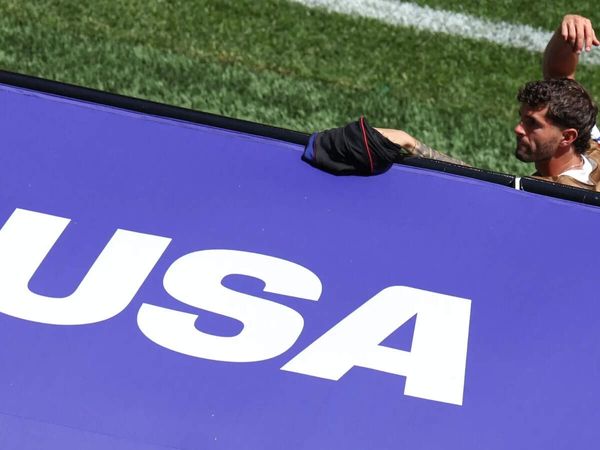
It would be the biggest shock in World Cup history if the U.S. men’s national team came away with the World Cup trophy, but that doesn’t mean it’s impossible. Now led by superstars Christian Pulisic, Weston McKennie and Folarin Balogun, the team has never advanced further than the quarterfinals in the modern era of the World Cup—and that came at the 2002 tournament. At the first-ever World Cup in 1930, the U.S. finished third.
Where Are the World Cup Games?
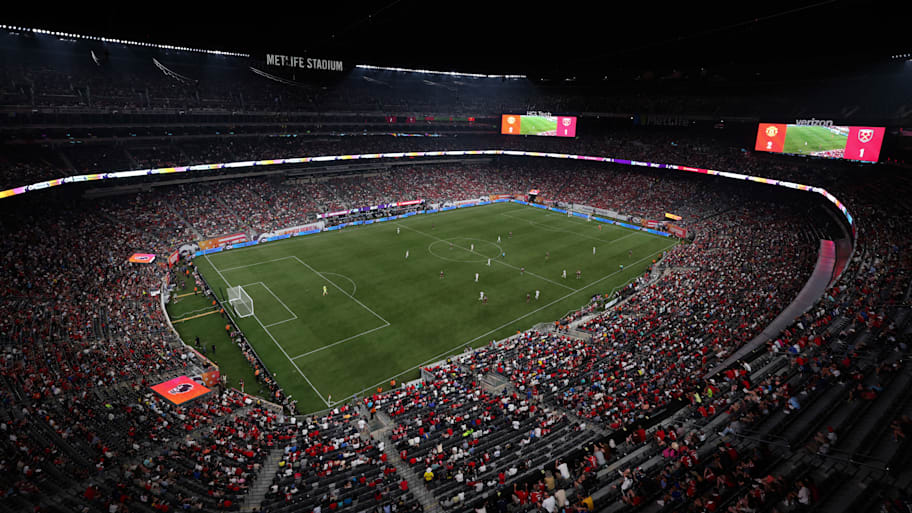
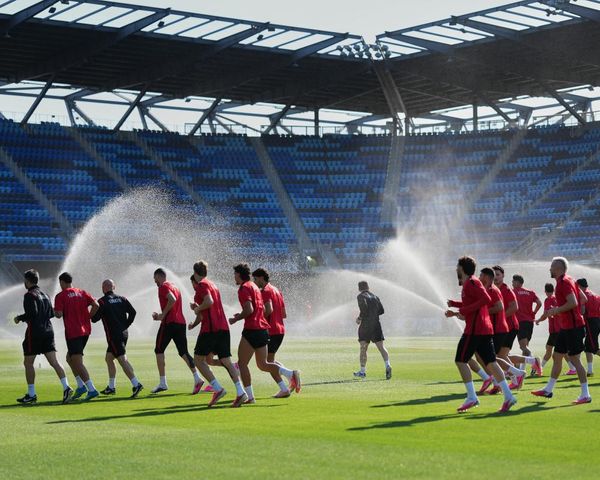
The 16 cities hosting the 2026 World Cup include Atlanta, Boston, Dallas, Houston, Kansas City, Los Angeles, Miami, New York/New Jersey, Philadelphia, San Francisco Bay Area and Seattle in the U.S., while Vancouver and Toronto host in Canada. Mexico City hosts alongside Guadalajara and Monterrey in Mexico.
Learn Some Soccer Terminology!
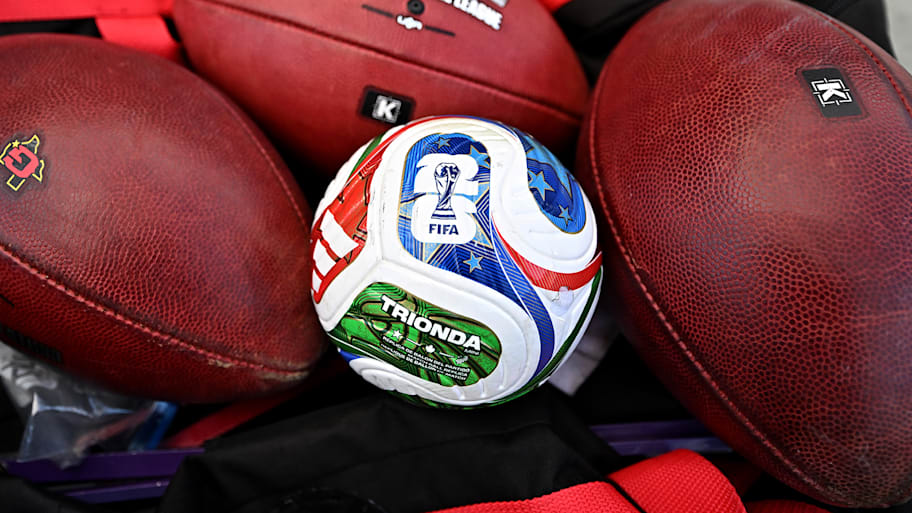
First off, what is the sport called? You’ll hear plenty of people calling it soccer this summer, the name for the sport in the United States, Canada, Australia, New Zealand and several other countries—and it’s even a word that was invented in England. Still, you’ll hear plenty of other terms for the sport as well.
Much of the world calls the sport football, while other nations call it Fútbol, fuetbol, sakkā, voetbal, and you may even hear the word “calcio,” despite Italy not being in the tournament.
Now that you’ve got that, how about some other terms? We’ve listed the most important in alphabetical order, pulling from the original 1994 World Cup pamphlet, so you’ll sound like an expert this summer.
Advantage: The referee allows play to continue rather than stopping it for a foul, if they believe there is momentum for the team that would have been given possession.
Back Pass: Players often pass backwards in soccer, but passing back to the goalkeeper to pick it up is a foul, which is when you’d most likely hear this term.
Bicycle Kick: One of the most spectacular plays, a bicycle kick is a shot on goal taken by a player with his back to the net, kicking the ball over his head while both feet are in the air.
Corner Kick: When the ball goes out of bounds behind the goal after a defending player touches it, the offensive team gets to kick it back into play from the corner of the field.
Draw: A draw is a largely foreign concept to major U.S. sports. The same as a “tie,” it is the final result of a game where both teams have the same score. There can be draws in the group stage, but not in the knockout phases and final.
Dribble: How players control and move with the ball at their feet.
End Line: The short sides of the field behind the net, which will measure 74 yards long at the World Cup.
Extra time: If the score is tied in a knockout game or the final at the end of 90 minutes, the two teams will play two 15-minute halves of “extra time” to determine a winner. The team that scores first does not win, instead, the team that leads after the extra 30 minutes wins. If the game is still tied after both extra time periods, the game advances to a five-round penalty shootout.
Formation: Players play multiple roles in soccer, but all are assigned positions to loosely commit to. For example, a “3-5-2” would feature three defenders, five midfielders and two strikers, with the goalkeeper behind them. There are nearly infinite formations teams use, and the U.S. is likely to use a 4-2-3-1.
Foul: When a player commits an offense against another player, causing the referee to stop the game and award a...look at the next term.
Free Kick: A free kick! That’s what a team is given after one of their players suffers a foul offense from an opposing player. Direct free kicks mean a player can shoot at the goal instantly, while indirect free kicks need to be touched ny a teammate before a shot is taken.
Fulltime: Fulltime is the end of the 90 minutes, which are played in two 45-minute halves. When that period is up and the game is tied in a knockout game or the final, an extra 30 minutes would be played.
Goal: A goal happens when the ball crosses the end line. The team with the most goals when the referee blows the final whistle after 90 minutes wins the game, of course.
Goal Kick: When the ball passes the end line of the field, ricocheting off an attacking player and going out of bounds, the possession switches to the other team through a goal kick, often taken by the goalkeeper from near the goal mouth.
Halftime: Halftime is the 15-minute break between each 45-minute period of play. The World Cup final will feature a longer halftime for the first-ever World Cup final halftime show, curated by Coldplay’s Chris Martin.
Handball: When the ball hits a player’s hand or arm, it is ruled a “handball” offense, and the opposing team is given either a free kick or penalty kick, depending on where the offense took place.
Kickoff: The restart from the middle of the field, either at the beginning of the game, the beginning of the second half or after a goal is scored.
Nutmeg: When a player kicks the ball through the legs of a defender. It is considered quite embarrassing.
Offside: An attacking player is considered offside if they are in the opponents’ half, nearer to the opponent’s goal line than the ball—meaning the ball is behind them in terms of where they are trying to go—and when the ball is passed forward to them, they are positioned closer to the goal line than any defender of the other team (excluding the goalkeeper). If the attacking player finds themself in this situation and then actually makes contact with the ball, they are ruled offside. There is no defined line like in football or hockey. If a player is called offside, the other team gains possession from wherever the call was made.
Park the bus: When every player on a team is focusing only on defense, usually to maintain a scoreline, they are said to “park the bus.” Think of it like parking a school bus in front of a net.
Penalty Area: The penalty area is the big white box in front of the net. The goalkeeper is allowed to touch the ball with his hands in this area, and no other, while most fouls in this space result in a penalty kick.
Penalty Kick: Similar to a penalty shot in hockey, a penalty kick sees a player go one-on-one with the opposing goalkeeper. In soccer, that is a single-touch shot from 12 yards out, where the player is expected to score most of the time.
Pitch: The soccer field of play is often called the pitch.
Red Card: A red card is the most serious penalty issued by a referee, given for the most intense fouls. When a player receives a red card, they must exit the field and their team plays shorthanded for the remainder of the game. That player is also suspended for the next match.
Stoppage time: The clock counts up to 90 minutes in soccer and does not stop for any reason; the referee then decides on additional “stoppage time,” which includes all game stoppages added up at the end of each half. The game ends when the referee blows the whistle.
Striker: The goalscorer on the team; the player responsible for the most offensive position.
Tackles: A tackle is the act of taking the ball from an opposing player. There’s no grabbing or upper-body violence like football, but there can be sliding if the player is solely targeting the ball.
Through Passes: A pass made by a player that slices between multiple defenders, opening up a critical attacking opportunity.
Throw-In: When the ball goes out of play on the longer sidelines of the pitch, the team that did not kick it out of play is given a chance to throw the ball back into play. It’s the only time outfield players can use their hands.
Yellow Card: Lesser than a red card, it is a caution for a serious foul. If a player receives two yellow cards in a game, they are shown a red card and suspended for the next game.
That’s your brief intro into some of the key parts of soccer. You ready for this summer?
READ THE LATEST SOCCER NEWS, ANALYSIS AND INSIGHT FROM SI FC
- How Lionel Messi’s First 100 Inter Miami Games Compare to Barcelona, Argentina Records
- Supercomputer Predicts Premier League Relegation Battle After Tottenham, West Ham Role Reversal
- The Nine Players With Most Assists in a Single Premier League Season—Ranked
- How Tottenham’s Remaining Fixtures Compare to West Ham’s After Huge Aston Villa Win
- Sir Alex Ferguson Taken to Hospital Before Man Utd’s Win Over Liverpool
This article was originally published on www.si.com as The Beginner’s Cheat Sheet to the 2026 World Cup: 30 Soccer Terms and More.