
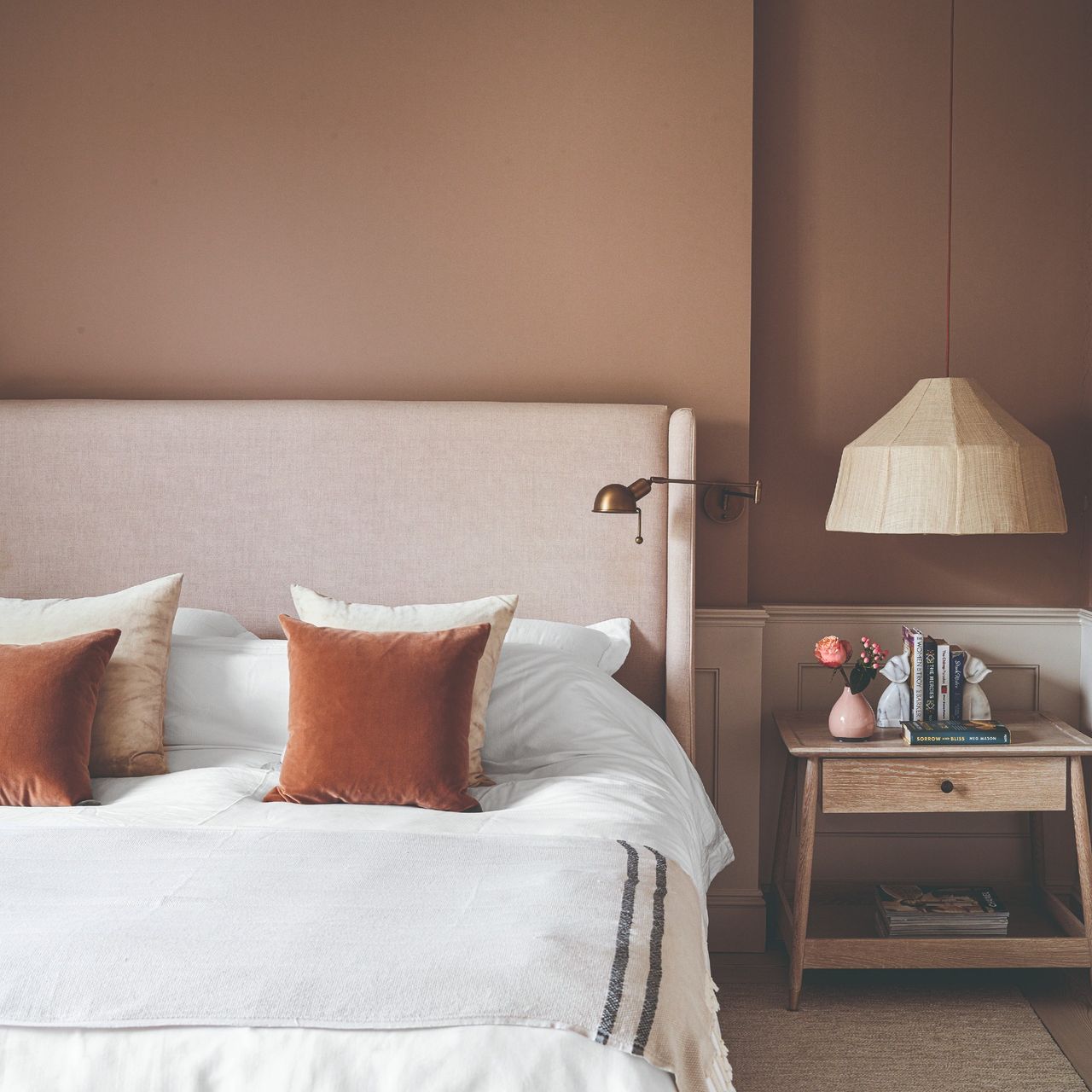
If you didn't sleep well last night, then according to experts, it could be your bedroom to blame.
Whilst we might think our bedroom design ideas mostly impact how our bedroom *looks*, experts say our design decisions can also significantly impact how our bedroom *feels*.
Get it wrong, and our bedroom design choices can have a negative impact on our mental well-being, and as a knock-on effect, our sleep quality can suffer.
However, whilst these bedroom design mistakes might be common, they are easy to solve. This is everything you need to know to banish these common 'sleep thieves' from the bedroom and restore the mental and emotional balance needed for a restful night's sleep.
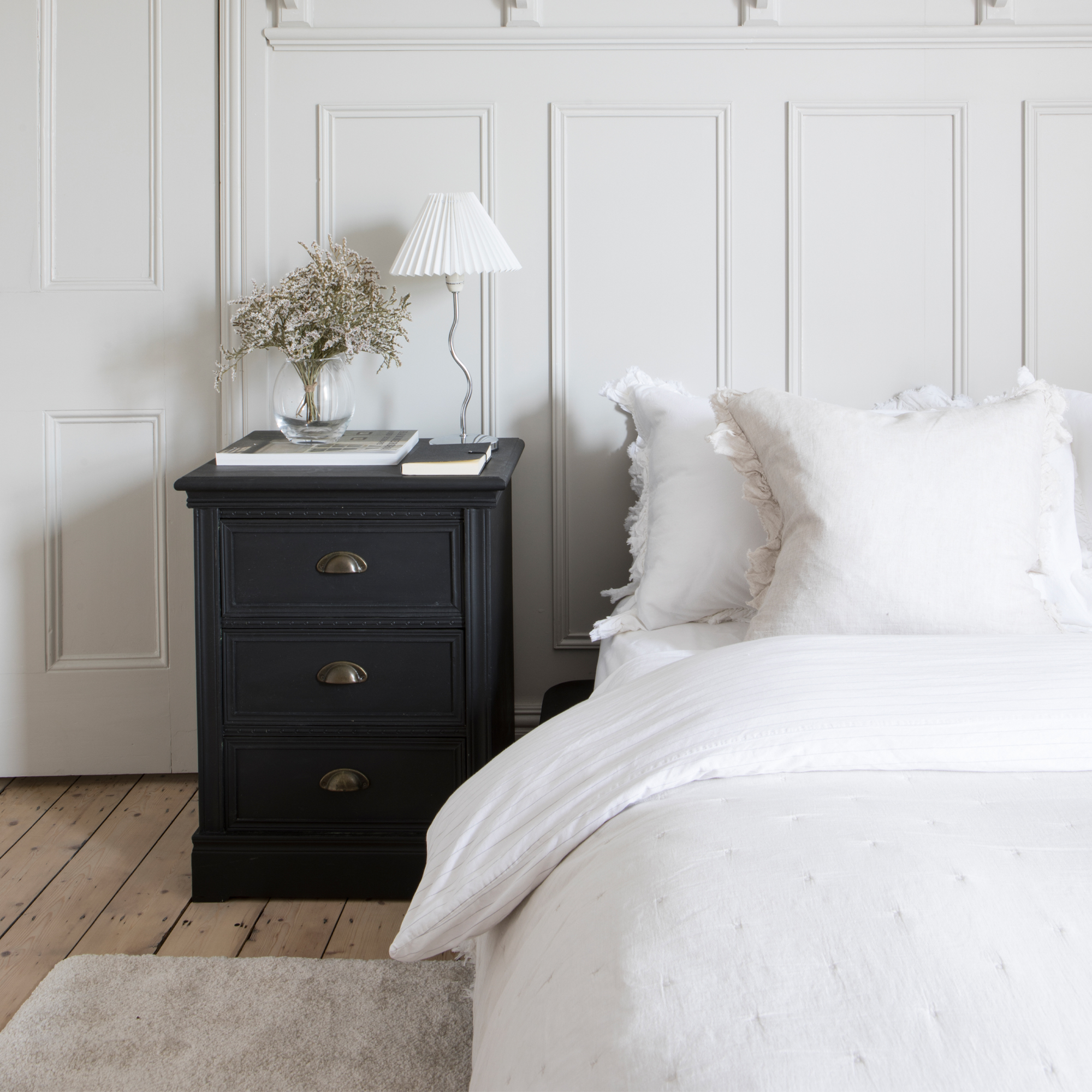
How our bedrooms can impact our sleep quality
First, some background. According to The Bedroom Reset Report carried out by bedroom furniture retailer Wren, our bedrooms can have a direct emotional impact on how we feel.
Wren says that, of the 2,000 UK adults surveyed for the report, 'around a third said things such as bedroom clutter and disorganisation made them feel frustrated, while 20% reported feeling overwhelmed by their space, and a further 11% reported deeper effects, including anxiety'.
In Wren's research, bedroom clutter was cited as one of the main factors in feelings of overwhelm, but according to experts, there are also other subtle details that can trigger feelings of unease in the bedroom, all of which directly impact our ability to rest well.
Clinical psychologist Dr Tracy King recently partnered with furniture brand Furl to explain how our bedroom design can impact our nervous systems and mental well-being.
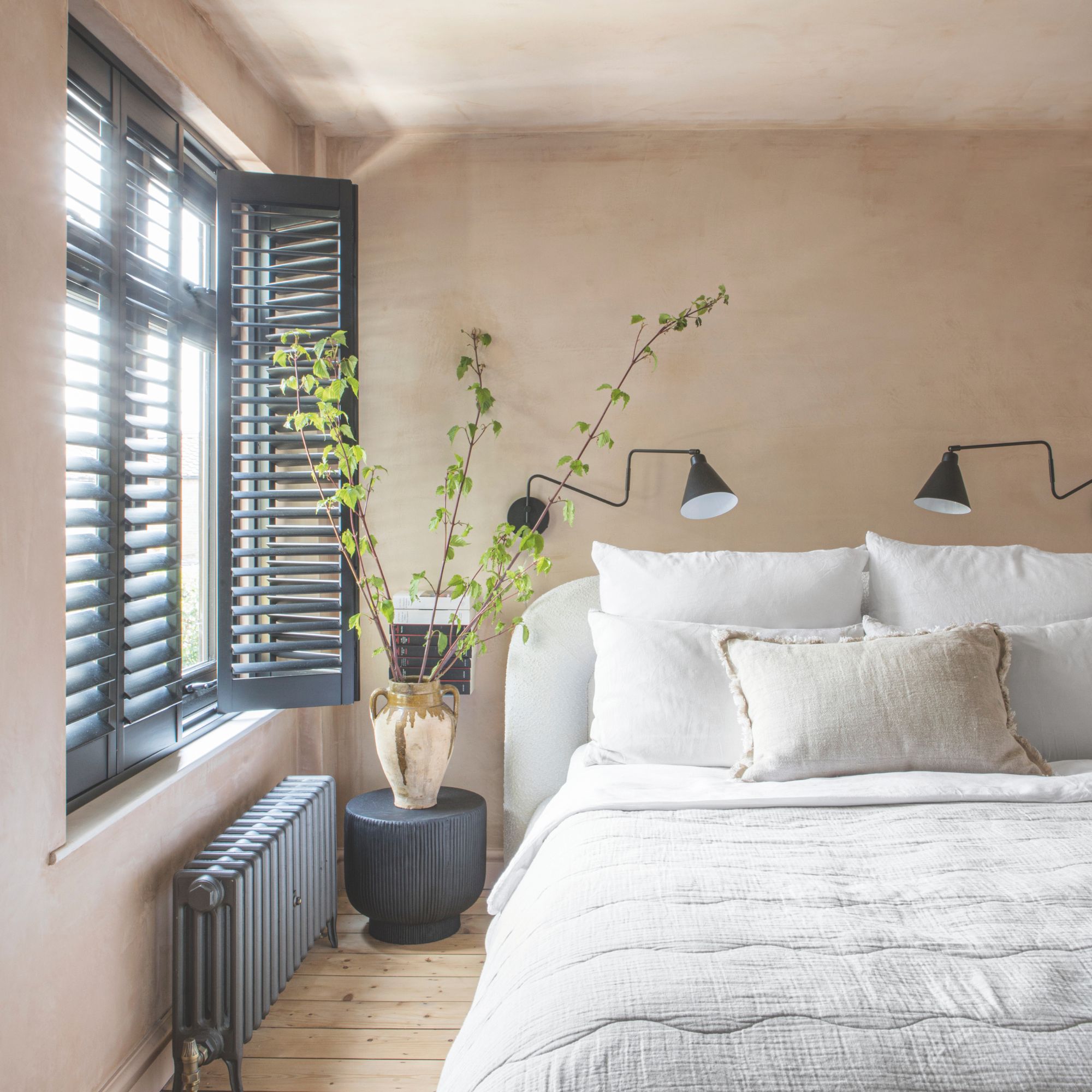
'When the bedroom signals safety, the body lets go,' explains Tracy, 'but when the space signals exposure, clutter, or sensory threat, the brain keeps scanning, even at night.'
'That low-level vigilance might not be something we consciously notice,' says Tracy, 'but it can mean sleep becomes lighter, shorter and more easily disturbed.'
So what are these common 'sleep thieves' in the bedroom, and how do we fix them for a better night's sleep? Thankfully, there are some easy solutions when it comes to how to sleep better.
6 common 'sleep thieves' and how to fix them
1. Consider your bed's position
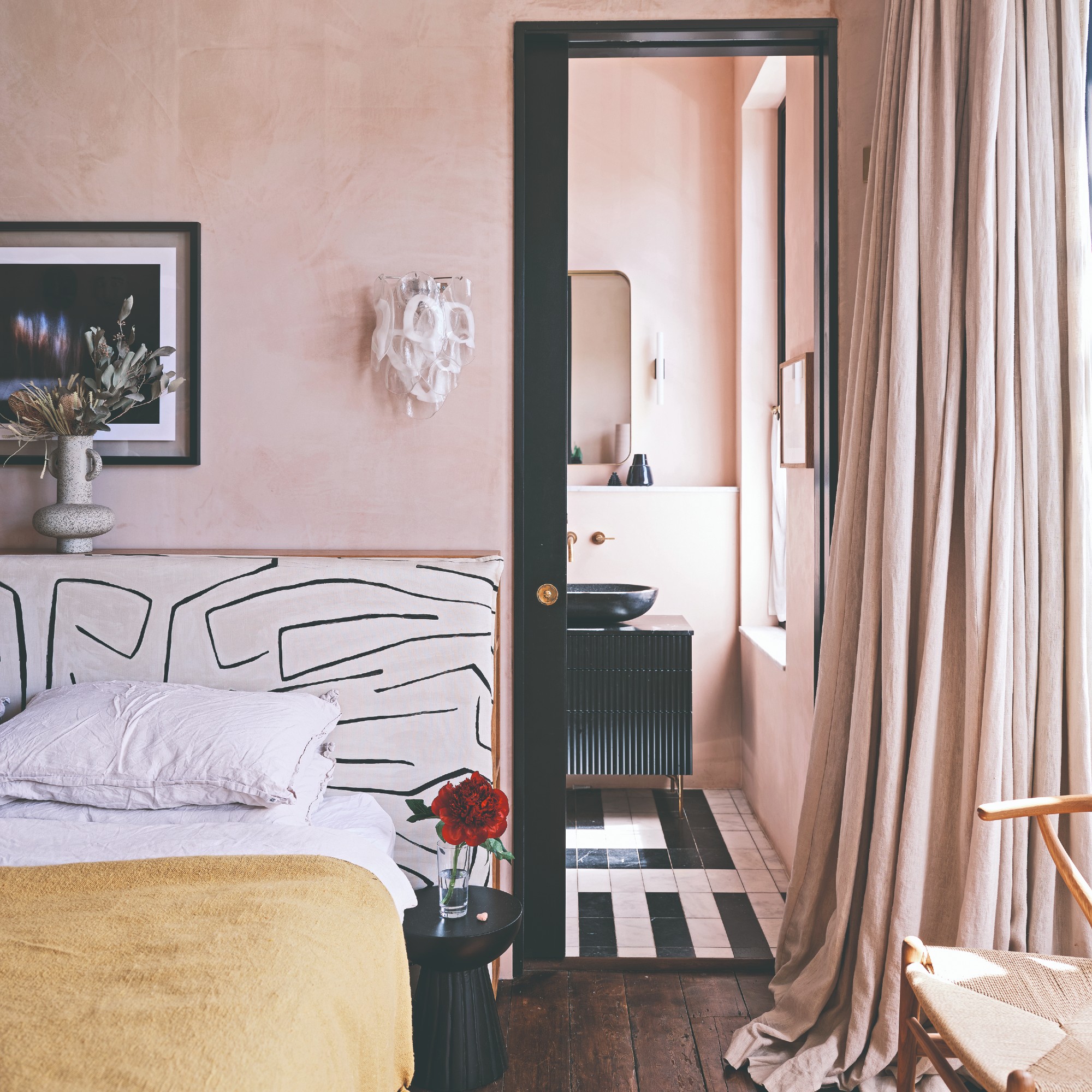
According to Tracy, where our bed is placed in our bedroom can have a subtle but significant impact on our mental well-being, and therefore our sleep quality.
'The bed should ideally be on a solid wall, with a clear view of the door,' says Tracy. 'Psychologically, this reduces the brain’s need to monitor the environment. Feng shui calls this the command position. Nervous-system-wise, it lowers unconscious vigilance, which supports deeper sleep.'
Tracy also advises avoiding placing the bed in front of a window. 'Even if you do not consciously notice it, a window behind the head can feel exposed to the primitive brain,' she explains. 'If moving the bed is not possible, add a solid headboard and use heavier curtains or blinds at night to create a more protected feeling.'
2. Check your bed's stability
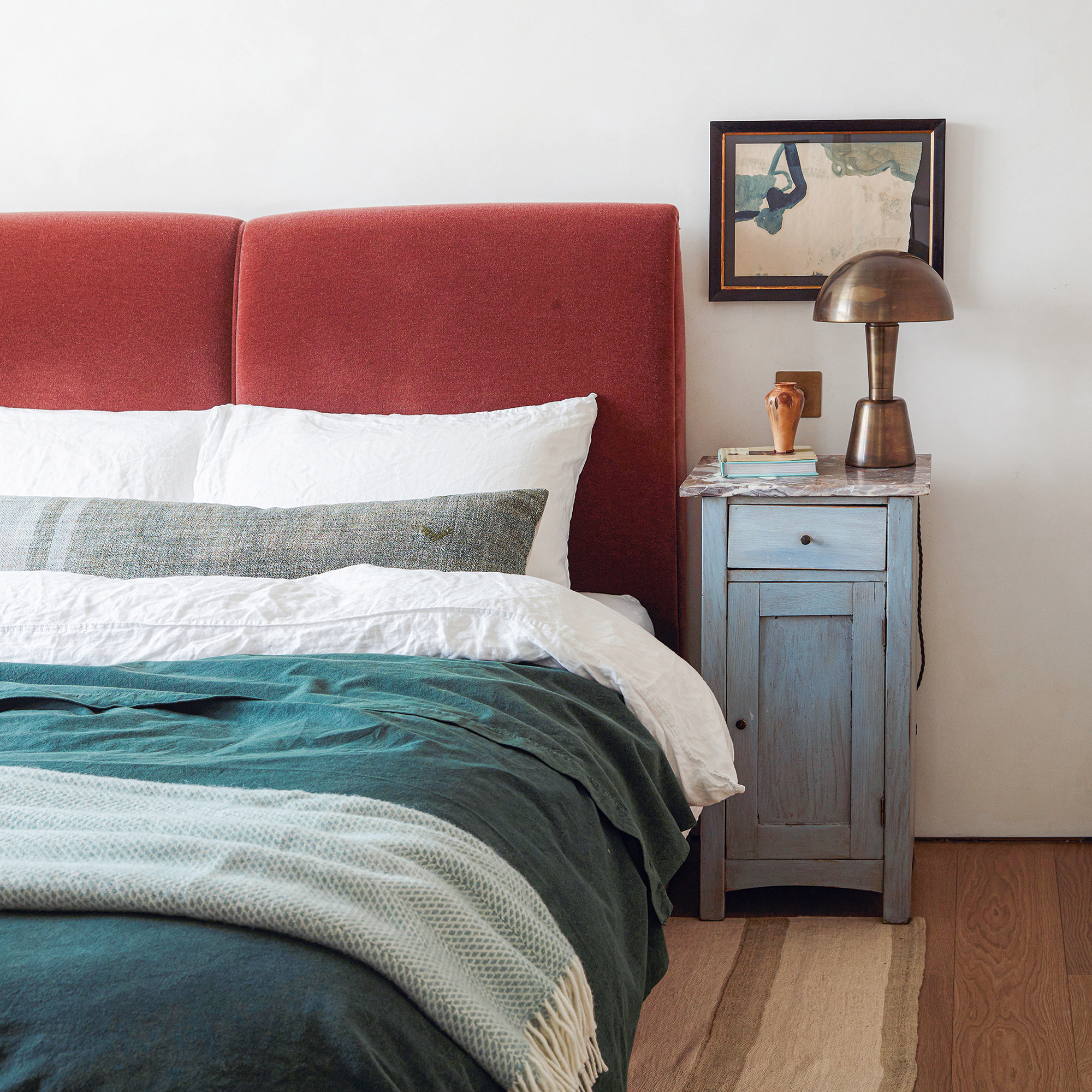
And this leads us on to our next fix. Feng shui experts say all beds should have a headboard to create more energetic stability in the bedroom, and furniture expert Magdalena Gierasinska, head of product and displays at Barker and Stonehouse, suggests this stability should also extend to your bed frame.
'An old, creaky, or unstable frame can affect both sleep quality and the overall feel of the bedroom,' says Magdalena. 'Even small movements during the night can cause a worn or poorly supported frame to shift or make noise, which can disturb sleep and make it harder to stay in a deep, restful state.'
'However, beyond the practical impact, the condition and materials of a bedframe can influence how calm and secure the bedroom feels. A sturdy, well-built frame with a solid headboard can help create a sense of stability and comfort, making the bed feel like a more supportive place to rest.'
So, when it comes to where to buy a bed and what type of bed to opt for, Magdalena says that 'choosing durable materials and ensuring the frame is properly assembled can play an important role in creating a bedroom environment that encourages deeper, uninterrupted sleep.'
3. Create bedside symmetry
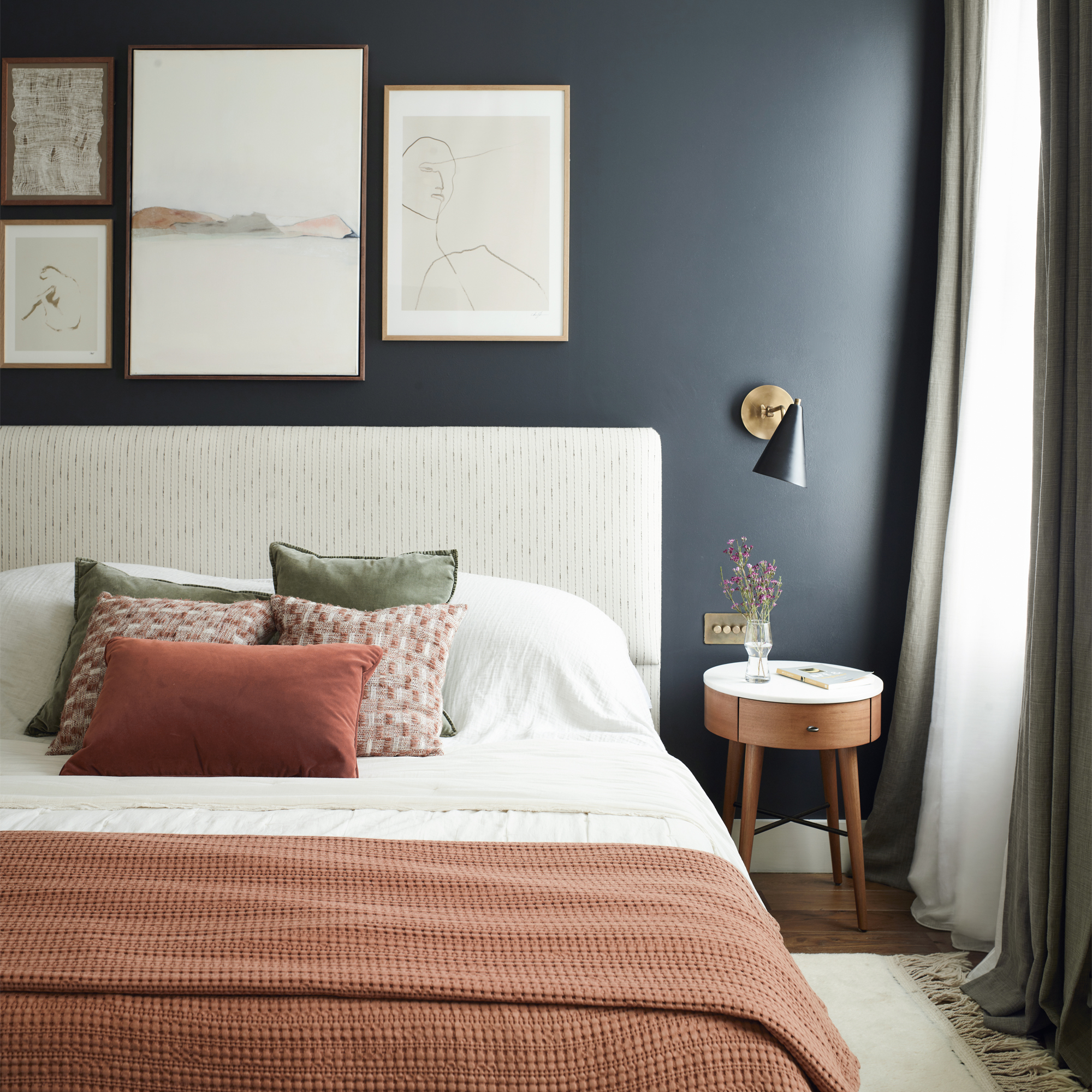
Next up in the mission to relax our brains into sleep is considering symmetry in our bedroom design.
'Two bedside tables or two lights are not just for style,' says Tracy. 'Symmetry tells the brain the environment is stable and predictable.'
That means that even if you sleep alone, your bed should still be balanced by placing a bedside table on each side of the bed so that the brain can relax and feel safe.
4. Opt for 'warm' bedroom lighting
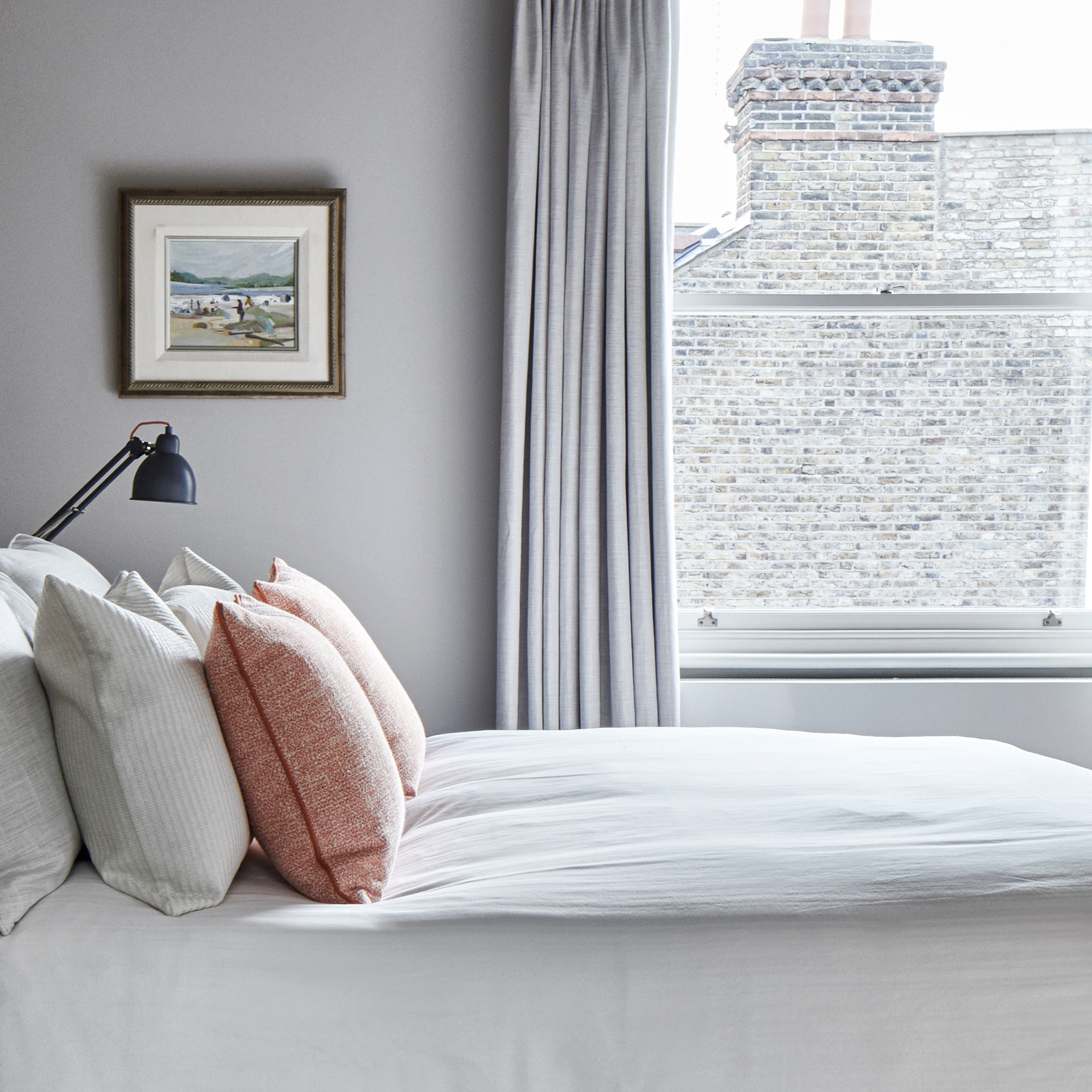
Bedroom lighting is another important consideration for creating a relaxing sleep environment.
Magdalena suggests using 'warm, low-level lighting, such as bedside lamps with soft amber tones, as harsh overhead lights can interfere with the body’s natural sleep signals.'
You might also want to consider adding blackout blinds at the bedroom windows to block out outside stimulation or distractions.
5. Reposition any mirrors that reflect the bed
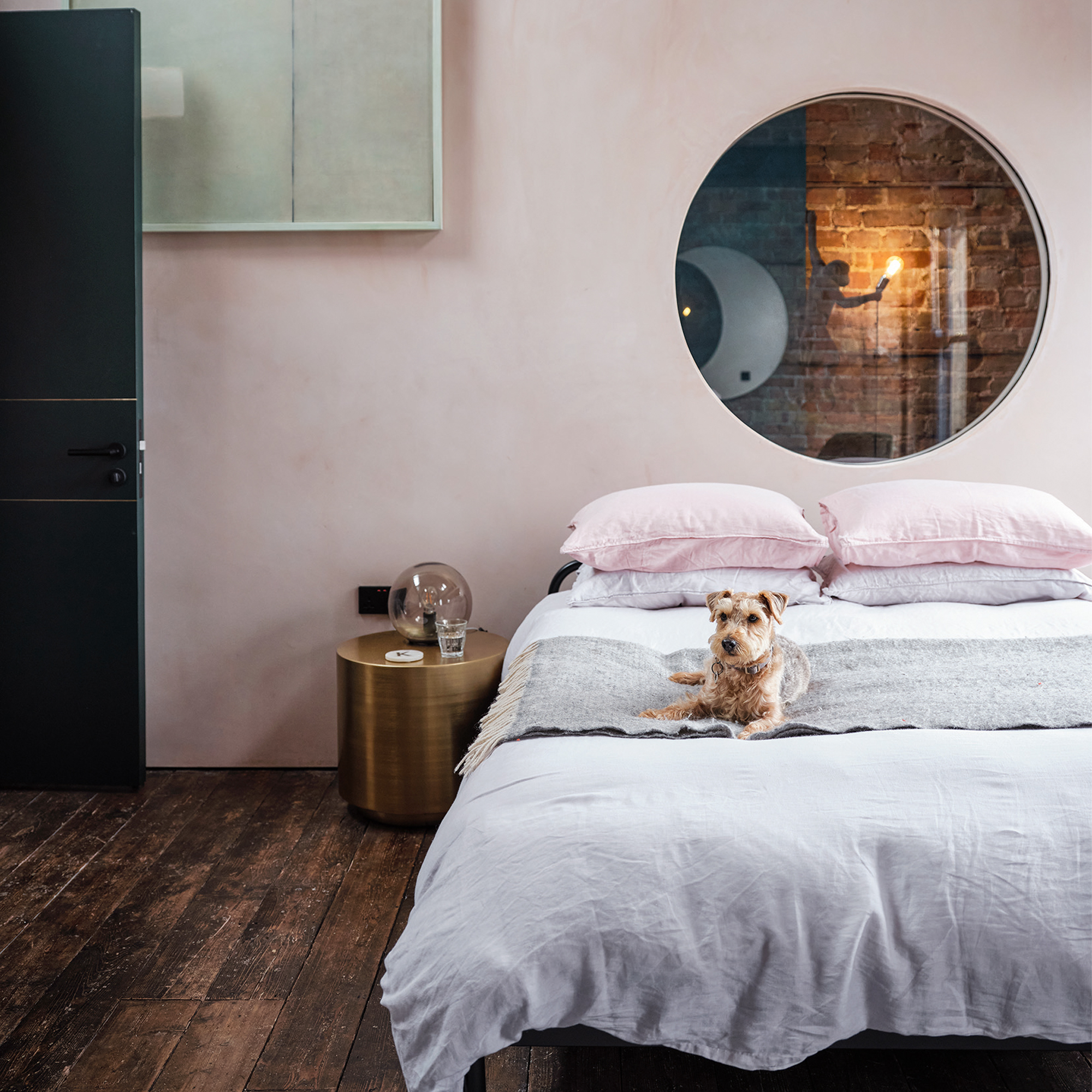
'In feng shui, mirrors reflecting the bed are considered activating,' says Tracy, 'and in psychological terms, they add visual stimulation and can increase self-monitoring or nighttime alertness.'
So whilst it can be useful to have a full-length mirror in the bedroom, especially if you don't have a dedicated dressing room at home (how I wish!), you might want to think about where you place it in the room, and avoid positioning it in the eye-line with the bed.
'If a mirror has to stay, cover it at night or angle it away from the bed,' suggests Tracy.
6. Banish bedroom clutter
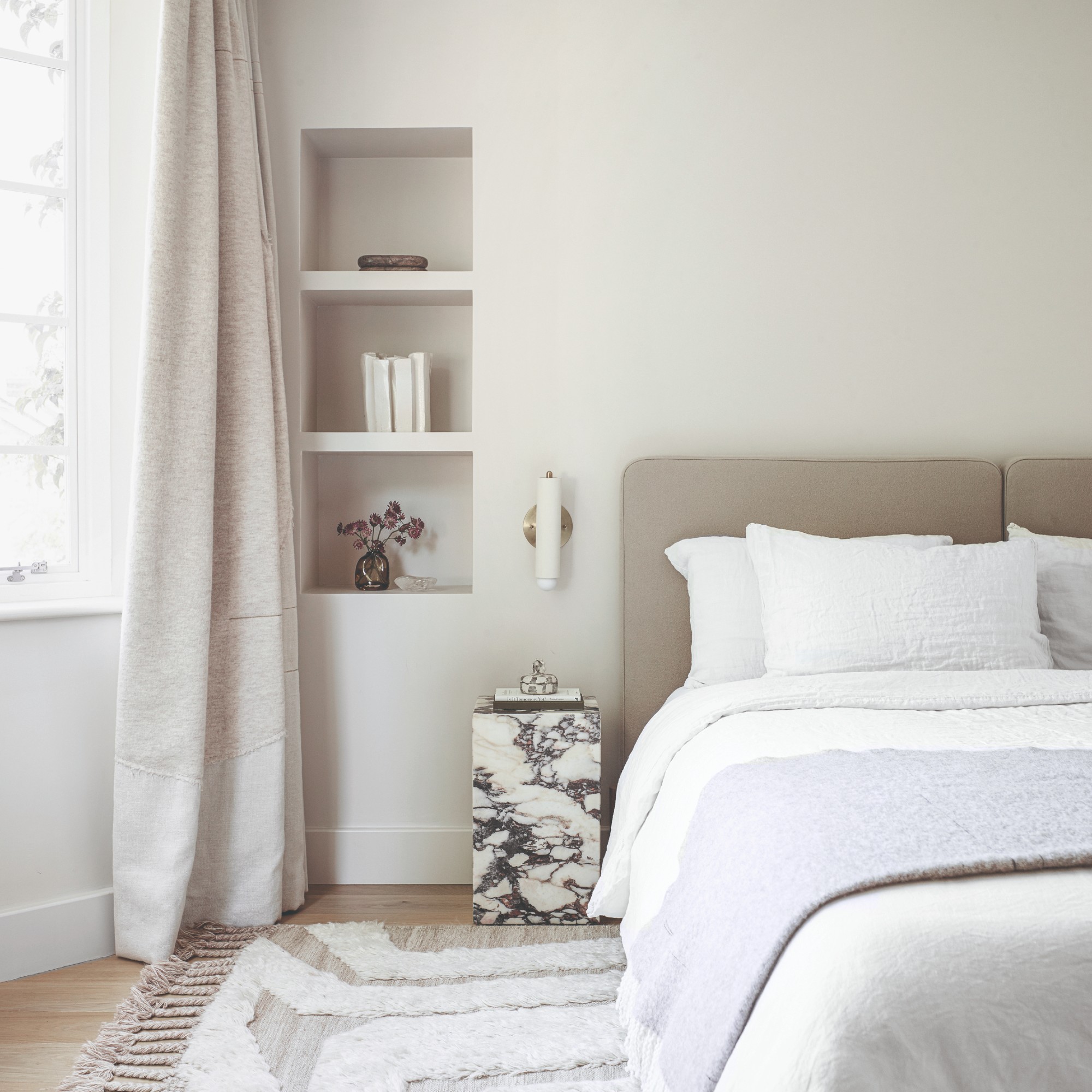
And lastly, our experts recommend banishing as much clutter as you can from your bedroom. Clutter doesn't just look messy, but as Tracy explains, this 'visual noise' impacts our brains (and therefore sleep) in ways we might not expect.
'Your nervous system scans the room even when you are trying to rest.' says Tracy. 'Overfilled shelves, piles of laundry, and cluttered surfaces keep the brain engaged.'
'A bedroom filled with too many items can keep the brain mentally stimulated in a space that should feel calm and restorative,' agrees Magdalena. She advises reducing the number of objects in the room, clearing the floor, and limiting bedside items to help create a more relaxing environment and minimise stress responses around bedtime.
'Clear the tops of bedside tables and remove anything that looks like a task, such as paperwork, cables, or gym gear,' seconds Tracy.
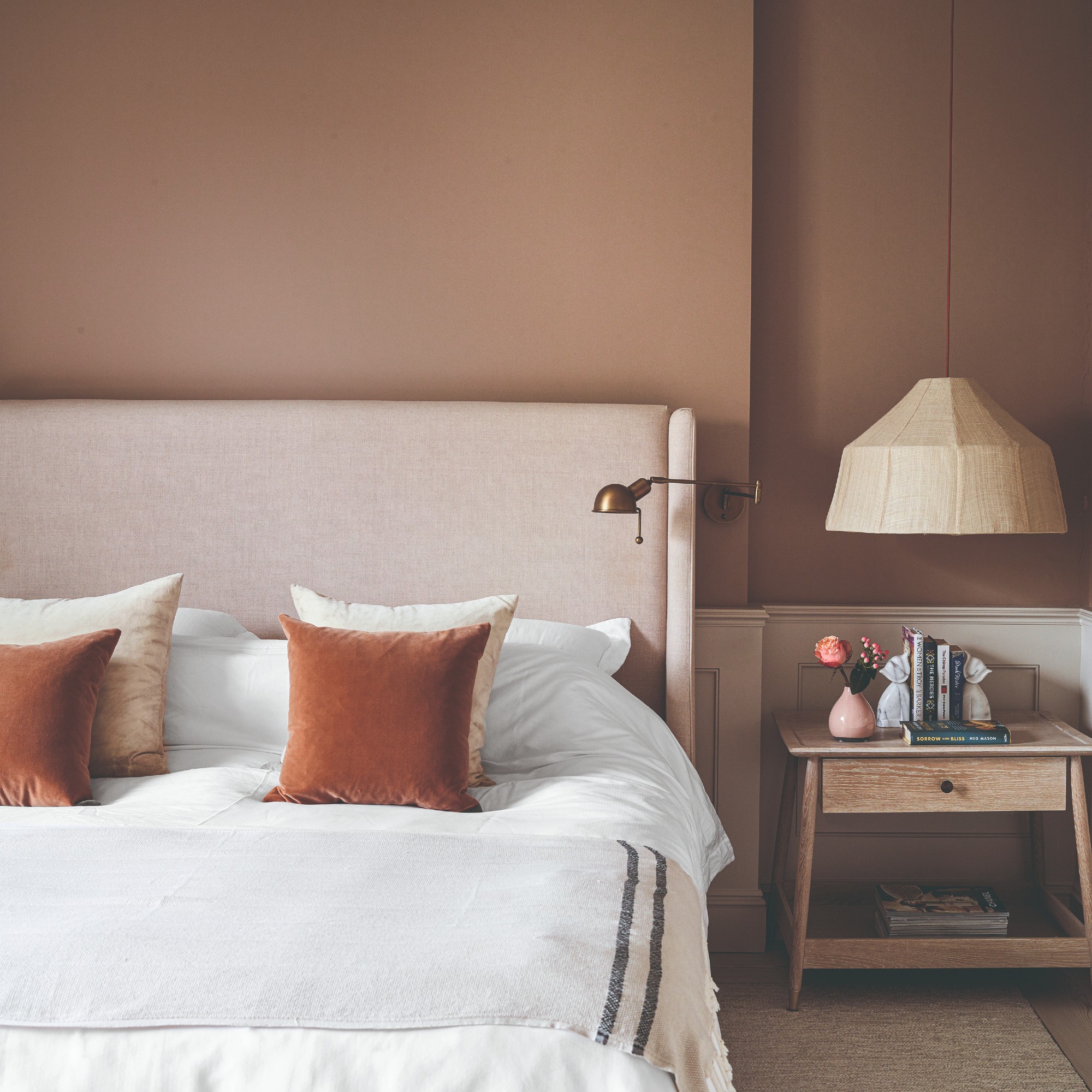
As Joanne Dodsworth, head of bedrooms at Wren, sums up, 'bedrooms today need to work harder than ever before, but that doesn’t mean they should feel cluttered or overwhelming.'
'With the right design approach, it’s entirely possible to create a space that supports multiple functions while still feeling calm and restful.'
So there we have it, fix these common 'sleep thieves' and your mind should be able to relax fully the moment you step into your bedroom. And as we all know, a relaxed mind means more chance of drifting off to sleep quickly and easily, and a better likelihood of a deep and restorative sleep.