Five years ago, Strixhaven: School of Mages showed us Magic: The Gathering's original take on the wizard school genre, which covers everything from Discworld's Unseen University to A Wizard of Earthsea by Ursula Le Guin—though obviously Harry Potter is the elephant in the room.
Back then, Wizards of the Coast hadn't gone all-in on the crossovers. Now we've had everything from a Teenage Mutant Ninja Turtles set to a limited run featuring Dwight from The Office. It was reasonable to wonder, after Wizards of the Coast's corporate owner Hasbro announced a partnership with Warner Bros to "bring the Harry Potter universe to life through licensed toys and games," whether that meant Magic would be one of the vehicles for that exercise in cross-branding synergy, or whatever the executives call it these days.
But no. Instead, Magic is returning to its own setting for Secrets of Strixhaven, a sequel set that checks in on the students and faculty several years and one multiversal war later to see how they're doing. And, though I've enjoyed Magic's crossovers like Middle-earth and Warhammer 40,000, I'm glad they're taking a break from them this time.
Strixhaven has a lot to recommend it over Hogwarts. For starters, it teaches subjects other than magic. While your history professor might summon a ghost to deliver a guest lecture on events they lived through and your biology teacher might be an actual druid, Strixhaven's classes include mundane subjects from art to zoology. You're going to come out more rounded than someone who has expertise in Defense Against the Dark Arts and Potions but has never taken a math class in their life.
It's also a university rather than a high school. The student wizards are all young adults rather than mostly children, which makes the fact they end up in exciting magical peril on the regular a bit more OK. After book after book of the Hogwarts staff pushing their students into life-or-death situations, it's difficult to see Dumbledore as a kindly old avuncular fuddy-duddy, rather than an incompetent liability who should have been fired years ago.
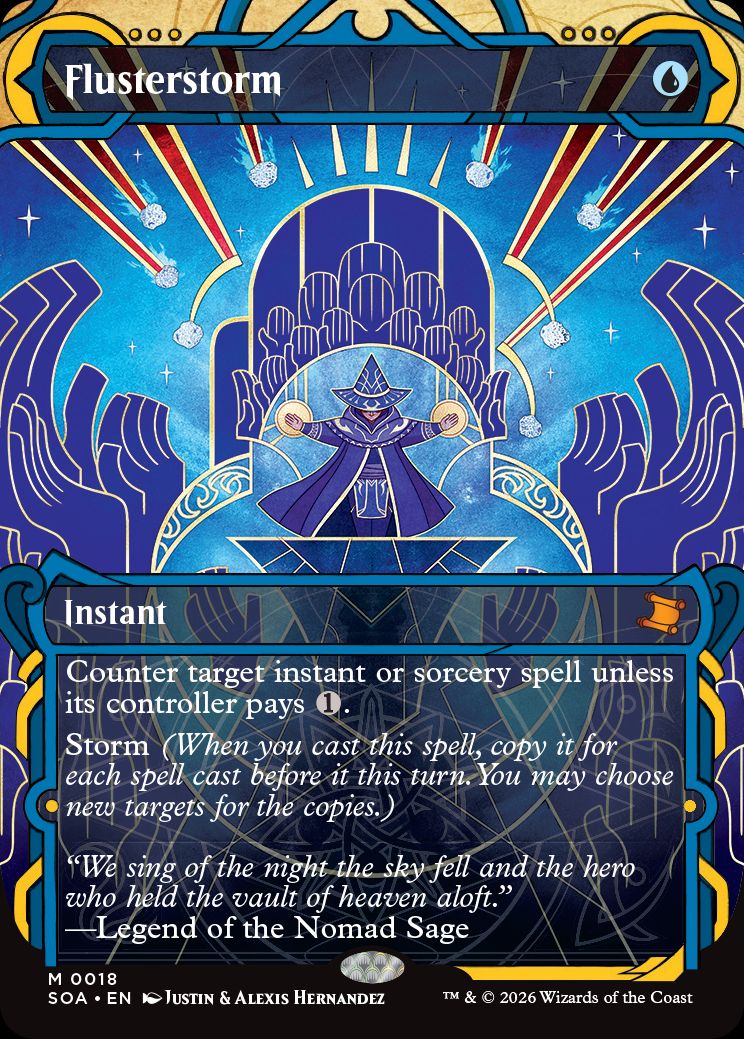
The age difference also makes the five colleges, Strixhaven's equivalent of Harry Potter's houses, seem less cruel. Each college represents a broad field of study, like Prismari's focus on using elemental magic to enhance the visual and performing arts, and importantly they're chosen by the students themselves at the start of their second year rather than being personality designations arbitrarily assigned by one magical bonnet.
There's no quidditch either, and the equivalent sport of mage tower, which is about playing keepaway with your opponent's mascot, has a scoring system that isn't paper-thin absurdity. But at this point I'm nitpicking. Really, the reason Strixhaven is a more fun take on magical school tropes is that it's self-aware enough to make fun of the whole idea.
When you start reading Harry Potter it feels like a parody of the British boarding school system, something close in spirit to the brilliant assassin school bit in Terry Pratchett's Pyramids, but the longer the series goes on the more obvious it becomes that Harry Potter is actually a celebration of boarding school nonsense—it just read like parody because it seems unthinkable someone could be in favor of separating children from their families to make them undergo an authoritarian proving ground to prepare them for the class system.
The fact Strixhaven wasn't created by a transphobic nutbar is really just a bonus. Secrets of Strixhaven will be available in Arena from April 21, and on tabletops from April 24.