Texas homeowners just got a proposal that could shake up long-term housing costs in a big way. “Operation Double Nickel” aims to freeze property taxes starting at age 55, locking in stability during years when income often tightens and expenses rarely slow down. For many households, property taxes continue climbing year after year, quietly pushing retirement dreams further away. This plan tries to flip that script by putting a cap on future increases once homeowners hit a key milestone age.
The idea has sparked attention because it targets one of the biggest ongoing expenses in Texas homeownership. While details still depend on legislation, the promise centers on predictability, protection, and long-term savings. And for people planning to stay in their homes for decades, that kind of stability could feel like a financial safety net dropped right into their driveway.
What “Operation Double Nickel” Proposes for Texas Homeowners 55+
Operation Double Nickel focuses on freezing property tax assessments once a homeowner turns 55, preventing future increases tied to rising home values. Instead of watching tax bills climb alongside the housing market, eligible homeowners would lock in their tax baseline at the moment they qualify. That creates a predictable annual cost that doesn’t fluctuate with real estate booms or appraisal spikes. Lawmakers promoting the idea argue it helps long-term residents stay in their homes without feeling priced out by rising valuations.
Supporters say this approach builds stability for aging homeowners who often live on fixed or semi-fixed incomes. Critics, however, question how local governments would replace the lost tax growth that funds schools, roads, and emergency services. The proposal continues to evolve, and details like eligibility rules and exemptions will matter heavily in determining its real impact.
How a Property Tax Freeze Could Actually Reduce Annual Housing Costs
A property tax freeze doesn’t eliminate taxes, but it locks in a baseline that protects homeowners from yearly increases. That matters because Texas property taxes often rise even when mortgage payments stay the same, creating creeping pressure on household budgets. By stabilizing one of the most unpredictable parts of homeownership, the plan aims to reduce financial stress over time. Many retirees and near-retirees already struggle with budgeting when tax bills jump unexpectedly.
The biggest benefit comes from long-term compounding savings, especially in high-growth housing markets. When home values rise, taxes typically follow, sometimes increasing by hundreds or thousands of dollars over a few years. A freeze interrupts that cycle and creates consistency that makes retirement planning easier and more reliable.
Who Could Qualify and What Rules Matter Most
Eligibility will likely play a major role in how effective Operation Double Nickel becomes. The proposal centers on homeowners who reach age 55, but additional requirements may include primary residence status and ownership duration. Some versions of similar policies in other states also require homeowners to apply for the freeze rather than receive it automatically. That means paperwork, deadlines, and documentation could determine whether someone benefits.
Residency rules could also shape who gains access, especially for people who move later in life. Texas lawmakers may design restrictions to prevent short-term buyers from taking advantage of long-term tax relief. These details matter because they directly affect how widely the benefit spreads across different communities.
Potential Savings Breakdown: Where the $1,000 Figure Comes From
The idea of saving around $1,000 annually comes from average property tax growth trends in Texas counties. In many areas, homeowners see yearly increases ranging from 2% to 6% depending on market conditions and appraisal values. Over time, that can add up quickly, especially for homes in fast-growing suburbs. A freeze would stop those incremental increases from stacking year after year.
For example, a homeowner paying $6,000 annually in property taxes could see that number climb to $7,000 or more within a few years in a rising market. Locking the tax base prevents that escalation, effectively saving the difference each year once increases would have occurred. Over a decade, those savings can grow into several thousand dollars, depending on local rates and property appreciation.
What Texas Homeowners Should Watch Before Celebrating
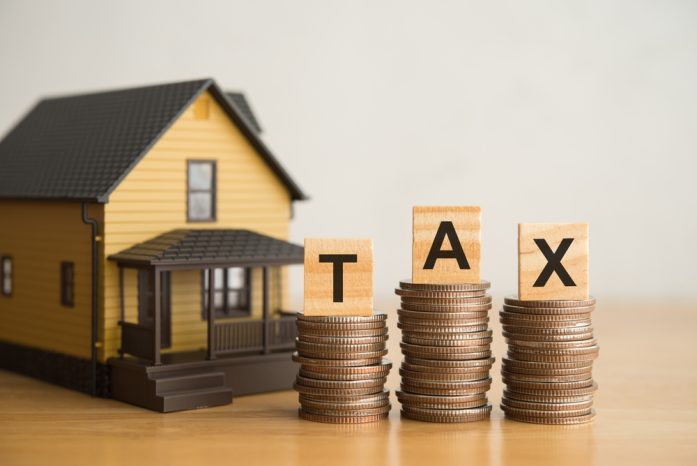
While the proposal sounds appealing, implementation details will determine its real-world impact. Local governments rely heavily on property taxes, so any freeze could shift funding responsibilities elsewhere or tighten budgets. That means lawmakers may introduce offset mechanisms such as adjusted rates for non-eligible homeowners or changes in local funding formulas. Homeowners should watch how these trade-offs evolve during legislative debates.
Another key concern involves mobility. A tax freeze could discourage seniors from moving, even when downsizing might make financial sense. If the benefit stays tied to a specific property, relocating could reset the tax advantage and reduce flexibility later in life.
The Bigger Picture Behind Texas Property Tax Relief Efforts
Operation Double Nickel reflects a broader push to make homeownership more sustainable in high-tax states like Texas. Rising property values continue to outpace income growth for many residents, especially retirees living on fixed budgets. Policymakers see tax relief as a way to keep long-term residents in their communities while maintaining economic stability.
At the same time, the proposal highlights a classic balancing act between homeowner relief and public funding needs. Schools, infrastructure, and emergency services depend heavily on property tax revenue. Any long-term freeze policy will need to strike a careful balance between individual savings and community funding demands.
What do you think about freezing property taxes at 55—smart relief or complicated trade-off for communities?
You May Also Like…
Why Some Banks Are Tightening Cash Access in Texas and Florida
Texas’ Part A Hit: Why Hospital Bills Are Higher for May Admissions
Could a Summer Special Session Still Kill Property Taxes? DeSantis Hints at a Showdown
Texas Has No Income Tax — But Property Taxes Can Get Close To 2% in Some Areas
The post Texas Wants to Freeze Property Taxes at Age 55 — How “Operation Double Nickel” Could Save You $1,000 appeared first on Clever Dude Personal Finance & Money.