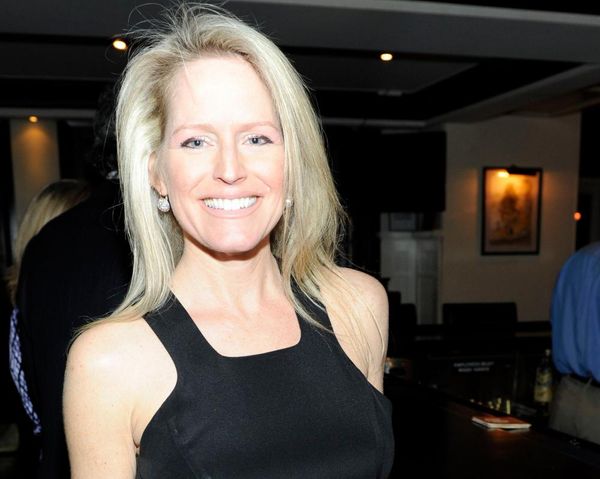
A 62-year-old retired teacher from Hampshire travelled to Switzerland to access assisted-dying services despite not having a terminal illness. Susan Vardon is reported to have ended her life at a clinic in Zurich in January 2026, citing 'unbearable psychological suffering' following the death of her only son two years earlier.
The case has drawn renewed attention to the boundaries of assisted dying, particularly in situations where individuals are not suffering from life-limiting physical conditions. It has also been raised in the context of ongoing debate over proposed legislation in the United Kingdom.
Hampshire Constabulary confirmed in March 2026 that it had reviewed the circumstances surrounding Vardon's travel. Officers examined whether any offence had been committed under the Suicide Act 1961, which prohibits assisting or encouraging suicide. Police said no further action would be taken, as there was no evidence of unlawful assistance within UK jurisdiction.
Legal Differences Between the UK and Switzerland
In the UK, assisting suicide remains illegal under the Suicide Act 1961 and carries a maximum sentence of 14 years' imprisonment. By contrast, Swiss law permits assisted suicide provided it is not carried out for 'selfish motives', a provision that has allowed organisations such as Pegasos to operate legally.
Swiss clinics may consider a broader definition of suffering, including psychological distress. In the UK, proposals under the Assisted Dying Bill are limited to mentally competent adults with a terminal illness and a life expectancy of six months or less.
Supporters of the proposed legislation, including the campaign group Dignity in Dying, have said a regulated domestic framework would provide clearer safeguards and reduce the need for individuals to travel abroad. Others, including medical bodies and some parliamentarians, have raised concerns about how eligibility criteria might be interpreted or expanded over time.
Mental Health and Assessment Concerns
Medical organisations, including the Royal College of Psychiatrists, have previously raised concerns about assessing decision-making capacity in cases involving grief or long-term psychological distress.
Bereavement can affect judgement, particularly in cases of prolonged grief. While Vardon reportedly underwent a psychiatric assessment in Switzerland, some UK-based specialists have questioned how such evaluations compare with NHS clinical standards.
🚨🇮🇲 NEW: The UK Government says it is unable to recommend the Isle of Man’s Assisted Dying Bill for Royal Assent due to concerns it might not comply with the ECHR
— Politics Global (@PolitlcsGlobal) April 17, 2026
[@manxradio]
The Nuffield Council on Bioethics has also warned that extending assisted dying beyond terminal illness may raise challenges for suicide prevention frameworks. The council has said that cases involving psychological suffering require careful consideration of mental health support and long-term care.
Wider Context and Political Debate
The case has emerged alongside other reports of British nationals travelling to Swiss clinics without a terminal diagnosis. Media coverage in 2026 has highlighted similar cases involving individuals citing psychological suffering.
At Westminster, the Assisted Dying Bill continues to be debated, with lawmakers divided over safeguards and eligibility criteria. The Home Office has said operational decisions in individual cases remain a matter for law enforcement agencies.
Campaign groups, medical organisations and lawmakers have continued to present differing views on how the law should balance individual choice with protections for vulnerable people.
When Spain introduced “assisted dying” in 2021, the Humanists applauded, calling on UK MPs to “play close attention to the example set by Spain”.
— Lois McLatchie Miller (@LoisMcLatch) March 27, 2026
Those “assisted dying” laws have just killed Noelia.
I, too, want UK MPs to pay close attention. https://t.co/krFna4zGiY.
Incredible review of my new book Do Not Go Gentle in the Daily Mail, from avowed supporter of Dignity in Dying Bel Mooney: "I gladly admit she has all but changed my mind."
— Kathleen Stock (@Docstockk) April 3, 2026
Kathleen Stock on Assisted Dying ... it degrades us ALL https://t.co/dhq0ZKFhb7 via @MailOnline
Ongoing Questions
The circumstances surrounding Susan Vardon's death continue to be referenced in discussions about how assisted dying is regulated across jurisdictions. The case highlights differences between UK restrictions and the broader criteria applied in Switzerland, as well as the complexity of cases involving psychological suffering.
As debate over assisted dying continues in Parliament, questions remain about how legislation should address issues of mental health, capacity and safeguarding while maintaining legal clarity.