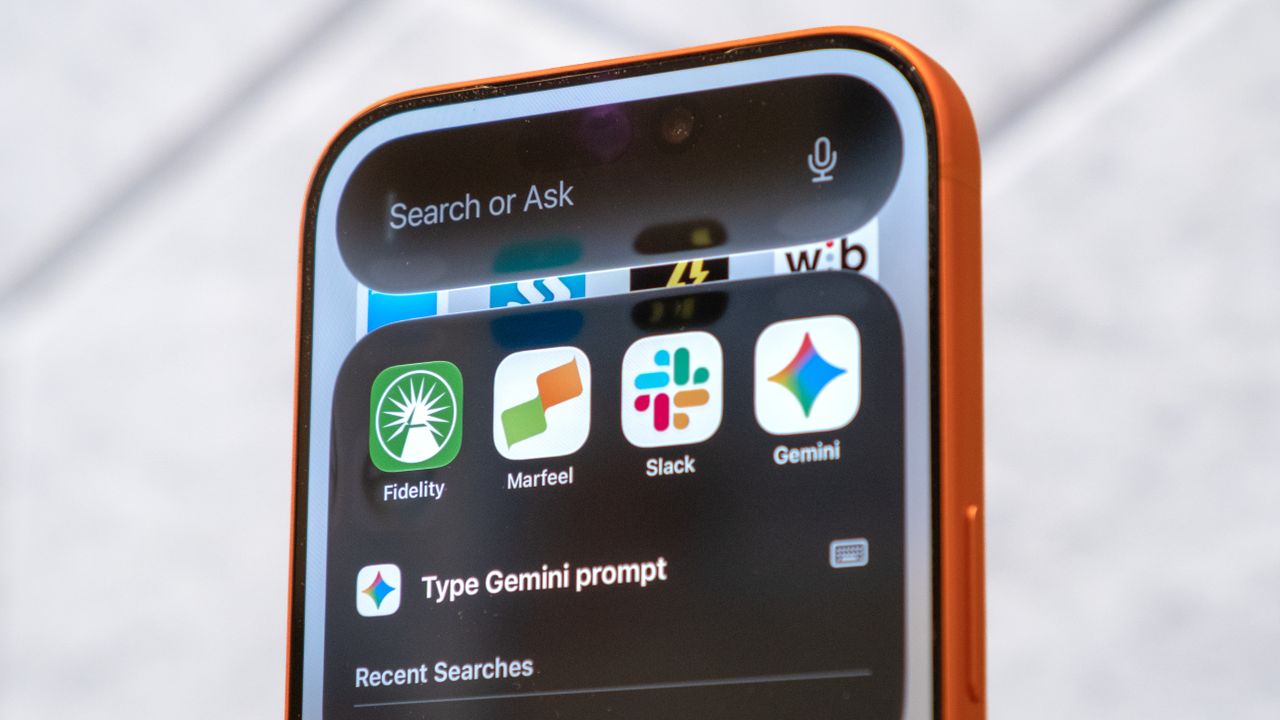
The idea of being able to keep your personal data private feels rather laughable at the moment. It feels as though it's all being collected and monitored to try and sell you more stuff. Throwing AI into the mix, and letting it scour your devices for information, feels like ramping this process up to 11. It feels like the digital equivalent of opening up all your doors and windows when you know there are looters in your neighbourhood.
Apple says that its take on AI is different, promising privacy is baked into Apple Intelligence by default. Considering how much Apple has been pushing the privacy angle for almost a decade, and the time it's taken to actually develop Siri AI, I'm inclined to believe that everything has been built with the goal of preserving user privacy.
But I still don't think I'm ready to let AI have unfettered access to my phone. Is that crazy? Perhaps, but it still feels like a very intimate step that I'm not 100% comfortable actually taking.
How Siri AI aims to preserve user privacy
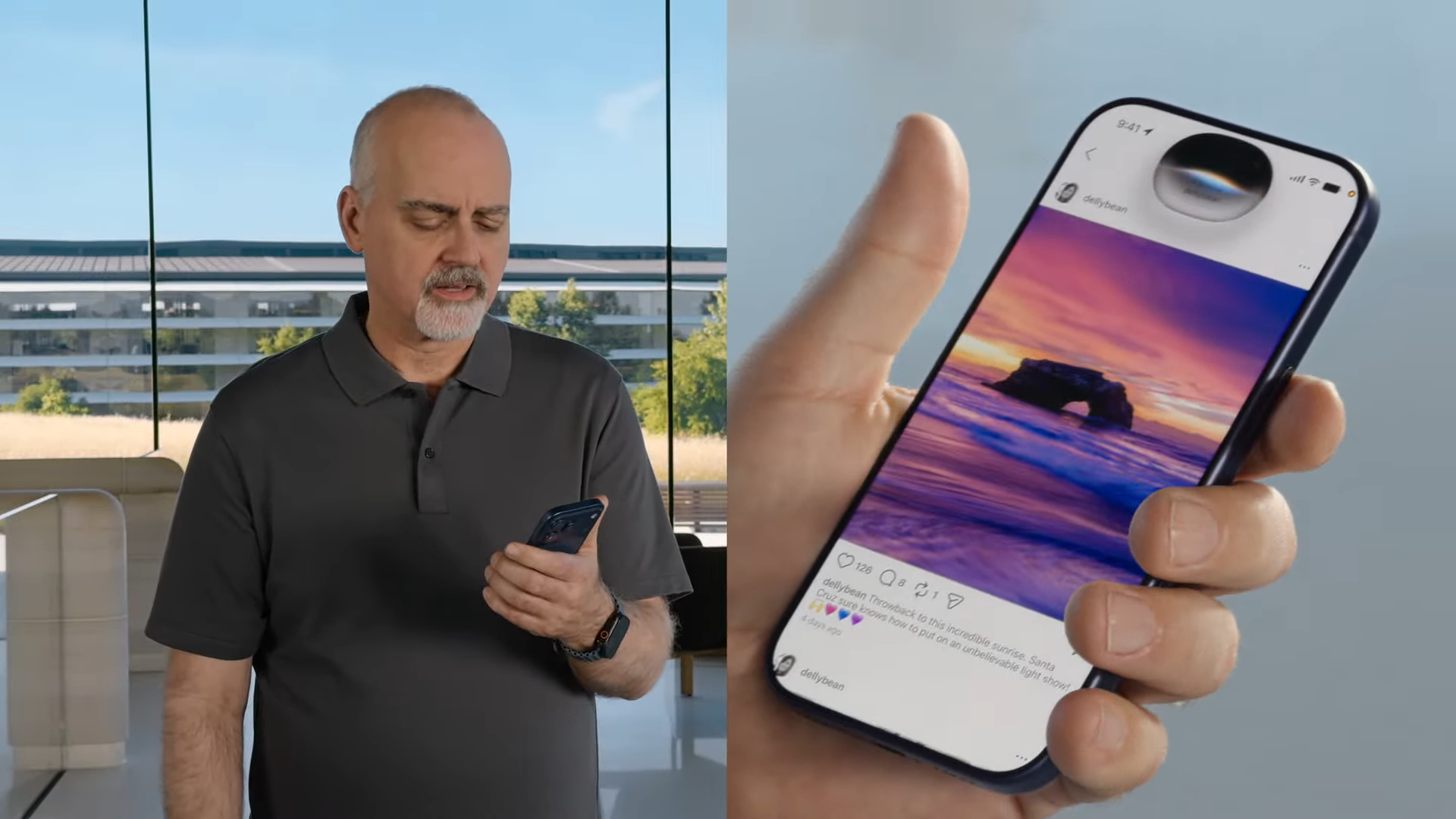
Apple has been talking about a privacy-first approach to AI ever since the launch of Apple Intelligence back in 2024. The general philosophy at the company is that AI should utilize on-device processing wherever possible. If user data never actually leaves their device, then there are no privacy concerns to be had. Siri AI has been built with this express purpose, to run on your phone and without ever sending your data to a server in the cloud.
The emphasis on on-device processing is part of the reason why Apple Intelligence can't run on devices with less than 8GB of RAM. AI can be rather demanding, and there are features that physically can't run on a smartphone — even if it is as powerful as a flagship iPhone. With that in mind, Apple worked to develop a private way to utilize cloud computing, without compromising that initial privacy promise.
Apple revealed Private Cloud Compute two years ago and said that it would allow the best of both concepts. Data would only be processed for the length of each request, meaning none of it would be stored on an external server. Apple also claimed that data would be inaccessible, and pledged to have the whole architecture inspected and verified by independent security researchers.
2026 has seen Apple team up with Google and Nvidia to help enhance new AI features, including the newly-unveiled Siri AI. While Apple seemed to want to be able to do everything itself, that just wasn't happening and this was the easiest way to get the long-delayed Siri AI upgrade out into the world.
This means Apple Intelligence's cloud AI now runs on Nvidia GPUs within Google's cloud infrastructure — but the privacy promise is still there. Private Cloud Compute is still being employed, but is now working alongside Nvidia's own Confidential Computing.
Confidential Computing is a hardware system that ensures that data processed in the cloud stays secure and inaccessible as it is being processed. So the simple explanation of how everything works is that Apple is enforcing rules that prevent data from being stored, while Nvidia has built the systems that actually prevent unauthorized access. So even though these are technically Google servers, thanks to Siri AI's reliance on Gemini models, the same Apple privacy commitments as before are still being enforced.
This means that Apple Intelligence is probably the most privacy-friendly AI suite around right now. But that doesn't mean I'm happy to put my trust in it.
I don't like AI being able to sift through my digital stuff
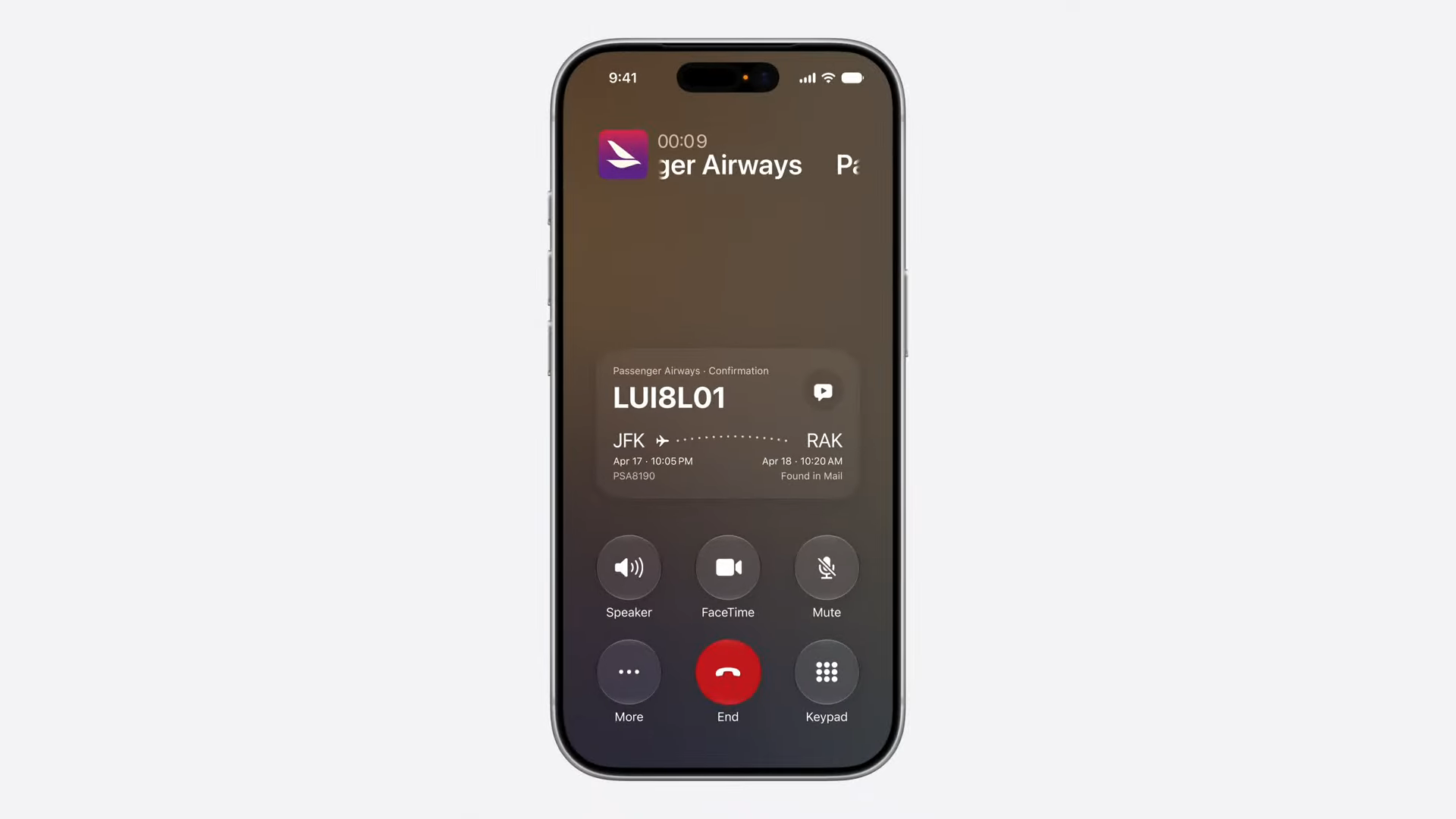
Here's the thing. it doesn't actually matter how secure Apple makes its AI, I'm still not too keen on it being able to dive into the depths of my phone to score for data. It doesn't matter if the goal of that is to hand over some random piece of potentially-helpful information when it thinks I might need it.
It is still rather creepy when a machine is able to locate and reveal personal information without me ever asking for it to do so — no matter how helpful it's actually being.
I've used a similar kind feature before, Google's Magic Cue, during my time testing for the Google Pixel 10 Pro review. I found that the feature had the potential to prove useful, especially if it managed to surface the right information in the middle of a phone call. One good example of that is when I called the vet to ask about something, and was shown the date of my dog's next appointment.
That's something I had been meaning to ask about, because I couldn't find the confirmation email in my inbox. But since it was there, I probably would have uncovered it eventually — regardless of whether the AI is involved or not.
I eventually turned Magic Cue off. One reason was I was never actually using it all that much, but the main issue I had was the way it managed to find and present information felt supremely creepy. The Google factor definitely played a part in that, and despite Google's many assertions that it cares about user privacy I find myself struggling to believe it. The last thing I want is for a company that makes the bulk of its money from advertising revenue to have unfiltered access to my personal data. At least no more than it already has, considering I'm primarily an Android user.
That kind of mindset is quite hard to overcome, and the fact that Apple's privacy train is still moving ahead at full speed isn't enough to actually change my mind. It is still rather creepy when a machine is able to locate and reveal information without me ever asking for it to do so — no matter how helpful it's actually being.
Bottom line
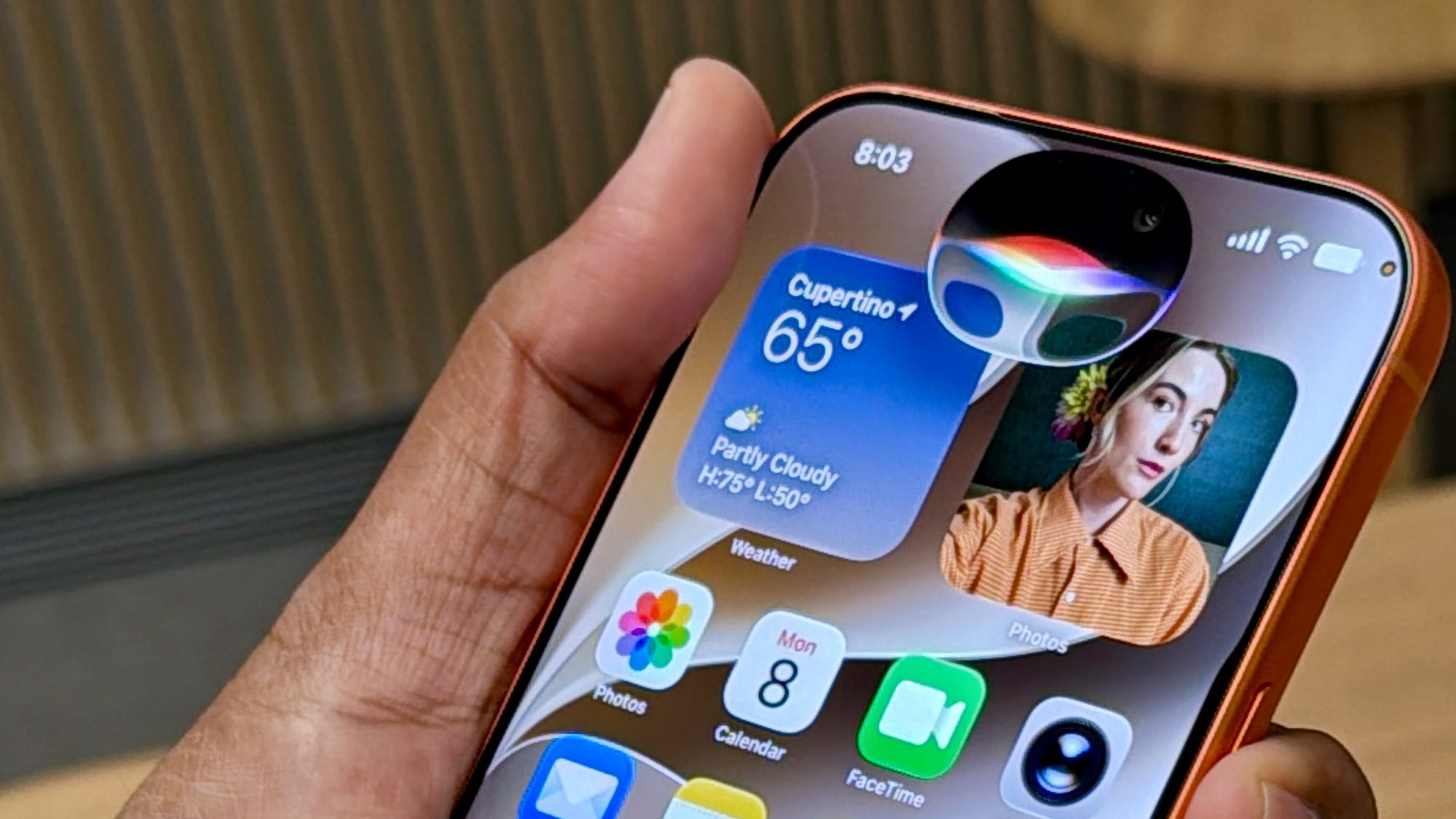
I am not the biggest fan of AI in general, and I have made absolutely no secret of that. In my mind, the prospect of improved AI on a phone is not a selling point — it's a reason to consider looking at other devices. It doesn't necessarily matter what those features are, or the things they promise to be able to do, I just do not see the appeal. Honestly, I don't even use voice prompts unless I'm driving, and prefer to do these things myself
The fact that Apple is so focussed on privacy is definitely a good thing. The fact that our data has become a commodity that we have very little control over is disturbing, and anything to prevent that is worth celebrating. But all the privacy and security in the world doesn't change the fact that contextual AI features are rather creepy. It doesn't matter what the information is, or how relevant it might be to the conversation. It just weirds me out, and I'm not sure I will ever be able to get over that.