Online dating is a confusing, often strange world, where one has to draw a lot of conclusions from a handful of pictures and some texts. So it shouldn’t come as a surprise to anyone that people often overthink the messages they get. So it can be helpful to turn to the internet for some assistance.
A woman went online to ask the internet if she was overreacting after attempting to use Facebook dating. She found the other man’s responses strange and decided to see what other people thought. Netizens shared their thoughts and gave her some suggestions.
A woman shared her experience with Facebook dating
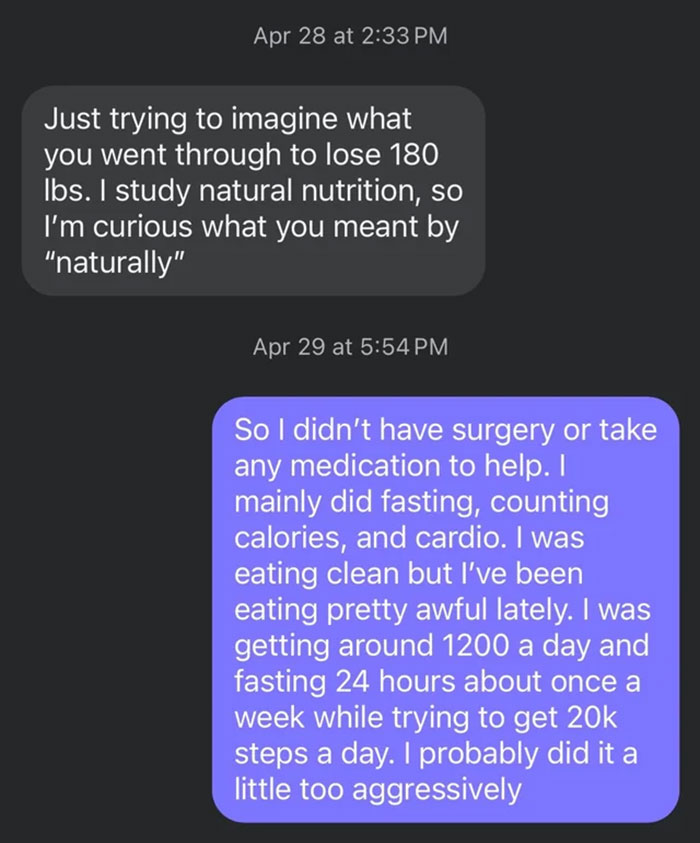
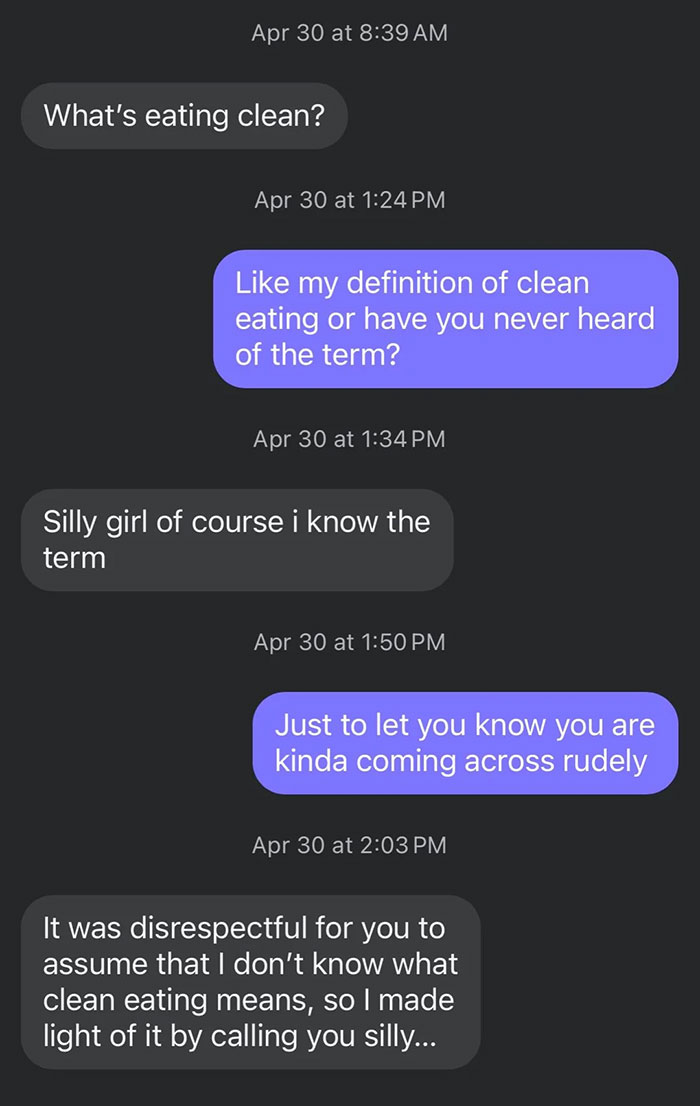
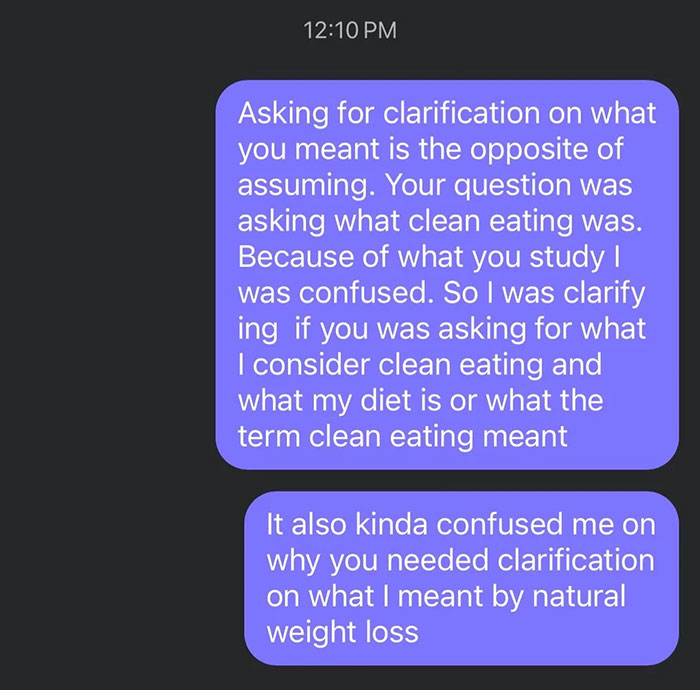
She wanted help understanding if she was overreacting
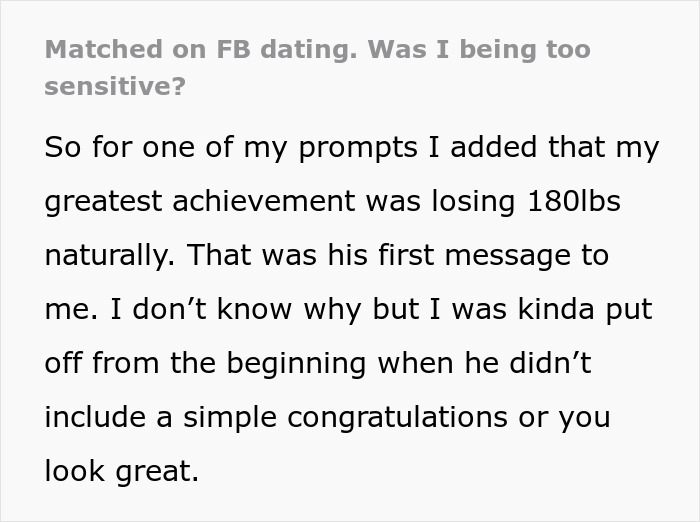

Image credits: freepic.diller / Magnific (not the actual photo)
Image credits: Toa Heftiba / Unsplash (not the actual photo)
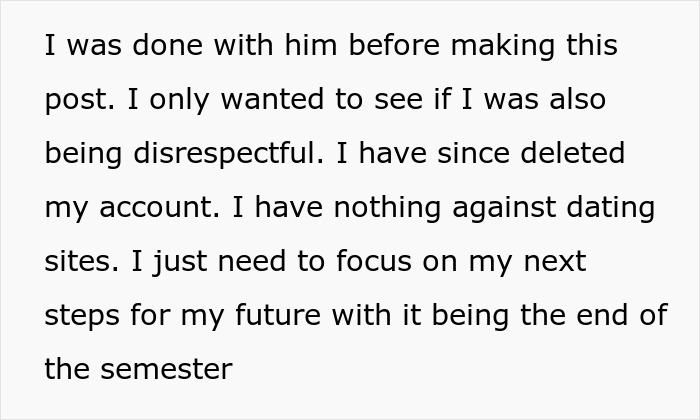
Image credits: Obvious_Ferret_600
People will turn to whatever options they have online to find a date
Finding a partner in the modern age often begins with a screen rather than a chance encounter at a coffee shop or a library. According to recent data from the Pew Research Center, roughly three in ten adults in the United States have used a dating site or an app at some point. This number climbs significantly among younger demographics as nearly sixty five percent of adults aged eighteen to twenty nine report having tried digital matchmaking. While the sheer volume of users suggests a thriving ecosystem of romance, the underlying reality is often one of exhaustion and disappointment. The same Pew study highlights that forty five percent of people who have used these platforms left the experience feeling more frustrated than hopeful. This sentiment has only intensified in recent years with a report from SegmentOS indicating that over fifty three percent of singles have officially opted out of traditional dating platforms by early twenty twenty six.
This mass exodus is driven by a psychological phenomenon known as the rejection mindset which occurs when we are presented with an overwhelming number of choices. Research published on ResearchGate suggests that as users continue to swipe, they become twenty seven percent more likely to reject potential partners.
The abundance of profiles creates a sense of choice overload that actually makes it harder to be satisfied with any single selection. Instead of finding the perfect match, many users find themselves stuck in a loop of searching and evaluating which leads to a decrease in overall perceived dating success. Only twenty one percent of users believe that the algorithms used by these apps can actually predict true compatibility between two people.
Bad experiences on dating apps aren’t distributed equally
Image credits: Priscilla Du Preez 🇨🇦 / Unsplash (not the actual photo)
Safety is another major concern that casts a long shadow over the digital dating world. The Federal Trade Commission reported that Americans lost over two billion dollars to scams originating on social media and dating platforms in twenty twenty five alone. Romance scams are particularly devastating because they exploit emotional vulnerability for financial gain and nearly sixty percent of these reported losses began on social platforms. Beyond financial risk, there is the issue of personal conduct and harassment. Data shows that fifty six percent of women under the age of fifty have received unsolicited explicit messages or images while using these apps. Eleven percent of women in that same age group have even reported receiving physical threats on these platforms.
The gender experience on these apps is also notably lopsided which adds to the general feeling of dissatisfaction. Men often report feeling insecure due to a lack of messages or matches while women frequently feel overwhelmed by the sheer volume of interactions they must filter through. In fact, roughly sixty four percent of men on dating apps express concern about the lack of responses they receive compared to fifty four percent of women who feel burdened by the quantity of messages.
The shift toward a vetting economy means that many daters are now spending more time auditing professional credentials on sites like LinkedIn than they are actually getting to know someone over dinner. It is a strange paradox where we have more tools than ever to connect yet we feel increasingly disconnected and wary of the people we meet behind the glass. These statistics paint a picture of a digital landscape that is as challenging as it is popular and it requires a high degree of resilience to navigate without succumbing to the inevitable burnout. While technology can bridge the gap between two people, it also introduces a set of perils that the world of traditional dating never had to face.
She answered some of the comments
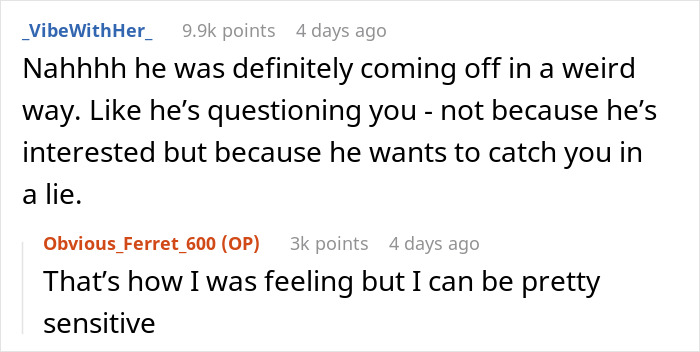
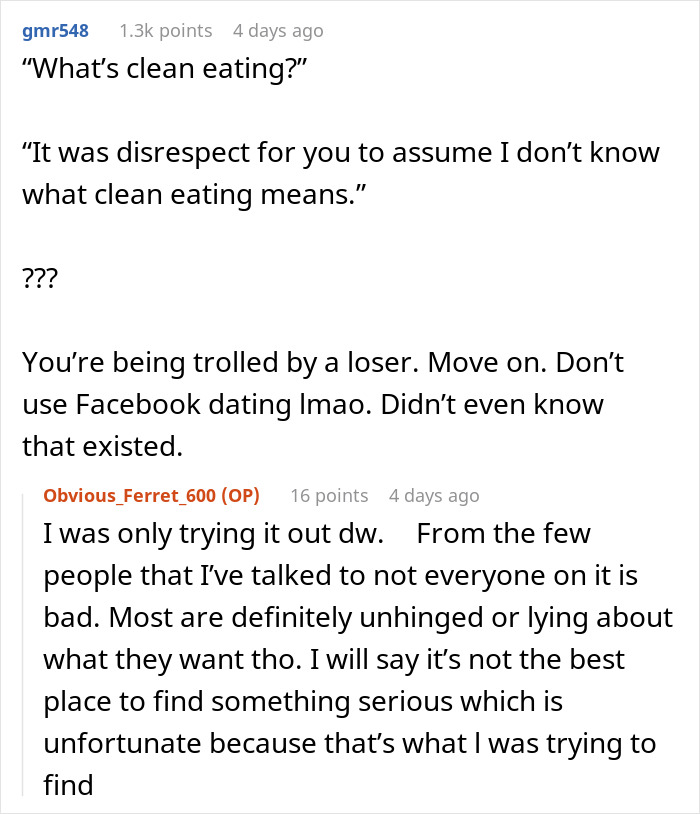
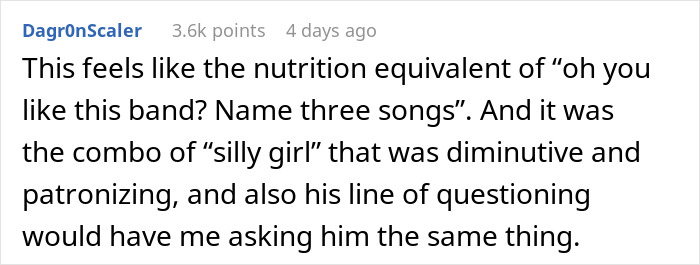
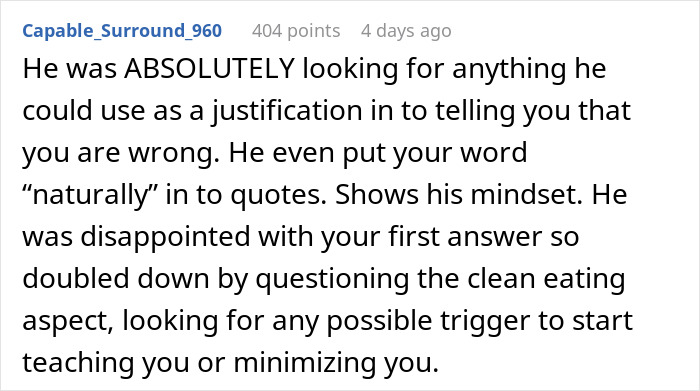
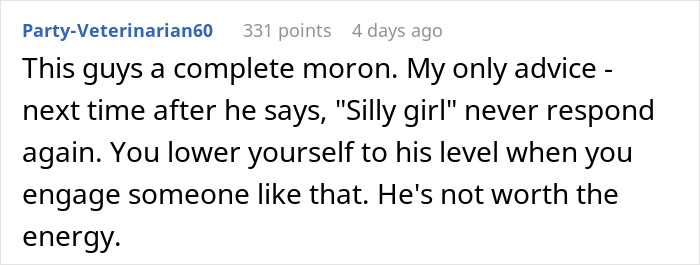
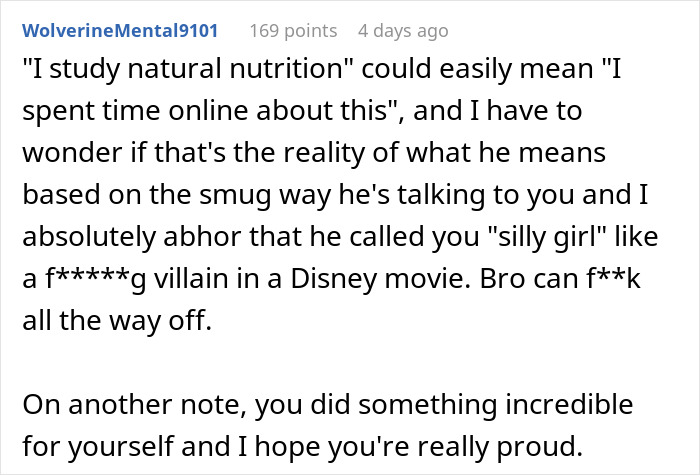
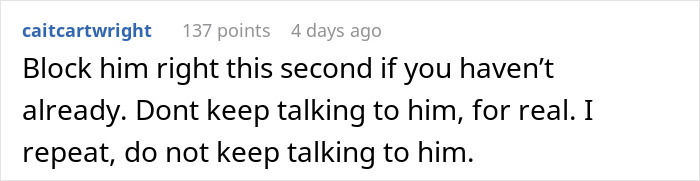
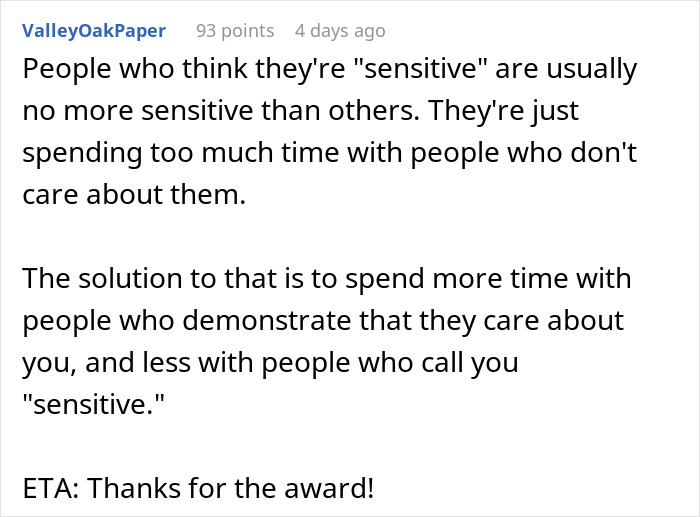
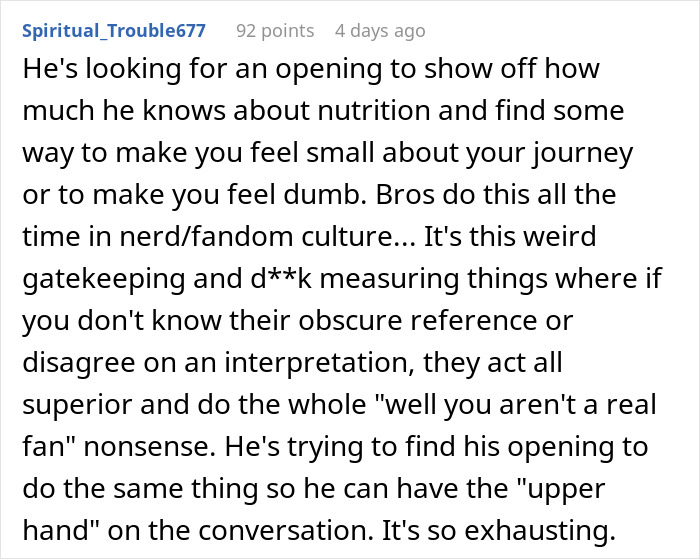
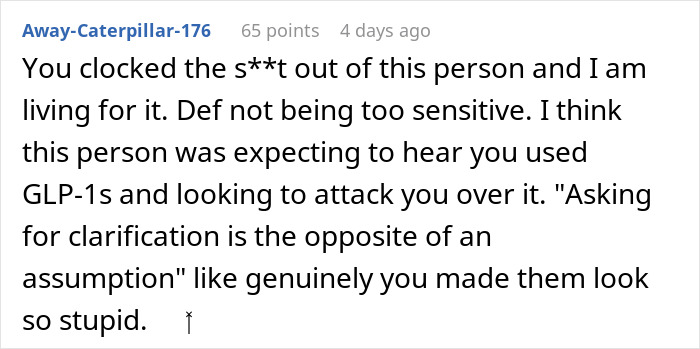
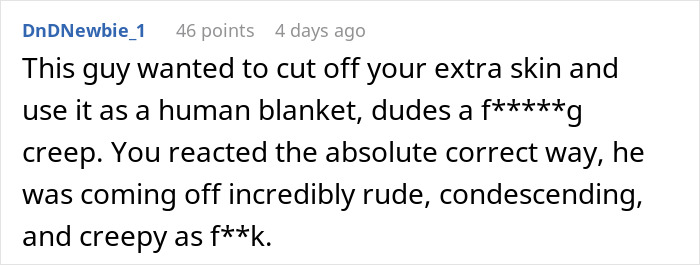
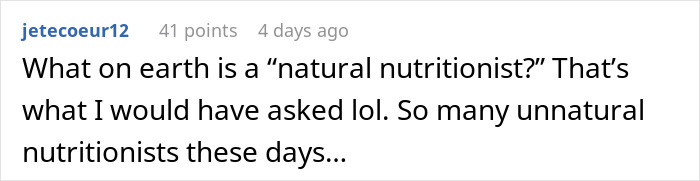
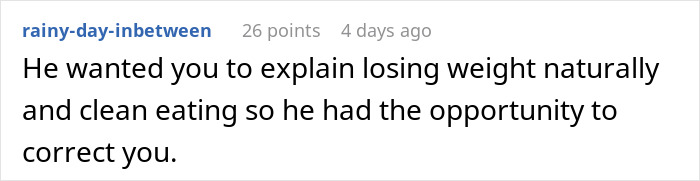
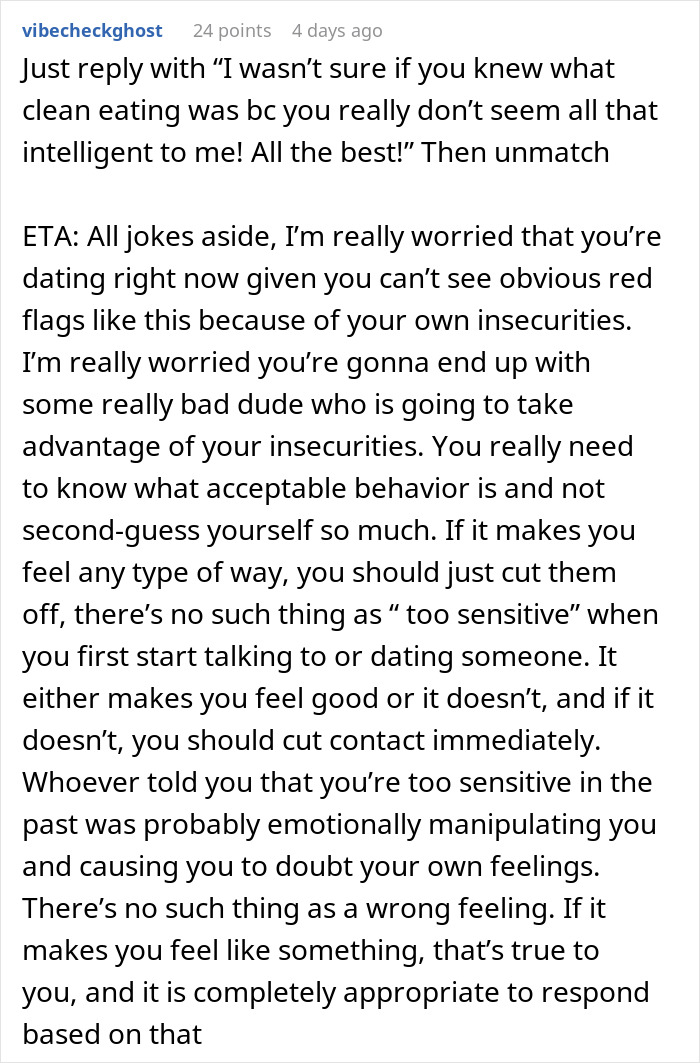
Readers thought his vibe was off