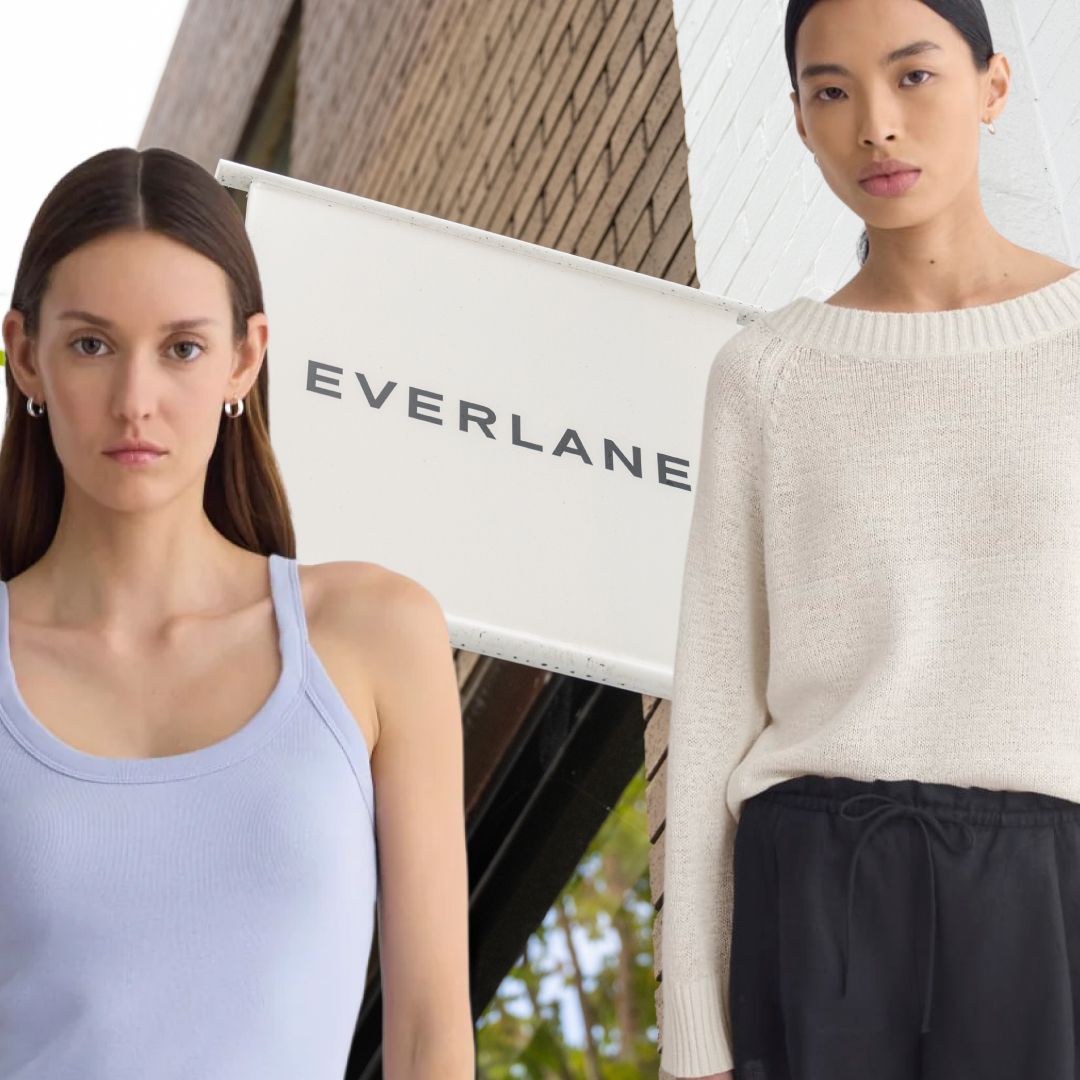
Most fashion people spend the month of May dissecting the Met Gala and the Cannes Film Festival, or perfecting a summer-destination packing list. But on May 17, style group chats turned into amateur M&A forums with the Puck News report that Chinese fast-fashion giant Shein is acquiring direct-to-consumer brand Everlane.
Line Sheet's Lauren Sherman first reported that Everlane's current owner, private equity firm L Catterton, had approved a sale to Shein, valuing the brand at $100 million. Alfred Chang, its current CEO, had apparently been contemplating the sale for some time to resolve around $90 million in debt—which accrued as more brands encroached on Everlane's "Basics, but better" turf and sales took a tumble. Still, for shoppers who know Everlane as a sustainability-based brand first and a hub for cool-girl staples second, it was a surprise.

Since founder Michael Preysman's first collection in 2011, Everlane has been positioned as a more thoughtful alternative to the world of fast fashion. Rather than releasing excessively large collections at a rapid clip, Everlane would only sell a limited edit of essentials crafted from organic materials. And, it would share every step in its supply chain on its website, tracking carbon emissions and noting where each item was produced. The brand did eventually expand into denim, swimwear, and the occasional designer or celebrity collaboration, but it still positioned itself as a leader in "radical transparency" and "ethical" shopping.
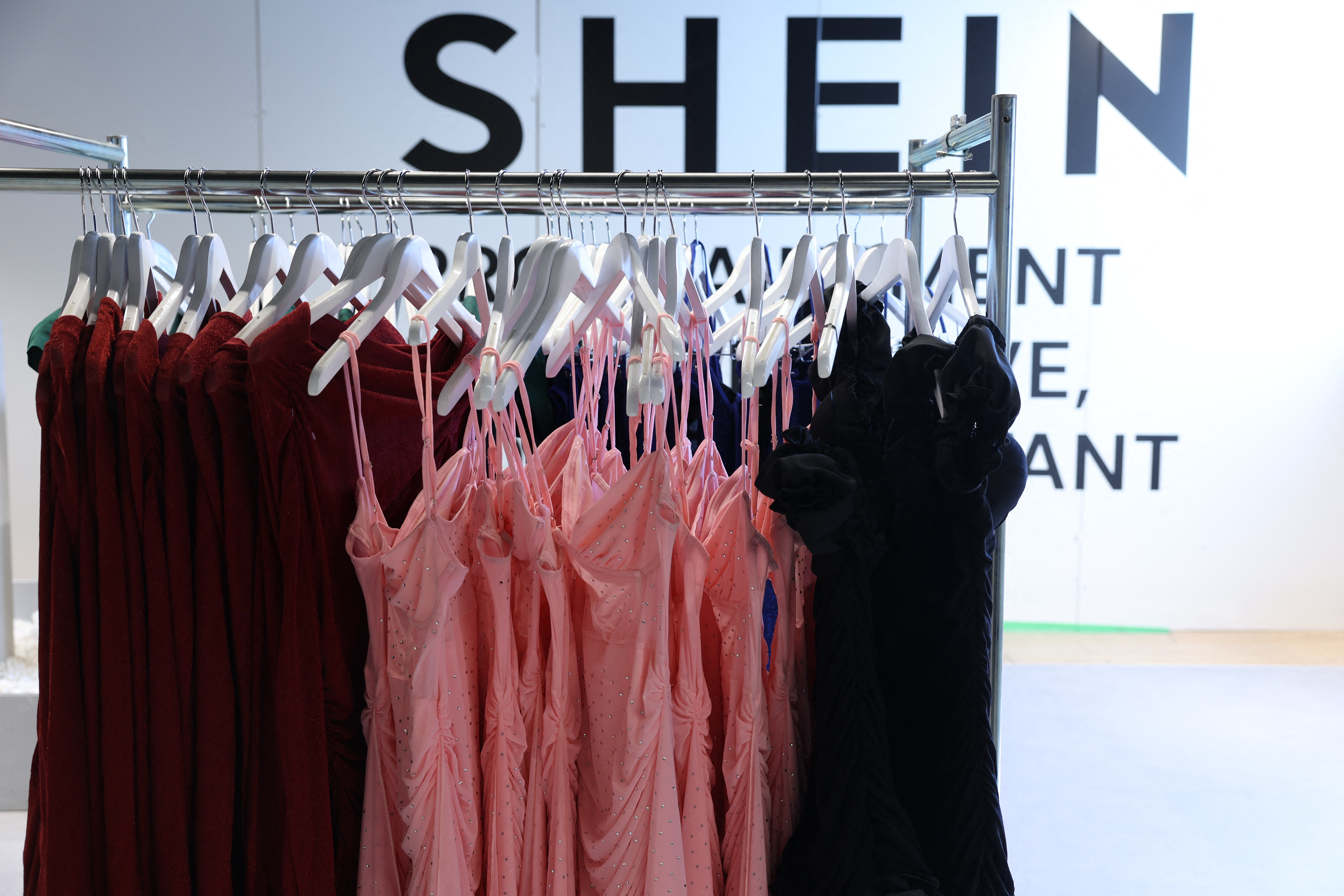
Everlane’s new parent company, however, carries a very different reputation in the sustainability conversation. The ultra-low prices that have helped define its rise—$3 T-shirts, $10 dresses—have also been the subject of scrutiny, with reporting raising concerns around labor practices and environmental impact. The acquisition has therefore prompted a natural question among fashion insiders and shoppers alike: How do these two brand identities fit together?
But Everlane is hardly the first brand to face the tension between its stated ambitions and its budget sheet. Sometimes, like Mara Hoffman in 2024, a brand will opt out of the fashion system altogether to protect its integrity when the going gets expensive. Other times, like Reformation, brands accept an infusion of cash from a private equity or venture capital firm—and then have to balance new goals alongside their sustainability efforts. Across the industry, similar moves sometimes come with accusations that product quality changed or became less eco-friendly over time. In Reformation's case, the brand has met its goal to become Climate Positive (meaning its business practices remove more carbon from the atmosphere than it emits) and releases an annual sustainability report, among other initiatives.

Sticking to brand values and growing a business aren't always a binary, though. Eileen Fisher has generated an estimated $300 million in annual revenue and operates 50 stores as a privately held clothing brand, all without sacrificing its B-Corp status. Then there's Patagonia: where environmental activism is as important as designing a perfect quarter-zip fleece, and whose founder, Yvon Chouinard, has said, "making a profit is not the goal." Still, it's managed to become a multi-billion-dollar business.
For now, Everlane's online store copy still reads as if its original ideals are intact. "We're all about putting our principles into practice, making fashion more responsible, and weaving a more sustainable future—for your wardrobe and the planet," a sustainability landing page says. Under new ownership, the question is whether that mission can survive the transition.
Editor's note: This post has been updated to clarify Reformation's current sustainability practices.