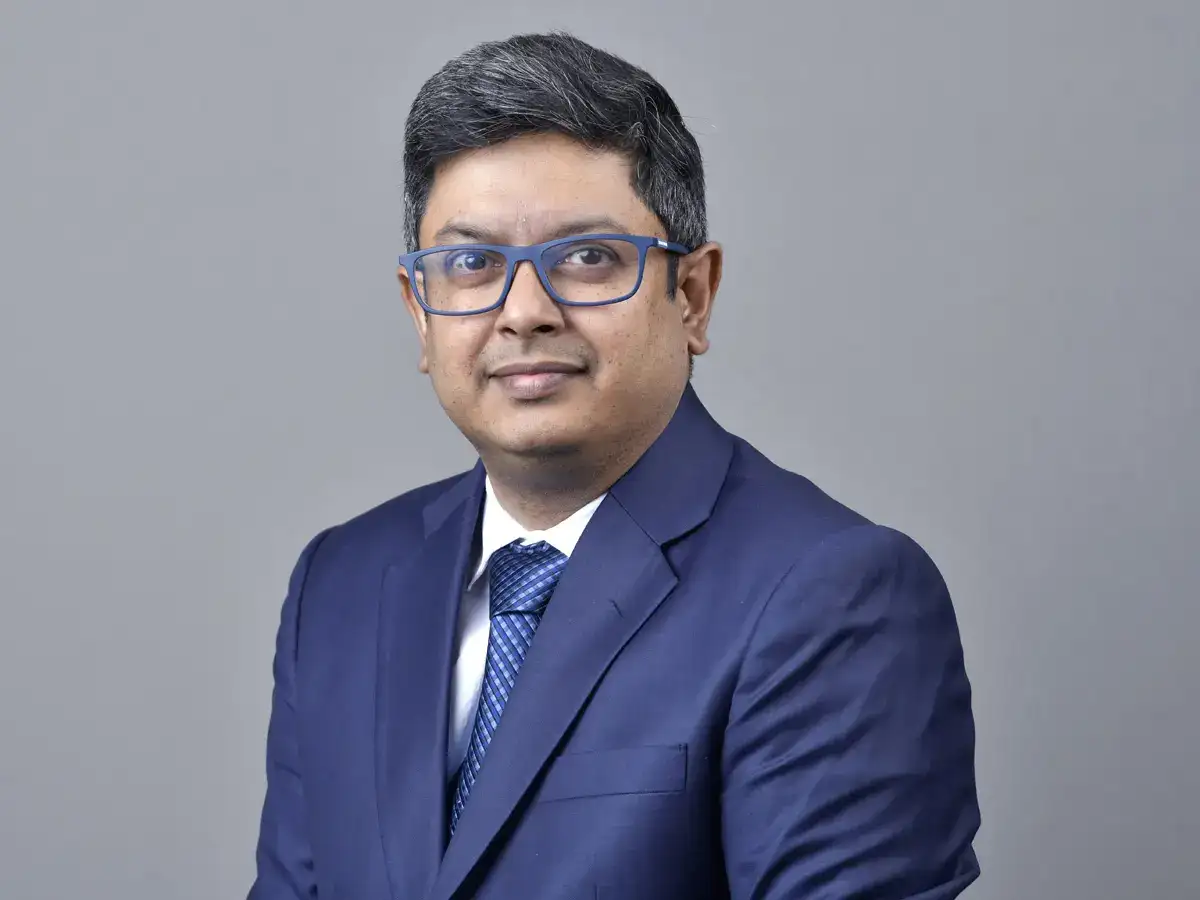
With markets under pressure and FY27 earnings facing headwinds, Aniruddha Naha, Executive Director and Chief Investment Officer at PGIM India Asset Management, is backing rural India's revival, avoiding lenders entirely, and telling investors to use the next two quarters to build portfolios for a stronger FY28.
Mid and smallcaps have held up better than expected
Naha opened with a notable observation. Despite tariff worries and global uncertainty, mid and smallcap earnings have shown genuine resilience through the last quarter. PGIM India has maintained its tilt toward this space over the past six months and Naha sees no reason to change that stance. The strength in earnings across mid and smallcaps gives him confidence that the correction is creating opportunity rather than signalling deeper trouble.
The macro picture is uncomfortable but temporary
Naha was candid about near-term macro pressures. Every ten dollar move in crude oil adds roughly 50 basis points to India's current account deficit and a similar amount to inflation. With crude elevated and the rupee under pressure, bond yields are unlikely to fall anytime soon. If currency pressure persists, the RBI could even turn more hawkish on interest rates. He expects the next two quarters to be genuinely painful on earnings, with margin pressure building across commodity-linked sectors that cannot pass on rising input costs. Broad market earnings could be cut by 5 to 10 percent — and he called that entirely possible.
But FY28 could look very different
The key call from Naha is that markets will look past FY27 pain once there is clarity on the Middle East situation. Once that news turns conclusive, he expects markets to start pricing in FY28 earnings — which on a weak FY27 base could look very strong. He believes the market bottom is likely already in, with only a modest risk of revisiting previous lows if geopolitical tensions escalate sharply. His advice to investors is clear — the next two quarters are a good time to build portfolios, not exit them.
Rural India is the big opportunity
The most emphatic theme from Naha is rural India. Food and agri prices have started moving up after years of stagnation and when that happens, rural household incomes rise. He expects this to drive spending on low-ticket discretionary items — shoes, clothing, eating out, small appliances. His favoured plays include fertiliser companies, agrochemical firms with backward integration, tractor and tiller manufacturers, and value retail chains that serve the rural and semi-urban consumer. He specifically called out FMCG as a sector that has been uninteresting for years but may now be showing early green shoots.
Auto and auto ancillaries with an EV tilt
If crude prices peak and the Middle East situation stabilises, Naha sees auto and auto ancillary stocks — many of which have been beaten down — as another opportunity. His preference within the space leans toward companies focused on EVs and R&D, and those with US market exposure. He is actively avoiding names with significant European exposure given the slowdown there.
What he is completely avoiding
Naha was unusually direct about two sectors he wants nothing to do with. First, lending. PGIM India currently has zero exposure across the entire lending space — PSU banks, private banks, NBFCs. His reasoning covers competitive intensity, potential asset quality deterioration if the economy slows, and NIM pressures already visible in PSU bank results. Second, infrastructure, defence, and railways — sectors where government spending capacity may get squeezed and where valuations are still not comfortable.
IT is another space he has avoided, with a sharp framework explaining why — PGIM only backs sectors that either deliver 12 to 14 percent growth or offer 6 to 8 percent dividend yields. IT currently falls in neither camp.
The overall message from one of India's more respected fund managers is disciplined and clear. Avoid lenders, avoid rate-sensitive infrastructure plays, back rural consumption and agrochemicals, and treat the current pain as the setup for a stronger two to three year run.