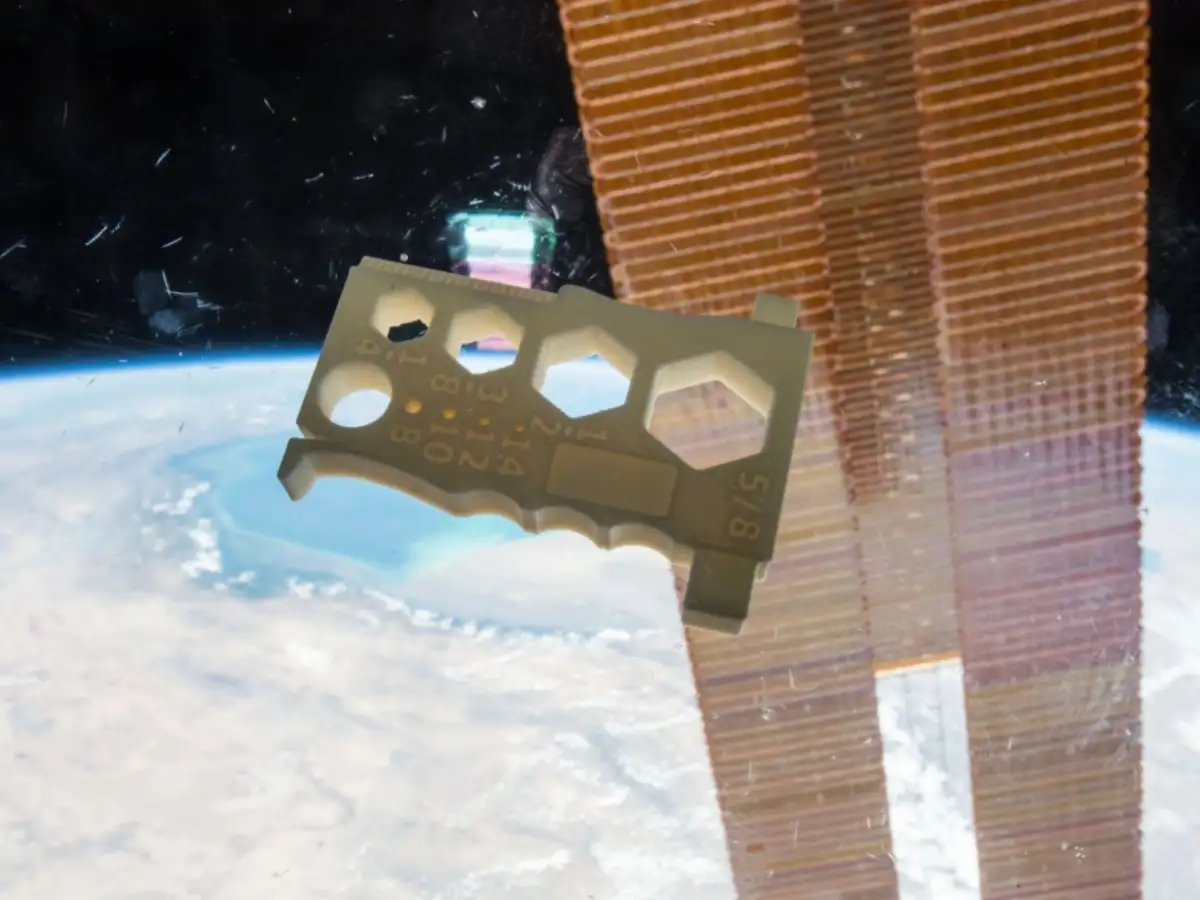
Something that begins as a challenge in the classroom can often evolve into something groundbreaking with real-world consequences. For example, when high school senior Robert Hillan participated in NASA's Future Engineers Space Tool Challenge, he did not expect that his creation would ever be used in space because initially the task seemed more of an academic one.
However, the situation suddenly changed after NASA officials recognized the multipurpose maintenance tool designed by Hillan as the winner of their contest and printed the design at the International Space Station. The case is unique because the process of creating and manufacturing the tool was quite straightforward and transparent to the public. According to the data from NASA, Robert Hillan received first place in NASA's 3-D Printing in Space Tool Challenge in the teenage category in January 2015.
It is essential to understand that the tool was selected for the competition not just because of its functionality but because it could serve as an addition to the program developed by NASA aimed at investigating whether it would be possible to print some parts in space. This particular point means that NASA decided not to wait until someone else invented something but acted ahead and tested new technologies themselves.