The price of berries continues to climb, squeezing household budgets and prompting some parents of young children to question how a simple snack became a significant expense, according to a new report.
While rising berry costs are affecting shoppers broadly, the shift has been especially noticeable for families with toddlers, who seem to have a bottomless appetite for nature’s candy, leading to numerous costly shopping trips.
“I had like 30-something dollars worth of fruit that they just demolished in a day,” Kristen Fox, a 39-year-old mother of twins, told The Washington Post, recalling her purchase three years ago of blueberries, blackberries and raspberries. Now, she said: “I’m still going broke on berries and fruit.”
That experience resonates with other parents. Kylie Kelce, a podcast host and mother of four, said on an episode in 2024: “There is one thing I’ve spent the most money on in my life…It is packs of berries. It has to overcome diapers.”
This concern comes as grocery prices have more broadly ticked up in recent years, driven in part by post-pandemic supply chain disruptions and the wars in Ukraine and Iran. Government data released in June indicated grocery prices had shot up 2.7 percent year-over-year.
These increases have forced consumers to make difficult budgeting decisions. According to a CNN poll last month, three in five families revised their grocery lists to remain under budget.
Berry anxiety
In recent decades, Americans have sharply increased their berry consumption as the fruits have become available year-round. Since 1980, per-person strawberry supply has grown from under two pounds to nearly seven annually, while blueberries have risen from less than three ounces to more than two pounds.
Much of that growth has been driven by imports, which have surged from $134 million in 2000 to $4.8 billion in 2025. Mexico now supplies nearly all fresh strawberry imports, while Chile and Peru account for most of the remaining berry trade, the Post reports.
However, even with the expanded supply, prices have continued to climb. In 1980, a pound of strawberries cost about three times as much as bananas; today, they cost roughly six times as much.
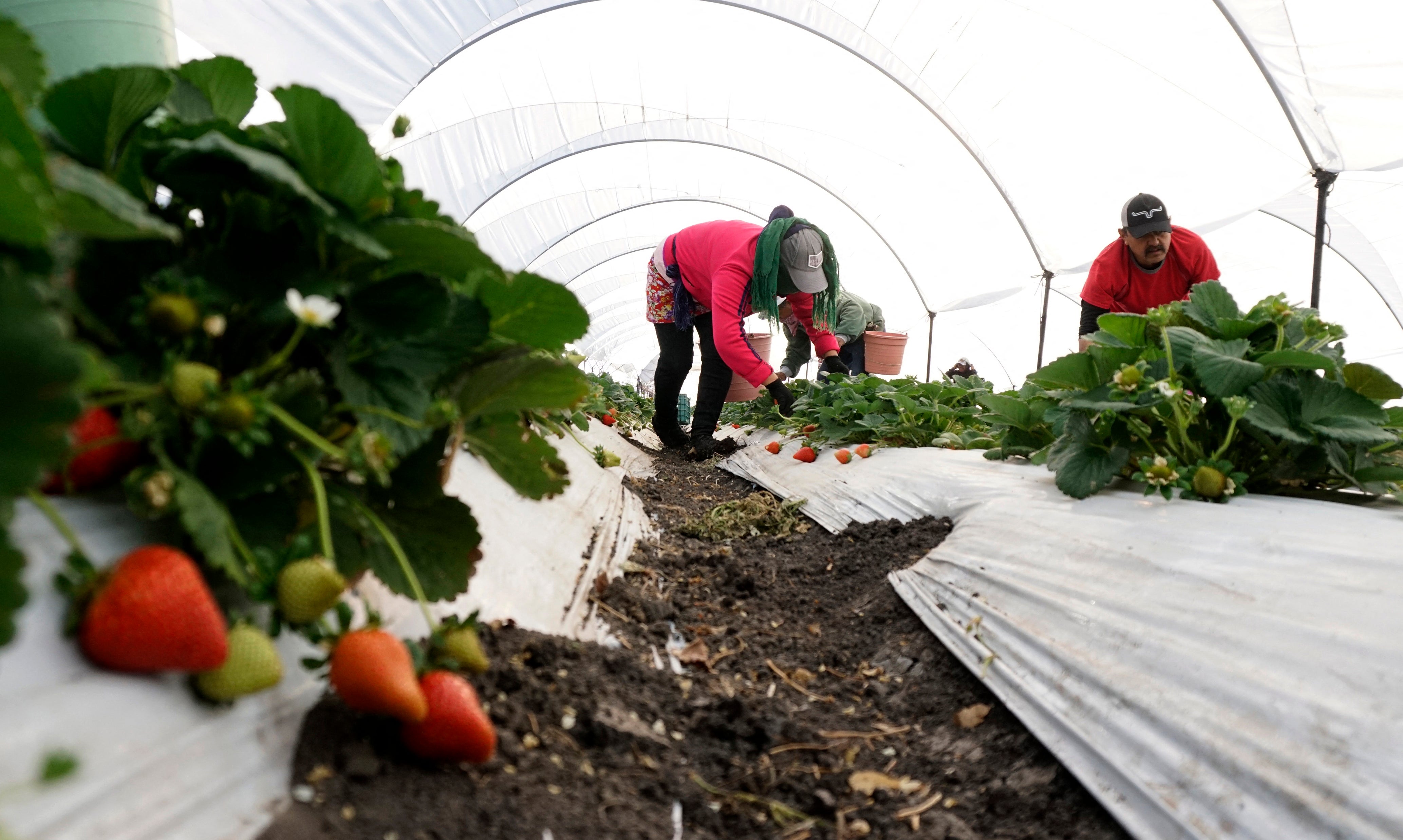
The impact is especially clear in households where berries vanish quickly.
Brooke Tansley, a 48-year-old mother of two young kids, told the Post: “If I leave the bags on the table to go to the bathroom, I know $7 is going to get snarfed down.”
Costs also appear to be shaping access. About 19 percent of children in households earning more than $110,000 ate strawberries on a given day, compared with 10 percent of those in families making less than $41,000, according to a nationwide nutrition survey.
That gap has implications for nutrition. Lyndsey Garbi, a pediatrician, described berries as a “great snack” that’s superior to “all the other processed foods with really unhealthy and high-sugar ingredients.”
“These have sugars but it’s paired with fiber and vitamins,” she said. “It makes for a much better snack option.”