American consumers reined in spending during April, as escalating gas prices, exacerbated by the ongoing conflict in Iran, began to curb discretionary purchases like clothing and furniture.
While economists acknowledge that robust income tax refunds have sustained consumer activity, concerns are mounting that this spending momentum will wane as the benefits from these refunds diminish and the cumulative effect of higher fuel costs continues to impact households.
Commerce Department data released Thursday revealed that retail sales increased by a modest 0.5% in April, a sharp deceleration from the revised 1.6% growth recorded in March.
March had marked the largest monthly surge in retail spending in over three years, largely driven by a rapid spike in gas prices.
Excluding gas sales, April's retail figures rose by 0.3%, down from a 0.7% pace in March.
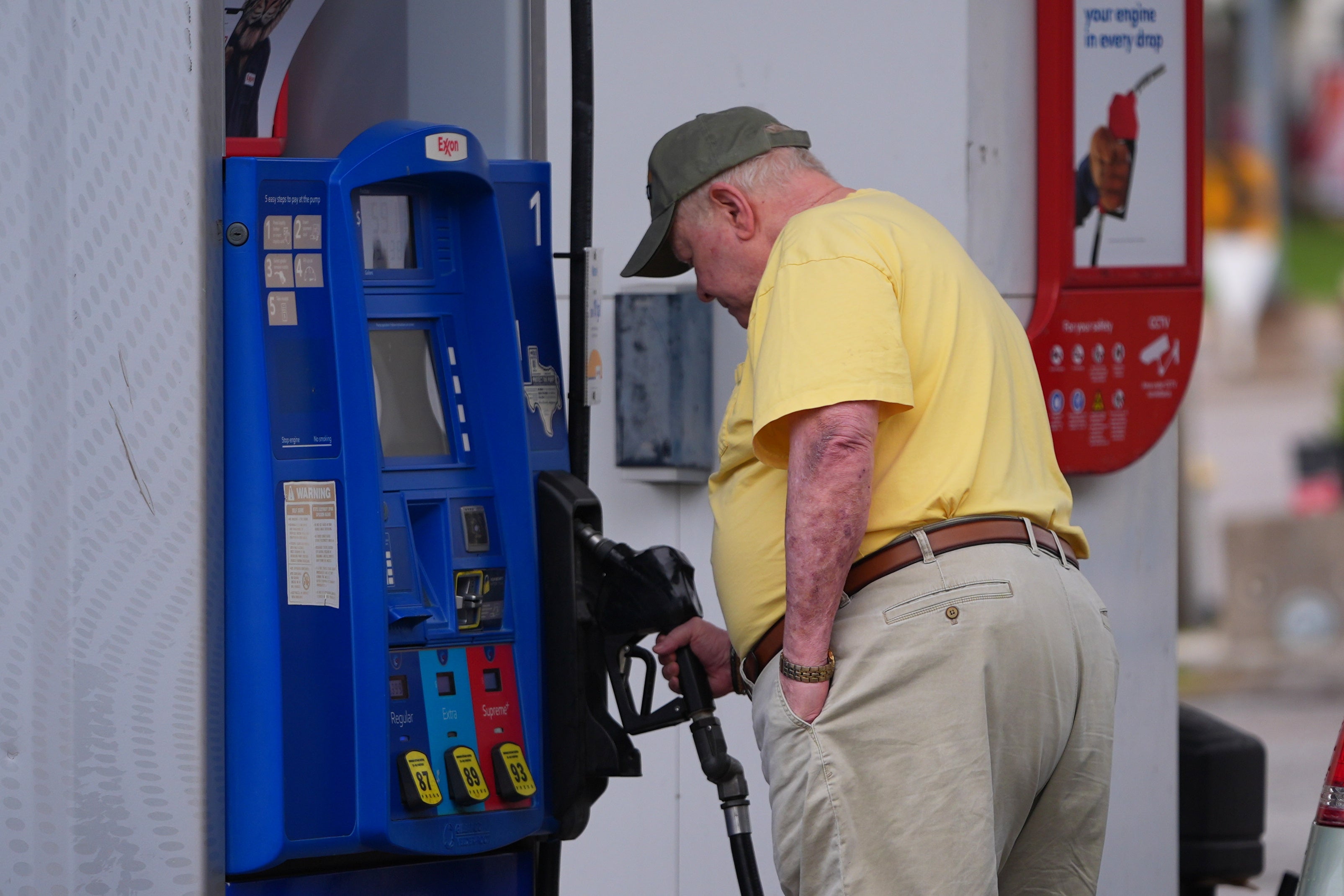
Sales at gas stations themselves saw a 2.8% increase in April, a stark contrast to the 20.9% hike in March that reflected the initial surge in fuel costs.
Spending patterns across other sectors were varied. Department stores experienced a 3.2% decline in sales, while furniture and home furnishings stores saw a 2% dip.
Conversely, online retailers reported a 1.1% increase, and electronics and appliance stores posted a 1.4% gain. Building material and garden equipment sales edged up by a modest 0.1%.
The services sector, represented by restaurants, registered a solid 0.6% increase.
The "control group," a key measure of economic growth that excludes volatile categories like autos and gas, rose by 0.5%, a positive sign of underlying consumer strength, according to economists.
The conflict in Iran, which commenced in late February, has led to the closure of the Strait of Hormuz, disrupting one-fifth of the world’s daily oil supply.
This has pushed the average price for a gallon of regular gasoline to $4.53 on Thursday, an increase of $1.35 compared to a year ago, according to motor club AAA.
Economists had initially anticipated that larger tax refunds, stemming from President Donald Trump's tax cut legislation, would stimulate spending early in the year.
However, soaring gas prices are now consuming a larger portion of American paychecks, leaving less disposable income for non-essential items.
Oliver Allen, a senior economist at Pantheon Macroeconomics, noted in a Thursday report that individual income tax refunds in April were $22 billion higher than in the same month in 2025, equivalent to approximately 3% of monthly retail sales.
This figure is slightly larger than the financial burden placed on households by the rise in gas prices over the same period. "Some of this money will have been saved, but much of it has been spent," Allen wrote.

He cautioned, "But the flow of refunds will taper dramatically in May, leaving consumers far more exposed to the surge in fuel costs." Allen predicts a "meaningful pullback" in discretionary spending during the latter half of the second quarter.
Michael Pearce, chief U.S. economist at Oxford Economics, estimated that the higher tax refunds had offset the impact of gas prices by a ratio of roughly 2 to 1.
"With refund season behind us and gas prices still creeping higher, that will flip in the months ahead, putting downward pressure on spending growth," he stated in his Thursday report.
Despite these concerns, the U.S. labor market has shown resilience, with employers adding a surprisingly strong 115,000 jobs last month. However, a wave of concerning inflation data has emerged this week.
The Labor Department reported Wednesday that the U.S. producer price index (PPI), which tracks inflation before it reaches consumers, surged by 1.4% in April, marking the largest monthly gain in over four years.
A day prior, the closely watched consumer price index (CPI) jumped 3.8% from April 2025, representing the biggest year-over-year increase in more than three years.
These price hikes, largely attributed to soaring energy costs, are now manifesting across a range of goods and services, from air travel to household essentials.
A clearer understanding of inflation's full impact on American consumers is expected next week, as major U.S. retailers like Walmart and Target prepare to release their quarterly financial results.
Goodyear to cut hundreds of jobs as North Carolina plant slated to close
Why job hopping is the key to financial stability in younger generations
Does car insurance affect credit score?
Used Bank of America card at 7-Eleven ATM? You may get settlement money
Sports retailer announces closure of 175 underperforming stores nationwide
Amazon rolls out new drop off service in dozens of US cities