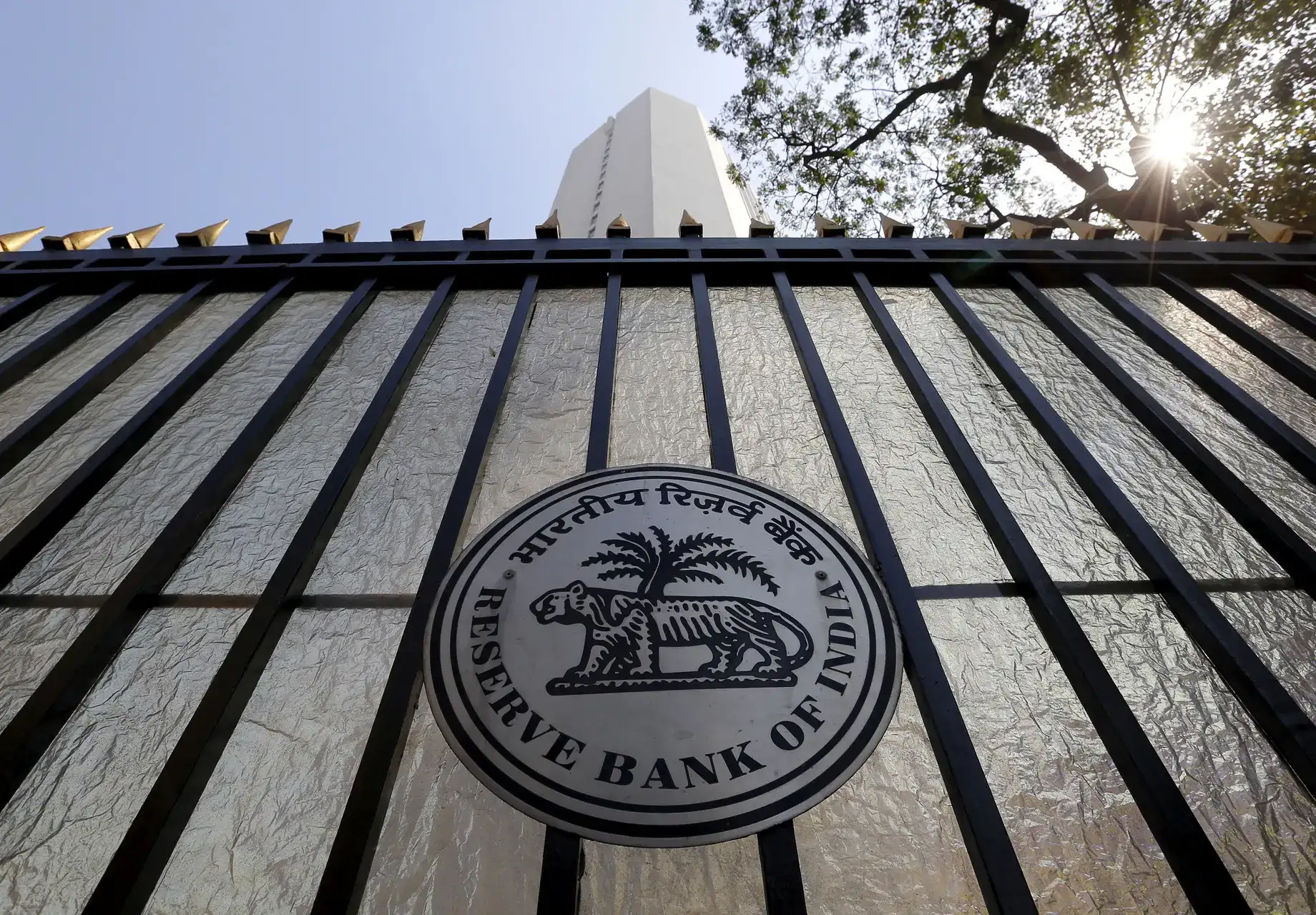
The Reserve Bank of India (RBI) on Friday declared a record surplus transfer of Rs 2.87 lakh crore to the government for FY27, which is notably lower than North Block’s budget estimates for dividend receipts this fiscal. RBI's balance sheet expanded by 20.61% to Rs 91.97 lakh crore at the end of March 31, 2026.
In this year’s Union Budget, the government estimated Rs 3.16 lakh crore in total dividend receipts from state-owned enterprises and surplus transfers from the central bank.
The Reserve Bank’s gross income rose 26.42 per cent from the previous year, while expenditure before risk provisions increased 27.60 per cent. The RBI’s balance sheet expanded 20.61 per cent to ₹91,97,121.08 crore as of March 31, 2026.
After assessing current macroeconomic conditions, the Bank’s financial performance and the need to maintain adequate risk buffers, the Central Board approved the transfer of ₹1,09,379.64 crore to the Contingent Risk Buffer (CRB) for FY26, compared with ₹44,861.70 crore in the previous year. The Board also decided to keep the CRB at 6.5 per cent of the RBI’s balance sheet size.
Ahead of the announcement, economists had projected the RBI's surplus transfer—often referred to as the central bank's dividend to the government—to fall within a range of ₹2.7 lakh crore to ₹3 lakh crore. This follows last year’s transfer of ₹2.69 lakh crore, which was 27% higher than the previous year.
The windfall, as per economists polled by Reuters, would not be sufficient to prevent New Delhi from missing its fiscal deficit target of 4.3%.
However, today’s payout will still provide Asia’s third-largest economy with a vital fiscal buffer as the escalating war involving Iran drives up energy prices. The elevated dividend, generated through the RBI’s activities in the fiscal year ended March 2026, will shore up the government’s finances in the ongoing fiscal 2026-27 (FY27). This comes at a critical time, as rising crude prices inflate India’s import bill, widen the current account deficit, and exacerbate foreign fund sell-offs.
The resulting economic pressure is already visible in domestic markets. The benchmark 10-year bond yield has climbed about 50 basis points so far this year to 7.10% on Tuesday, while the rupee has weakened nearly 7%. This currency slide has already prompted a raft of austerity measures aimed at narrowing the external deficit.
Drivers of the surplus
The RBI pays its dividend from income earned on domestic investments, foreign-exchange holdings, and fees from printing currency notes. For FY26, the dividend payout was heavily supported by robust gains from foreign exchange interventions and investment income.
Specifically, a sharp fall of nearly 10% in the US dollar alongside a 60% surge in gold prices in FY26 drastically improved the RBI's accounting profitability, paving the way for a record surplus.
Furthermore, economists estimate that the RBI’s balance sheet expanded by nearly 20% in 2025-26—up from ₹76.25 lakh crore at the end of 2024-25—after the central bank purchased about Rs 9 lakh crore worth of bonds to inject liquidity into the banking system.
"The government is not here to earn from the RBI," Anil Bhansali, head of treasury at Finrex Treasury Advisors told Reuters. "The government is here to earn from taxes ... At present, they have no other alternative ... to generate extra revenue."
But not everyone agrees.
"While the RBI dividend has provided the Finance Ministry with a robust cushion, there have been serious efforts to consolidate the government's balance sheet while also improving the quality of spending," said Aditya Vyas, chief economist at STCI Primary Dealer.
Balance sheet equation
While the massive balance sheet expansion inherently boosted earnings, the final payout size heavily depended on the RBI's internal reserves. The surplus transfer is governed by the revised Economic Capital Framework (ECF), which stipulates that the Contingent Risk Buffer (CRB) must be maintained within a range of 4.5% to 7.5% of the RBI's total balance sheet.
In FY26, the RBI chose to maintain the CRB at the absolute upper bound of 7.5%. As economists noted prior to the announcement, any decision by the central board to lower this buffer toward the historical mid-to-lower range would automatically unlock a higher dividend payout for the government. Ultimately, while these payouts continue to provide a significant boost to the government's non-tax revenues, the final figure highlights the delicate balance between boosting state coffers and maintaining central bank financial resilience.