
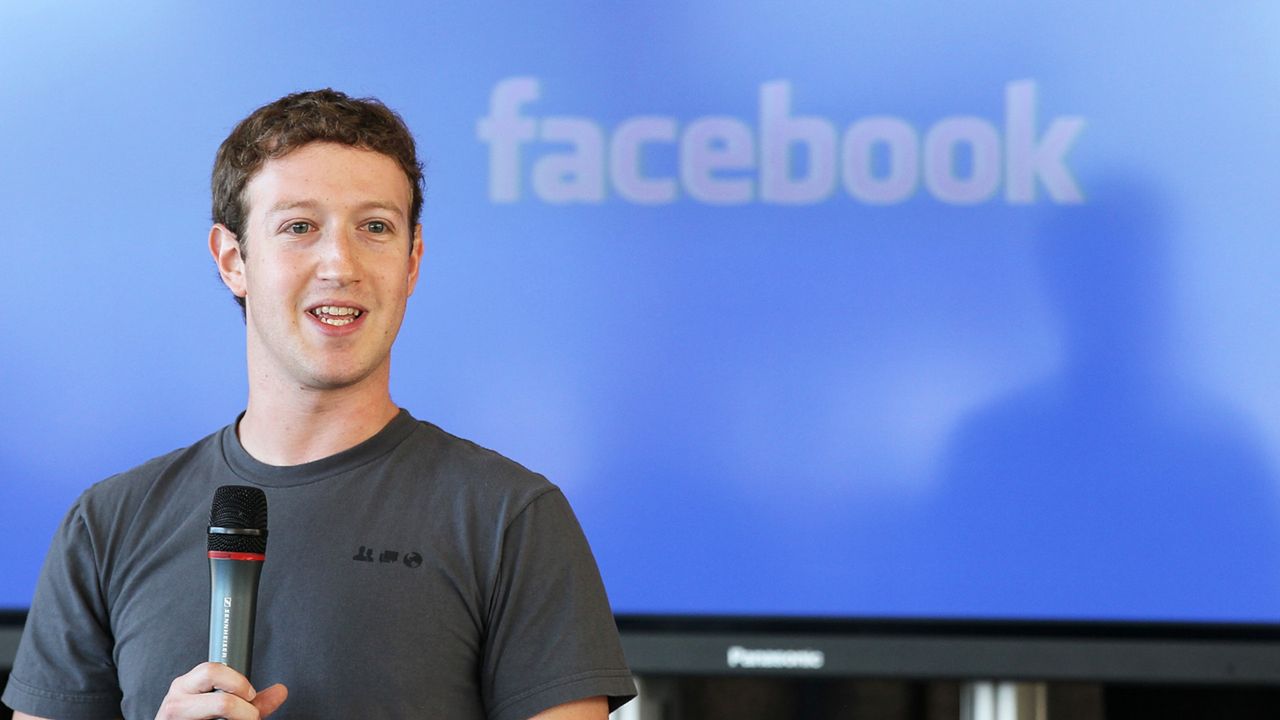
Mark Zuckerberg has been a pivotal figure in the technology industry, stretching back to his work during the early days of building the Facebook social media network, to his latest AI and metaverse ventures heading up Meta. Chief to Zuckerberg's rise, however, has been a highly contentious philosophy.
Move fast and break things
Although Zuckerberg recited this philosophy at SXSW 2022, it's something he has long voiced, written down, and adhered to over the last couple of decades in different guises – stretching back to the early 2010s. The quote promotes the idea that rapid product development and disruption are more valuable than caution.
Quote of the day
This article is part of TechRadar Pro's QOTD project to provide an insight into the minds of the brightest and most recognized figures in the technology industry today and in years gone by. Read the full series here.
Where did it come from? "Move fast" was one of Facebook's core tenets, according to a 2012 letter to possible investors. Some years later, a 2018 documentary The Facebook Dilemma, by Frontline, showed footage of a younger Zuckerberg outlining similar thoughts to college students. It's something that's stayed with the CEO throughout his career, and continues to be at the heart of Meta's decision-making today.
Although Mark Zuckerberg has undergone something of a transformation in recent years, it's a philosophy that's remained remarkably consistent.
Picking up the pieces
The notion of moving fast and breaking things felt appealing in the early part of the 21st century when the product in question, Facebook, was extremely popular, growing fast, and continued to bring benefits to millions around the world.
Around the time that Zuckerberg was immortalized in film, the sheen began wearing off, and issues with this philosophy began materializing. This is especially true when you consider the way that social media, and related systems, began to reshape the world. Scandals and controversies, including Cambridge Analytica, Myanmar, and the widely debated impact on youth mental health, have dominated the discourse around Facebook.
It's little wonder that Aaron Sorkin, who wrote The Social Network, is framing a sequel in a way that exposes Facebook and Zuckerberg's role in overseeing and failing to fix "flaws that cause harm".