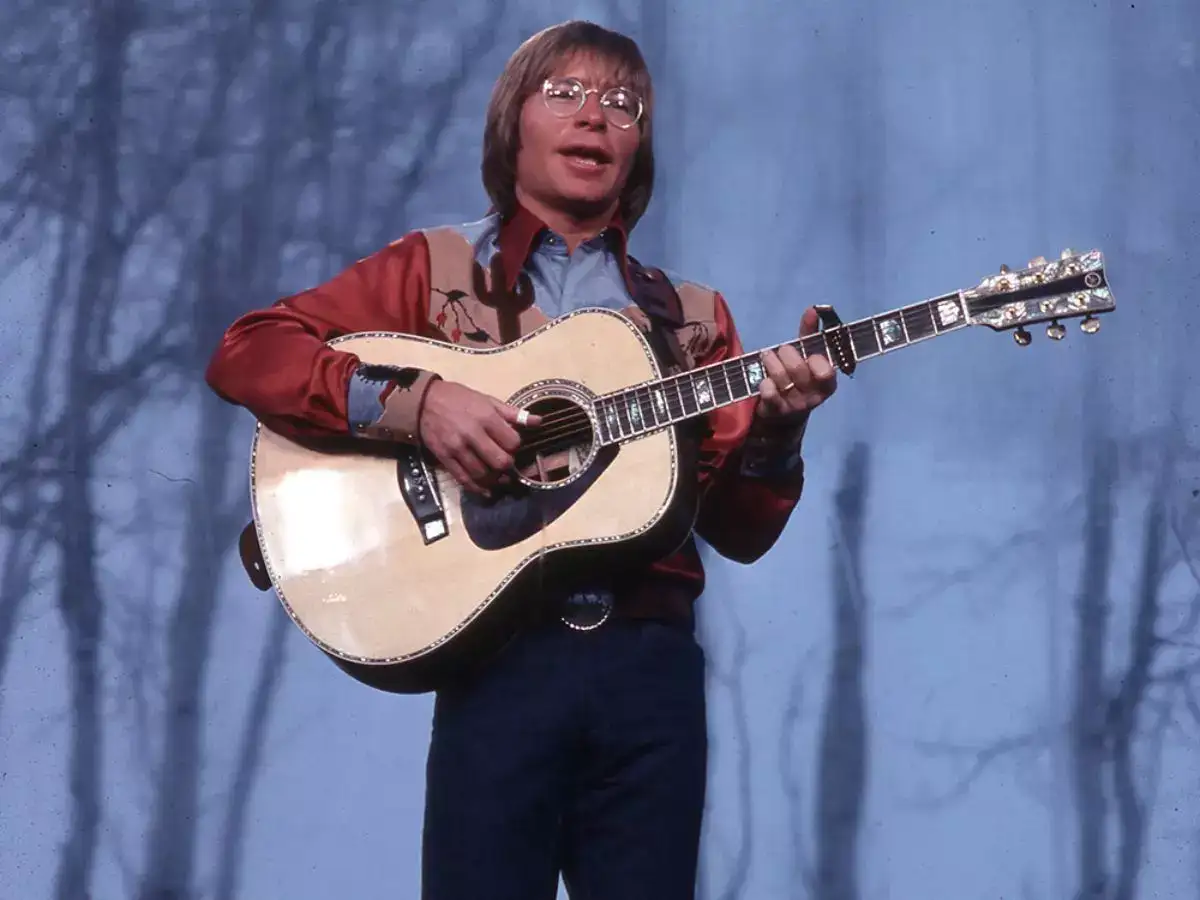
Long before social media turned inspirational quotes into daily trends, John Denver was writing songs and sharing reflections that connected with people on a deeply personal level. His voice carried warmth, calmness and optimism, whether he was singing about country roads, mountain skies or heartbreak. While millions remember him for his timeless music, some of his most lasting impact came through the honest and comforting way he spoke about life itself.
Folk music, open skies, mountain roads and songs filled with warmth and hope turned John Denver into one of the most beloved voices of the 1970s. With hits like Take Me Home, Country Roads, Annie's Song and Rocky Mountain High, he built a career around music that felt comforting, emotional and deeply human.
But beyond the melodies and commercial success, Denver also became known for his optimism and emotional honesty. Many of his quotes continue circulating online because they speak to ordinary struggles people face in everyday life. One of his simplest observations remains especially powerful because of how truthful and reassuring it feels.
Inspiring quote by John Denver
“Things go up and down. If you can survive the down, it will come back.”
The quote resonates because it captures one of the hardest lessons people learn in life: difficult periods are unavoidable, but they are rarely permanent.
Everyone experiences moments when life feels uncertain. Careers collapse, relationships fail, health declines or personal dreams suddenly seem distant. During those moments, people often convince themselves that things will never improve again. Denver’s words push back against that hopelessness.
Rather than pretending life is always positive, the quote acknowledges reality honestly. There are highs and lows. Success and disappointment. Joy and grief. But the central message is about endurance. If someone can survive the painful chapters, life eventually shifts again.
That idea feels comforting precisely because it is realistic. Denver is not promising perfection or endless happiness. He is simply reminding people that life moves in cycles, and difficult moments do not last forever.
What does the quote teach us about resilience and perspective?
Denver’s words reflect a quiet form of resilience that many people overlook. Strength is often imagined as confidence, power or constant success. But sometimes real strength is simply surviving periods when nothing seems to be going right.
The quote also highlights how temporary emotions can feel permanent in the moment. During painful experiences, people often lose perspective. They begin believing failure defines them or that sadness will never end. Denver’s message encourages patience during those seasons of uncertainty.
In many ways, the quote mirrors Denver’s own life and career. Born in 1943 as the son of an Air Force officer, he spent much of his childhood constantly moving between cities and countries. That unstable lifestyle made it difficult to form lasting friendships or feel rooted anywhere.
Music eventually became his escape and connection to others. His grandmother gave him his first acoustic guitar while the family was living in Tucson, a gift that quietly changed the direction of his life. Years later, after briefly running away to California and struggling through the early stages of his career, Denver finally found success as part of The Chad Mitchell Trio before launching his solo career.
By the 1970s, he became one of the biggest recording artists in the world. Yet even enormous fame could not shield him from life’s inevitable ups and downs.
Why does John Denver’s message still connect with people today?
Denver’s popularity eventually declined after his peak commercial years, and his career changed direction as musical trends evolved. Instead of disappearing completely, he shifted focus toward environmental activism, humanitarian work and television projects.
That evolution made him relatable to many fans. He experienced success, decline, reinvention and personal struggles like anyone else. His life never followed a perfectly upward path, which gives quotes like this added authenticity, as per IMDb.
Unlike celebrities who projected invincibility, Denver often appeared gentle, reflective and emotionally open. His music focused on nature, love, loneliness and gratitude rather than image or spectacle. That sincerity became part of his lasting appeal.
Tragically, Denver died in 1997 when the experimental plane he was piloting crashed into Monterey Bay. His death shocked fans around the world, but his music and words continued reaching new generations long afterward.
Today, his quote about surviving life’s “downs” continues spreading online because modern life often feels emotionally exhausting and unpredictable. People still search for reminders that setbacks are temporary and that difficult seasons eventually pass.
That is why Denver’s words remain timeless. They do not offer unrealistic promises or dramatic motivational speeches. Instead, they provide something quieter and perhaps more meaningful — reassurance that life changes constantly, and surviving hard times is sometimes the first step toward finding joy again.