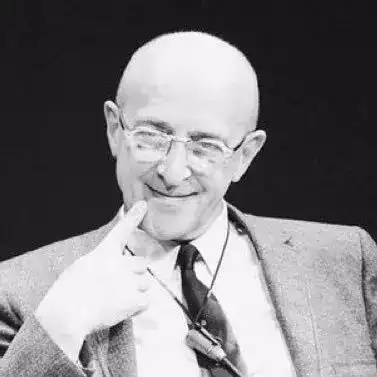
Quote of the day by Carl Rogers : Active listening is one of the most valuable yet overlooked skills in human relationships. Many people hear words, but few truly understand the emotions behind them. In daily life, conversations often become rushed, distracted, or focused on responding instead of understanding. People may interrupt, judge quickly, or think about what they want to say next while the other person is still speaking. This can leave others feeling unheard, misunderstood, or emotionally distant.
Actual listening requires patience, empathy, and presence. It means giving someone full attention without immediately trying to fix their problems or prove a point. In families, active listening builds trust and emotional closeness. In friendships and workplaces, it reduces conflict and strengthens communication. Sometimes, the simple act of listening carefully can comfort a person more than advice ever could. When people feel genuinely heard, they often feel respected, valued, and emotionally safe.
Carl Rogers' Quote Today on Active Listening and Empathy
This concept of active listening is reflected in today’s quote by Carl Rogers, " We think we listen, but very rarely do we listen with real understanding, true empathy. Yet listening, of this very special kind, is one of the most potent forces for change that I know ," as per AZ Quotes.
Why Active Listening Is Important in Human Relationships
The quote emphasizes that actual listening goes far beyond simply hearing another person speak. Carl Rogers points out that many people believe they are listening, but in reality, they are often distracted by their own thoughts, opinions, assumptions, or the desire to respond quickly. Instead of fully understanding another person’s emotions and experiences, conversations can become centered around judgment, advice, or personal reactions.
Quote of the Day May 20: How Active Listening Builds Emotional Trust and Connection
Rogers believed that “real understanding” comes from empathy, the ability to genuinely place oneself in another person’s emotional world without criticism or interruption. This type of listening allows people to feel accepted and emotionally safe. When someone feels deeply heard, they are more likely to express themselves honestly and openly, which can strengthen trust and emotional connection.
Why Feeling Heard Can Improve Mental and Emotional Well-Being
The quote also explains why empathetic listening can become a powerful force for change. People often heal emotionally not because someone solved their problems, but because someone truly understood them. In relationships, workplaces, counseling, and everyday life, listening with compassion can reduce conflict, improve communication, and encourage personal growth.
His words remind people that listening is not a passive act. It is an active expression of patience, care, and humanity.
Who Was Carl Rogers
Carl Rogers was an American psychologist known for developing client-centered psychotherapy, an approach based on empathy, understanding, and trust between therapist and client. Born in Oak Park, Illinois, in 1902, Rogers studied at the University of Wisconsin before earning his M.A. and Ph.D. from Columbia University’s Teachers College, as per Britannica report.
He began his career working with troubled children in Rochester, New York, experiences that shaped his views on counseling and human behavior. Rogers later taught at institutions including Ohio State University, the University of Chicago, and the University of Wisconsin.
Carl Rogers’ Client-Centered Psychology and Its Lasting Influence
He wrote influential books such as Counseling and Psychotherapy (1942), Client-Centered Therapy (1951), and On Becoming a Person (1961). In 1963, he moved to La Jolla, California, where he helped found the Center for Studies of the Person. Rogers remained a major influence in psychology until his death in 1987 at age 85, as per the Britannica report.