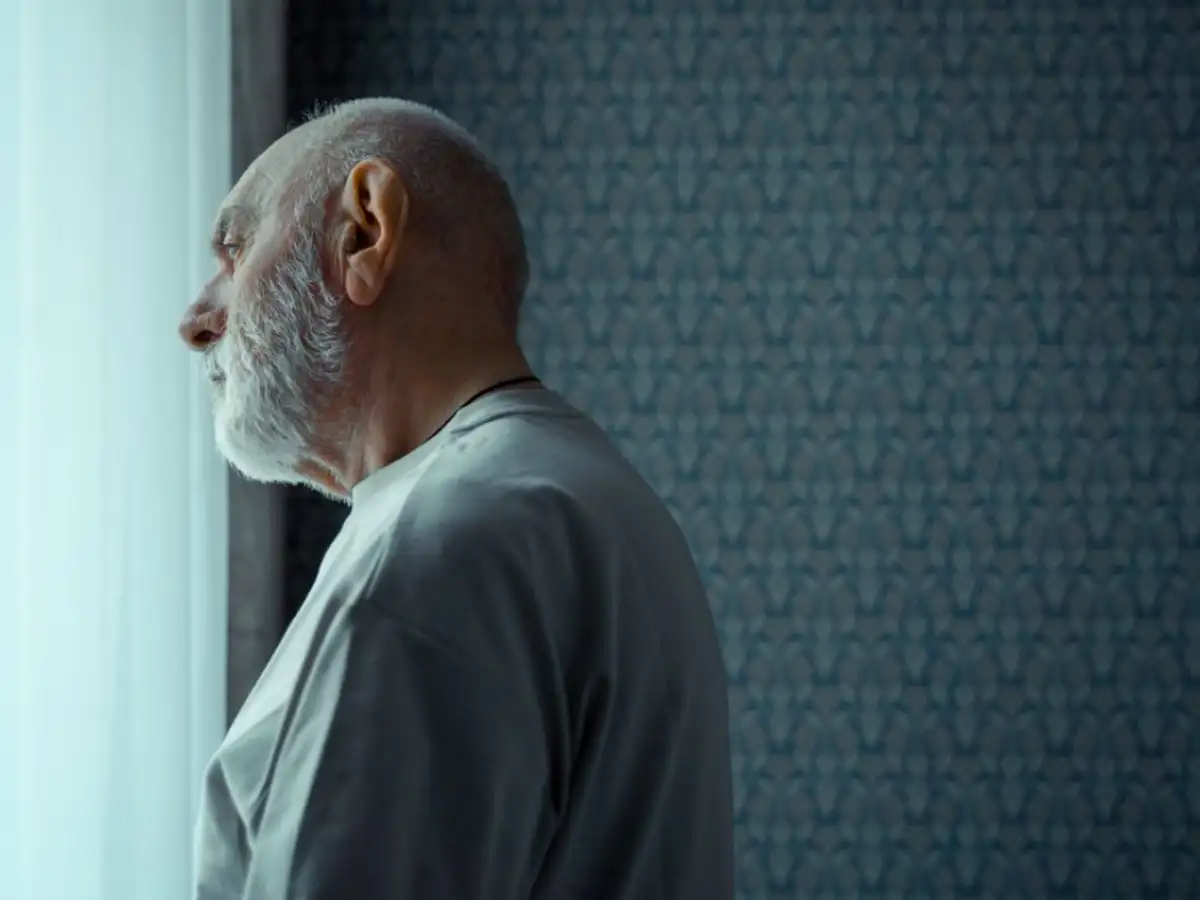
When people think about loneliness in later life, they often picture someone living alone after the loss of a spouse. While bereavement can certainly be painful, psychology and public-health research suggest that loneliness is often more complicated than simple physical solitude. Many older adults continue to have family members, social commitments, regular visitors, and active calendars, yet still report feeling deeply disconnected. Research from the World Health Organization , along with studies published in journals such as The Journals of Gerontology and Aging & Mental Health , shows that loneliness is less about the number of people in someone’s life and more about whether those relationships still provide understanding, emotional support, and a sense of being known. In many cases, the deepest loneliness emerges not from having nobody around, but from feeling invisible within relationships that still technically exist.