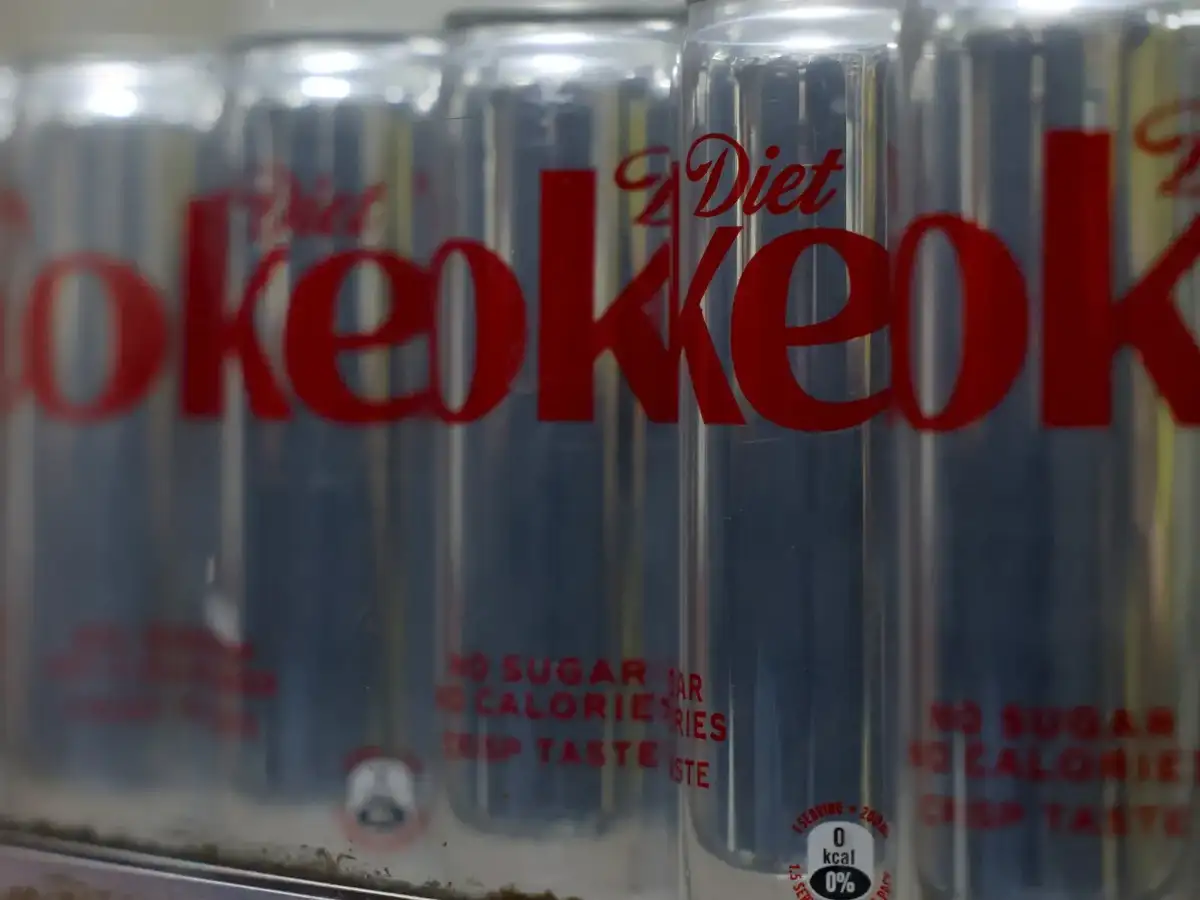
Diet coke obsession: Diet is literally everywhere and people obsessed with it describe it as more than just a drink. For some people, it's just a routine or comfort and for some, a habit they reach for multiple times a day. But the most important question is: What makes it feel so hard to give up even when it contains zero sugar and zero calories?
ALSO READ: P sychology says people who speak very fast are not excited but are often trying to keep up with their own thoughts
Research has shown that even sweetness without calories may still trigger reward pathways in the brain, influencing cravings and repeated consumption. This doesn’t mean Diet Coke is “addictive” in a medical sense, but it does raise questions about how the brain responds to taste, expectation, and habit.
ALSO READ: Psychology says fathers who fix broken things instead of replacing them are not being cheap
Why the brain responds to sweetness without calories
Normally, when people consume sweet foods, they signal energy to the body. But with diet drinks, the situation is slightly different. You experience the sweet taste, but without the expected calorie intake.
This mismatch may confuse the brain’s reward system. Over time, this can lead to a cycle where the brain continues to seek that familiar “reward” feeling, even though no actual energy is provided, according to studies. In simple terms, the brain may be reacting not just to sugar but to the expectation of it.
People obsessed with Diet Coke and habit loops
Diet Coke was born in 1982—not as a variant of classic Coca-Cola, but as an entirely new formula based on its less-loved cousin, Tab. Many people who are obsessed with Diet Coke don’t drink it only for taste. It often becomes tied to daily routines like meals, work breaks, stress, or even boredom.
Some common patterns include:
Reaching for Diet Coke during emotional moments
Pairing it with food or snacks automatically
Drinking it as a “reward” after tasks
During fat loss journey
Over time, these patterns can turn into strong habit loops that feel automatic rather than intentional.
The “Fridge Cigarette” effect
Online discussions often refer to Diet Coke as a “fridge cigarette”—not because it is harmful in the same way, but because of the behavioral similarity. Like a cigarette break, people may:
Open the fridge repeatedly without thinking
Drink it during stress or downtime
Associate it with relief or satisfaction
This reinforces the idea that the obsession is not only about taste, but also about emotional and behavioral conditioning.
Why People Don’t Easily Quit Diet Coke
Even without sugar or calories, Diet Coke can still feel hard to replace because it sits at the intersection of:
Sweet taste
Familiar routine
Emotional comfort
Brain reward response
This combination can make the habit feel stronger than expected, even when people are fully aware it has no nutritional value.
Final Takeaway on diet coke
The conversation around people obsessed with Diet Coke is shifting. It’s no longer just about preference or taste—it’s about how the brain processes sweetness without calories and how that might influence repeated behavior.
While Diet Coke remains a widely consumed zero-calorie drink, the bigger takeaway is simple: sometimes, it’s not the food or drink itself, but how the brain responds to it that keeps the habit alive.