Around 2.7 million workers are set for a pay boost this week as both the minimum wage and real living wage rise in the UK.
Under increases announced by the government, workers aged 18 to 20 will see an 85p rise to £10.85, an increase of 8.5 per cent. Meanwhile, under-18s and apprentices will get 45p more, up six per cent to £8 an hour.
At the same time, the national living wage for all workers aged over 21 will rise by 4.1 per cent from £12.21 an hour to £12.71.
The substantial rise for younger workers begins with Labour’s election pledge to gradually equalise pay brackets so that these workers are no longer paid less.
It comes as households across the UK brace for forecasted cost of living increases amid a spike in oil and gas prices arising from the US-Iran war.
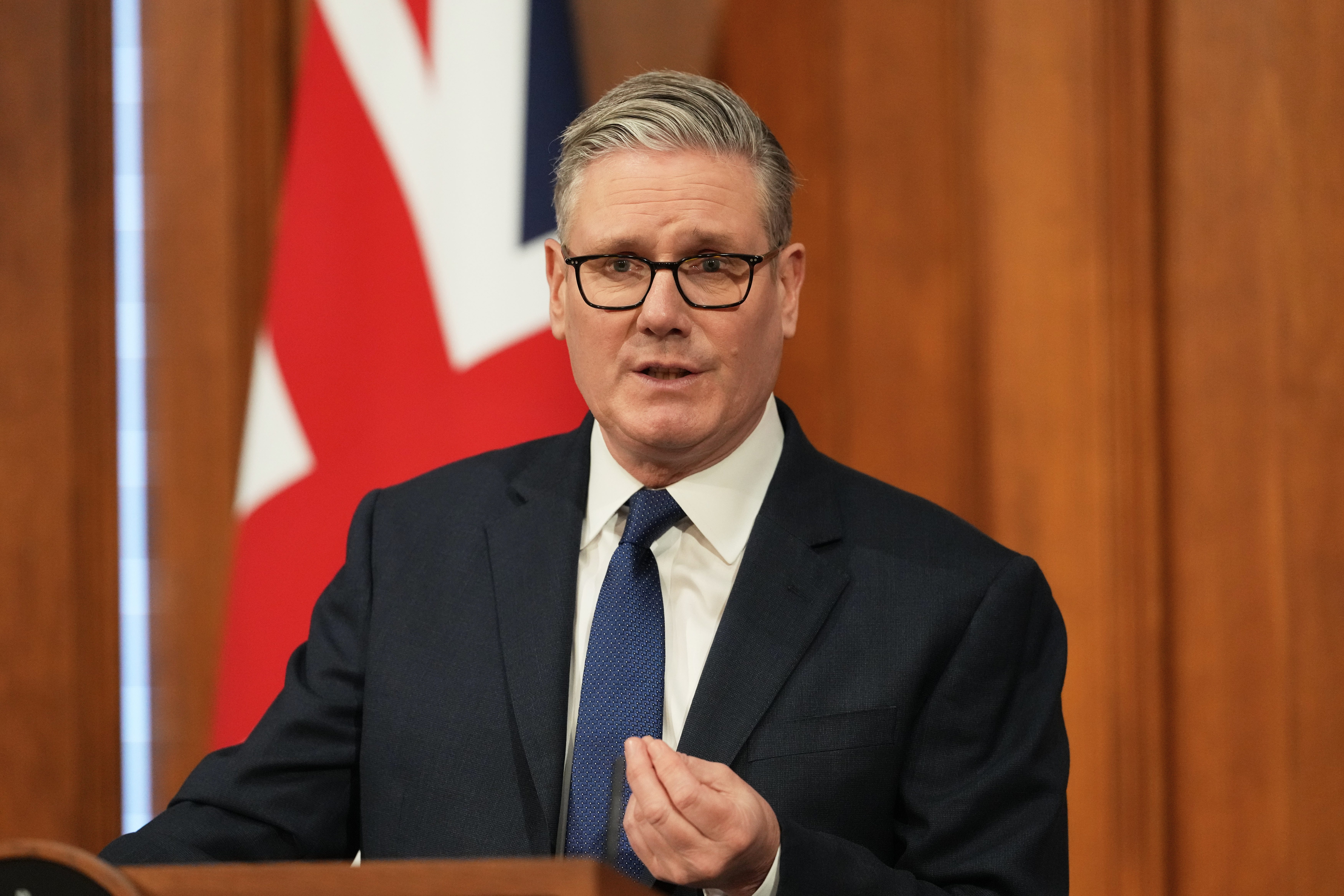
Speaking on Wednesday, Sir Keir Starmer said: “In an uncertain and volatile world, it is my government’s duty to protect the British people at home and abroad.
“Today, millions of people up and down the country will see energy bills go down by £117, wages go up for the lowest paid, and more support will be available for people who need it most – because of the decisions this government has taken.”
Some hospitality sector bosses have reacted negatively to the rises, arguing that they will put more cost pressures on their businesses.
In a member survey carried out by UK Hospitality in February with other trade associations, 64 per cent of hospitality businesses said they would slash jobs as a result of the cost increases, which also include the rise to employers’ national insurance contributions.
The rises in national minimum wage and national living wage highlighted by Sir Keir represent a £1.4 billion additional annual increase for hospitality businesses, the body said.
The real living wage is also rising this April. This is different to the national living wage, which is the statutory minimum in the UK. It is calculated each year based on the cost of essentials and is now paid by more than half of the companies in the FTSE 100.

Nearly half a million workers on the real living wage will get a pay rise of 85p an hour, up to £13.45. The rate is paid voluntarily by 16,000 UK companies.
The 6.7 per cent increase will come into effect from today, adding 85p an hour onto the optional payment rate. For workers in London, it will rise by 6.9 per cent, increasing by 95p to £14.80 an hour.
This year’s rise means a full-time worker earning the real living wage will take home £1,443 more per year than someone on the government’s minimum wage. For London workers, this will rise to £4,076, according to the Living Wage Foundation, which sets the rates.
Katherine Chapman, executive director of the Living Wage Foundation, said: “The rise to the minimum wage is a welcome boost for low-paid workers who have been hit hardest by years of high prices. It still falls short of the voluntary real living wage, the only UK wage rate independently calculated based on the cost of living.
“Despite tough times for businesses over the last year, we are still seeing more employers join the movement of over 16,000 living wage employers who are committed to paying their workers in line with the cost of living. That’s because they know the living wage is good for people, good for society and good for business.”
‘Angry’ Reeves says Trump started Iran war with ‘no clear plan’ to end conflict: Live
Two migrants reported dead in Channel crossing as small boats deal stalls
Easter bank holiday weekend weather forecast revealed with yellow warnings issued
Job openings slide to 6.9 million in February, another hint of sluggish hiring in America
King Charles invited to address US Congress during upcoming state visit
Drivers urged to drive 10% slower to ‘improve fuel efficiency’