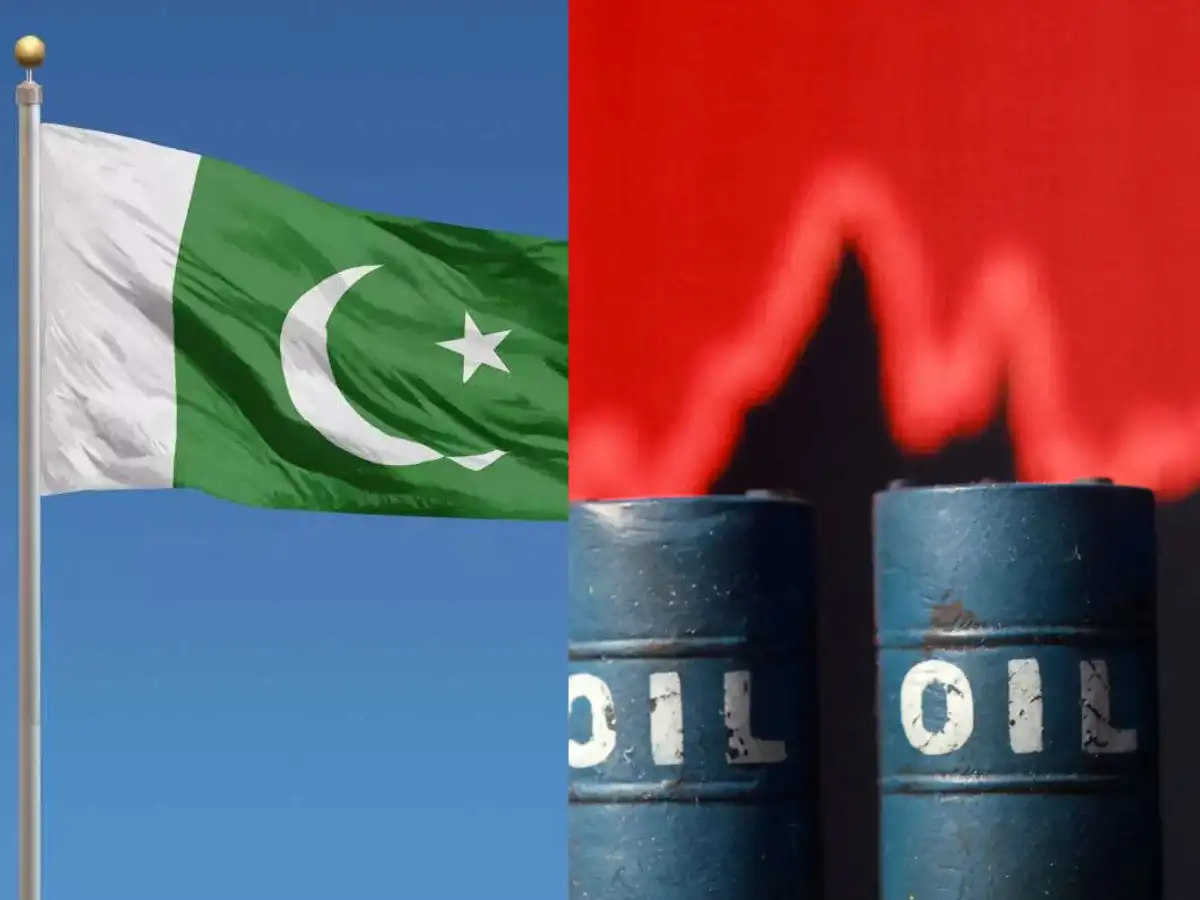
Pakistan's state-owned energy giant, the Oil and Gas Development Company Limited (OGDCL), has announced a significant oil and gas discovery in the Sanghar district of Sindh province. Officials said the find could help strengthen the country's domestic energy supplies and reduce reliance on imports.
According to the company, the discovery is expected to help narrow Pakistan's energy demand-supply gap through indigenous resources while also enhancing OGDCL's hydrocarbon reserves base.
Read more: Pakistan claims India diverting Chenab water to Beas violation of IWT
Where did the discovery happen?
In a letter sent to the Pakistan Stock Exchange and the London Stock Exchange, OGDCL informed shareholders that the discovery was made within the Bobi and Dhamraki mining lease area in Sanghar district.
The company said it holds a 100% working interest in the mining lease and made the discovery through its exploratory well, Bodi Deep-1.
Output from Bodi Deep-1 well
According to the disclosure dated June 3, the Bodi Deep-1 well produced 2,000 barrels of oil per day (BOPD) and 1.1 million standard cubic feet of gas per day (MMSCFD) at a choke size of 32/64 inch, with a wellhead flowing pressure of 1,050 pounds per square inch (PSI).
The company said the well was drilled to a total depth of 3,305 metres in the Sembar Formation and that the discovery was achieved through OGDCL's in-house technical and operational capabilities.
First hydrocarbon discovery in the lease area
The discovery marks a key development for the Bobi and Dhamraki Mining Lease, representing the first hydrocarbon find from the Massive Sand Play in the area.
"Besides establishing a new exploration play, the discovery has de-risked analogous prospects in the surrounding region, opening new avenues for future exploration and resource growth,” it said.
Potential boost to future exploration
The find is expected to encourage further exploration activity in the surrounding region, with OGDCL indicating that the discovery has improved the prospects of similar geological formations nearby. The company believes the breakthrough could pave the way for additional resource development and strengthen Pakistan's long-term energy security.
(with PTI inputs)