The renewed escalation of tensions in the Middle East has once again pushed oil markets into the spotlight, raising concerns about inflation, supply disruptions, and the broader impact on global economic growth. Crude oil prices have surged in recent weeks as hopes of a diplomatic breakthrough between the United States and Iran continue to fade, leaving investors grappling with fresh uncertainty.
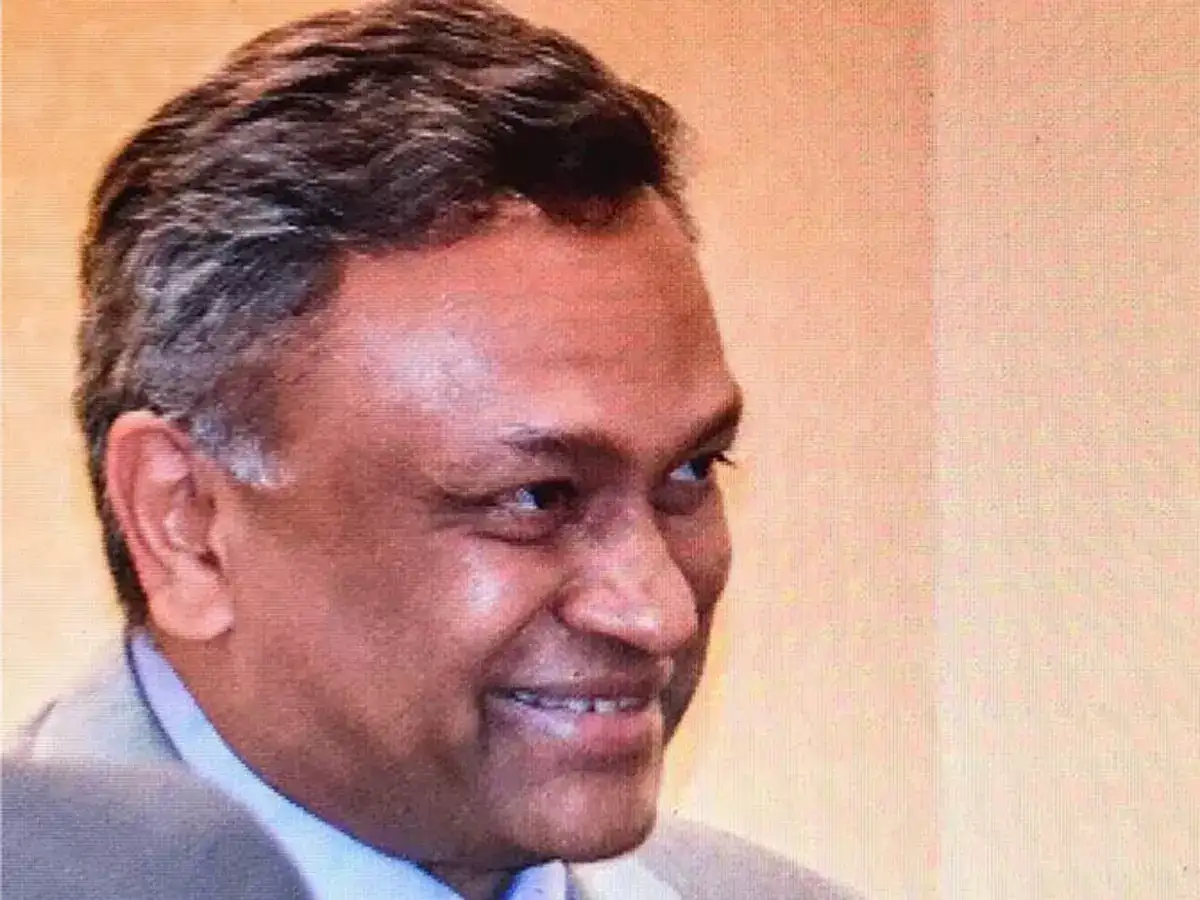
Speaking to ET Now, Arnab Das, Global Macro Strategist, said the path to a meaningful compromise between Washington and Tehran remains highly challenging given the range of unresolved issues, including Iran's nuclear programme, enriched uranium stockpiles, ballistic missile capabilities, drones, and regional proxy networks.
According to Das, while U.S. President Donald Trump has attempted to manage market expectations and limit the economic fallout through optimistic messaging, the underlying challenges remain substantial.
"It is hard to see where the intersection is, where all the different issues can be solved to both parties' liking to some degree at least. A compromise is difficult to achieve on the proxies, on the ballistic missiles and drones, on the nuclear programme, on the enriched uranium, and so on and so forth."
Markets Yet to Fully Price in Potential Damage
Despite the seriousness of the situation, Das believes financial markets have not yet fully reflected the potential economic consequences, particularly if disruptions around the Strait of Hormuz continue.
He noted that significant oil production has already been lost and that physical commodity markets are showing signs of tightness. However, markets continue to hold onto the expectation that a resolution may eventually emerge, which is reflected in the downward-sloping oil futures curve.
"Considering the scale of the shock and the potential for continued closure of the Strait of Hormuz, the markets have not really gone too far, and I suspect that how much damage there will actually be to the world economy remains to be seen."
Das added that while some economic damage appears unavoidable, the impact may be less severe in major economies such as the United States and China.
China, he explained, has substantial strategic reserves that can be released when needed, while the United States has become a net energy exporter at the macro level. Additionally, equity markets remain heavily focused on the transformative potential of artificial intelligence rather than energy-related concerns.
"The bond market is responding, I would say, to the oil shock, and the equity market is responding to the industrial revolution, technology revolution, and hope in the AI sector."
OPEC+ Faces Limits in Addressing the Crisis
As concerns grow over supply disruptions, questions have emerged about whether OPEC+ can step in to stabilise global oil prices.
Das argued that the challenge extends beyond production capacity and is increasingly a transportation problem. If the Strait of Hormuz remains partially blocked, many Middle Eastern producers could struggle to export additional volumes even if they possess spare capacity.
Saudi Arabia may be better positioned than some of its regional peers due to its ability to redirect oil through pipelines to the Red Sea, but broader logistical constraints remain significant.
"OPEC+ can help send the right signal about the future and that will keep the futures curve in oil downward sloping, but it would not really solve the problem today."
He cautioned that the rest of the world cannot completely offset supply losses from key Middle Eastern exporters, making shortages and disruptions difficult to avoid.
Ripple Effects Across Energy, Gas and Fertiliser Markets
The disruption is already being felt beyond crude oil markets. Das pointed to growing stress in natural gas and fertiliser supplies, with some regions beginning to experience demand destruction through rationing measures.
Air travel has also been affected, with airlines reducing services on less profitable routes to cope with higher fuel costs and operational challenges.
"We are looking at a significant shortage, significant disruption in physical oil markets, some disruption in gas, some disruption in fertiliser markets and hence you are seeing some demand destruction, particularly in Asia through rationing and some likely to come in Europe."
At the same time, Das believes the overall impact on global GDP could be more limited than the magnitude of the oil shock might initially suggest, as businesses and consumers adjust to changing conditions.
Stagflation Risks Re-Emerge
Financial markets have already begun reacting to the renewed tensions, with oil prices climbing, bond yields rising and equities facing pressure.
Das warned that if the current situation persists, the global economy could face renewed stagflationary pressures — a combination of slowing growth and rising inflation that has historically proved difficult for policymakers to manage.
"We are seeing the reaction already, which is oil rallying, bonds selling off, and stock markets under some pressure."
However, he expects markets to eventually adapt, with investors once again shifting their focus toward structural growth themes, particularly artificial intelligence and technology-driven investments.
AI Revolution Continues to Drive Equity Markets
While geopolitical risks dominate headlines, Das believes the AI boom remains the primary long-term driver of equity market performance.
He expects countries and regions with strong exposure to AI hardware and technology infrastructure—including the United States, China, Taiwan, South Korea and, to a lesser extent, Japan—to continue outperforming many other economies.
Countries that remain more vulnerable to energy price shocks, including parts of Europe and several emerging markets, may face greater challenges if elevated oil prices persist.
Escalation Risks Remain a Key Market Concern
Looking ahead, Das highlighted the possibility of further escalation if military action intensifies. While he does not view attacks on Gulf energy infrastructure as Iran's most likely immediate response, he believes the risk cannot be dismissed.
"There will come a point when Iran responds and retaliates not just by targeting the US as it has been doing recently, but maybe doing a little bit more damage to Gulf energy assets and diversification assets."
For now, markets remain caught between two powerful forces: growing geopolitical uncertainty and optimism surrounding the global AI-driven technology cycle. Which narrative ultimately dominates could determine the direction of financial markets and the global economy in the months ahead.