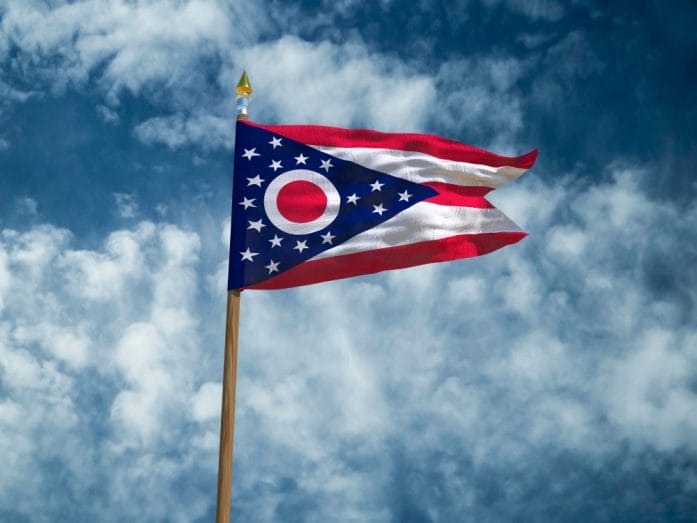
Ohio retirees continue to feel a squeeze at the pharmacy counter even after Medicare reform changes aimed at lowering prescription drug costs. Monthly medication bills keep climbing for many seniors who expected relief from federal updates to Medicare Part D and recent policy adjustments. Pharmacies across Ohio report more seniors questioning why copays still feel high, especially for brand-name prescriptions and specialty medications. Many retirees assumed reforms would immediately translate into lower out-of-pocket spending, yet real-world bills often tell a different story.
Inflation in healthcare, shifting insurance formularies, and tiered drug pricing all combine to keep costs elevated. Seniors on fixed incomes feel the pressure most intensely as they juggle medications, housing, and daily essentials. The gap between policy expectations and pharmacy receipts continues to grow, leaving many Ohio households searching for answers.
Medicare Reform Promises vs. Ohio Reality
Medicare reforms introduced recent changes designed to cap certain costs and improve drug affordability, yet Ohio retirees still encounter rising expenses at the pharmacy counter. Federal updates aimed to simplify prescription coverage and reduce catastrophic spending, but many beneficiaries still face higher monthly premiums and copays. Insurance plan structures in Ohio often shift drugs into higher tiers, which immediately raises what retirees pay out of pocket. Even with policy improvements, not all medications qualify for the strongest cost protections, especially newer or specialized treatments. Seniors frequently discover that coverage improvements apply unevenly, depending on their specific plan and prescribed medications.
Ohio retirees also face confusion when comparing advertised Medicare benefits with actual pharmacy receipts. Plan brochures highlight savings opportunities, but formularies often change mid-year, forcing unexpected cost adjustments. Some retirees switch plans during open enrollment only to discover limited drug coverage later. These mismatches create frustration and financial strain, especially for individuals managing chronic conditions like diabetes or heart disease. The result leaves many seniors questioning whether reform benefits fully reach their everyday prescriptions.
The Hidden Costs Driving Up Prescription Bills
Prescription drug pricing in Ohio continues to climb due to several hidden cost drivers that Medicare reforms do not fully address. Pharmacy benefit managers negotiate prices behind the scenes, yet savings do not always pass directly to retirees. Brand-name medications still dominate many treatment plans, and those drugs carry significantly higher price tags than generics. Even when generics exist, doctors may prescribe newer medications that insurance plans categorize as higher-cost options. These decisions quickly increase monthly out-of-pocket spending for retirees living on fixed incomes.
Additional costs appear through deductibles, coverage gaps, and tiered copay systems that reset annually. Some retirees reach coverage limits or move through different phases of Medicare Part D, which temporarily increases what they pay for prescriptions. Specialty medications for conditions like rheumatoid arthritis or cancer often carry the steepest costs, even under reform structures. Ohio seniors also face regional pricing differences and pharmacy-specific pricing policies that affect final checkout totals. These overlapping factors combine into a system where small changes in coverage still produce noticeable financial strain.

What Ohio Retirees Can Do Right Now
Ohio retirees can take several practical steps to reduce prescription costs, even within the current Medicare framework. Comparing Medicare Part D plans during open enrollment helps identify better coverage for specific medications, especially when formularies shift each year. Asking doctors about generic alternatives or therapeutic equivalents often leads to lower-cost prescriptions without sacrificing effectiveness. Many pharmacies in Ohio offer discount programs or membership savings that reduce prices on commonly used medications. Retirees who review their Explanation of Benefits statements regularly often catch pricing changes early and adjust their plans accordingly.
Some seniors also benefit from Medicare Savings Programs or Extra Help assistance, which reduces premiums and copays for eligible individuals. Local community health centers and nonprofit organizations in Ohio sometimes provide prescription assistance programs that offset high drug costs. Mail-order pharmacies can also lower prices for long-term medications by offering bulk supply discounts. Retirees who coordinate care between pharmacists and physicians often gain better insight into cost-saving alternatives. Taking proactive steps helps seniors regain more control over rising prescription expenses, even when broader system changes lag behind expectations.
What This Means for Ohio Retirees Moving Forward
Ohio retirees continue to face a healthcare landscape where Medicare reforms improve certain protections but fail to eliminate rising prescription costs. Drug pricing complexity, insurance tier systems, and coverage gaps still shape how much seniors pay each month at the pharmacy. Even small changes in prescriptions or insurance plans can trigger noticeable differences in out-of-pocket spending. Policy updates may continue to roll out, but immediate relief remains uneven across medications and insurance providers. Retirees must stay alert and proactive to manage costs effectively in an evolving system that rarely stays predictable.
What strategies have helped manage prescription costs during retirement, and what changes would make the biggest difference going forward?
You May Also Like…
Why More Americans Are Delaying Retirement as Medicare Premiums Approach $200 Per Month
7 Medicare Costs Rising Faster Than the 2027 Social Security COLA Forecast
New Federal Reporting Rule Covers All‑Cash Home Sales in Many Metro Areas — Here’s Who’s Impacted
5 Medicare Services Seniors Are Losing Coverage For in 2026
Medicare Identity Alert: 3 Steps to Take After a Data Exposure Notice
The post Ohio Retirees Are Paying More for Prescription Drugs Even After Medicare Reform Changes appeared first on The Free Financial Advisor.