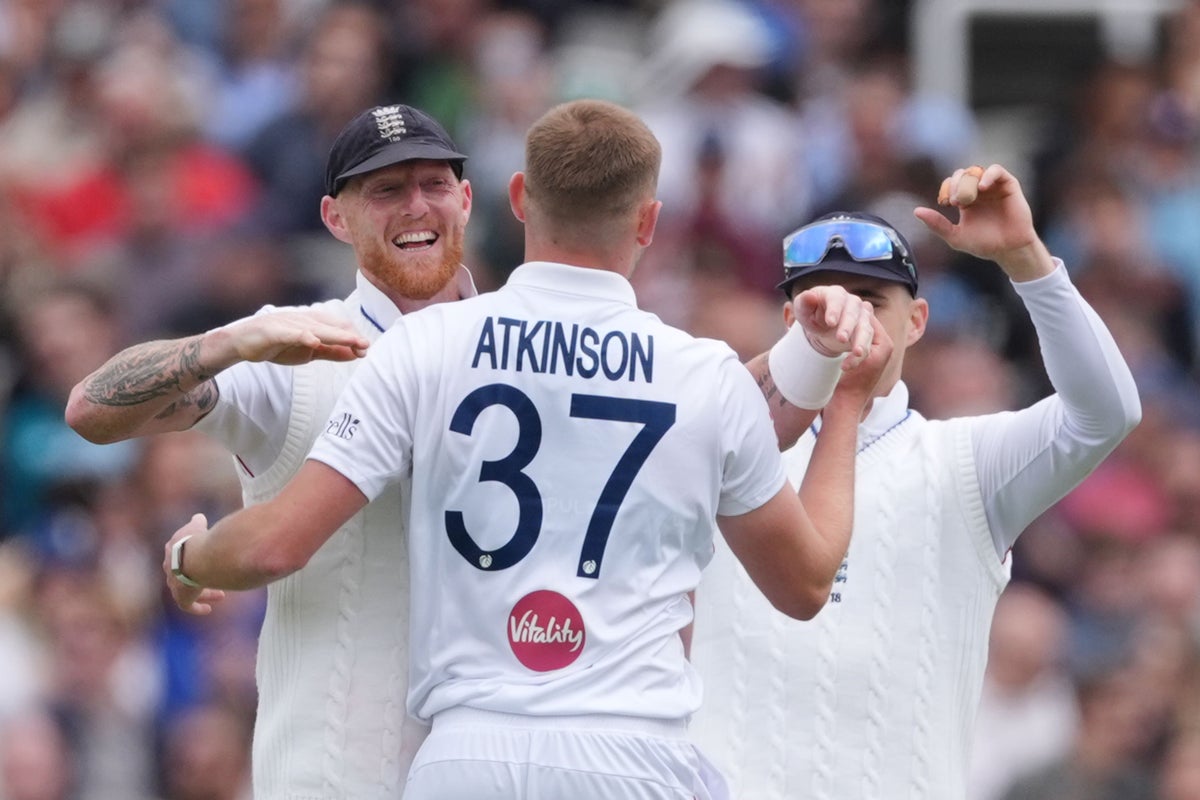
England captain Ben Stokes was proud of his side for seeing off New Zealand on an unreliable Lord’s pitch but warned such surfaces are not good for the health of Test cricket.
The hosts wrapped up a 115-run victory on the fourth morning of the first Rothesay Test, but without the intervention of rain it would have been over in less than two days.
By the time Gus Atkinson bowled Matt Henry to finish things off on Sunday, just 996 balls had been bowled in four innings – the fewest for a completed match at the home of cricket since 1888.
With elaborate seam movement and unpredictable bounce, a wicket fell every four overs on average, with nine ducks amid 25 single-figure scores.
And while Stokes accepted that proved good entertainment for those who saw 33 wickets in the first two days, he sounded a note of caution about the long-term value.
“This week we were presented with conditions that were difficult but we were playing against another team who had the exact same conditions to come up against. I thought the way we committed to what we needed to do as a team was very impressive,” he said.
“If you are there on day one, you have had a great time. Wickets falling, balls flying everywhere… with 16 wickets and 200 runs being scored, it’s a good day out.
“But it was an inconsistent pitch. As a batter you never feel in. As someone who believes Test cricket is the best format and should never disappear, that is not ideal. When you see extreme conditions like that, that’s not going to help the game in the future.
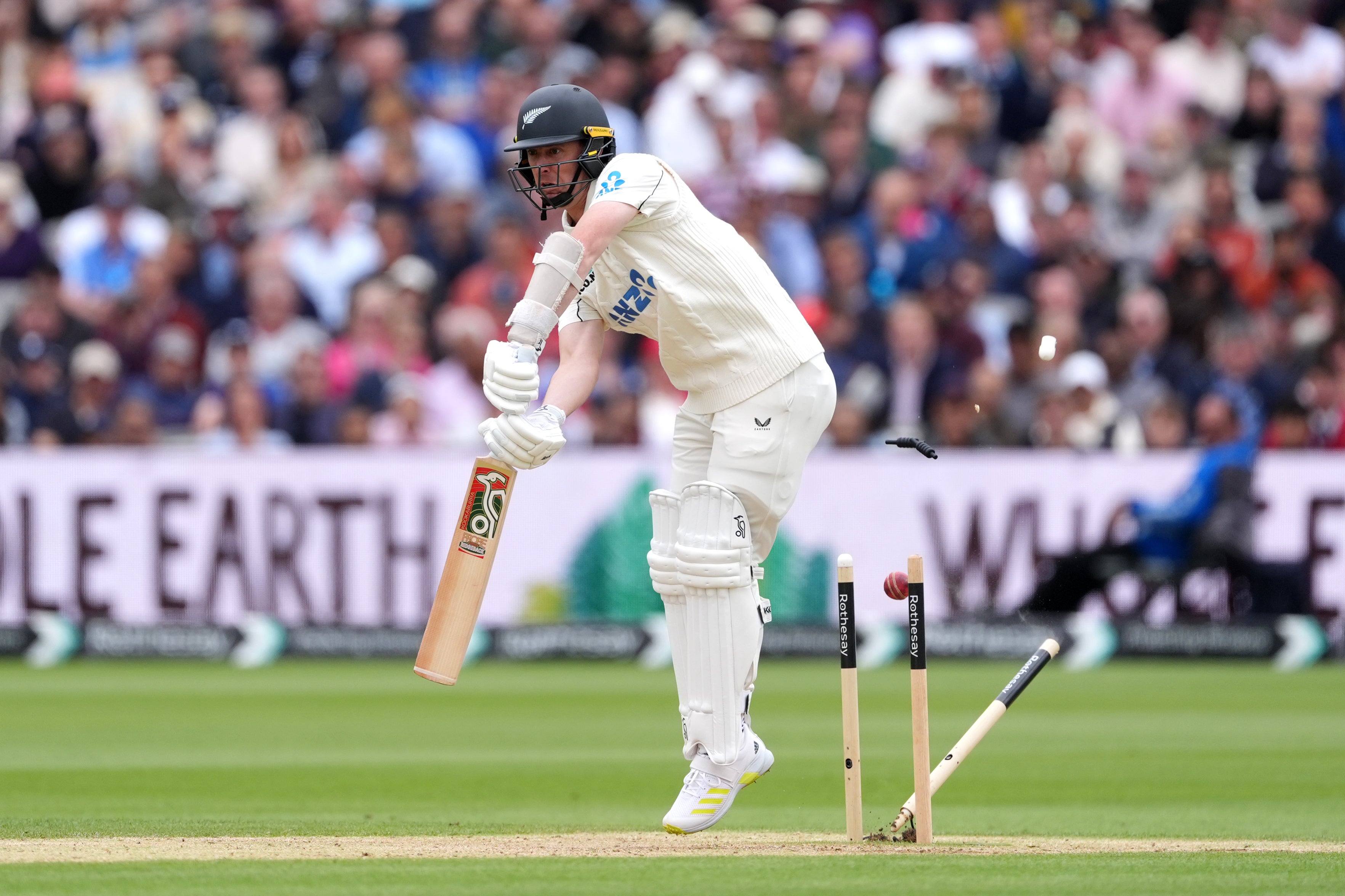
“It’s so tough to get it right. But wickets are something that can help towards the understanding of what would help Test cricket stay around. It’s not just the case that players have lost the ability to dig in.”
Just a couple of hours after the match, there was an admission from Lord’s owners Marylebone Cricket Club that the ground was not up to scratch.
“We hold ourselves to the highest standards and are naturally frustrated when a surface falls short of those expectations,” said MCC chief executive and secretary Rob Lawson, who cited unusually high May temperatures followed by heavy rain in the immediate build-up.
“We recognise that the pitch for this Test has shown more variable bounce than we would have wanted. We fully recognise the need to act quickly.”
Ollie Robinson was player of the match for taking career-best figures of seven for 77 on comeback but the highest individual score of a bowler-dominated match, as well as the longest, was made by debutant Emilio Gay. After being dismissed for eight in his first knock in an England shirt, he gritted his way to 57 in 95 balls in the second innings to hand the bowlers a winning platform.
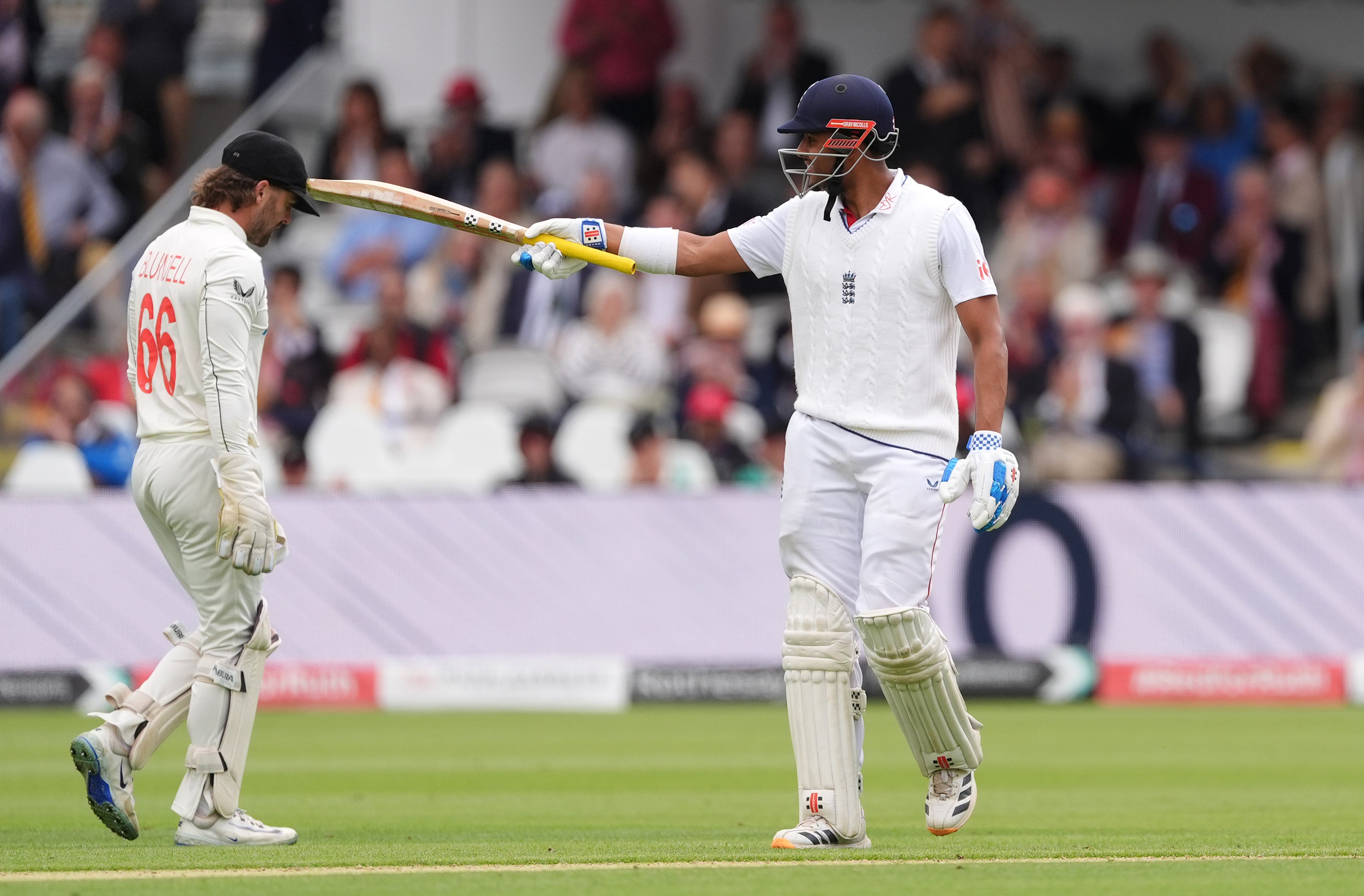
“I said to Emilio, that these conditions are at the top of the tough end in Test cricket,” said Stokes of his Durham team-mate.
“With the pressure he was under in such a low-scoring game, for him to to make a significant contribution with the bat will do wonders for his confidence and make him realise how hard that the step up can be.
“Opening the batting’s always tough and especially opening the batting in England – where it can be even tougher than anywhere else in the world. He found that out this week, but he came up with a way to score runs and was a huge reason why we were able to to put a pretty big total on the board.”