
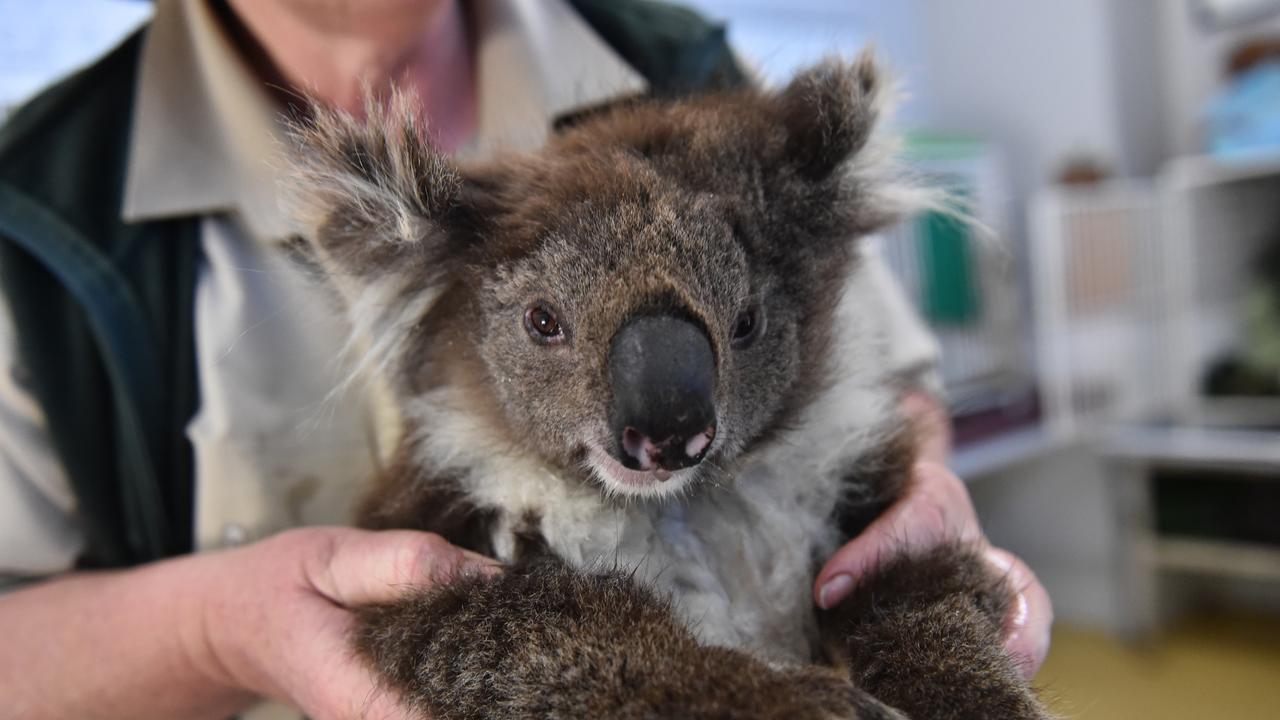
Australia's most famous koala-sniffing dog has hung up his little red boots, and now the search is on for his successor.
After a decade helping rescue koalas from bushfires and other disasters, 11-year-old detection dog Bear retired in March.
His exit left conservationists scrambling to find a new recruit capable of plugging gaps left by human spotters and infrared detection technologies.
The ideal candidate will be energetic, obsessed with fetching balls and have absolutely zero interest in chasing wildlife.
View this post on InstagramA post shared by Bear The Koala Detection Dog (@bearthekoaladog)
"Those dogs often don't make the ideal family pets, but Bear was born to be a detection dog," International Fund for Animal Welfare Oceania programs head Josey Sharrad told AAP.
Bear was rehomed multiple times before landing with trainers a decade ago but his intense focus made him a perfect fit for the long hours of conservation work.
"He literally ate the walls of his Gold Coast apartment in one home," Ms Sharrad said.
During the Black Summer bushfires, Bear helped find more than 100 koalas, many in need of urgent veterinary care.
His red boots and life-saving work attracted an international following, including stars Tom Hanks and Leonardo DiCaprio.
Now conservation groups are teaming up with the University of the Sunshine Coast and a French canine expert to train the next koala detection dog.
Frederic Chappee spent years leading canine units in the French army before training anti-poaching dogs in Africa and Indonesia.
The successful recruit will likely be medium-sized, younger than two years old and comfortable charging through dense bush, he said.
Unlike other koala detection dogs, which are trained to sniff out droppings, Bear was trained on the scent of live koalas - often high above the ground.
"That's a bit of a tougher job than finding poo," Ms Sharrad said.
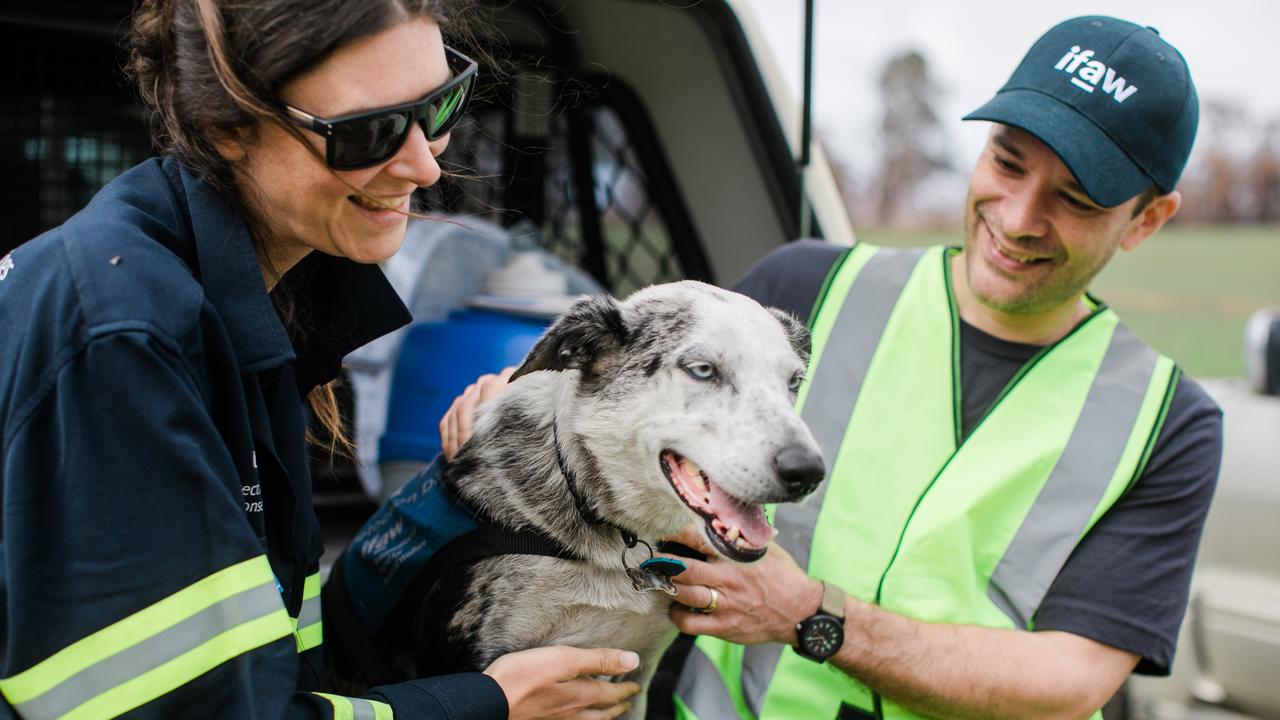
The dog will work alongside drones and human spotters, particularly after bushfires, floods and cyclones.
Koalas were listed as endangered along much of Australia's east coast after catastrophic habitat loss during the Black Summer fires.
Against a backdrop of increasingly frequent and devastating climate disasters, dogs play an increasingly important role, Ms Sharrad said.
"They can smell what we can't see," she said.
The work is demanding and the hours can be long but the lifestyle, on Queensland's Sunshine Coast, has its perks.
"The best thing about these detection dogs ... they have the best of both worlds," Ms Sharrad said.
"They're working during the day and they're living the life of a pet for the rest of the time."