Drivers will soon only need one app to pay for parking under new plans, which aim to put an end to the chaos of needing multiple different apps.
Under a project announced by the Department for Transport on Thursday, all councils must consider formally signing up to the National Parking Platform (NPP) initiative, which has been voluntary up until now.
It will allow motorists to use any parking app of their choice, which will connect multiple parking service providers to thousands of locations across the UK.
Rod Dennis, a senior policy officer at the RAC, said: “Paying to park a car should be one of the simplest tasks any driver does, but with a plethora of different mobile parking payment apps now in existence things have got a little more complicated.
“The roll-out of National Parking Platform has the potential to change that, giving drivers the chance to use a single app of their choice. We now need as many operators as possible to join the scheme to make parking easier for everyone.”
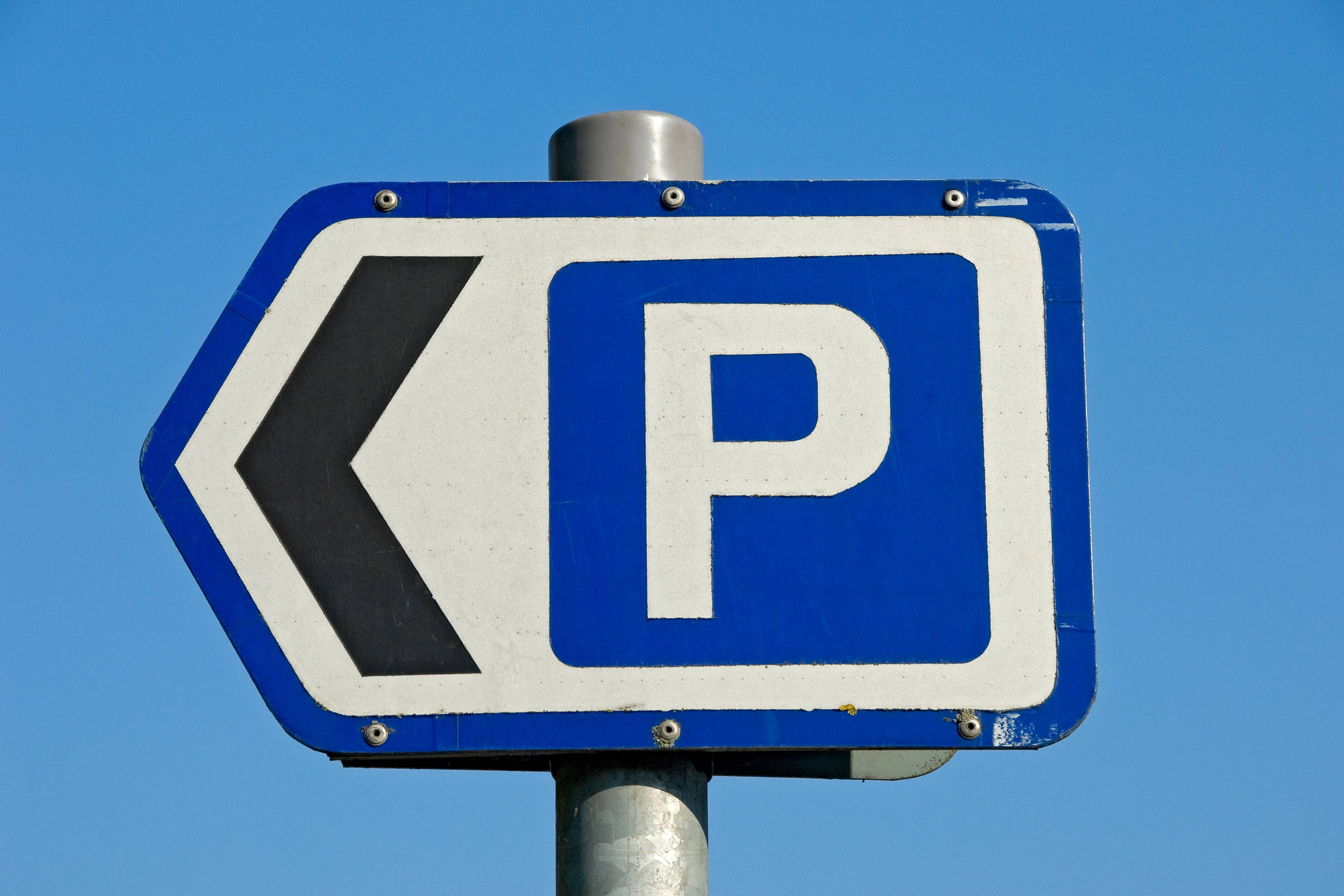
The initiative currently handles around 10.3 million transactions each year across more than 1,200 parking locations. Apps including Ring Go, APCOA Parking, JustPark and PayByPhone have joined the scheme.
Tina McKenzie, policy chair at the Federation of Small Businesses, said: “Parking remains a huge issue for local businesses, particularly on the high street and in our town centres. Measures that make the process of paying for parking easier and less confusing are crucial in attracting customers to our high streets.”
The plans come as part of a new transport strategy, which includes a £6m ‘Mini Switzerland’ integrated bus and rail network in the Peak District’s Hope Valley, and more powers for councils to introduce contactless, tap-and-go travel.
The government also unveiled a partnership with Google Maps, which will allow passengers across England to track their buses live.
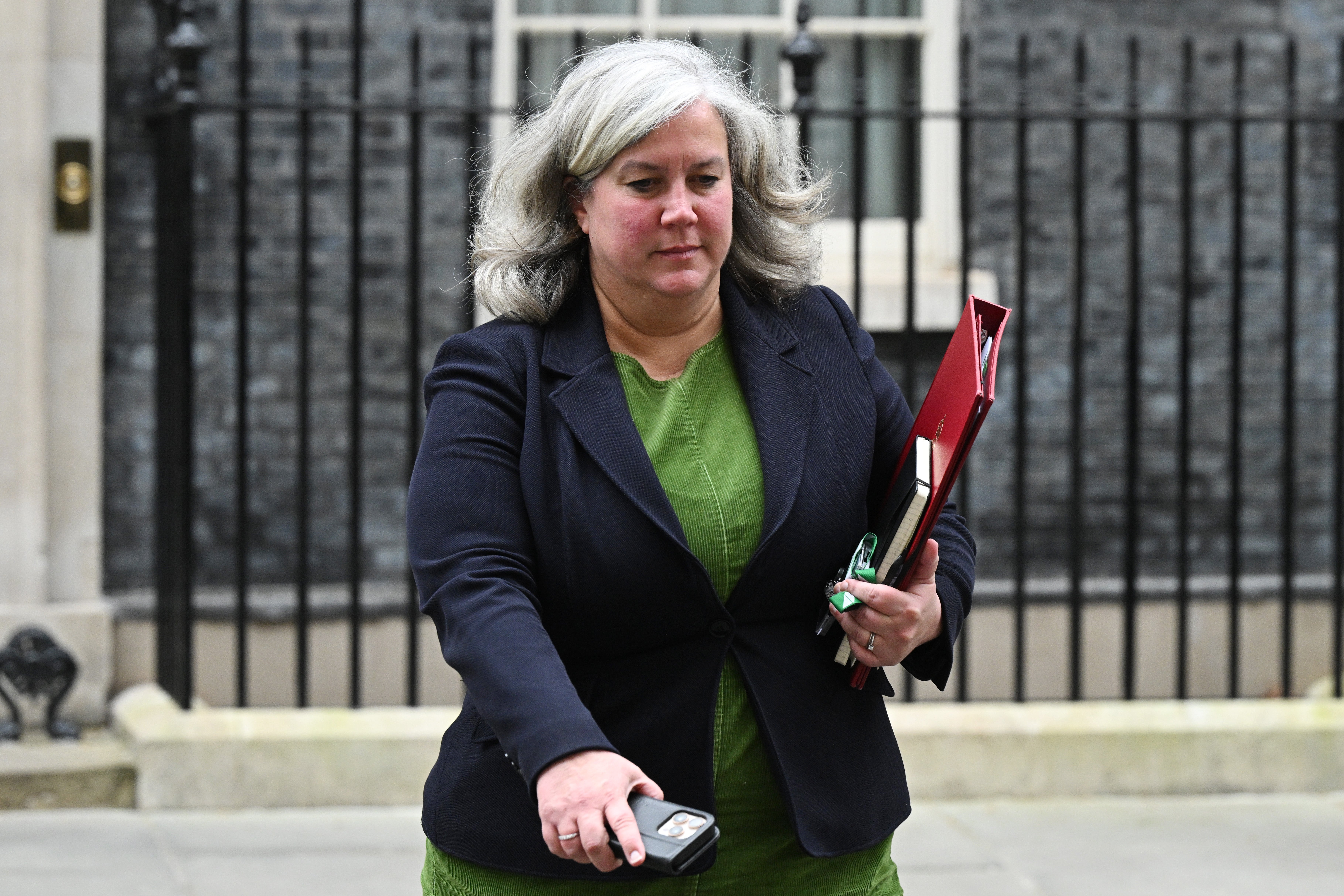
Transport secretary, Heidi Alexander, said: “For too long, getting from A to B has been more complicated than it needs to be. People want journeys to be easy and reliable. They want to be able to get off a train and straight on to a bus without having to battle through a confusing system or buy separate tickets for each part of their journey.
“That’s why we’re giving local leaders the powers to build transport networks that are simpler, more accessible and better connected, improving everyday journeys and supporting growth in every corner of the country.”