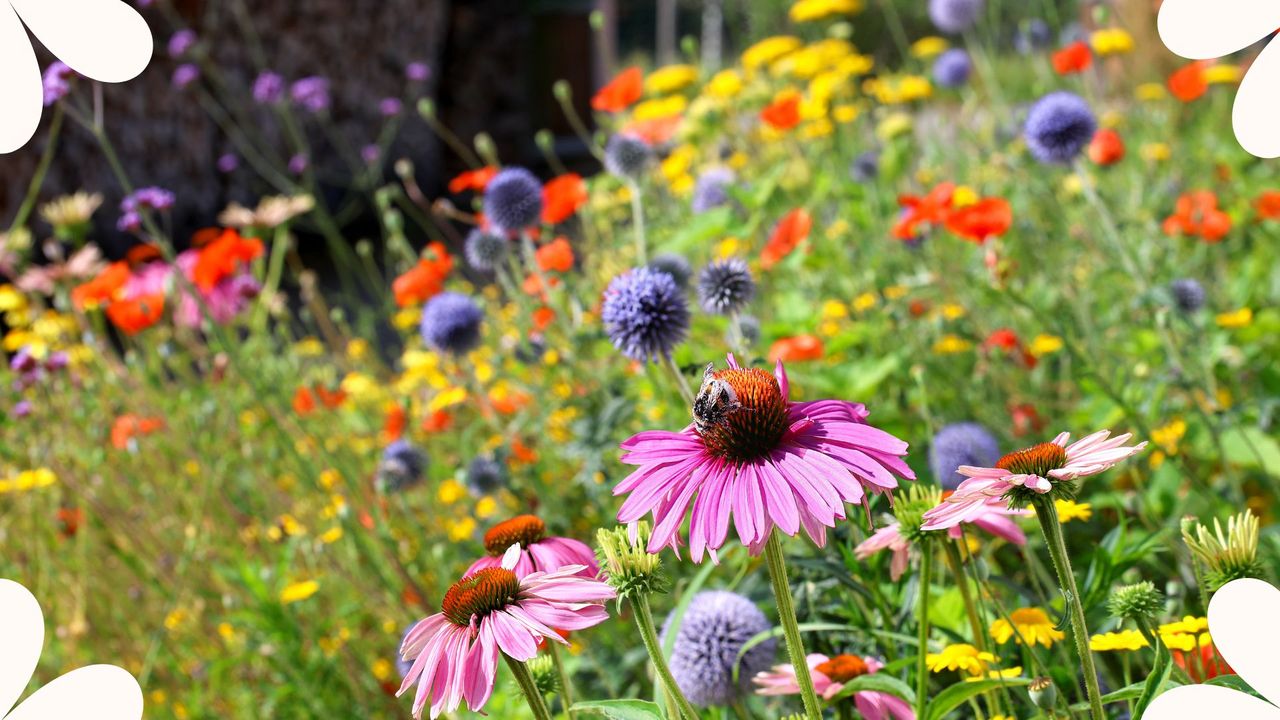
The meadowscaping garden trend really does it all. It's low-maintenance, low-cost, great for wildlife, and of course, it's undeniably charming. So what are you waiting for?
Similar to how the rewilding trend became extremely popular, meadowscaping has continued to be one of the most loved garden trends for a while now. It's not hard to figure out why it's consistently recommended by experts and a favourite for homeowners who don't have huge budgets or lots of time to be in the garden.
Not only does this garden trend make life easier for you, but it also encourages bees, butterflies and birds into your space, which in turn helps nourish the ecosystem of your garden. With all these advantages, we asked gardening experts for their top tips for how to get started with meadowscaping.
What is the 'meadowscaping' garden trend?
Should you be looking for ways to attract birds into your garden or even want to transform your garden on a budget, the meadowscaping trend is a fantastic choice.
Meadowscaping is a relatively new trend that people are increasingly embracing. Keen to ditch the whole 'perfectly manicured lawn', gardeners are going for a landscape that's designed to look like a real meadow, not your typical garden instead.
The aim is to make your garden look more like a natural meadow or native grassland. Forget neat, perfectly trimmed edges and immaculate flower beds; this trend is all about letting things grow a bit more wild and free.
With this trend in particular, you'll plant native grasses, a variety of wildflowers and even some larger shrubs or fruit trees. It's key to choose plant species that will be a great home for wildlife, big and small.
How can you achieve the meadowscaping trend in your garden?
As with most sustainable garden ideas, there isn't a huge amount of work needed to implement meadowscaping into your space. Plus, you can do as much and as little meadowscaping as you like.
"You can start by leaving a small patch of your garden to grow wild, and cut a pathway through or cordon off part of your lawn as a no-mow area," explains Graham Smith MCIHort, horticulture expert at LBS Horticulture. "Alternatively, you can create an ornamental display that leaves some of your lawn intact. You can remove turf to create wildflower borders, or create circular beds."
While wildflower garden borders are a great way of introducing the trend in a smaller way, if you want to go full-on, the experts have shared their step-by-step advice.
1. Prepare your garden
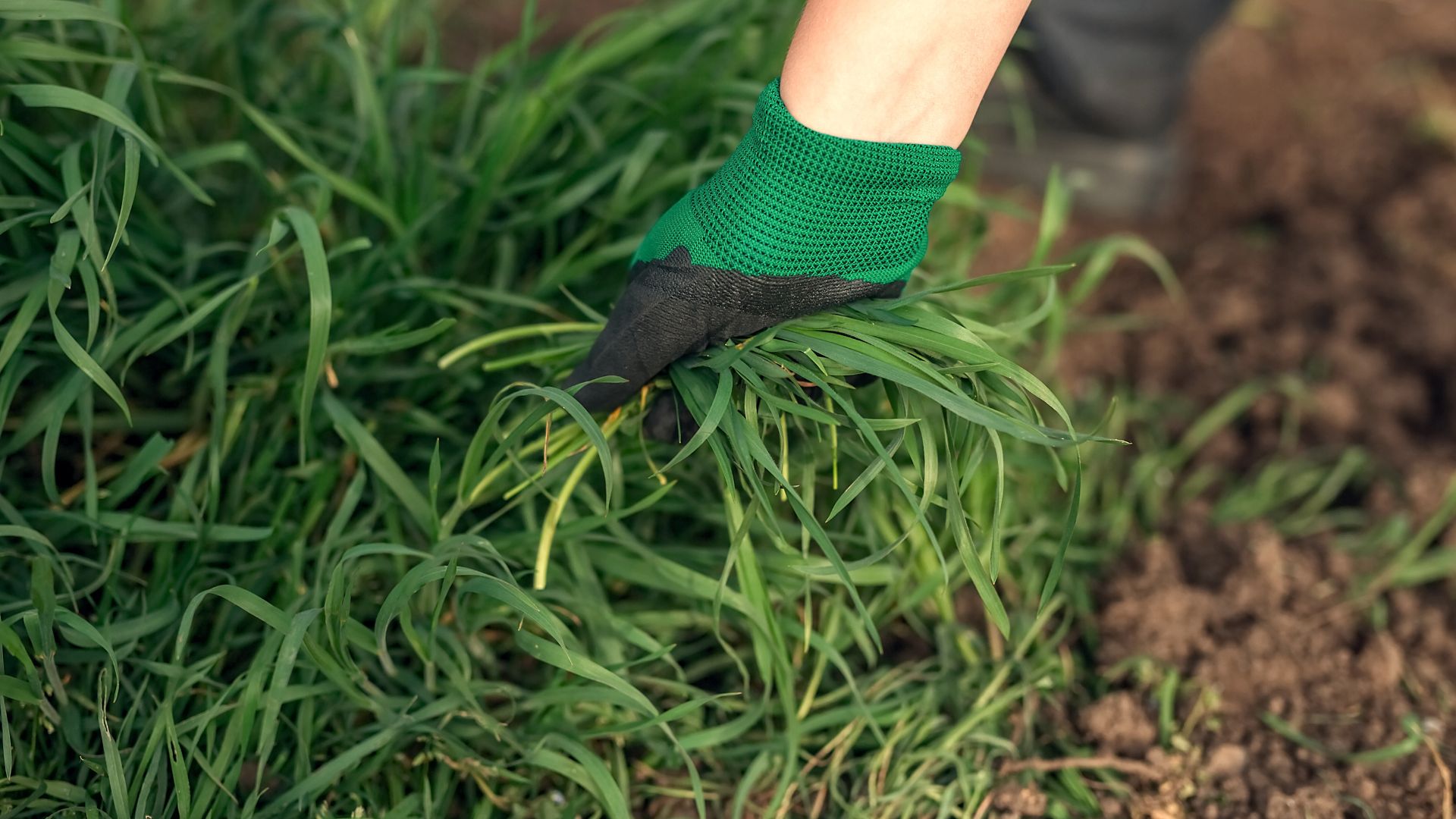
Before you can get started with the more whimsical fun parts of meadowscaping, you may need to sort your garden out.
"You will need to remove existing grass in any areas that you intend to meadowscape. Ensure that the areas you plan to plant wildflowers are free of weeds, as they will compete with the flowers for water, light and nutrients," recommends Graham.
He also says this is a good time to till the soil, as it will alleviate any compaction, which will help massively when it comes time to plant.
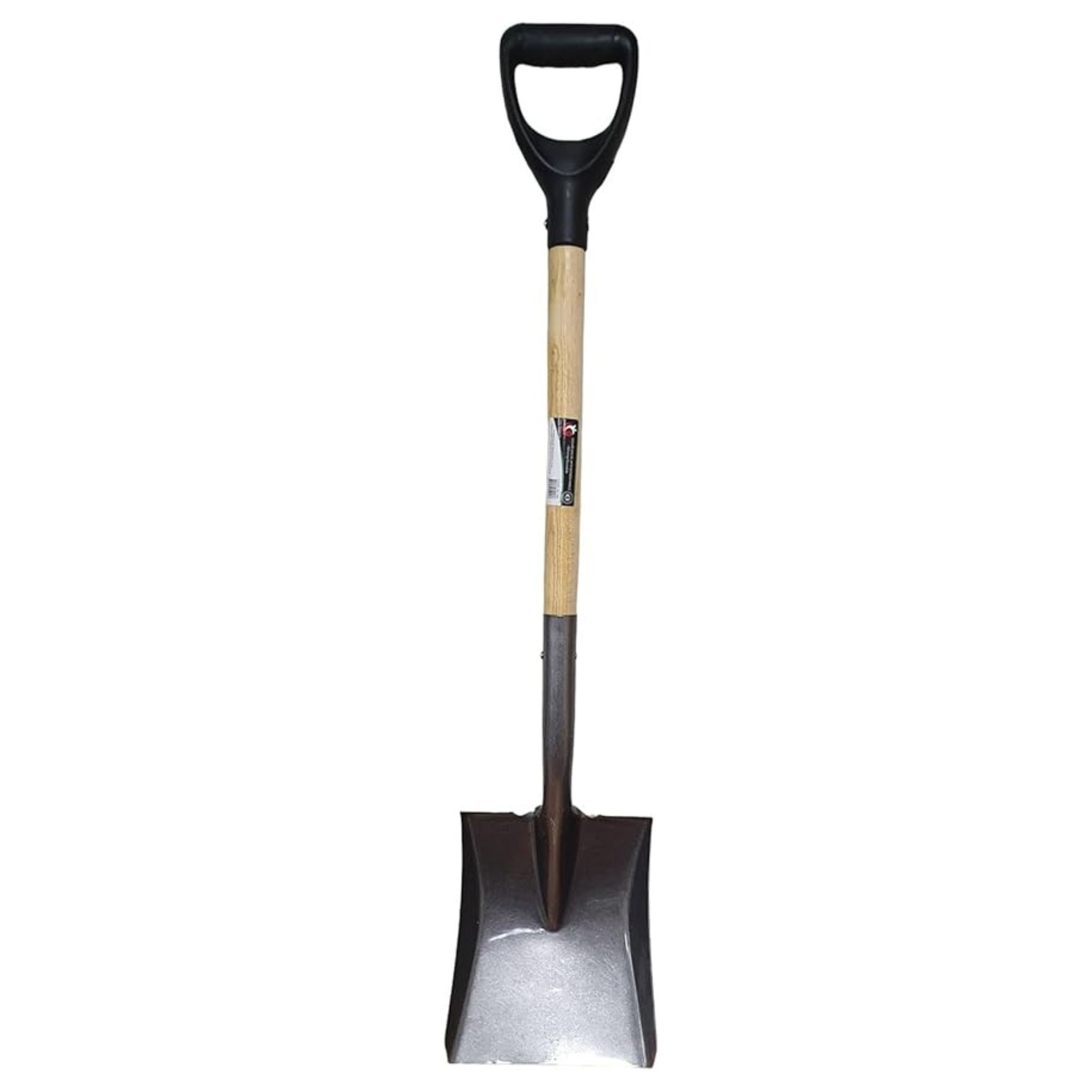
When removing turf and large quantities of soil, you'll want a sturdy and comfortable shovel. This one from Amazon is made from durable steel and has a rubber grip.
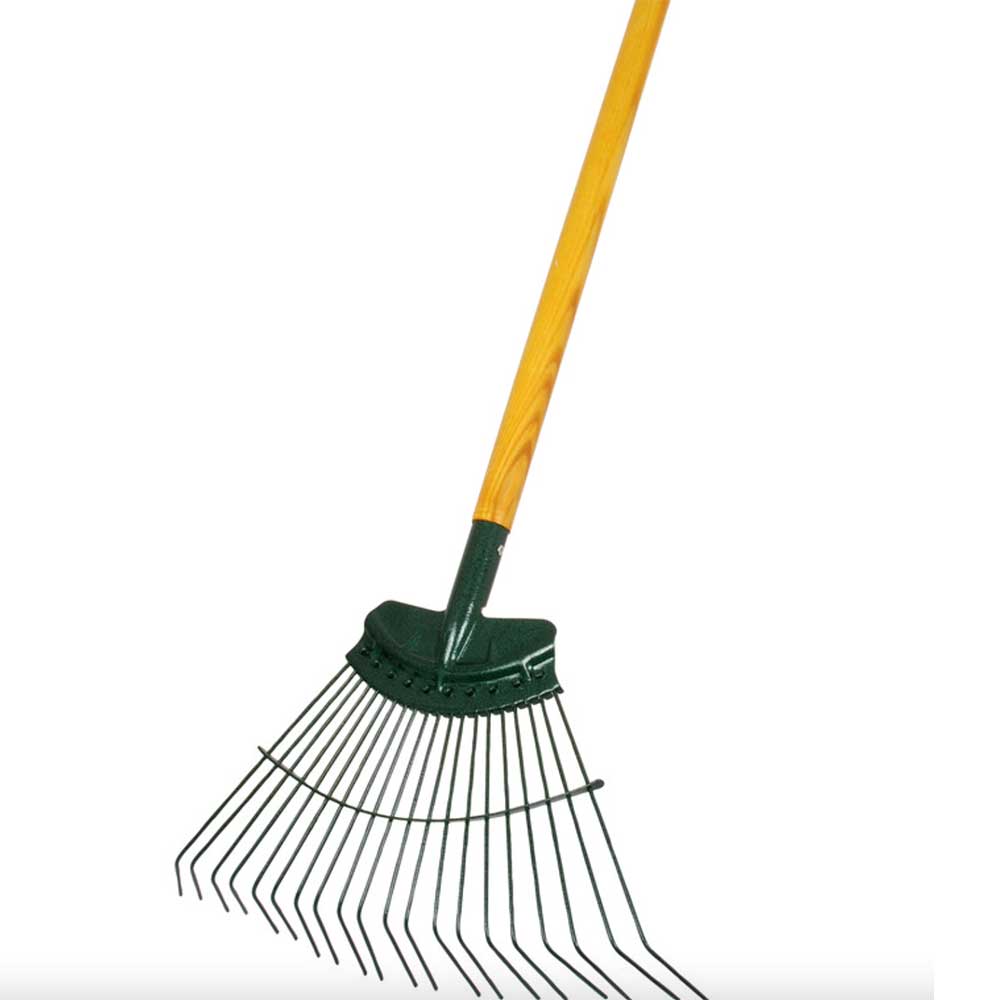
This model's head has 20 oil-treated tines for extra strength, making it ideal for removing grass clippings, dead grass, moss, or leaves.
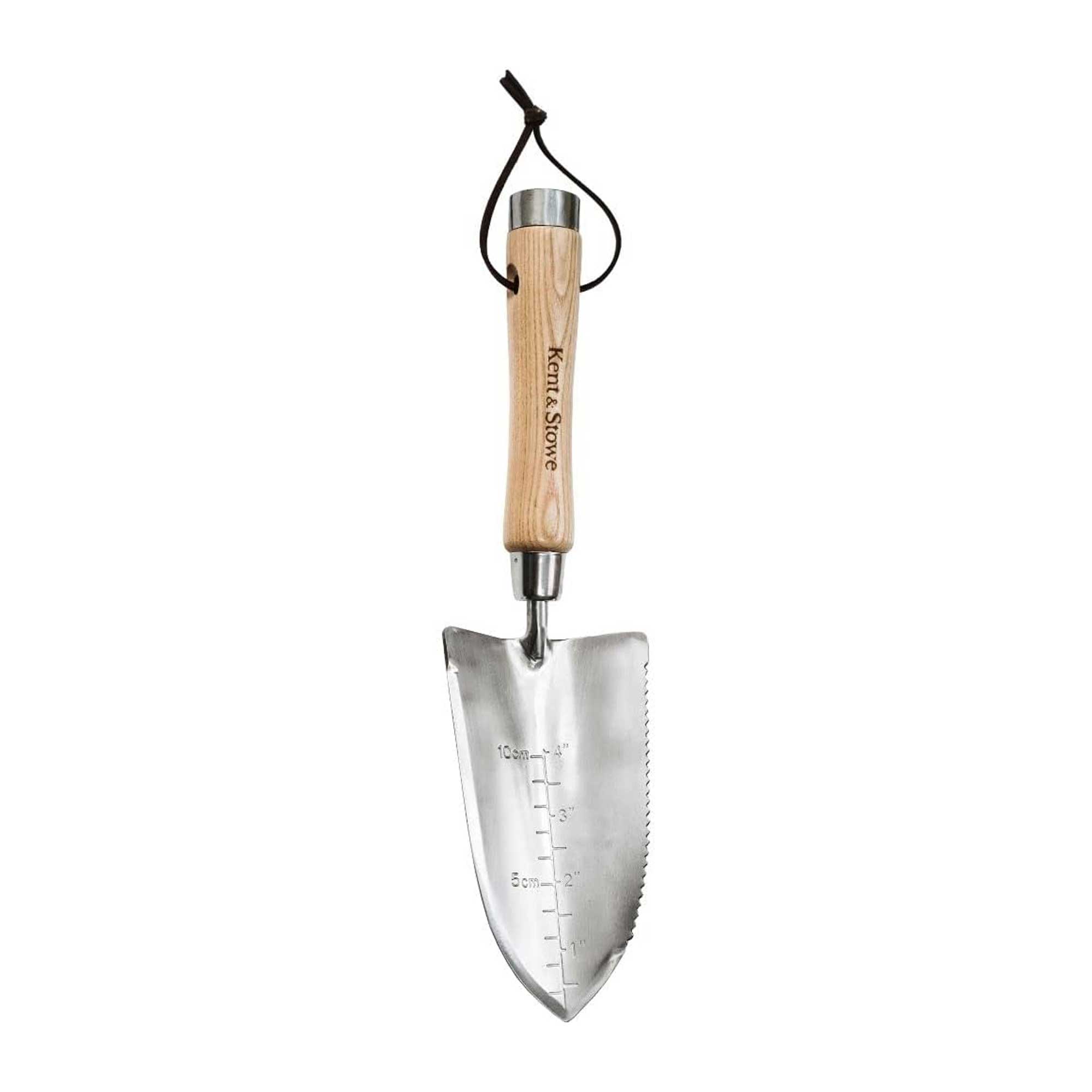
This trowel is ideal for planting seedlings into your customised meadow mix and is comfortable to use thanks to its wooden handle.
2. Choose a suitable flower and grass mix
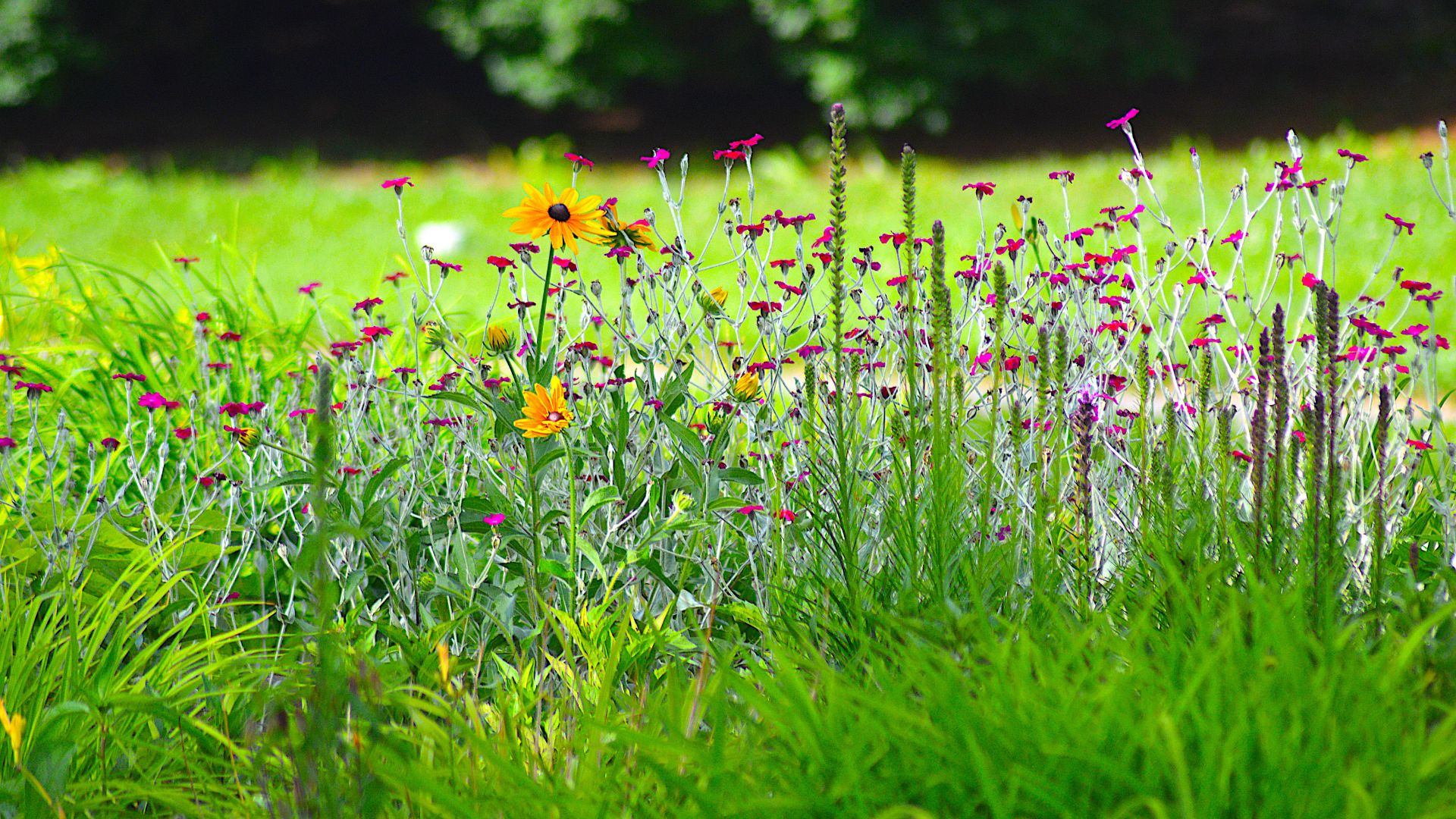
Now it's time to pick some of the best plants for pollinators, as well as your grass seed. Having a good mix of flowers and grass will give you that authentic meadow look and be more beneficial for wildlife, too.
“Wildflower meadows are made up of both annual and perennial flowers. Annuals, like cornflowers and field poppies, bloom beautifully for a season and then self-seed, meaning new flowers may pop up in different spots next year," says Dr Emily Attlee, conservation scientist and cofounder of Seedball.
She adds, "Perennials, such as cowslip, common toadflax, and musk mallow, return year after year, adding long-lasting colour and pollen-rich blooms for visiting pollinators."
Once you've chosen your seeds and plants, you'll need to decide where to put them. Most wildflower seeds can be scattered onto unprepared soil, but your larger plants, like shrubs and bulbs, will require more careful planting.
"If you don’t have a garden, no problem – wildflowers grow just as well in pots, planters, and even hanging baskets, so you can create a mini meadow anywhere," continues Dr Emily.
3. Maintain and care for your plants
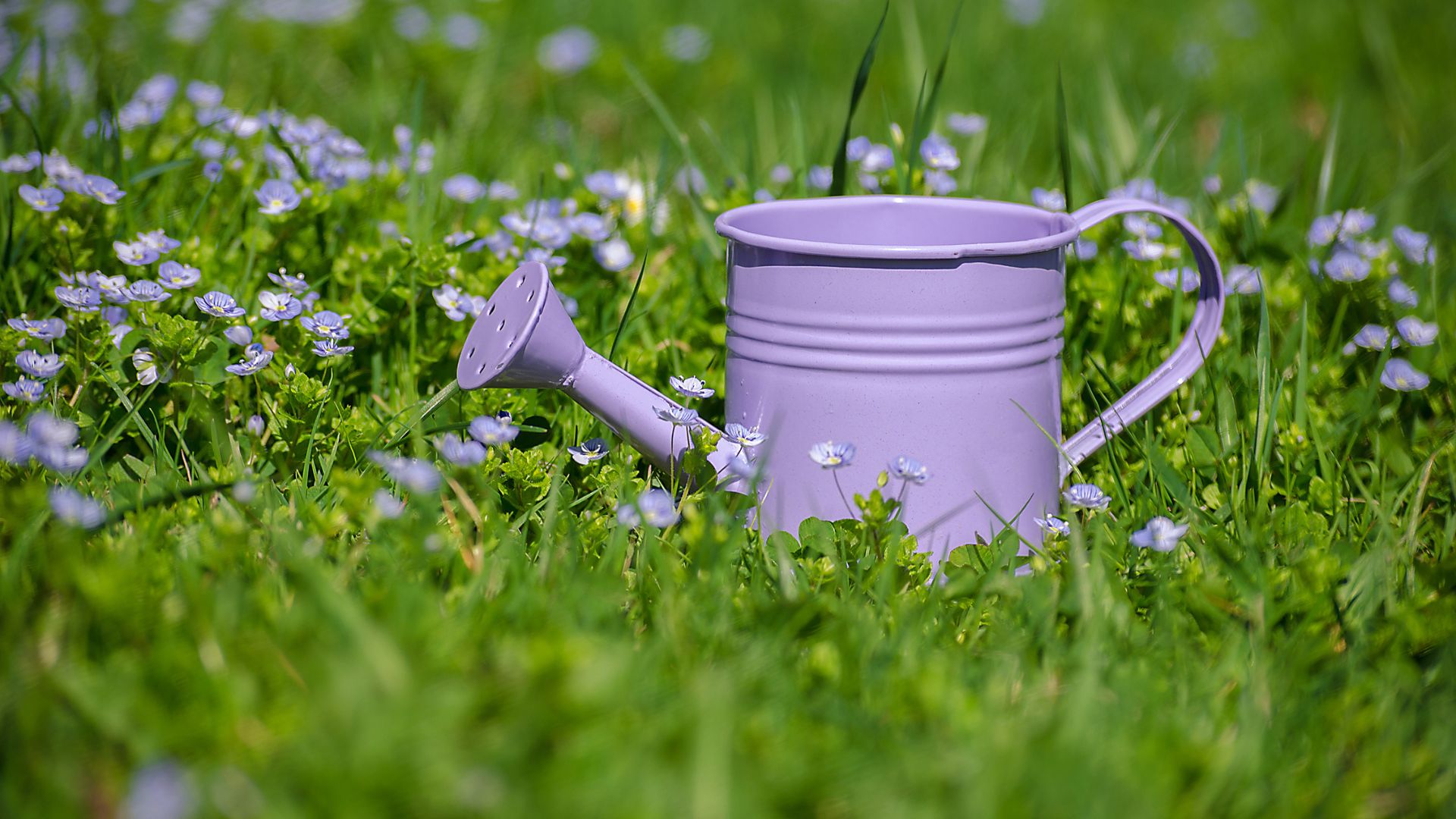
After you've planted the seeds, it's simply a matter of knowing how to water your plants properly and keep them alive long enough to establish.
"Meadowscapes do not require a lot of maintenance once they are established. However, in their first few years, young plants will require regular watering, and you will need to manage weeds through mowing," explains Graham.
You might need to give them a light trim once or twice a year, but only after the flowers have gone to seed.
FAQS
What happens if you don't cut a wildflower meadow?
Tending to a wildflower meadow is a little different from knowing how to mow a lawn or get rid of weeds in your garden. But what is similar is that you'll probably need to keep an eye on its growth and cut it back.
So, what happens if you just leave a wildflower meadow to its own devices, without giving it a trim? Well, it's not ideal. You'll start to see a drop in the variety of plants that are growing there. The taller, more robust plants will start to dominate the plot, making it very hard for smaller, more delicate plants to survive.
Ultimately, this means you lose the variety of wildflowers and grasses, which not only looks less appealing but is also bad news for the bees, butterflies, and other creatures that rely on those plants for food and shelter.
If you end up leaving your wildflowers like that for too long, common invasive garden plants can begin to take over, and the more vulnerable plants that die will prevent new plants from growing. To keep a wildflower meadow diverse, happy, and healthy, it's best to give it a small trim now and then to retain balance.
What time of year do you plant a wildflower meadow?
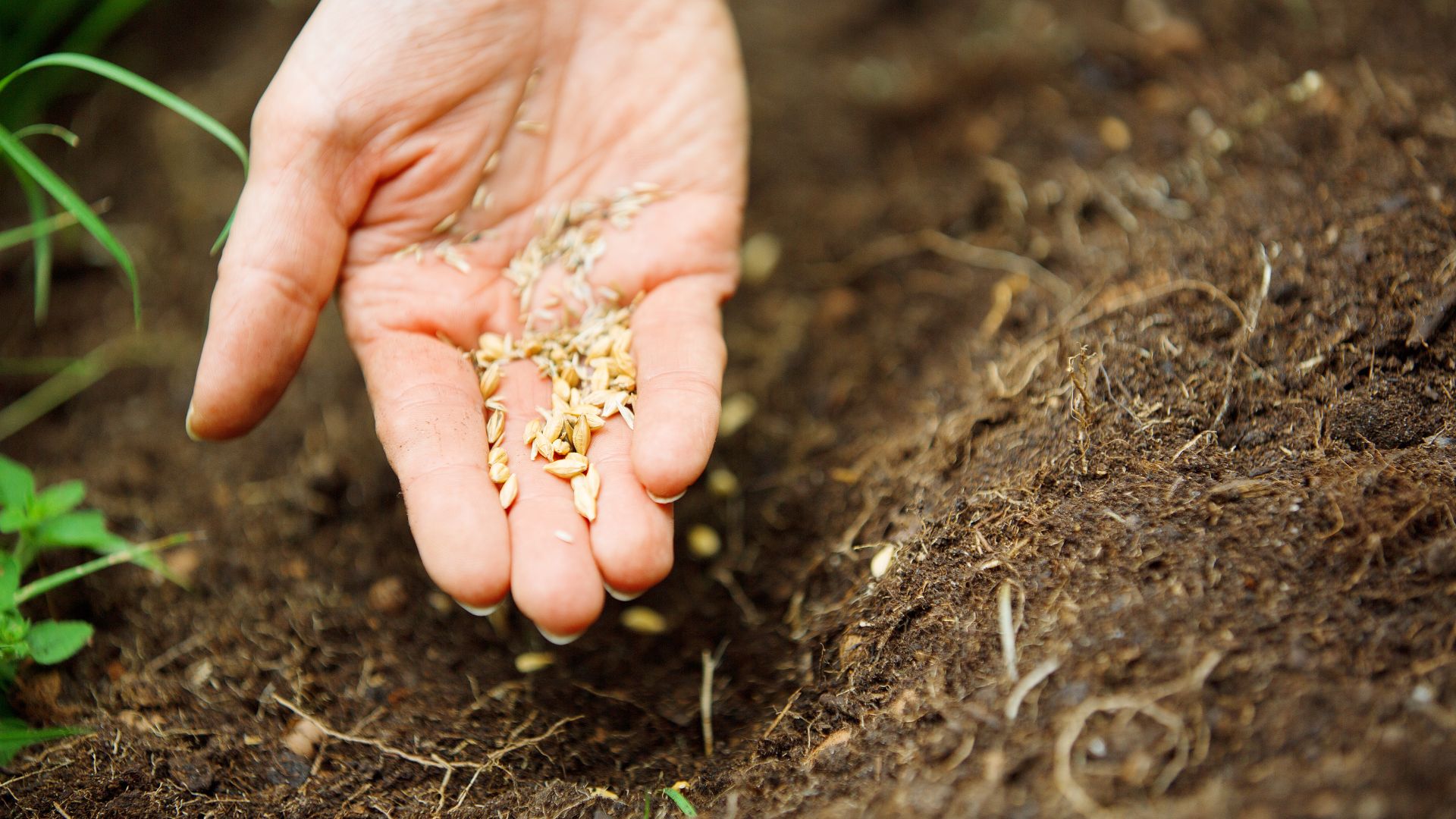
Gardening is incredibly seasonal, and if you plant things at the wrong time, it will significantly affect their growth. Take summer bulbs, for example. Meadowscaping is not an exception, despite being so low-maintenance.
"Early spring is the perfect time to prepare your garden for wildflowers. The cooler temperatures help seeds settle into the soil and focus on developing strong, sturdy roots before they begin their upward growth," says Dr Emily.
She explains that this early establishment makes wildflowers more resilient and helps them survive any dry spells later in the year. Plus, there are April showers, so much of the early watering is done for you!
"Autumn is another great time to sow wildflowers, as nature does the work for you. Simply scatter your Seedballs or collected seeds onto the soil, water them in, and let them settle. If the weather stays mild, you might even see tiny shoots before winter. But don’t worry - wildflowers are naturally hardy and will rest until spring before bursting into bloom," she finishes.
Can you just scatter wildflower seeds on the grass?
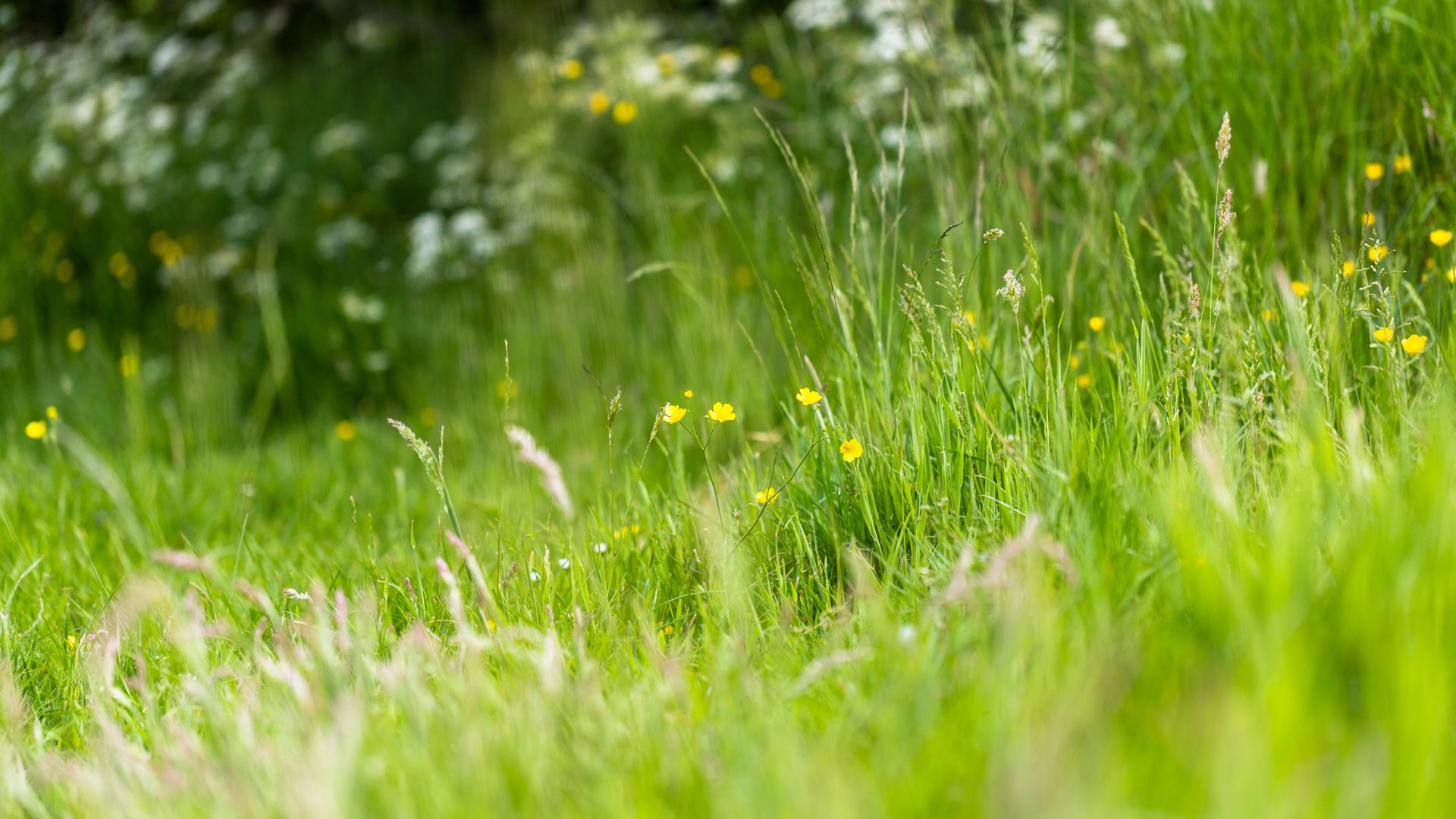
Although wildflowers are some of the best self-seeding flowers, you can sow them yourself, but it's a little more complicated than simply scattering them around.
"Wildflower seeds that are scattered on the grass are unlikely to germinate, and the same can be said even for seeds that are scattered on the soil. Even if seeds scattered on grass do manage to germinate, the seedlings will need to compete with the grass for resources and are unlikely to survive," starts Richard Barker, horticulture expert and Managing Director at LBS Horticulture.
"To get the best results from wildflower seeds, you will need to prepare the soil by clearing away any existing grass and weeds from the area where you plan to sow. Remove the top few centimetres of soil from this area, as wildflower seeds prefer poorer conditions, and then leave the soil for a few weeks to allow any dormant weeds to appear so they can be removed," he continues.
"Sprinkle the seeds over the prepared soil, and then gently rake them into the soil. The newly sown seeds will need to be watered in thoroughly, and they should be watered regularly until the plants have established roots," finishes Richard.
When should you lay wildflower turf?
If you're looking for low-maintenance plants, then you can go a step further and buy pre-grown wildflower turf, which will give you the meadow look with little effort.
"The best time to lay wildflower turf is in spring or autumn. Autumn can be a better time, as the regular rainfall reduces the need for watering and allows the turf to establish roots before it flowers in spring. Spring is a good time for flower growth, but the turf will need to be watered consistently to ensure it survives through summer," explains Richard.
By choosing meadowscaping, you're making a significant difference to the environment as a whole, not just in your garden.
Dr Emily explains, "Since the 1930s, the UK has lost up to 99% of its wildflower meadows, which has had a huge impact on pollinators like bees and butterflies, as well as other wildlife that depend on them for food and shelter."