The Massachusetts House of Representatives is set to vote on a bill that would implement some of the United States’ strictest regulations on social media access for minors and prohibit the use of mobile phones in schools.
The legislation, scheduled for a vote on April 8, seeks to ban children under the age of 14 from using social media platforms entirely.
Under the proposed rules, 14- and 15-year-olds would be required to obtain verifiable parental consent to access these services, while no restrictions would be placed on those aged 16 and older.
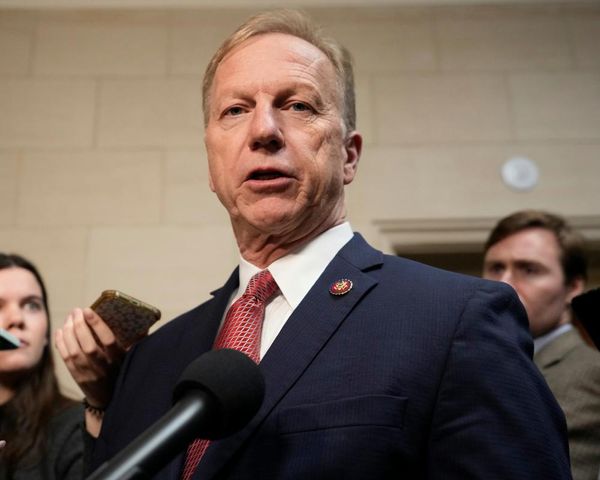
In a joint statement, House Speaker Ron Mariano and Ways and Means Chair Aaron Michlewitz described the measure as being “among the most restrictive in the entire country.”
“The simple reality is that Massachusetts must do more to ensure that our laws keep pace with modern challenges — especially when it comes to protecting our children, and to setting students up for success in the classroom and beyond,” the Democratic lawmakers said.
If passed, social media companies would be required to implement rigorous age-verification systems. The bill further mandates that platforms provide parents with access to their children’s social media data.
The definition of a social media platform under the bill includes websites and applications primarily used for sharing user-generated content, but explicitly excludes email and SMS text messaging services.
The Attorney General would be tasked with establishing implementation regulations by September 1, with the policy officially taking effect on October 1, 2026.
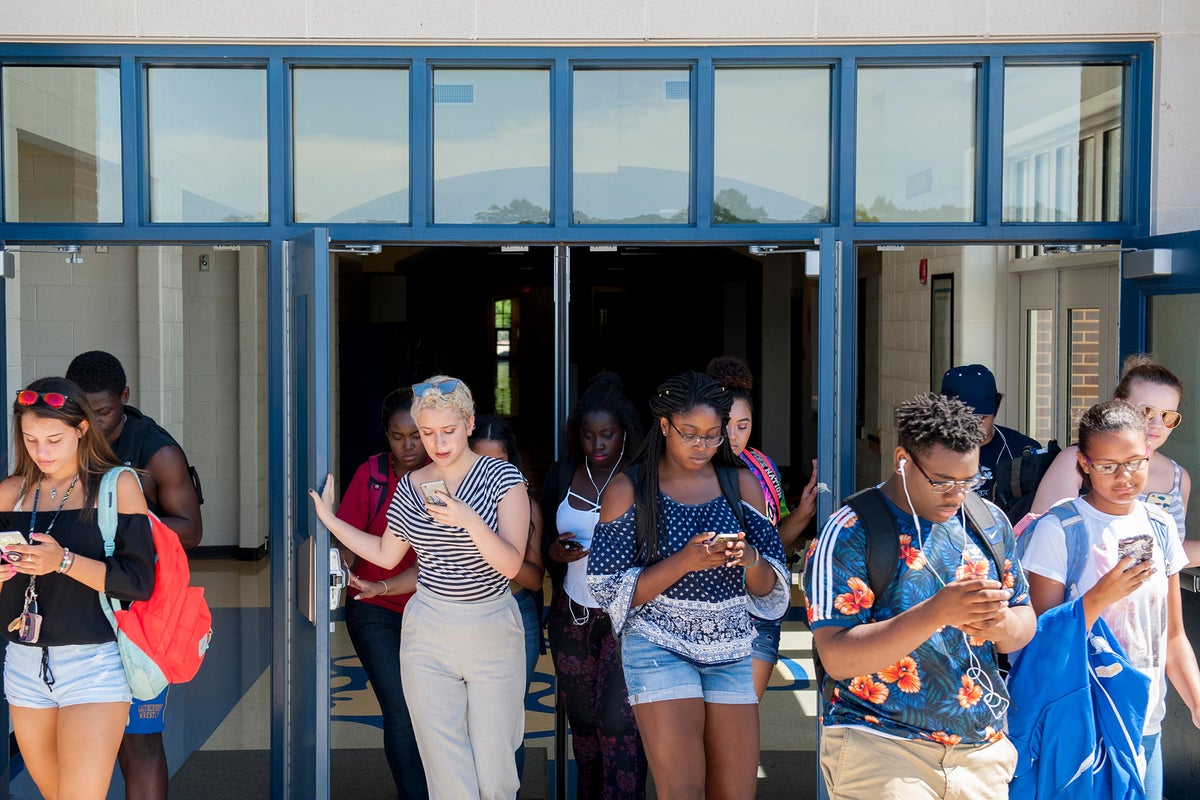
The bill also addresses mobile phone use within the education system. It requires school districts to establish policies prohibiting the use of personal electronic devices throughout the school day, including during school-sponsored activities.
A pilot program would be launched across 10 districts to test technology capable of rendering mobile devices inoperable on school grounds.

Several districts, including Newton, Gardner and Barnstable, have already implemented local bans. Watertown High School recently became the first in the country to use the “Doorman” program, which restricts smartphone functionality to basic voice calls while in the classroom, as reported by CBS News.
The legislation follows a similar move by Florida in 2024, which has since faced legal challenges from First Amendment advocates. Michlewitz acknowledged the potential for litigation but stated that leadership believes the state is on “solid ground.”
“We know that there could be some potential legal challenges,” Michlewitz said. “We think it's the right thing to do, we think we're on solid ground.”
Governor Maura Healey has previously signaled her support for stronger protections, using her 2026 State of the Commonwealth address to call for mandatory age verification and the disabling of features such as continuous scrolling for young users.
Following the House vote, the bill will move to a six-person conference committee to reconcile differences with a version passed by the Senate in July 2025. The final consensus legislation must then be approved by both chambers before reaching the governor’s desk.
Starmer ally paves way for fresh row with Labour rebels over benefits cuts
Record number of children reporting online sextortion in UK, data reveals
Maine dad dies trying saving his kids from rip current while on vacation in Florida
Acting AG Blanche defends president’s ‘right’ and ‘duty’ to investigate enemies
Scientists have discovered a way to make french fries healthier
Pope Leo calls Trump’s threat to destroy Iranian civilization ‘unacceptable’