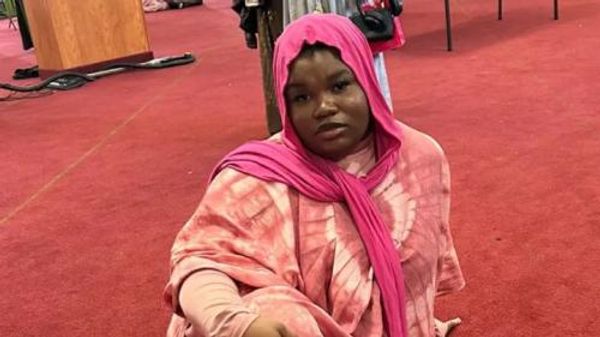
A Pakistani court has sentenced a 23-year-old man to death for the murder of TikTok influencer Sana Yousaf, who was shot dead at her home in Islamabad last year after repeatedly rejecting his advances.
Judge Muhammad Afzal Majoka on Tuesday convicted Umar Hayat of intentional murder and ordered him to pay Rs 2.5m (£6,700) in compensation to Yousaf’s family, according to Dawn. The death penalty is subject to confirmation by the Islamabad High Court, according to Samaa TV.
The judge also imposed additional fines and prison terms on Hayat on robbery, defamation, and stolen property charges.
Yousaf, 17, was killed on 2 June 2025.
According to police, Hayat forced his way into Yousaf’s family home and shot her in front of her mother and aunt before fleeing with her mobile phone.
Yousaf, originally from Chitral in the Khyber Pakhtunkhwa province, was a popular figure on TikTok and Instagram, with a combined follower count of some 1.3 million. She was known for posting videos about fashion, skincare and lifestyle content.
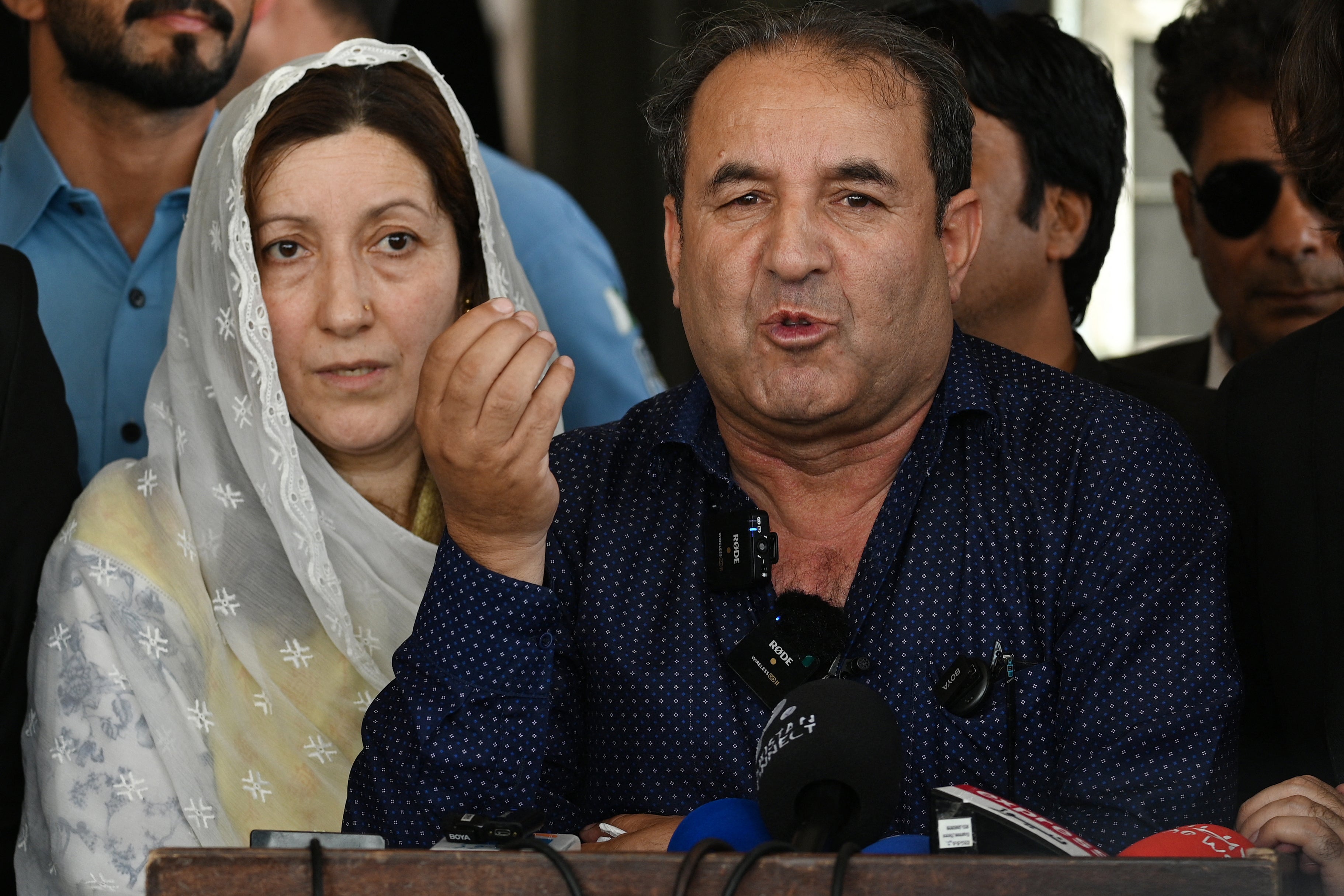
Speaking outside the courtroom, Yousaf’s father said the family had “been waiting for today for the past 11 months”.
“This verdict is not just for me as an individual, it is for the entire society,” he said. “This is a lesson for all such criminals in society that if they commit such an act, they can get such a result.”
Yousaf’s mother said “the culprit has been handed the right punishment” and thanked the judge, media, police, and lawyers for supporting the family throughout the case.
Prosecutors said Hayat was arrested in Faisalabad within 20 hours of the killing. Islamabad police chief Syed Ali Nasir Rizvi previously described the case as one of “repeated rejections”.
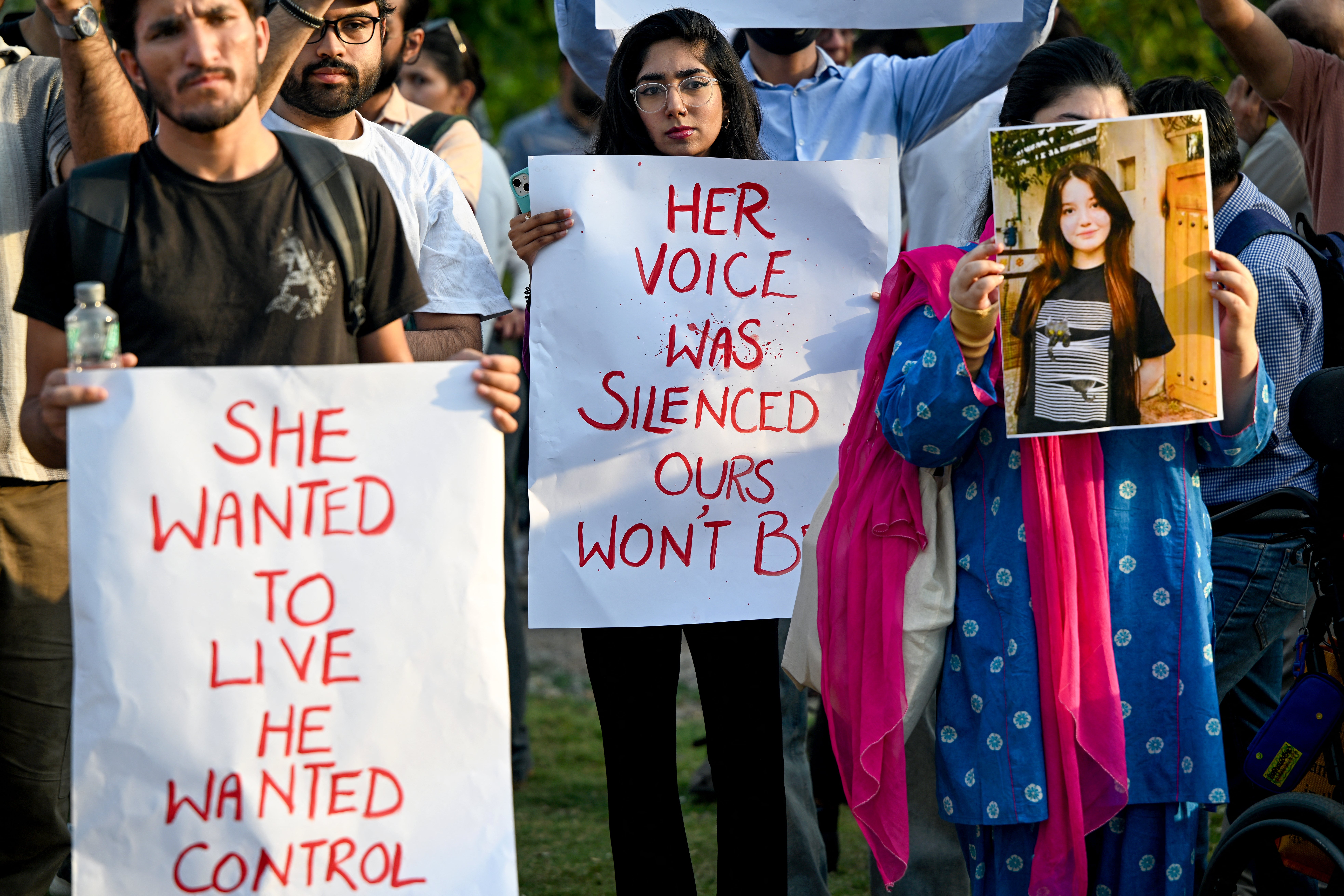
The court heard that Hayat had developed a one-sided obsession with Yousaf after online interactions. He travelled from Jaranwala to Islamabad to meet Yousaf around her birthday in May 2025, got angry when she refused to see him, and later returned carrying a 30-bore pistol and shot her.
Hayat retracted his confession that prosecutors claimed he had made before a magistrate, saying that police had falsely implicated him under pressure generated by wide social media attention to the case.
Hayat told the court he had never met Yousaf, never gone to her house and never rented the vehicle allegedly used in the crime, according to Dawn.
He also alleged that police had tortured him in custody and forced him to sign blank papers.
Yousaf’s murder had caused outrage in Pakistan and renewed a debate about harassment faced by female social media creators. Nighat Dad, executive director of the Digital Rights Foundation, told Al Jazeera that attacks on women who rejected men reflected broader misogyny in Pakistani society.
“When young women assert boundaries or say no to romantic or sexual advances, it bruises the male ego, especially in a society that teaches men entitlement over women’s bodies and choices,” she said. “This entitlement, when left unchecked by law, culture, and platforms, turns deadly.”
TikTok is one of Pakistan’s most widely used social media platforms, particularly among younger users, partly because its video-based format is accessible to people with limited literacy. For women, the platform opens up rare opportunities to earn money and build public audiences in a country where fewer than 25 per cent of them participate in the formal workforce.
But women’s access to digital spaces in Pakistan remains unequal. The 2025 Mobile Gender Gap Report found that 30 per cent of women owned a smartphone as compared to 58 per cent of men, marking the world’s widest gender gap in mobile ownership.