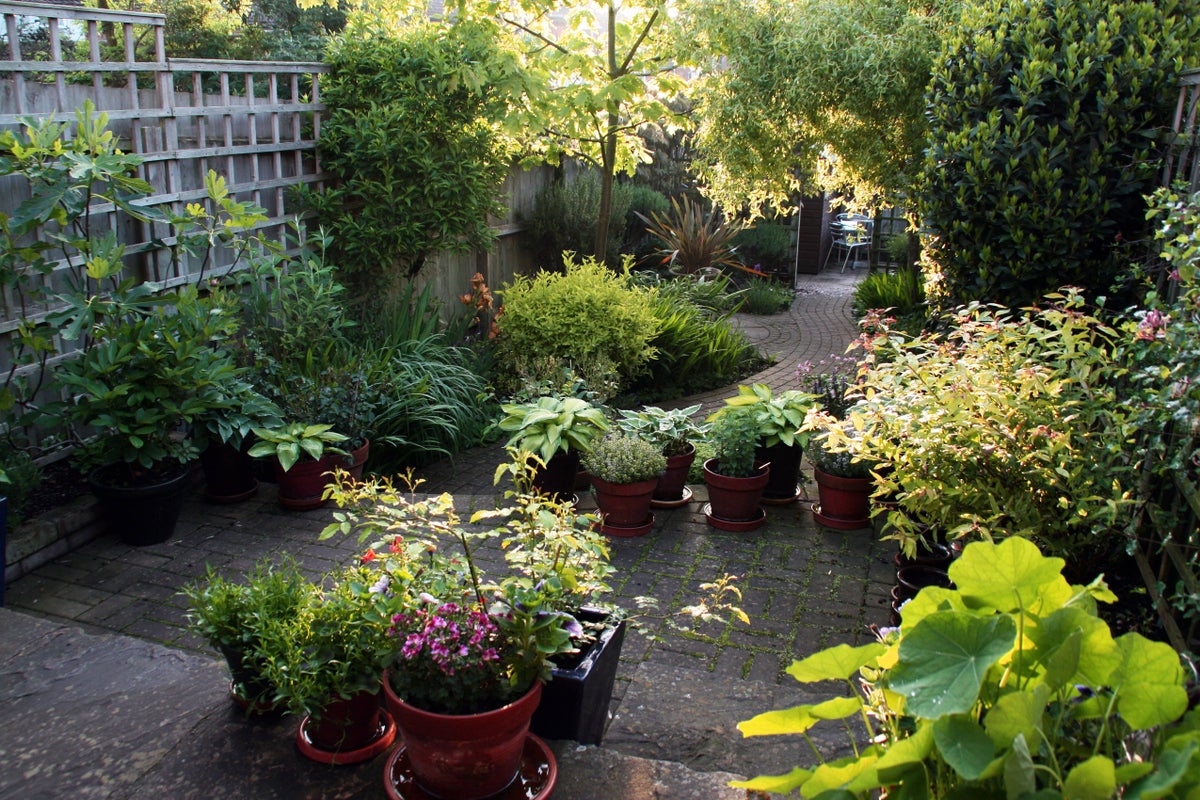
With the recent heatwave, people will have been heading for much-needed shady spots in their gardens under the canopies of trees, sun umbrellas or awnings.
This is when north-facing gardens come into their own and not just for shade but for beauty too, as they can accommodate a surprising number of shade-tolerant plants.
“Sometimes the light is bright enough to have a massive repertoire of plants,” says Lynne Moore of Moore And Moore Plants, specialist in shade-tolerant and woodland plants which recently won its fifth consecutive gold medal at the RHS Chelsea Flower Show.
“You can have a south-facing garden but if you’ve got high walls either side of it and trees you could have lower light levels because of its surrounds,” she points out.
“The assumption is that if you have a north-facing garden it doesn’t get the sun so therefore it’s shady and you can’t do anything with it. People don’t consider how the light levels change hour to hour, day to day.”
She offers the following tips to those who want to make the most of their shady spots.
1. Consider light levels
“Is it full shade or partial shade? Partial shade gets some sun, normally early morning or late afternoon and for the hottest part of the day it goes into shade. Full shade is where 90% of the time it doesn’t have any sun at all,” she explains.
2. Know your soil

The type of soil you have will determine what shade-tolerant plants will grow in it.
“We’ve got sandy soil so it’s quite free-draining, and we grow hardy geraniums, various grasses, Alchemilla mollis and lots of other plants.”
3. Choose the right plant for the right place
“There are lots of shade-loving plants that flower, but we also use a lot of woodland plants which are genetically programmed to do their thing, depending on the tree canopy.
“A lot of woodland plants flower in the spring before the tree canopy closes in over the top and the leaves expand fully, and again in autumn as the leaves are falling and that canopy is breaking down.
“For areas with low light levels you may be more dependent on woodland plants and your peak flowering is going to be spring and autumn.”
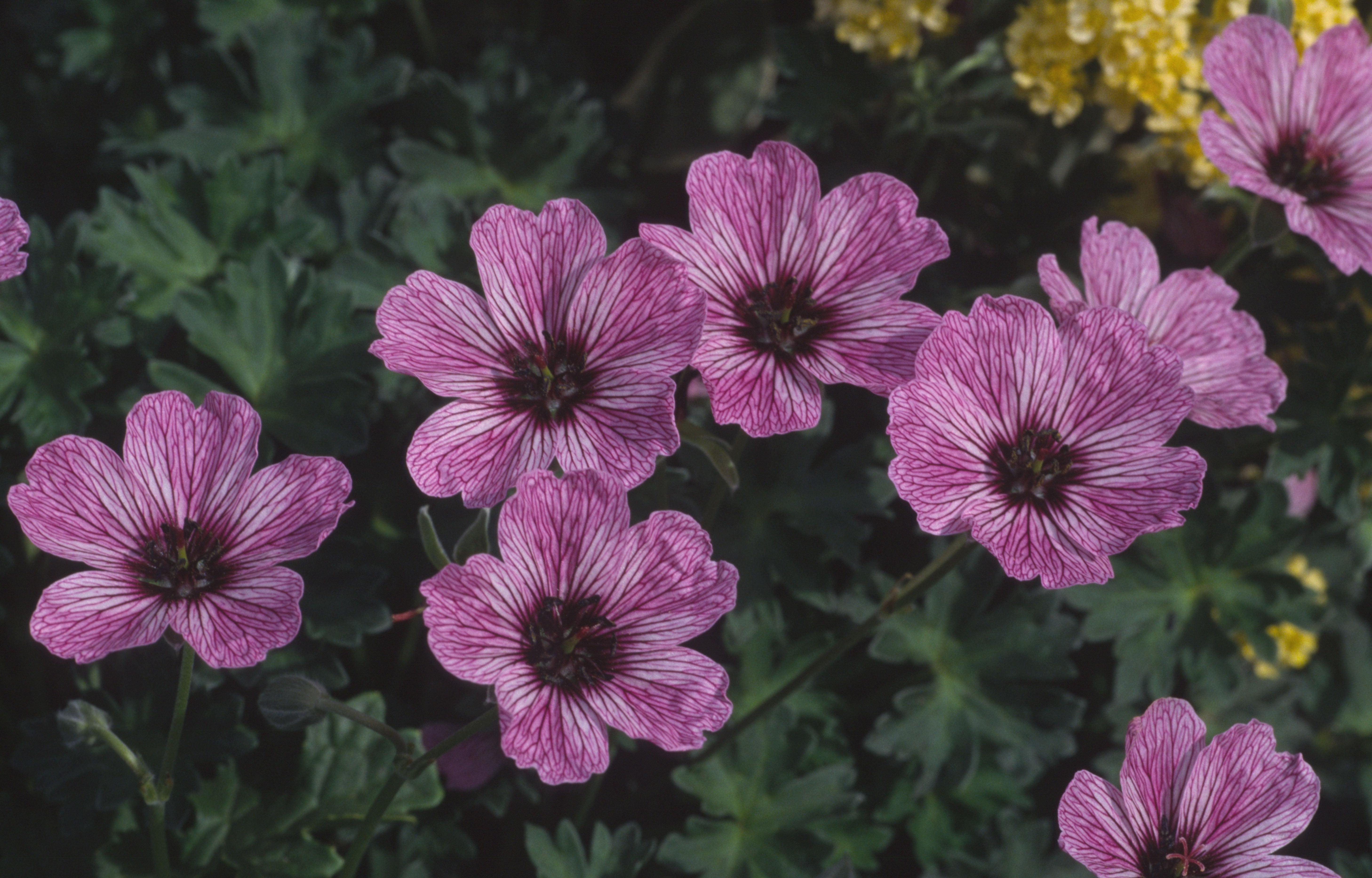
Hardy geraniums may fall into that category, along with epimediums, which flower prolifically in spring, brunnera and all the various cultivars, lots of pulmonaria. A lot of the spring flowers will have a repeat flush in the autumn when it cools down and there’s more moisture available to them, she suggests.
Those with clay soil or soil which retains moisture may need to choose a different palette of plants, such as hostas, particularly those with blue-leaf varieties which are better in low light levels.
“Geums are really good in moist soil in partial shade, as are tiarella, and there’s a massive range of ferns that will grow well in shade or partial shade.”
4. Think about foliage
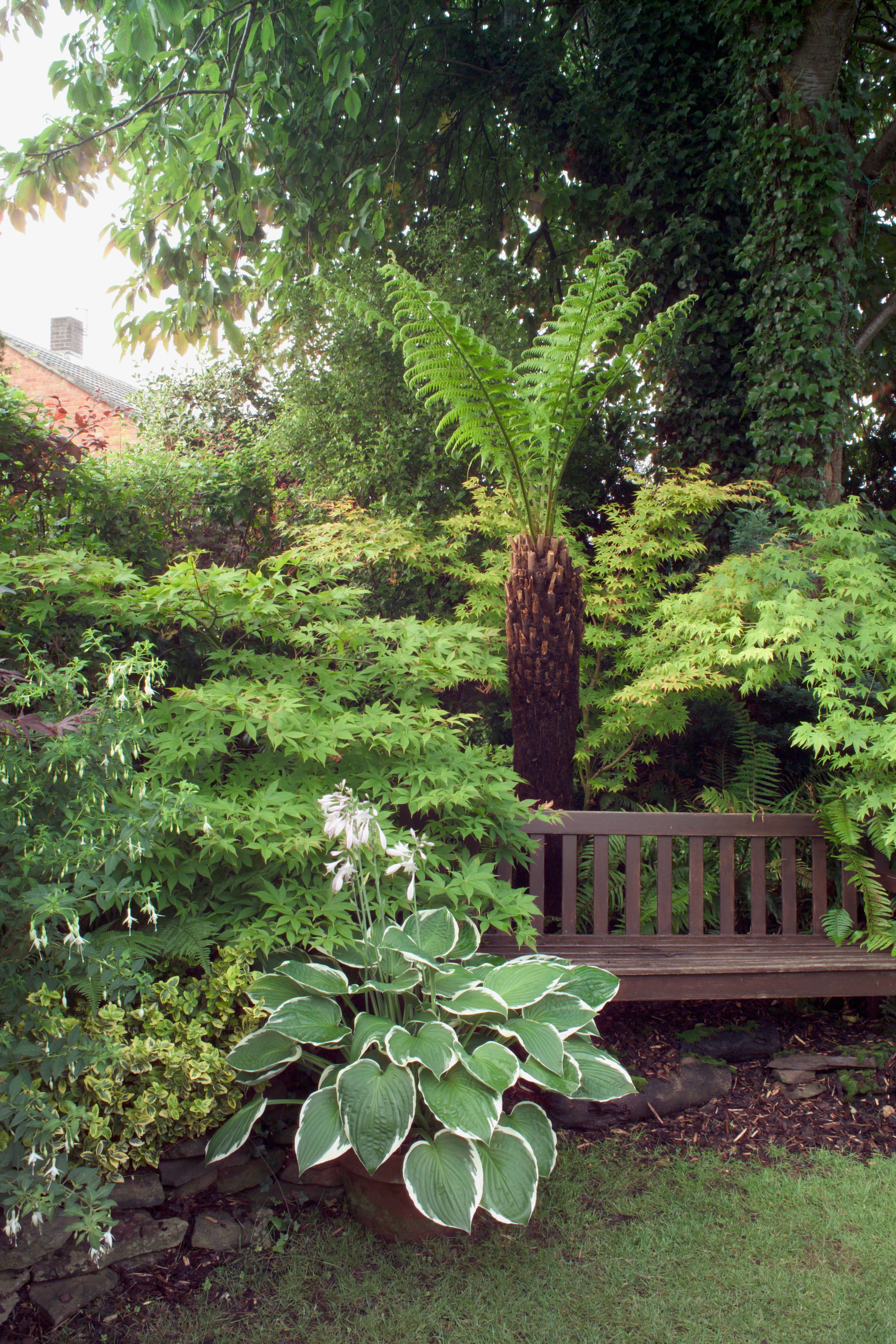
“With shady gardens we have to think about foliage a lot more than with sunny borders, where it’s all about the ‘pretties’ and we don’t think about the leaves.
“In the height of summer in a full shaded garden, the leaves are important because they’re going to add interest through different textures and colours.”
Add colour with hostas, which throw up spikes of purple flowers above exotic, lush-looking leaves, but green is a cooling, calming colour.
“Having a variety of leaf shapes and textures, even if we have a whole series of green, can be interesting enough just to make you want to get out there.”
5. Choose colours carefully
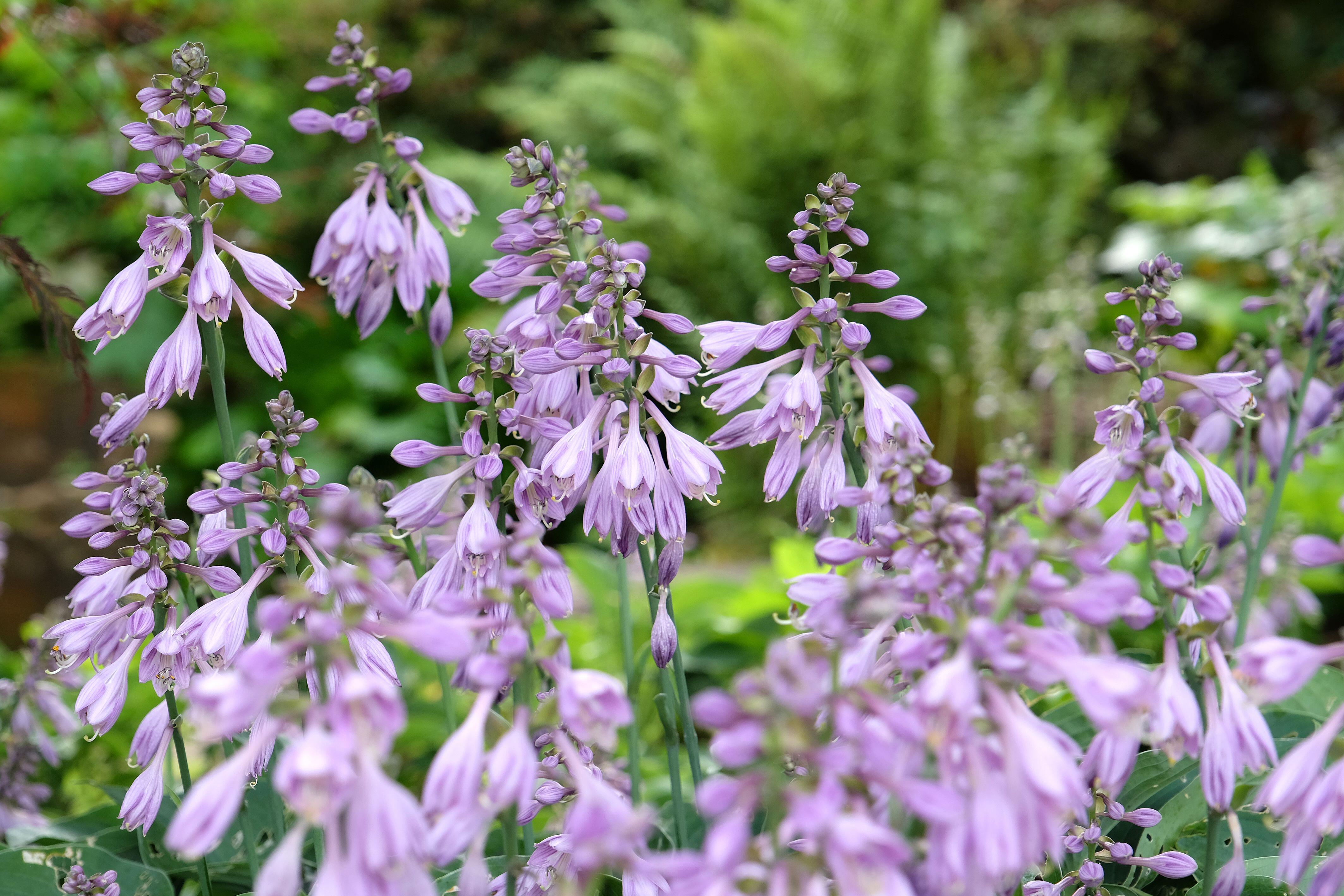
Colours can create moods and if you are able to grow a larger variety of plants in a semi-shaded garden and want a restful space, go for pale hues rather than a barrage of bright colours, she suggests.
6. Make the most of sunsets
Many north-facing gardens have sun in the late afternoon and early evening, so if you want to make the most of the sunset, place furniture where the light falls at the end of the day.