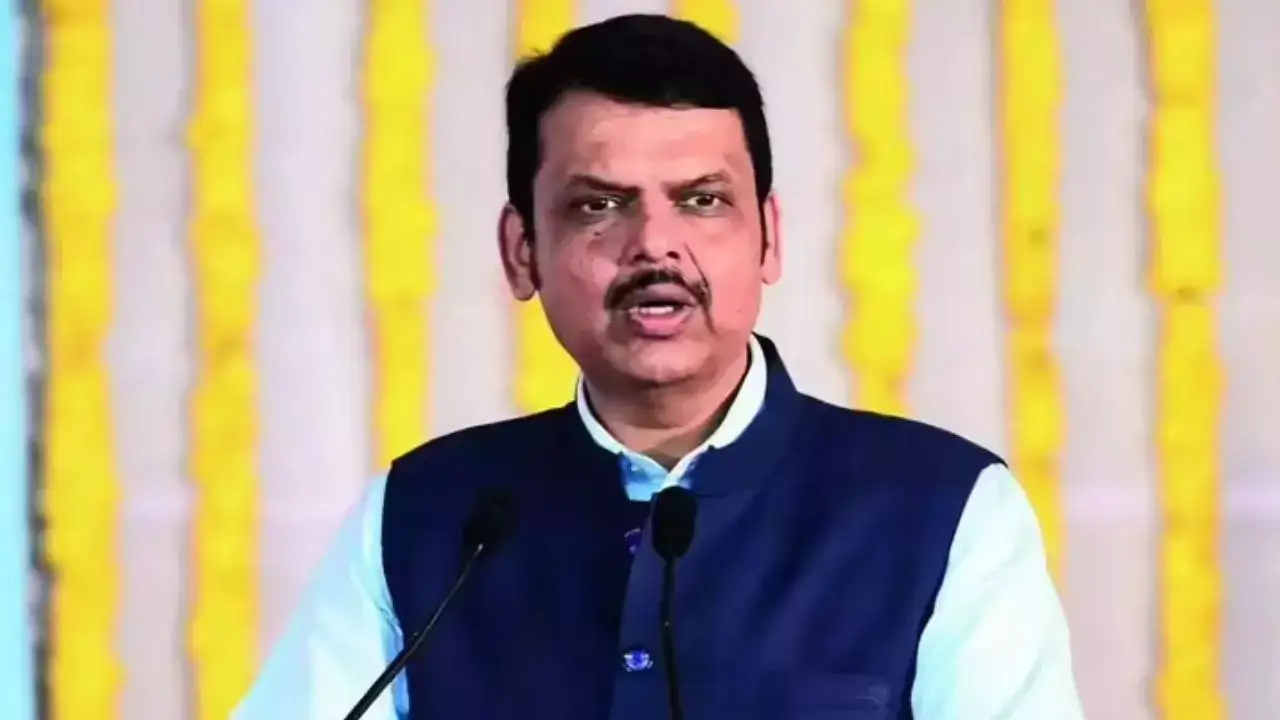
Mumbai, Maharashtra Chief Minister Devendra Fadnavis on Wednesday said nuclear energy is essential for India's future energy security as renewable sources such as solar and wind power are not available reliably round the clock.
"Maharashtra will lead the next phase of nuclear energy expansion in India," Fadnavis told reporters here after attending the TechMahaImpacT CSR Conclave.
The CM pointed out that many developed countries were increasingly dependent on nuclear energy, and in the US, nearly 49 per cent of electricity generation came from nuclear sources.
"India's energy requirement is growing rapidly. Renewable energy sources like solar and wind provide power, but they are not available 24x7 in a reliable manner. Therefore, India needs nuclear energy for base-load power," he said.
The chief minister said the Centre had prepared a framework allowing civilian use of nuclear energy, and Maharashtra had already signed agreements for projects with a capacity of 25,000 MW in the sector.
Fadnavis said before arriving at the event, he was informed that the US Consulate had brought a delegation of around 25 American global nuclear power and nuclear manufacturing companies to Maharashtra.
"After discussions in Delhi, they held a conclave in Maharashtra. We presented before them Maharashtra's future plans in the nuclear energy sector," he said.
According to Fadnavis, the companies had shown interest in making large-scale investments in the state's nuclear energy sector.
He said Maharashtra had played a pioneering role in India's atomic energy programme with the establishment of the Bhabha Atomic Research Centre at Trombay and would once again lead the next phase of expansion in nuclear energy.
Referring to NCP (SP) chief Sharad Pawar's remarks appreciating Prime Minister Narendra Modi for his foreign visits and strategic agreements, Fadnavis said the comments were important.
"When the prime minister visits foreign countries, strategic agreements are signed with different nations. These agreements secure India's future for the next 10 to 20 years. Pawar saheb has rightly said there should not be unnecessary criticism of such visits," he said.