
Details
Publisher Kwalee
Developer Bonsai Collective Limited, Kwalee Labs
Release date 21 May
Format PS5 (reviewed), Xbox Series X|S, PC (Steam)
Platform Unreal Engine 4
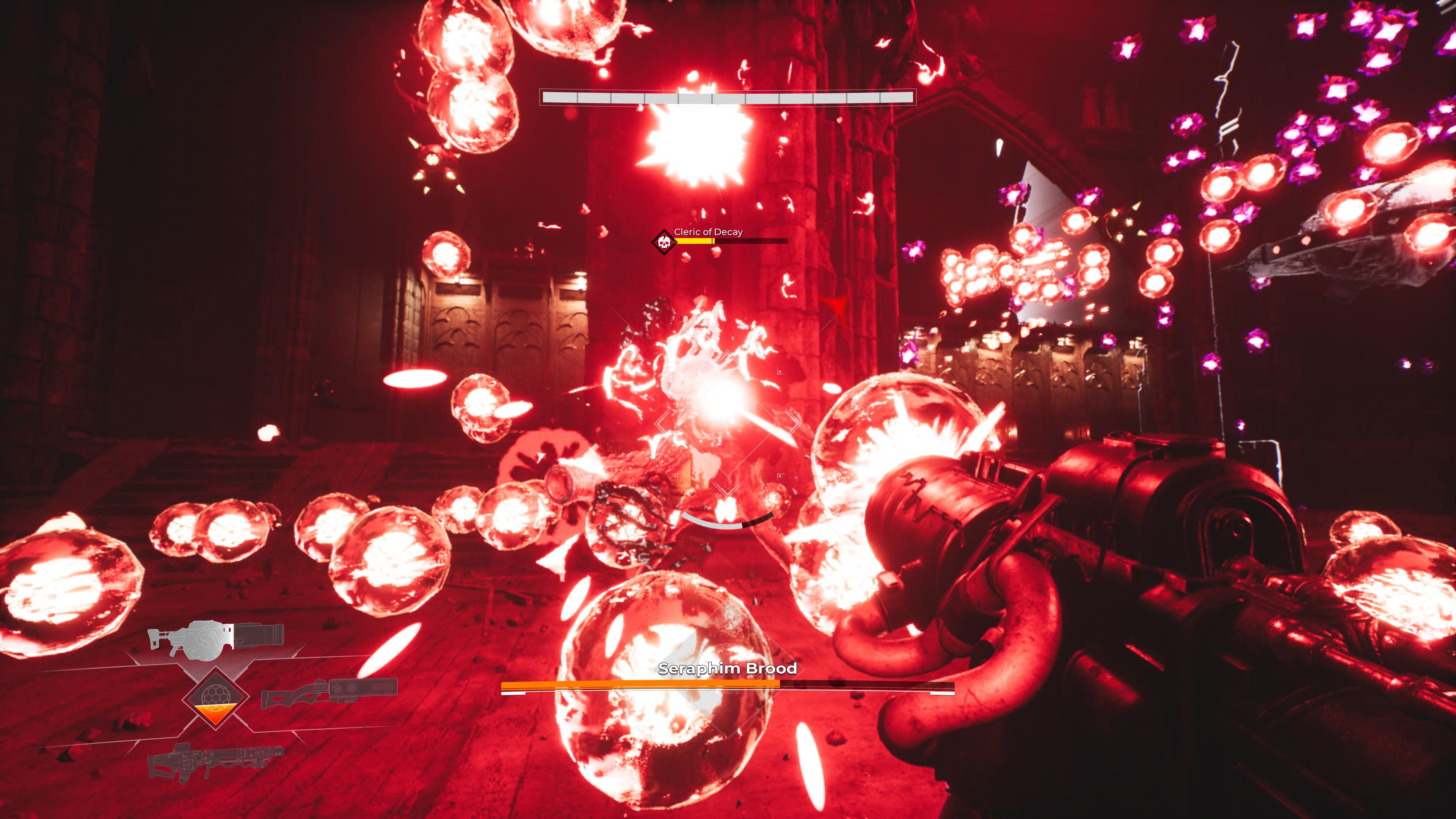
From the outset Luna Abyss isn’t content to be a standard first-person shooter, whether its the abstractly gothic Yoko Taro setup or the moment the black industrial void erupts into a maze of red glowing orbs, a bullet hell, if you will, of its own making, and I just imagined its going to all fall apart, except it doesn’t, not quite, not for most of the time anyway.
Bullet Hell shooters have ceased being the niche ‘90s retro game thing of old, not since Housemarque became obsessed and released third-person shooters Returnal and Saros, and Luna Abyss takes us one dimension further, into first-person. It should be overwhelming, but in practice, bullet hell in first-person turns into a familiar rhythm of panic and pattern recognition where you’re not just shooting but reading coloured patterns of shots, watching for how everything sets up, and then threading yourself through it all.
It helps that you’re not helpless, because the game’s lock-on system keeps things lean and focused, ensuring battles are legible when they really shouldn’t be, letting you dash and snap between targets while bullets drift past in slow arcs. At its peak, Luna Abyss is about survival as much as twitchy shooting, where a juggle of weapons, shield-breakers and quick-snap-shots all combine smoothly.
A shot of simplicity
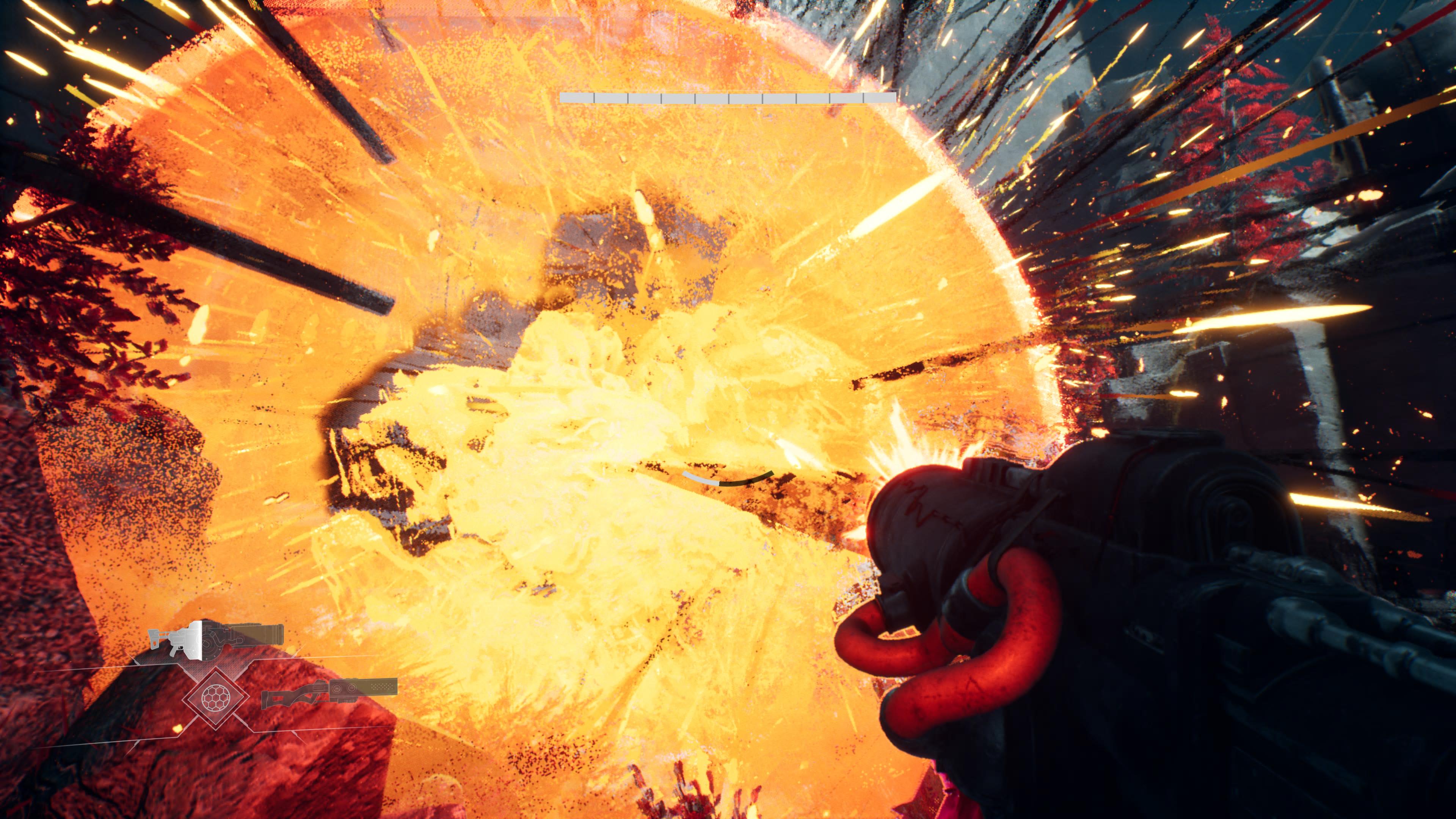
The weapons are simple, and there are just four to unlock, so don't expect a wealth of choice, but they’re doing very specific jobs. The basic automatic laser rifle nips away, a shield-breaker shotgun exists purely to smash blue barriers, the sniper rifle similarly takes down purple shields, and the late-game multi-shot cannon feels like it was designed specifically for clearing rooms and softly resetting the enemy horde. Layered on top of all that is the brutal little melee execution that drains energy from weakened enemies in a way that feels very Doom Eternal-adjacent.
What’s interesting is how small the toolkit actually is, and yet how much mileage it gets because enemy design is doing the real shaping of encounters, and there’s a clear hierarchy of engagement – taking down shield enemies first, mopping up stragglers, and when reinforcements arrive, scan the room and launch the cannon’s multiple beams. This helps make the mass of slow-moving, sweeping, glowing shots that form patterns across the room feel less overwhelming and controllable.
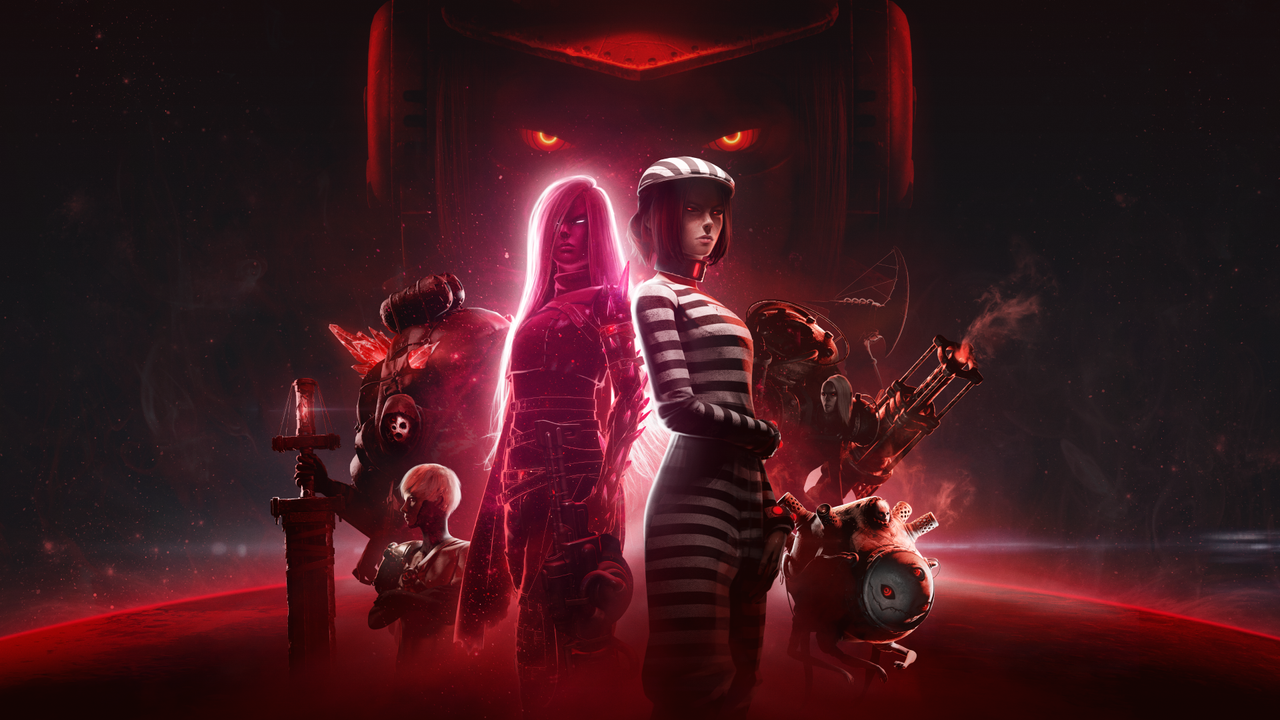
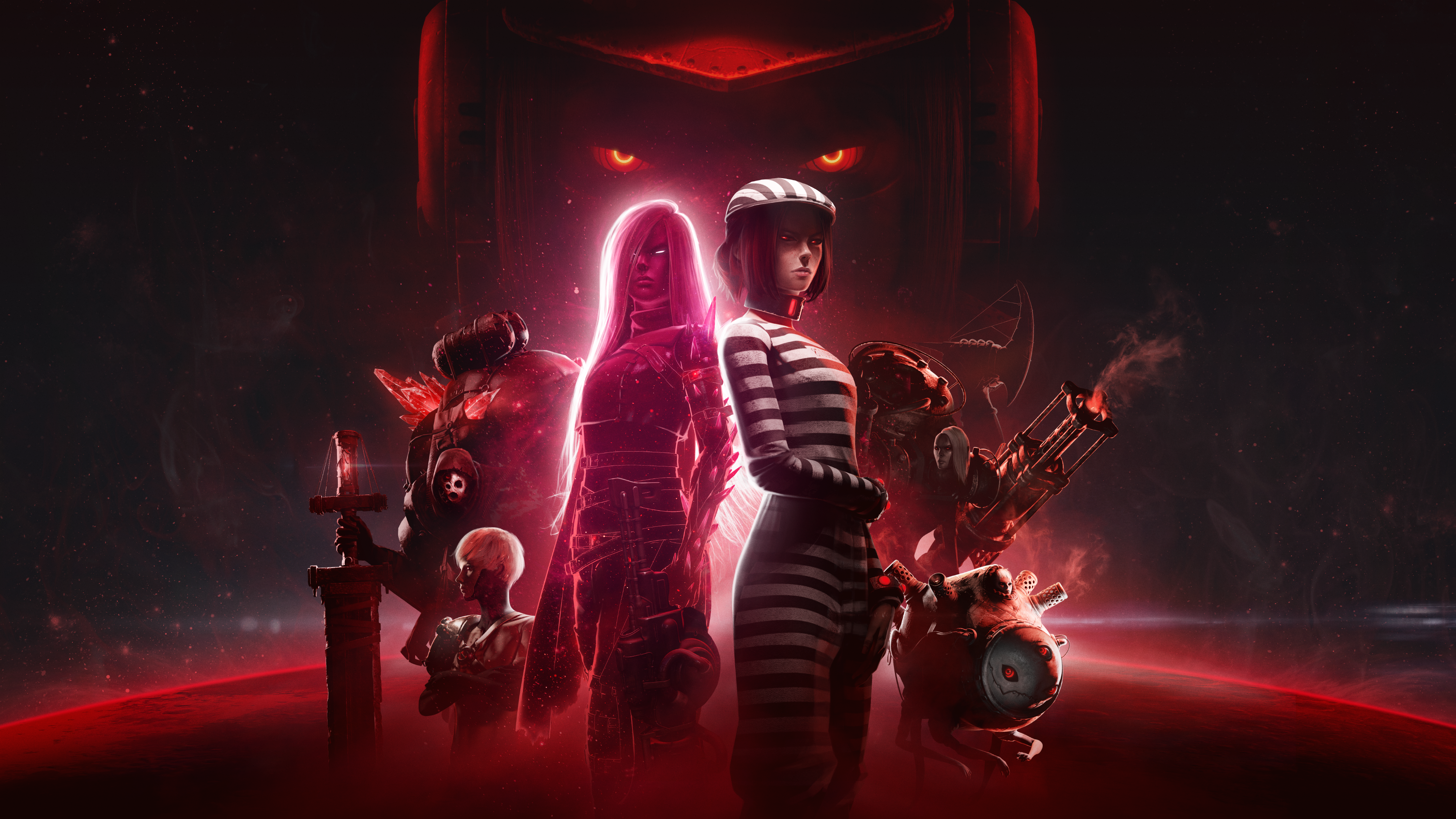
Visually, it’s more ambitious than you’d expect an indie FPS to be, and has a setup that has clearly enabled the art team to lean into the weirdness. Fawkes is a prisoner of a sometime-in-the-future ‘mimic moon’ megastructure, called Luna, who can reduce her 9,000-day sentence by beaming her consciousness into an android and hunting lost technology inside the moon, in the decaying colony of Greymont.
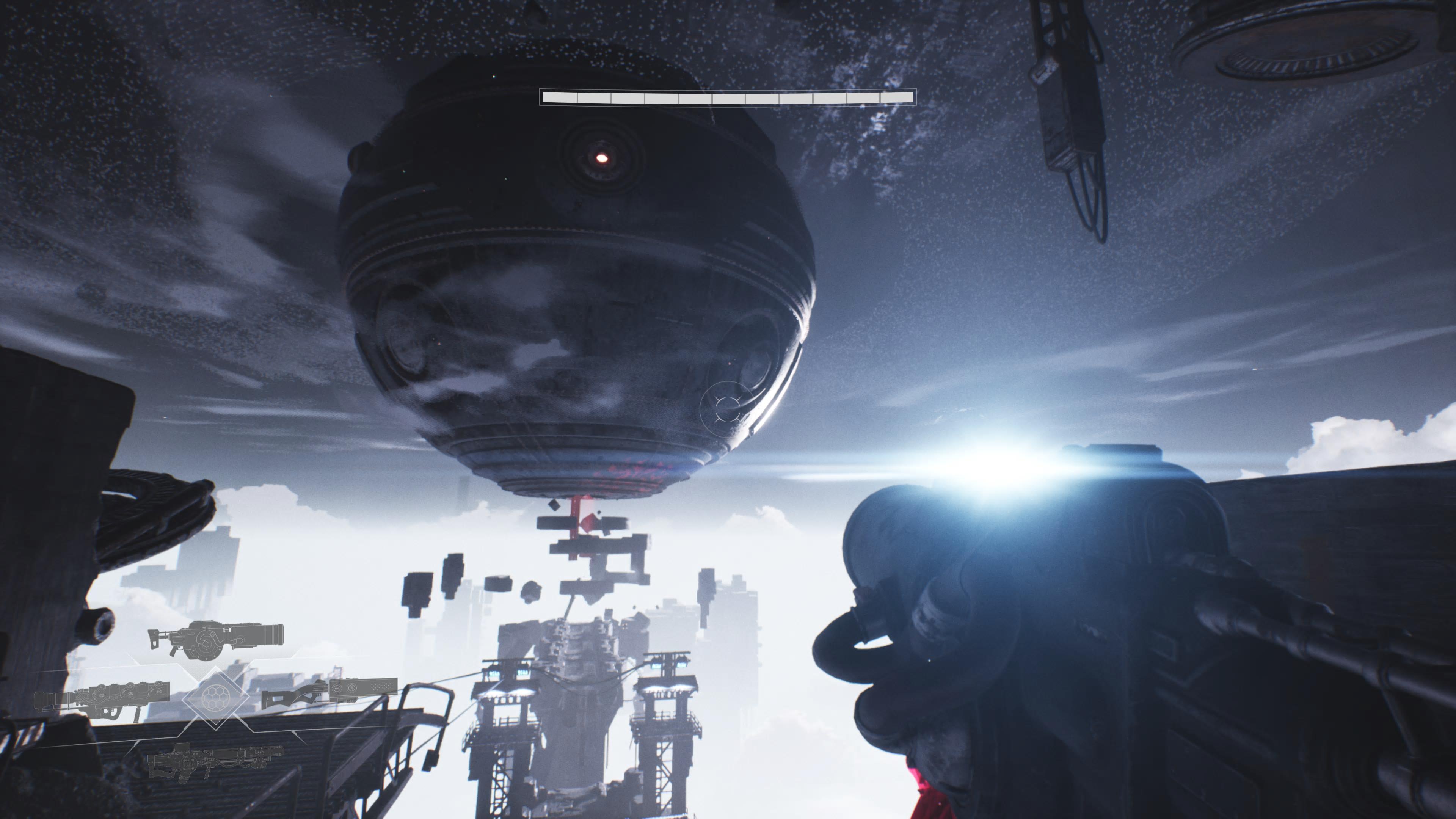
Against this backdrop, the creature design lands somewhere between the uncanny feel of NieR: Automata and the crawling unease of Junji Ito. Enemies, the ‘Drifted’ – robotic bodies with trapped human consciousness – veer from moon-faced, bug-eyed creatures to svelte, pale humanoids. All are set against this cold industrial architecture, pipes and rails and impossible machinery stacked into vertical spaces that wouldn’t feel out of place in BioShock.
The dev makes good use of its world-building as android Fawkes can drop enormous distances undamaged, making for some bewildering exploration as you fall through massive tangles of pipes, spin 360 degrees, and drop out somewhere, often into a harshly lit, cluttered robotic dump or a crumbling temple. It's neat, and as I hankered after a torch to light these dark pipe-y corridors, it soon became apparent I don't really need one, as the game funnels you where you need to go – just keep pushing forwards in the most linear way.
Budget cuts deep
The lower budget is apparent in both the scale of exploration – not much – and the fact that cut scenes in the game are static and text-heavy, while much of the world’s detail is hidden behind a lot of volumetric fog, low lighting and deep shadows. While an aesthetic choice, the lighting also does a lot of practical work, both hiding the lack of scene detail and ensuring those bullet patterns read clearly against the darkness. But it also feels like a trick, a way of selling scale and emptiness when you can feel the budget constraints underneath it all, so instead of detailed environments, you get suggestion, silhouette, space, and honestly, it works.
Between the combat encounters are stretches of platforming that try to break things up, sometimes with simple jumps and traversal swings, or with sprawling industrial climbs that wrap around massive, obscure structures. Then there’s a late-game moment where you’re dropped into a gothic spider mech, trundling through spaces with a strange 360-degree weight to it, that feels very Ghost in the Shell in mood if not exact execution. But this is also where the seams show as the platforming relies on contextual buttons and has a slight lag to it, just enough of a delay to make precise jumps feel a bit frustrating, and when you miss, it starts to chip away at the momentum the combat builds so well, so much so that Story mode is offered that literally enables you to skip platforming sections.
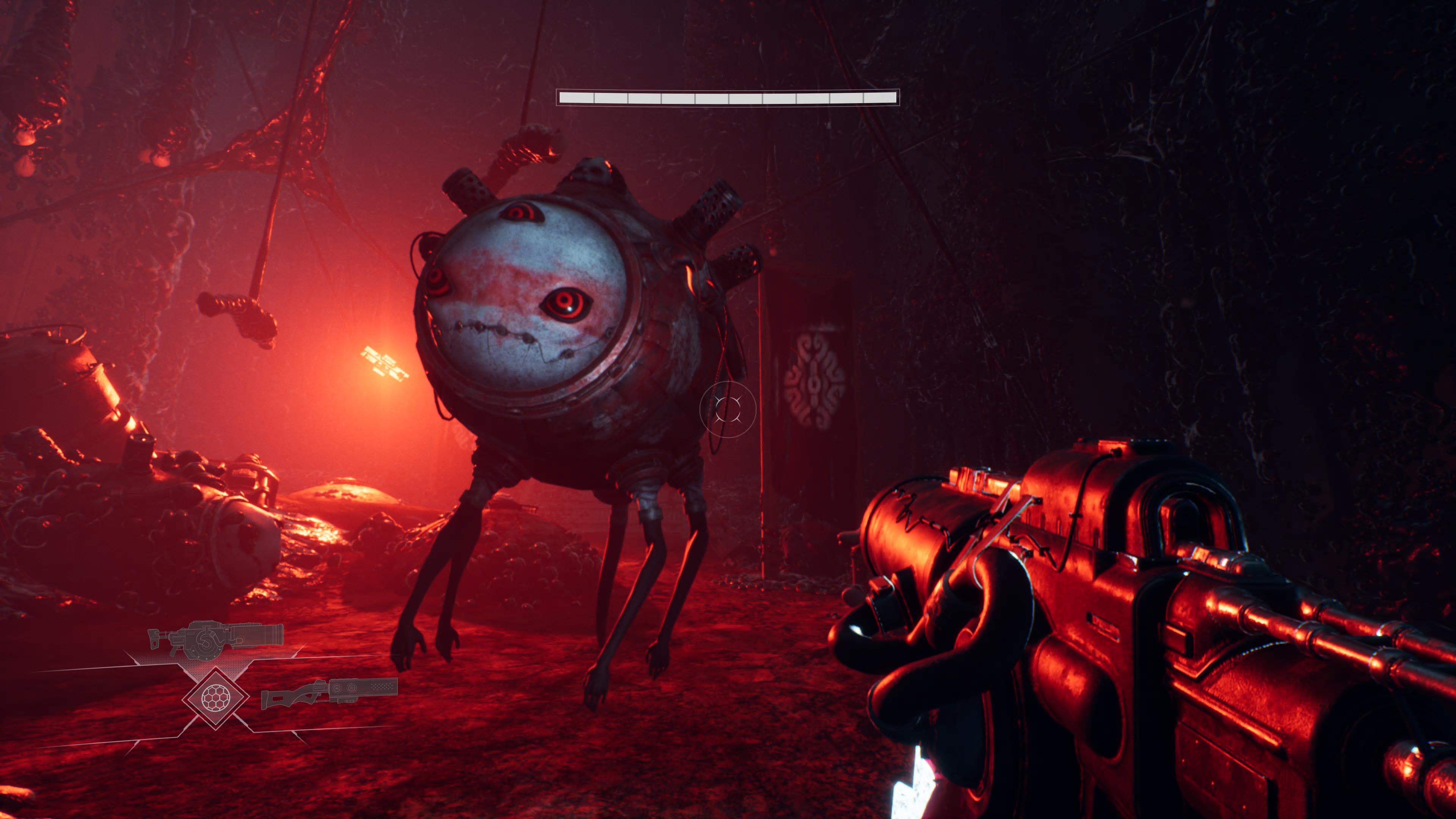
Also, later on, especially in boss fights, combat can be hard to track, with everything turning into a bit of a visual soup, with grey enemies in black rooms, glowing shots everywhere, lock-on still helping but not always enough to stop that sense that survival is sometimes as much about tolerance as skill, and that tension between readable bullet hell and overwhelming mess never fully resolves. Still, by this point, you’ve learned to cope, flicking auto-lock, making use of your own temporary shield to catch a break and juggling shield-breaking weapons.
Despite its flaws, there’s something compelling about Luna Abyss that keeps me playing. It’s like a lean indie Doom Eternal with a Yoko Taro feel to its world design that’s constantly pushing beyond what you expect from a small studio FPS, and even when it stumbles, I'm left remembering the rhythm of its action and that alone is enough to make it stick.