
We've been mightily intrigued by LG's TV range ever since it was unveiled at CES, and now we're finally starting to see part of the lineup in the flesh, so to speak.
We've already reviewed the flagship LG G6 and mid-range LG C6 OLED TVs, as well as the Dolby Atmos FlexConnect LG Sound Suite, with some mixed results.
But some of the more exciting models are still to come, including the new RGB Mini LED MRGB95, the ‘picture frame’ Gallery TV and the revived super-thin W6 “Wallpaper” OLED.
We've picked out some key highlights below, or you can scroll down to the bottom of the page for a breakdown of each TV.
The LG tech headlines for 2026
LG is boarding the RGB Mini LED bandwagon
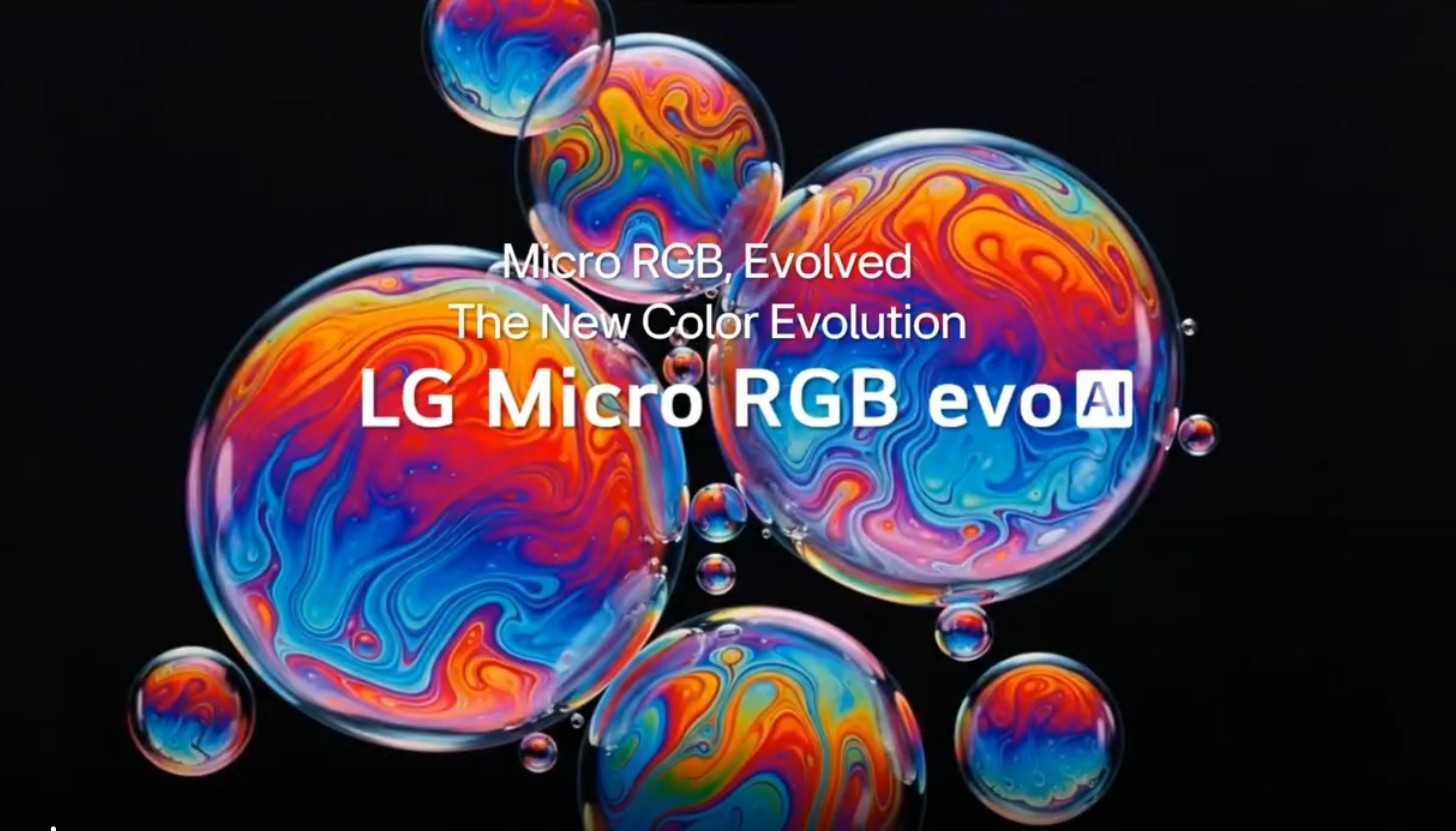
Sony, Samsung and Hisense are among the brands that have been experimenting with RGB Mini LED – and LG is officially embracing the technology in 2026.
LG will be deploying the tech in the new MRGB95 TV, which will sit alongside its OLEDs in 2026 – and perhaps one day replace them. LG is branding the MRGB95 TV as a 'Micro RGB Evo' TV, which, despite the name, is completely separate from the self-emissive Micro LED TVs produced by Samsung.
Marketed as a potential OLED-killer, RGB Mini LED incorporates red, green and blue (RGB) LEDs directly in the backlight system rather than an LCD or Quantum Dot layer. The idea is that without a filter, gamut coverage, brightness, contrast and other screen metrics are all improved. Watch this space!
An even brighter G-series model that’s also better in ambient light
LG's G-series made waves last year as the first Primary RGB Tandem OLED TV, and the predictably named LG G6 is building on this with a second-generation version of the panel.
LG claims the G6 is an astonishing 20 per cent brighter than its predecessor, the G5. This is part of what LG refers to as “Hyper Radiant Colour Technology”, which also includes the ability to produce blacks deeper than 0.24 nits in a room with 500 lux of ambient light.
As you'll read in our LG G6 review, the set is definitely bright – brighter than any other OLED we've tested, resulting in a rather eye-catching spectacle.
However, this punchy performance comes at a cost, most notably to black depth and cinematic accuracy. As we concluded in our review: "LG’s bombastic push to make the G6’s picture pop will have its fans, but purists will be disappointed."
LG has since asked us to re-test the four-star G6, promising us that the problems we encountered were due to software issues that have now been resolved.
So watch this space – we have a brand new G6 sitting in our test room at the time of writing, which could maybe restore the five-star lustre of LG's OLEDs...
Primary RGB Tandem OLED tech has finally trickled down to the C-series
The LG C-series has officially received Primary RGB Tandem OLED technology – but only on the 77- and 83-inch screen sizes. All other sizes retain the WOLED panel.
To avoid potential confusion, the 77- and 83-inch sizes have been branded as the C6H.
While it is, of course, a shame that this panel technology is locked behind the most inaccessible C6 sizes, it is at least a sign that the whole C-series might get the upgrade in the coming years.
It's not all bad news for the regular C6 models, however. The entire C- series will benefit from LG's new Alpha 11 Gen 3 processor, the same chip seen in the flagship G6.
And the C6 proves that processing can make a big difference, with the 65-inch model receiving a glowing five-star review despite the lack of a Primary Tandem OLED panel.
"We don’t typically get too excited about processor upgrades, but the Alpha 11 Gen 3 has forced a brighter and richer performance out of the same OLED EX panel technology, and improved upscaling and shading subtlety," our LG C6 review reads.
"The extra brightness and richness have benefits across the picture, resulting in a more enticing, dynamic and three-dimensional delivery."
Along with improved sound and typically awesome gaming credentials, the LG C6 has set the new standard for step-down OLEDs.
The return of an OLED legend
Return of the King? Five years after LG retired the Wallpaper series, following the WX in 2020, the ultra-thin TVs have made a triumphant return.
The Wallpaper series was a set of wafer-thin LG TVs, with the W7 OLED Wallpaper TV clocking in at only 2.57mm deep. It could even be hung up by magnets.
The new Wallpaper model, the W6, is not quite as thin and flexible, but it is still an impressive 9mm thick. Not bad considering the tech bundled in there: the W6 has the same second-generation Primary RGB Tandem OLED panel and processor as the flagship G6, so it should have an identical picture performance.
Unlike the G6, though, the W6 features a Zero Connect box, a separate hub for audio and video inputs that broadcasts signals to the TV wirelessly. The idea is that it reduces cable clutter around the TV (other than the power cable), and the Zero Connect box can be hidden out of sight.
The end result is a super-thin, almost entirely cable-free TV that lives up to its Wallpaper name. Given that the original Wallpaper series had much of its technology and connections in a rather large soundbar that came bundled together, we find this to be a much more elegant solution.
A Samsung Frame-rivalling Gallery TV
Did you know that the 'G' in the G-series stands for Gallery? Perhaps you were better off not knowing, as LG is also now launching a so-called Gallery TV that is nothing to do with its G-series OLEDs.
Instead, this is an attempt to take on Samsung's divisive The Frame range – essentially TVs that double as a picture frame.
This looks to be a fairly basic backlit TV designed for form over performance, with the marketing aimed at “lifestyle” consumers who want a TV that “looks like a work of art when not in use".
This is further reinforced by Gallery+ functionality, a service that allows users to cycle through 100 pieces of artwork per month. A paid tier grants access to 4500 pieces and an AI artwork service.
Gallery+ is not actually exclusive to the Gallery TV and is available on all recent LG sets, but the two were clearly developed with this synergy in mind.
Available in 55- and 65-inch sizes, the Gallery TV comes with a customisable magnetic frame – a white bezel is included, and a lightwood option can be purchased separately.
No Dolby Vision 2 in 2026
David Park, LG’s Director of Product Strategy and Marketing in the US, has confirmed that LG has “no plans to support Dolby Vision 2 in 2026”.
This is surprising, as LG was one of the earliest advocates for the original Dolby Vision, and especially as TCL, Hisense and Philips have all confirmed support for Dolby Vision 2 this year.
LG even seemed unsure if Dolby Vision 2 could be added later on via a software update, so it certainly seems that it will be a while before we see the new HDR format on LG’s sets.
Dolby Atmos FlexConnect is built in
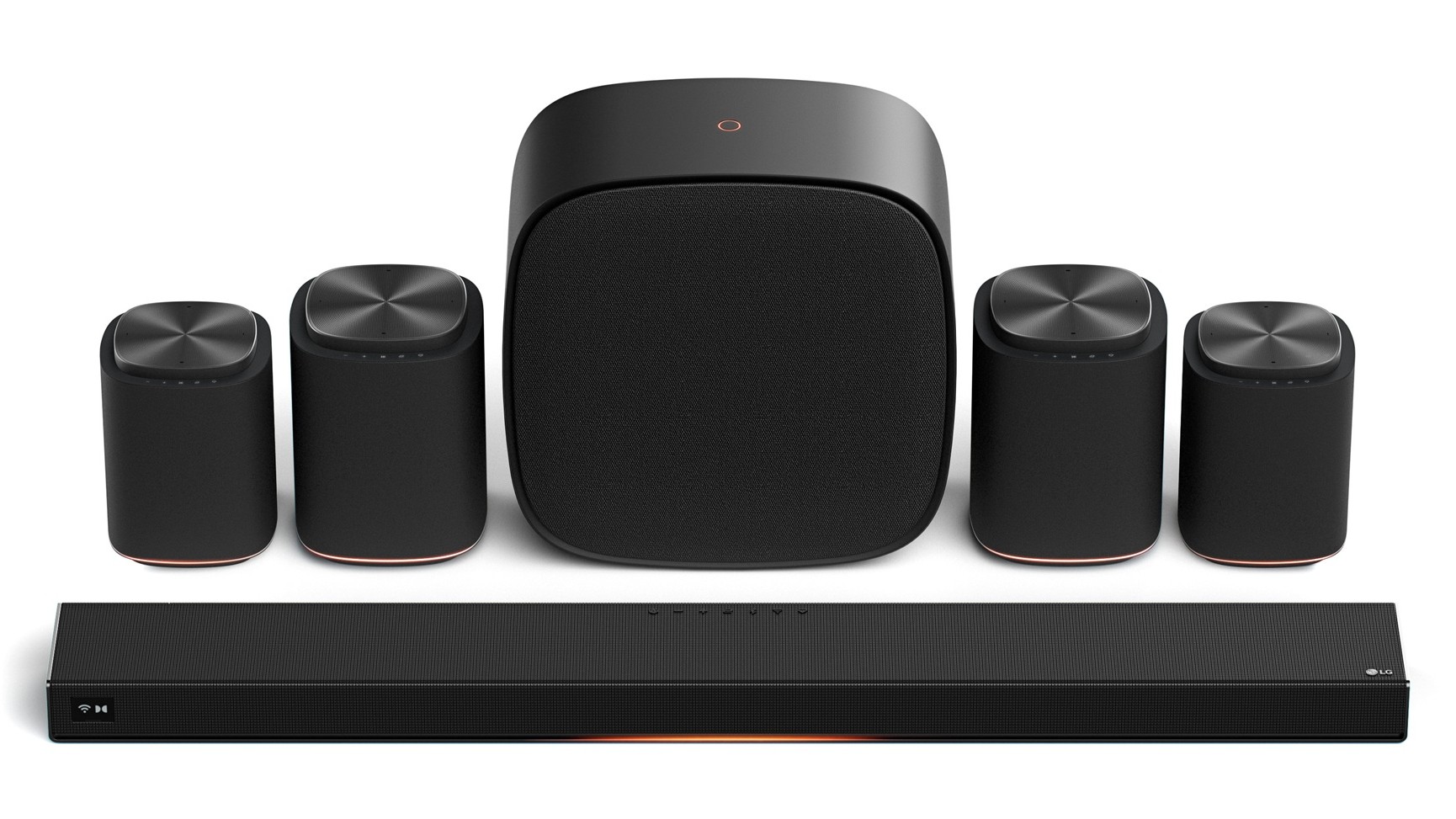
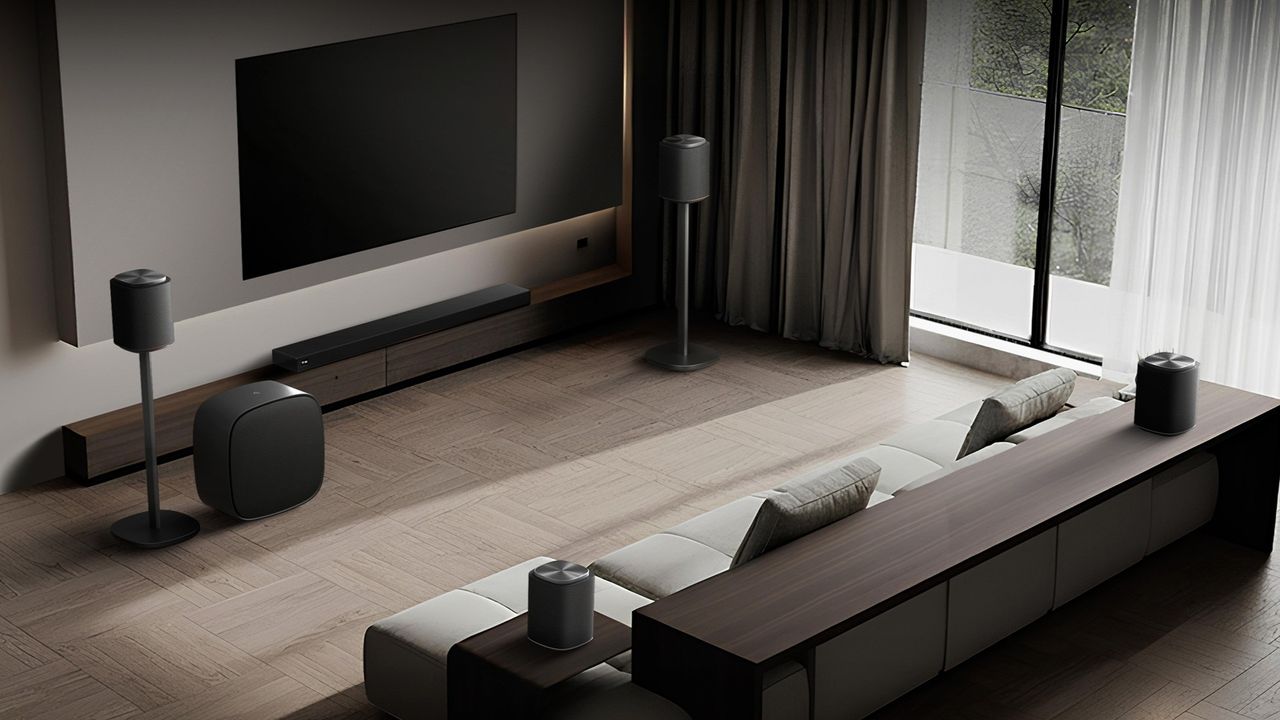
LG's new premium models will support Dolby Atmos FlexConnect, a technology designed to deliver Dolby Atmos sound wirelessly without specifying where you need to place your speakers.
This also means these TVs can act as a hub for the new LG Sound Suite system, negating the need for a soundbar and allowing you to use your TV as the centre channel for a setup in conjunction with the Sound Suite speakers.
While we found the FlexConnect technology to be surprisingly effective, unfortunately, LG's ambitious attempt is held back by a lack of warmth, nuance and refinement.
"But while LG has nailed spectacle, it’s fallen short on subtlety," our LG Sound Suite review reads. "The overall balance tends towards the cold and slightly aggressive, with bass that can dominate and dialogue that lacks warmth, richness and expressive nuance."
LG should be applauded for their genuinely innovative take on premium soundbar systems, and while the presentation is room-filling with spades of powerful bass, it's some way behind the market leaders.
LG 2026 TV range breakdown
We've covered the highlights and key talking points, but what about the individual models? We'll break down each one below.
We still await some details for this new range, but we have listed every model confirmed so far and all the known specs we currently have – and we'll keep this page updated as new details are revealed.
LG MRGB95
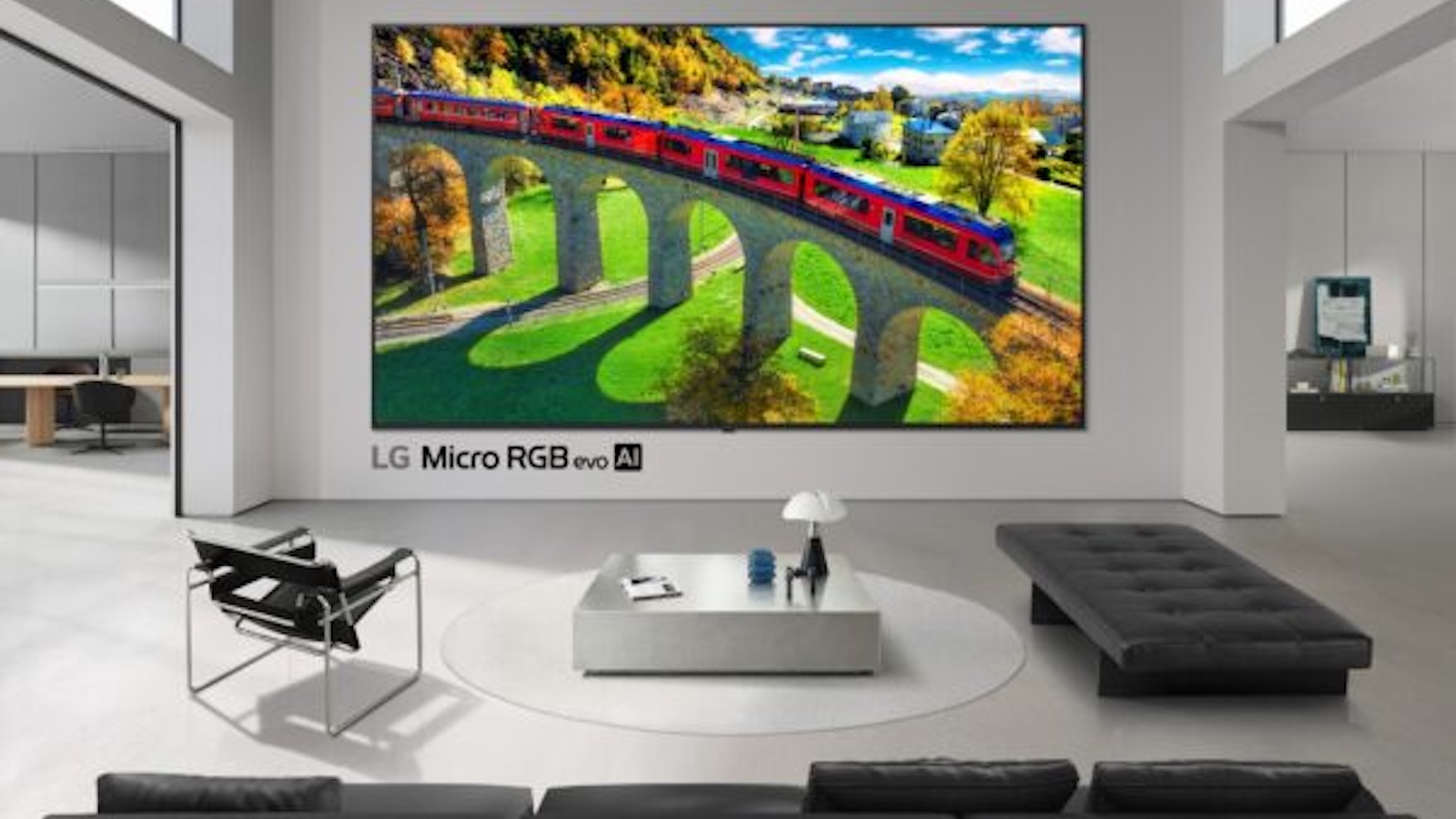
The MRGB95 is LG's first RGB Mini LED TV. This new panel technology uses red, green and blue (RGB) LEDs directly in the backlight system, rather than having the colours controlled by an LCD or Quantum Dot layer.
This has the potential to improve brightness, contrast and gamut coverage over standard Mini LED sets, and potentially give OLED a run for its money.
The MRGB95 will be bolstered by the Alpha 11 Gen 3, the same processor as in the G6 and the first time LG's top chip has been used in a non-OLED set.
LG also claims that ‘RGB Primary Colour Ultra’ will cover an impressive 100 per cent of the BT.2020, DCI-P3 and Adobe RGB colour gamuts.
The MRGB95 will be available only in very large sizes – 75, 86 and 100 inches.
LG MRGB95 specification:
- Sizes: 75-inch, 86-inch, 100-inch
- Display type: RGB Mini LED
- Resolution: 4K
- Processor: Alpha 11 Gen 3
- Sound: 2.2
- HDMI 2.1: Yes (x4)
- Gaming features: 4K/120Hz, 4K/165Hz, VRR, ALLM, HGIG
LG MRGB95 launch pricing:
- LG 75-inch MRGB95: £3,900 / $5,000 / AU$8,000
- LG 86-inch MRGB95: £5,800 / $7,000/ AU$10,000
- LG 100-inch MRGB95: £13,000 / $8,000 / AU$20,000
LG W6
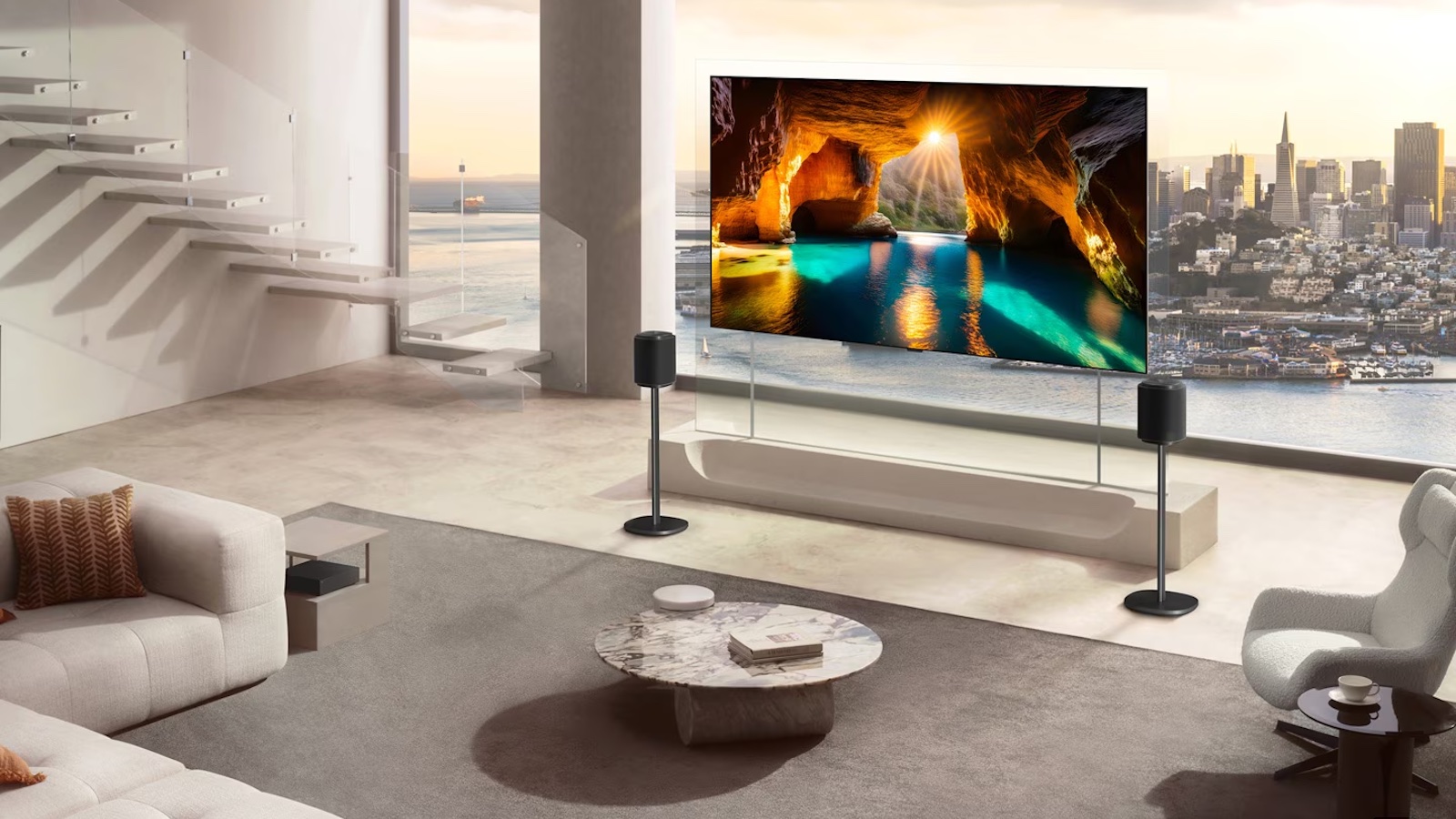
A reboot of LG's ultra-thin Wallpaper TVs, the W6 is impressively only 9mm deep.
The OLED TV also uses a new version of the wireless Zero Connect box that has previously been part of the M-series range. Instead of running HDMI cables directly to the TV, you plug them into the Zero Connect box – now small enough to fit in a drawer – which then wirelessly transmits the video and sound signals to the display.
Otherwise, the W6 has similar specification to the flagship G6, including the same Alpha 11 Gen 3 processor and second-generation Primary RGB Tandem OLED panel. There's also 4K/165Hz support, a feature missing from LG's wireless offerings last year.
LG W6 specification:
- Sizes: 77-inch, 83-inch
- Display type: Second-generation Four Stack Primary RGB Tandem OLED
- Resolution: 4K
- Processor: Alpha 11 Gen 3
- Sound: AI Sound Pro (Virtual 11.1.2ch)
- HDMI 2.1: Yes (x4)
- Gaming features: 4K/120Hz, 4K/144Hz, 4K/165Hz, VRR, ALLM, HGIG
LG W6 launch pricing:
- LG OLED77W6: £4,700 / $5,500 / AU$9,500
- LG OLED83W6: £6,800 / $7.500 / AU$12,000
LG G6
LG's 2026 flagship features a second-generation version of the Primary RGB Tandem panel found in last year's G5.
LG also claims that the G6 can go 20 per cent brighter than the G5, as part of the TV's “Hyper Radiant Colour Technology”. This also includes improvements to black levels and colours when the TV is viewed in a room with ambient lighting.
There's also the new Gen 3 version of LG’s Alpha 11 processor, which will improve processing across the board, particularly in relation to 4K upscaling.
We found the LG G6 to be a bombastic cinema experience, but one with rather disappointing tuning. You can see our full thoughts in our LG G6 review.
LG G6 specification:
- Sizes: 48-inch, 55-inch, 65-inch, 77-inch, 83-inch, 97-inch
- Display type: Second-generation Four Stack Primary RGB Tandem OLED (55-, 65-, 77- and 83-inch models), WOLED (48- and 97-inch models)
- Resolution: 4K
- Processor: Alpha 11 Gen 3
- Sound: 60W, 4.2
- HDMI 2.1: Yes (x4)
- Gaming features: 4K/120Hz, 4K/165Hz, VRR, ALLM, Dolby Vision game mode, HGiG
LG G6 launch pricing:
- LG OLED48G6: £1,700
- LG OLED55G6: £2,200 / $2,500 / AU$4,000
- LG OLED65G6: £3000 / $3,400 / AU$4999
- LG OLED77G6: £4,000 / $4,499 / AU$7,500
- LG OLED83G6: £5,800 / $6,500 / AU$10,000
- LG OLED97G6: £16,000 / $25,000 / AU$30,000
LG C6
The biggest news about the C6 is that it will sport the new Primary RGB Tandem OLED panel technology – but only on the 77- and 83-inch versions. The rest will retain a WOLED panel.
All C6 models will receive the Alpha 11 Gen 3 processor, LG's flagship chip.
There's also support for 4K gaming up to 165Hz, complete with VRR, as well as Dolby Atmos FlexConnect.
Despite not featuring a Primary RGB Tandem OLED panel, we were blown away by the improvements to brightness and richness on the 65-inch C6. You can see our full thoughts in our LG C6 review.
LG C6 specification:
- Sizes: 42-inch, 48-inch, 55-inch, 65-inch, 77-inch, 83-inch
- Display type: Four Stack Primary RGB Tandem OLED (77- and 83-inch models only), WOLED (all other models)
- Resolution: 4K
- Processor: Alpha 11 Gen 3
- Sound: 40W, 2.2
- HDMI 2.1: Yes (x4)
- Gaming features: 4K/120Hz, 4K/144Hz, 4K/165Hz, VRR, ALLM, Dolby Vision game mode, HGiG
LG C6 prices:
- LG OLED42C6: £1,300 / $1,400 / AU$1,999
- LG OLED48C6: £1,400 / $1,600 / AU$2,400
- LG OLED55C6: £1,700 / $2,000 / AU$3,000
- LG OLED65C6: £2,500 / $2,700 / AU$4,000
- LG OLED77C6H: £3,500 / $3,700 / AU$5,500
- LG OLED83C6H: £4,800 / $5,300 / AU$57,500
LG B6
LG was able to drop the pricing on the budget OLED range thanks to the new SE OLED panel, which removes the pricey polariser. This will make the B6 more reflective than current OLED models, but also brighter – a claimed 1000 nits rather than the 600-700 nits of models such as the LG B5.
LG B6 specification:
- Sizes: 48-inch, 55-inch, 65-inch, 77-inch, 83-inch
- Display type: WOLED
- Resolution: 4K
- Processor: Alpha 8 Gen 3
- Sound: 20W, 2.0
- HDMI 2.1: Yes (x4)
- Gaming features: 4K/120Hz, VRR, ALLM, Dolby Vision game mode, HGiG
LG B6 launch pricing:
- LG OLED48B6: £1,300 / $TBC / AU$2,000
- LG OLED55B6: £1,600 / $TBC / AU$2,500
- LG OLED65B6: £2,400 / $2,000 / AU$3,300
- LG OLED77B6: £3,000 / $2,800 / AU$TBC
- LG OLED83B6: £3,600 / $4,500 / AU$TBC
Gallery TV
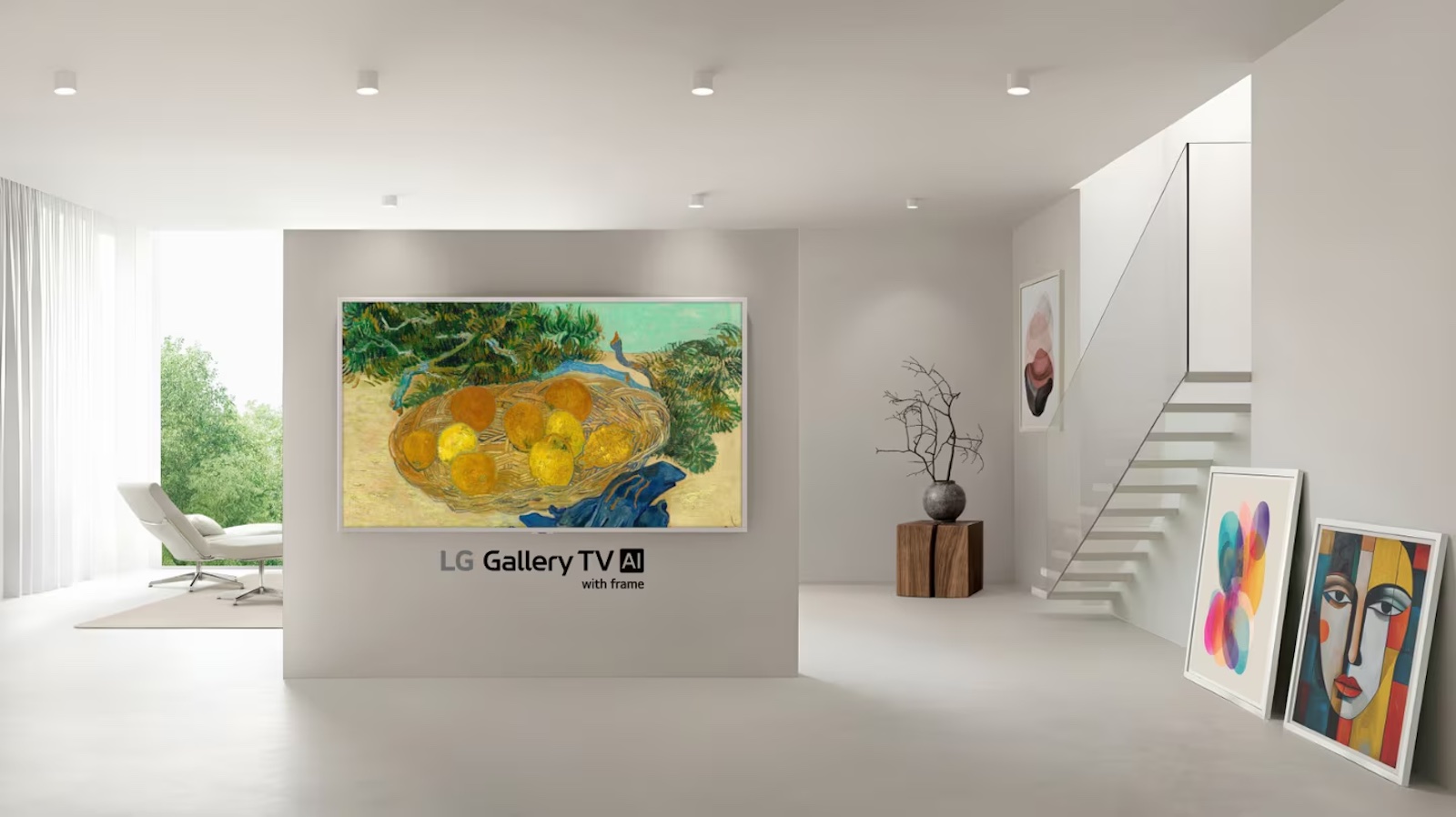
Marketed as a “lifestyle” option, the Gallery TV is an attempt to take on Samsung's The Frame Range.
The Gallery TV is an LCD set with a Mini LED backlight, with LG's Alpha 7 AI processor under the hood. This suggests that the performance will be on a par with LG's entry-level and mid-range backlit sets
The main selling point, then, is the design, which is intended to replicate a picture frame, complete with a white bezel or an optional add-on lightwood frame. LG has been promoting its Gallery+ service with this TV, which provides it with works of art to display when not in use.
The Gallery TV is available in 55- and 65-inch sizes, but only US prices have been released so far.
The Gallery TV specification:
- Sizes: 55-inch, 65-inch
- Display type: Mini LED
- Resolution: 4K
- Processor: α7 AI Processor 4K Gen9
- Sound: AI Sound Pro (Virtual 9.1.2ch)
- HDMI 2.1: No
- Gaming features: 4K/60Hz, VRR, ALLM, HGIG
The Gallery TV launch price:
- LG 55-inch The Gallery TV: £TBC / $1,300 / AU$TBC
- LG 65-inch The Gallery TV: £TBC / $1,800 / AU$TBC
MORE:
Check out the news on LG's new Sound Suite Dolby Atmos system, Gallery TV and MRGB95 RGB Mini LED model
We've seen Samsung's new flagship OLED TV in action – check out our Samsung S95H hands-on
Here are the best TVs you can buy right now