The United States and Iran have finally agreed on a framework peace deal aimed at bringing an end to months of fighting that has devastated the region and upended the global economy.
Donald Trump said on Monday that a preliminary agreement had been signed by the US and Iran, although details have yet to be made public and both sides have said a permanent truce is yet to be negotiated.
The interim agreement would extend the tenuous ceasefire by another 60 days and lift the blockades on maritime trade in the Strait of Hormuz, facilitating talks on thorny issues like Iran’s nuclear programme and US sanctions.
Oil prices fell on Monday to their lowest level since March 10, but recovered ground on Tuesday, reflecting a more cautious stance among investors, with much of the deal still to be confirmed and put into action.
Here is what we know about the deal so far:
The opening of the Strait of Hormuz
President Trump declared that the vital shipping route would be reopened thanks to his provisional agreement, although both Pakistan and Iran have made no explicit mention of this.
“I hereby fully authorise the toll-free opening of the Strait of Hormuz, and, simultaneously herewith, authorise the immediate removal of the United States Naval blockade,” he announced on Sunday.
But an hour later he appeared to caveat the statement, adding that the waterway would be opened “upon the signing of the Deal on Friday, for purposes of mine removal” after which “oil will flow on both ends again for the Region, and the World!”
On Monday, he said the preliminary agreement had already been signed, and that the Strait of Hormuz was miraculously “partially opened” already. He indicated traffic could fully resume from Friday, once the remaining mines are cleared.
The world’s largest shipping operator, Japan’s Mitsui OSK Lines, told the FT it could take weeks to restart shipping in the region, “given the experiences in the last couple of months”.
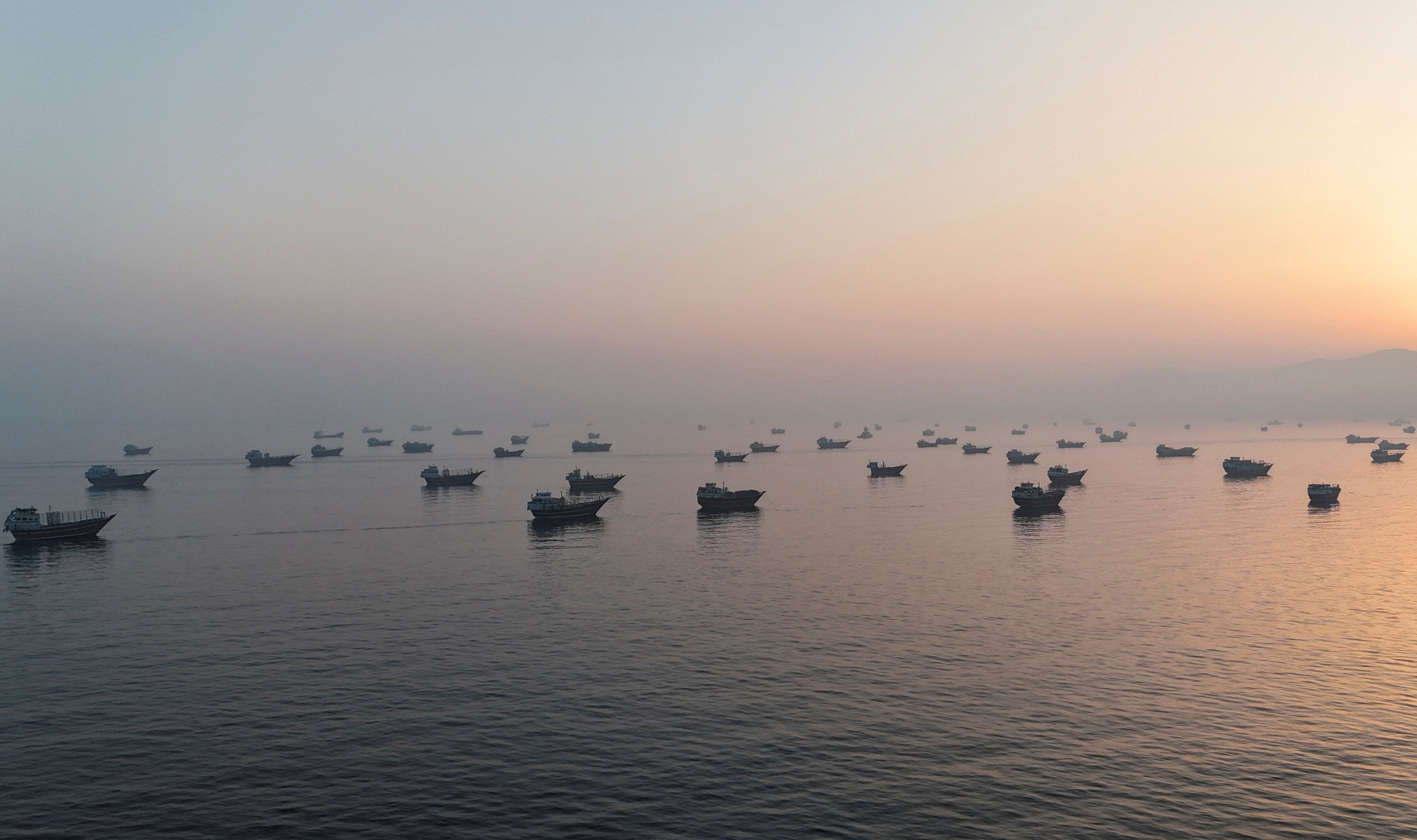
Further complicating matters, Iran and the US still appeared to be at odds over whether Tehran would try to impose fees on ships transiting the Strait - a long-running issue under which the US has previously drawn a red line.
While Trump insisted the Strait of Hormuz would be reopened ‘toll free’, Iranian state media reported that traffic would henceforth be regulated by Iran and Oman. Iran’s foreign ministry then said on Monday it could charge ‘maritime fees’ for passage through the Strait.
US Senator Lindsey Graham, a Trump ally who advocated for the war, said on Sunday he was “somewhat concerned” that Iran's description of the preliminary agreement was different from the White House's description.
What has been agreed over Lebanon?
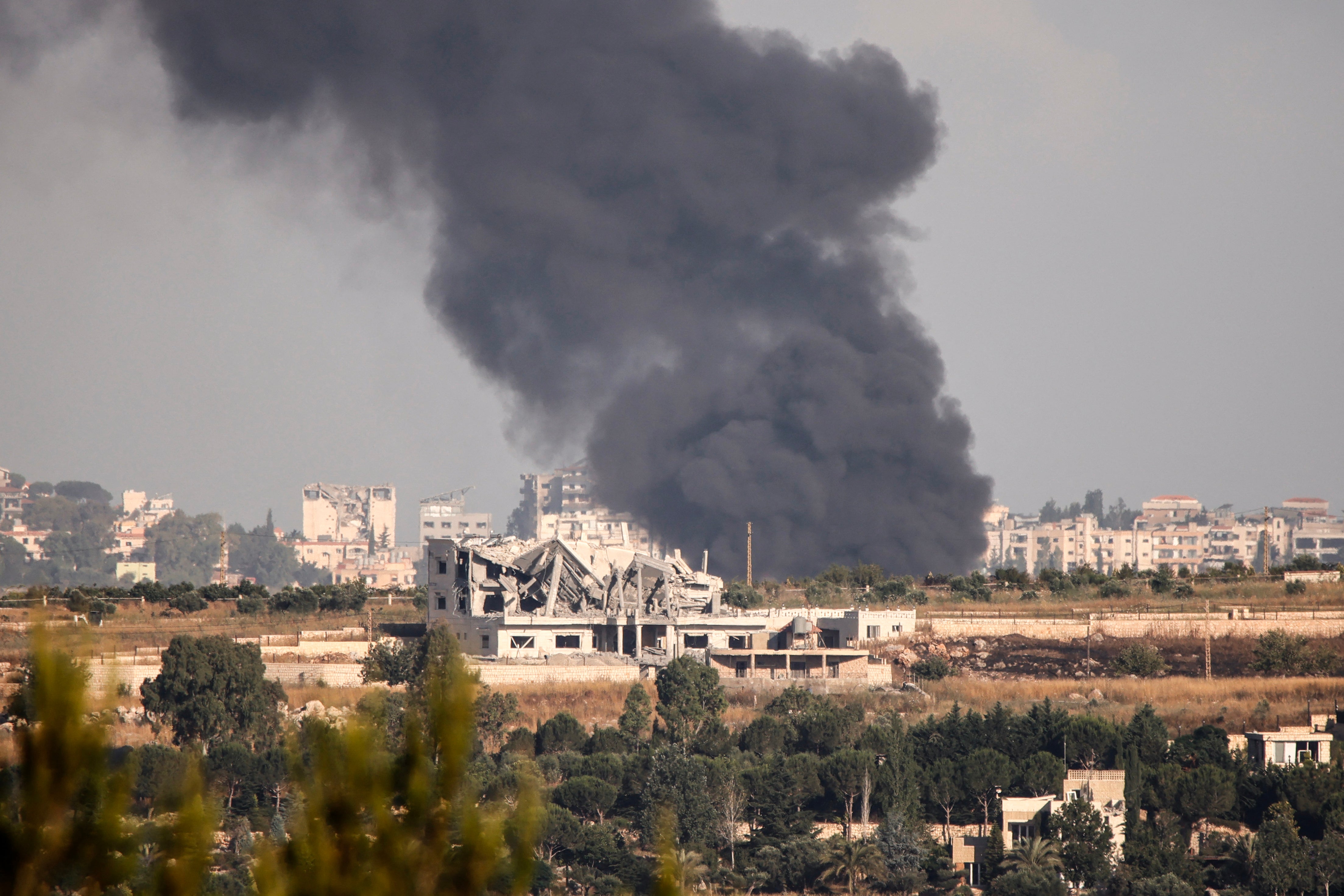
Pakistan’s prime minister Shehbaz Sharif, with a central role in negotiations, said that the ceasefire agreed between the parties would be applied to “all fronts”, including Lebanon.
Iran had been adamant that it would not agree to a deal that does not include a cessation of Israeli attacks in the south of the country and in its capital Beirut. More than 4,000 people have been killed in Israeli strikes since the war began, and more than 1.2 million people have been displaced.
“Both sides have declared the immediate and permanent termination of military operations on all fronts, including in Lebanon,” the Pakistani prime minister wrote on X.
Iran’s deputy foreign minister, Kazem Gharibabadi, said of the agreement: “A permanent and immediate end to the war has been declared on all fronts, including Lebanon.”
But neither Trump nor Israel made any reference to Lebanon, and Israel continued to strike Lebanon on Sunday as the deal was reportedly agreed.
Hawkish national security minister Itamar Ben-Gvir said on social media that “we are not partners to this agreement that does not ensure our security, and it does not bind us in any way”.
Notably, the talks between the US and Iran left out Israel, which has been clashing with Hezbollah in Lebanon unilaterally since the start of March, despite a nominal ceasefire agreement.
Nuclear weapons and enrichment
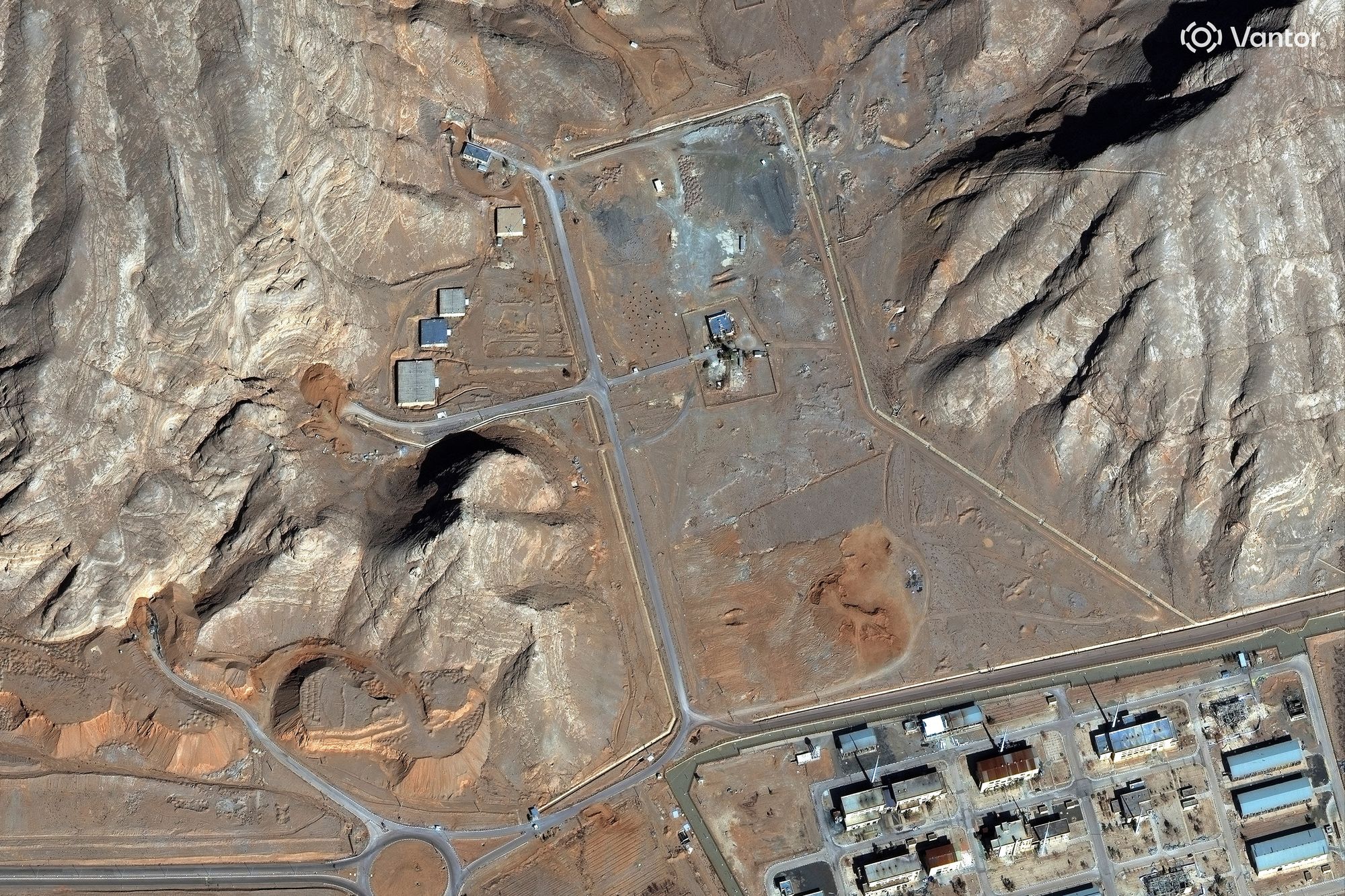
An Iranian official told Reuters that the draft memorandum includes an agreement by Tehran not to produce or acquire nuclear weapons, allows it to maintain the current status of its nuclear programme and prevents it from further uranium enrichment and expansion of its nuclear facilities.
Iran has long maintained this, and that its nuclear programme is entirely peaceful.
The United States has agreed to allow Iran to dilute its stockpile of highly enriched uranium on Iranian soil under a more detailed future agreement, according to the reports. JD Vance denied that Iran would receive any payment in exchange for giving up the development of nuclear weapons.
While official details remain scarce, the emerging peace agreement has been criticised by some members of Trump’s own party and by the Israeli government, with some claiming it does little to build on the terms of the 2015 Iran nuclear deal, which Trump withdrew from during his first term.
Nuclear talks are to continue over the next 60 days, senior Pakistani officials told the Associated Press.
Economic sanctions
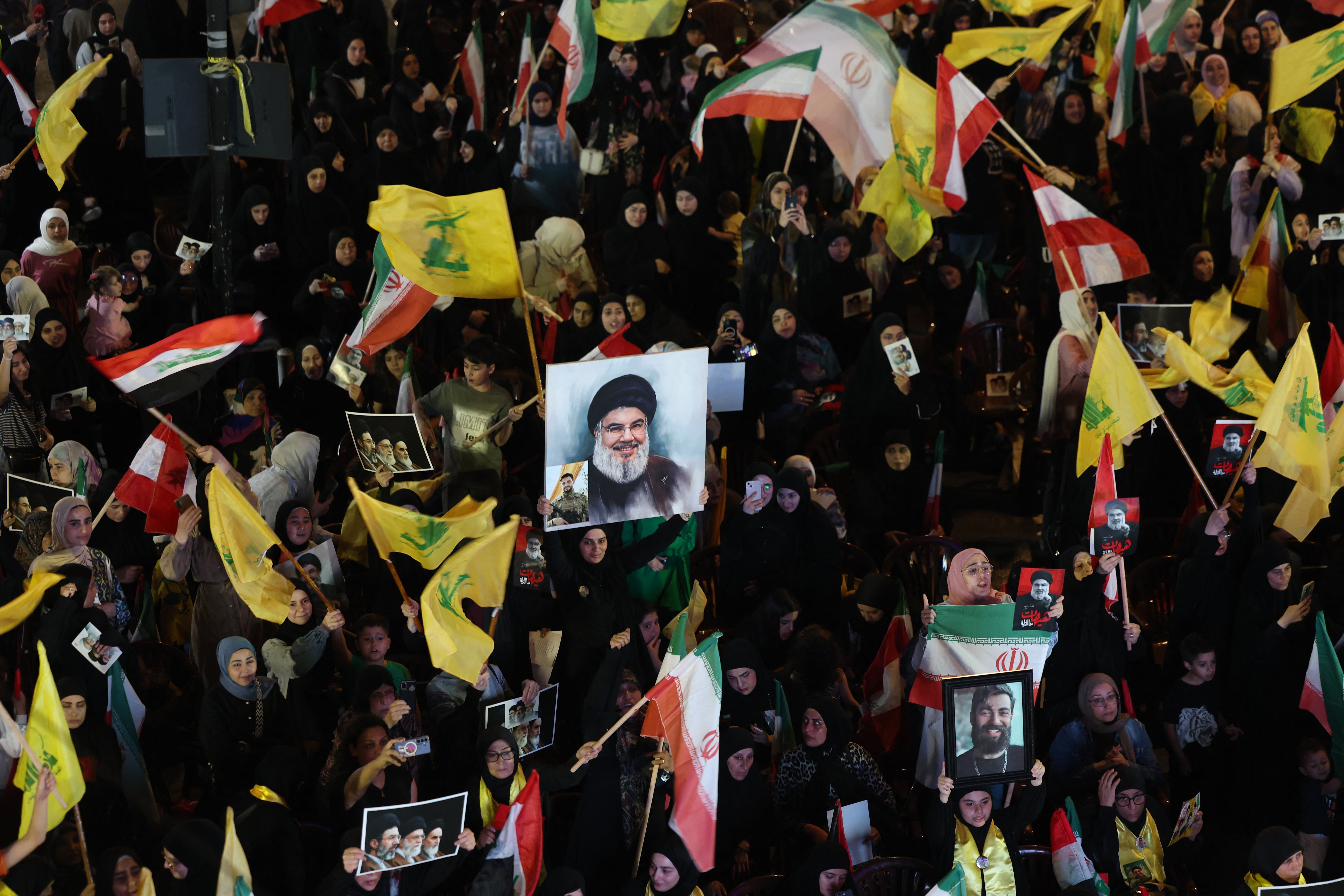
Throughout negotiations, the Islamic Republic has sought the removal of economic sanctions that have crippled the country’s growth for more than 45 years. Iran has also sought the release of billions in frozen Iranian funds, according to Axios.
Before the deal was announced, a senior Iranian official said that the United States had agreed to release $25bn of frozen Iranian assets under the draft terms of the agreement and to waive oil sanctions on Iran for a specified period.
According to the official, the US has agreed not to impose any further sanctions on Iran until a final deal is reached. Washington is to prepare a reconstruction and development plan during the ensuing talks, according to the draft memorandum.
In a joint statement, Britain, Germany, France and Italy said they would be prepared to lift sanctions on Iran in response to "clear, verifiable steps" to limit its nuclear program.
Regime change
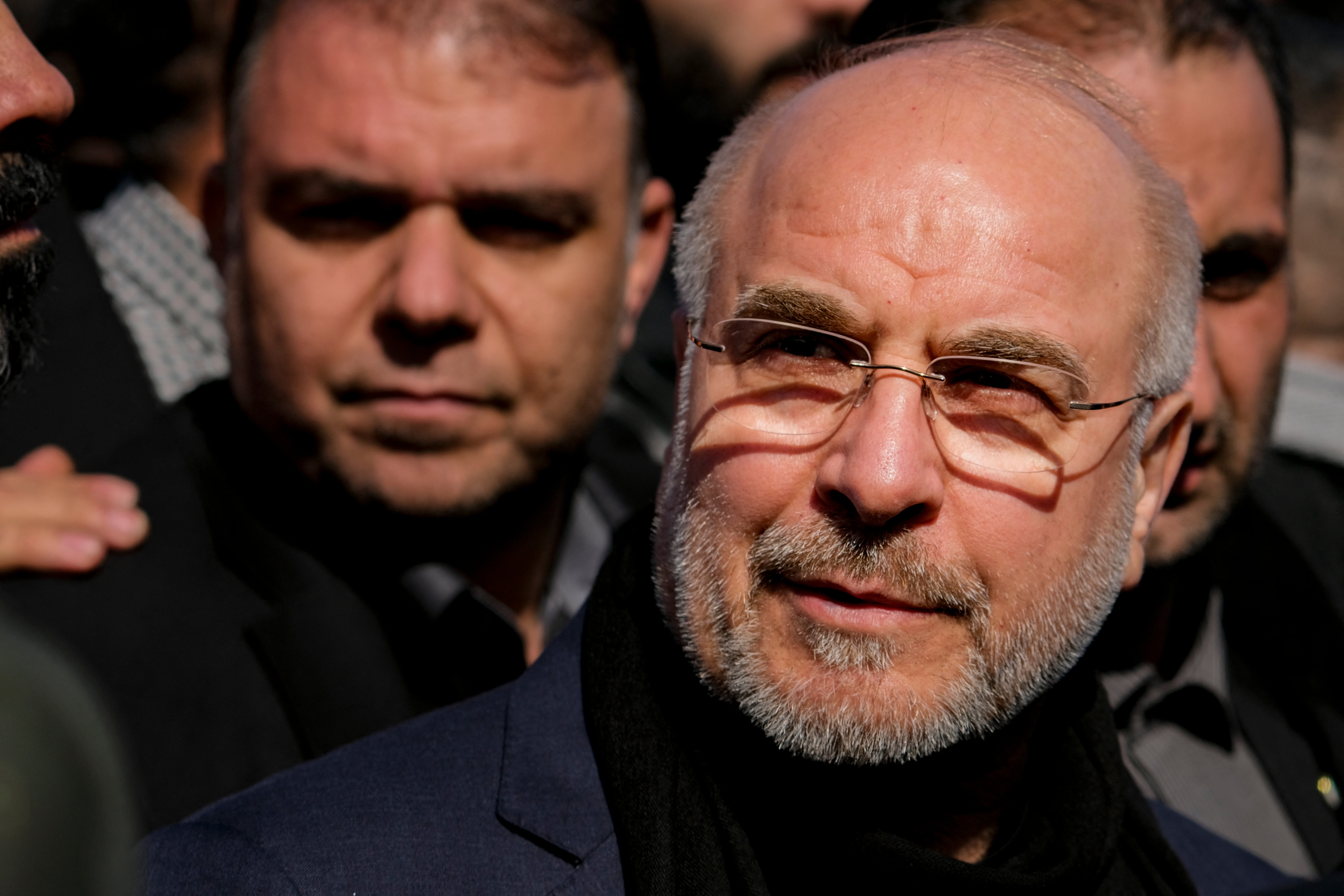
In an interview with The Wall Street Journal, Trump said the deal would be signed in-person or electronically by Vice President Vance or himself.
Some critics have also accused the administration of not going far enough to dismantle Iran’s existing government. In his interview with the Journal, Trump said: “As far as regime change, I never cared about regime change.”
“With the agreement now in place, mediators will facilitate a series of meetings this week,” Sharif added. “These pre-implementation discussions will lay the foundation for the technical talks and the official signing ceremony.”